21 – 29 August 2026
We felt like a seven day treat out of Melbourne’s cold winter.
We were looking for somewhere that took us from the cold air of Melbourne. We’d left for Spain while it was still summer and arrived back as winter was approaching and we felt cheated of warm weather, so we needed to go somewhere.
I walked into a local travel agency and said Solomon Islands or New Caledonia? (They’re both new countries for us.)
The cost and flight time to the Solomon Islands was greater than the cost and flight time to New Caledonia so that was the decision we made. Admittedly New Caledonia is further south than the Solomon Islands and therefore not as warm.
The flight to Sydney was moved a day earlier because the connection was not so good, so we spent an evening in Sydney. Hopefully we’ll make the flight home within the day.
New Caledonia is certainly very French. There is a lot of French spoken and very little English. What we found most difficult was even the hotel staff didn’t have a good command of the English language and had an expectation we could converse in French. Sadly, as we age, we’re finding that other languages are harder to manage.
It was cool, dark, damp. A little cooler than we had expected, so we found that we were putting on jumpers to get through the day. New Caledonia is mountainous and the grey clouds hang off the mountains and bring in rain.
Our apartment was quite comfortable – a lounge with a bar kitchen, a screen separating the bedroom and a decent size bathroom. The lounge didn’t have lights, just a desk lamp and the bedroom had just one power point, which made charging our iPhones a challenge.
We had decided to manage our own breakfasts, so our first task was to find somewhere to buy. The little corner store at the front of our hotel had a meagre offering and only powdered milk. We complemented those purchases with a visit to another corner store a short walk away. They even offered wine.
Google told us the nearest restaurant was Chai de l’Hippodrome, just 200m down the road. It turned out to be a good choice – an eclectic place with lots of small dining rooms. We were tired, so arrived there at 5:30. The place was winding up as we were leaving about 7:30.
I ordered a veal dish and Bruce ordered duck. It was after our first couple of mouthfuls that we realised we were served the wrong dishes. Too bad. I enjoyed his duck and he enjoyed my veal. We promised to go back to swap meals.
The resort was mostly empty and the only restaurant on offer was the revolving rooftop, open for two lunches and two dinners each week. However, there was a sports bar with an outlook to the pool that was having its annual maintenance. Bruce was more than happy with the beer, but the wine left something to be desired – generally served in a cocktail glass, warm and too heavy for my taste. Not my idea of French wine!
We had ideas of heading out beyond the city limits of Noumea. Somehow it just seemed more comfortable to stay nearby.
We spent the first morning exploring the ‘hood. An array of shops and restaurants were opposite the Plage de l’Anse Vata beach. The shops offered tourist meals and tourist souvenirs as well as some up-market clothing boutiques. We settled on Malango as our go to coffee house. It was pleasant sitting on the colonnade there.
We ordered a taxi to go to town, but since we had no local cash (Pacific Francs) we ordered a taxi that took credit cards. We subsequently realised that the taxis come much quicker if you are willing to pay local cash.
Our destination was the Musée Maritime. Here we learnt about the migrations of Oceanian people in the past 3000 years, travelling from distant places like Tonga.
A fascinating ocean chart of the Marshall Islands had shells representing islands and sticks showing the direction of the ocean swells.
There were stories of the trade around the islands at the end of the 19th century, including the precious nickel ore, which for some time delivered 90% of the world’s requirements.
Exploration of the Pacific region was also highlighted but focused on the La Pérouse expedition of the 18th century.
Jean-François de Galaup, comte de Lapérouse was a French naval officer. He joined the navy at a young age and participated in the American War of Independence and in trading in the Indian Ocean region as well as the Caribbean.
In 1785 he was sponsored by King Louis XVI to explore the pacific region to improve on James Cook’s maps and covertly seek for geographic, scientific, ethnological and economic potential.
The fleet consisted of two 500 ton ships, La Boussole and L’Astrolabe under Fleuriot de Langle. The crew included a number of eminent scientists.
Their voyage took them up the Pacific coast of the Americas, including Easter Island and present day Hawaii, before travelling around the Asian coastlines. He was ordered to investigate the British settlements at Botany Bay and arrived just days after the First Fleet. They departed, bound for New Caledonia, but never hit landfall again.
First evidence of the shipwrecks appeared in 1826, however it was not until 1964 that La Boussole was identified. A French expedition in 2008 finally resolved that both ships were wrecked on Vanikoro’s reefs, part of the Solomon Islands.
It made for an interesting story into the battle for dominance in the Pacific Islands.
Our irregular walks were along the Plage de l’Anse Vata beach. We were intrigued to watch some locals on what looked like floating skateboards that they managed to wriggle to move forward. The boards appeared to have a complex fin system underneath. They must have been dependent on the tide or current because the riders carried the boards back up the beach.
We love to visit any market, so the Grand Market was a must stop. Yams, cassava and taro were staples, along with bananas of all shapes and colours. The fish market was a highlight, however there was very little fish on offer in the restaurants we visited.
We wandered from the market into town. It was a sleepy, typical pacific town at lunchtime. Souvenirs consisted of Mother Hubbard or Missionary Dresses and t-shirts of dubious design.
The Cathédrale Saint-Joseph à Nouméa once had a commanding view over the port, but the area below it has been built up. The inside was quite modest. A Joan of Arc statue dominated the courtyard.
Missionaries played a huge role in New Caledonia during the 19th century. Hundreds of churches were built, the fear of God was instilled, schooling was introduced, modesty, including Mother Hubbard dresses for girls and women, was mandated.
Churches still dominate the tiny villages we passed by.
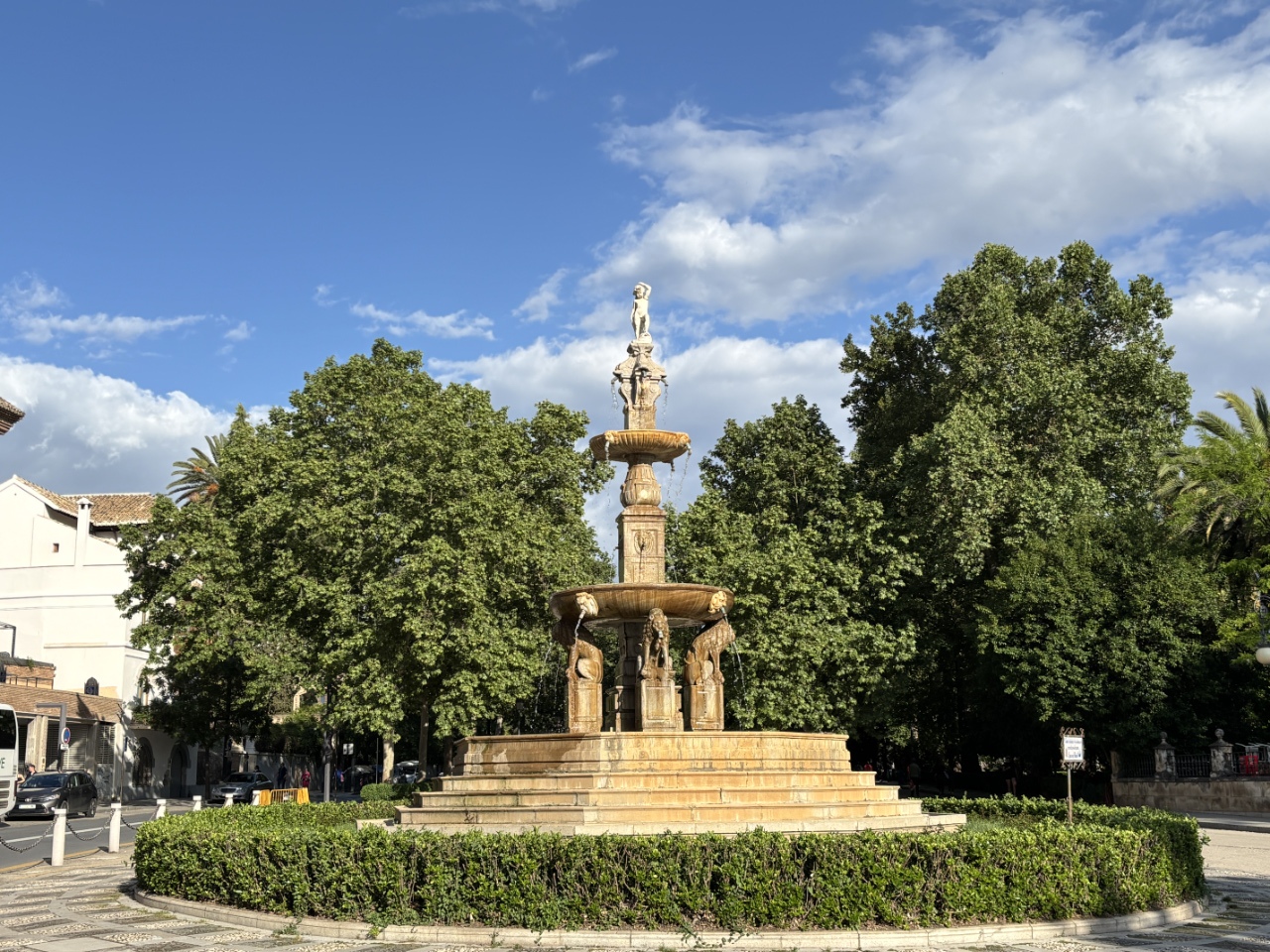
We stopped in the city square which goes by a number of names. The Fontaine Céleste, in the Place des Cocotiers was rather pretty. It was built between 1892 and 1894 and marks the zero point for distances in New Caledonia.
The fountain caused some scandal at the time as the semi-nude young lady on top was based on the 17-year-old daughter of a local farmer.
After lunch of crepes, we wandered into Museum of World War II. This was a truly amazing experience.
We learnt how the Kanaks (local people) were treated as indentured people which prohibited them from voting or moving freely and required them to pay tax on meagre earnings.
The islands were used as a R&R base for USA during the Pacific War. The Americans needed local people to build, farm and load/unload ships. They paid the Kanaks well. They brought music, cinema and medical care. They built roads and airports. It was a turning point in the local culture.
A long battle for independence and recognition of French citizenship for the Kanaks was finally won in 1946.
During WWII the Pacific Battalion of nearly 700 volunteers from New Caledonia, Tahiti, Wallis and the New Hebrides fought alongside the allies. They were first sent to North Africa, where they quickly acclimatised to the harsh weather and contributed to France’s victory at Bir Hakeim, Libya.
The story continued when we visited the Musée de la Ville de Nouméa, Noumea City Museum.
After receiving their rights in 1946, New Caledonia underwent a profound transformation. Political awakening, better rights for Kanaks and universal education led to a need for a Caledonian identity. Nickel mining had created great wealth for the country, enabling the country to be the third largest producer. However it was subject to fluctuations.
Migration, driven by wealth in the nickel industry led to major construction projects, making it one of the wealthier countries in the pacific. The outcome is the emergence of a working class and significant social advances.
The same museum offered an interesting story of New Caledonia during World War I. The country played a strategic role in protecting Oceania.
More than 700 European Caledonians along with New Hebrideans and Tahitians were assigned to European and Orient fronts. Faced with heavy losses, France then recruited Kanaks. Their experience on the other side of the world was disheartening. The consequences suffered after the war, in the colony by food shortages and lack of men contributed to an attempted uprising and an unsettled time.
Various uprisings and different views between the Europeans and Kanaks have led to tensions. On the other hand, a rise in living standards, fostering cultural activity and scientific research have moved the country into modernity.
We treated ourselves to a “long lunch”. It was a lovely sunny day (sun was in short supply during our week there). We chose Les 3 Brasseurs (3 brewers) in the Plage de la Baie des Citrons area. Of course, it was a craft brewery where Bruce could indulge his passion of reviewing the IPAs on offer. They were perfect to accompany the fresh mussels for him, but for me it was a nice crisp local white wine.
Our resort hotel offered dinner in their revolving restaurant on the 18th floor. Our mistake was to choose an evening rather than a lunch time meal, as the views were a little too dark to enjoy. The menu offered steak, steak or steak with bottomless French fries and salad. We chose tuna steak. Here we learnt that “salad” is lettuce dressed with olive oil.
We did return to Chai de l’Hippodrome but chose different meals. It was the highlight of our culinary experience.
The highlight of our short week in Noumea was the wonderful museums. They were well laid out and informative. They gave us an insight to one of our closest neighbours.
And as a final word, I was amused by the graphics representing the women’s toilets in Noumea, Sydney and Melbourne.
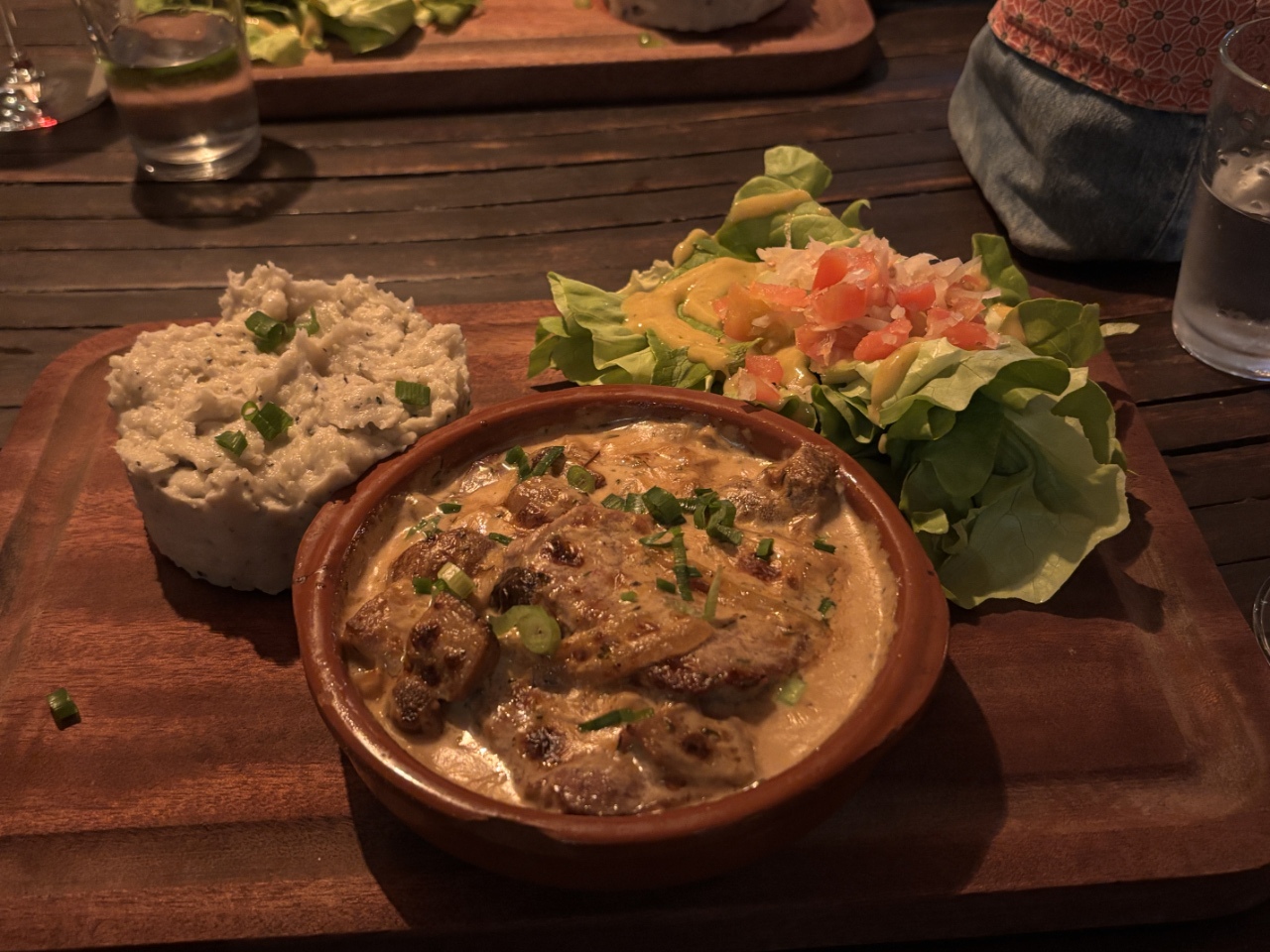 Chai De L'Hippodromerestaurant, Anse Vata, NC
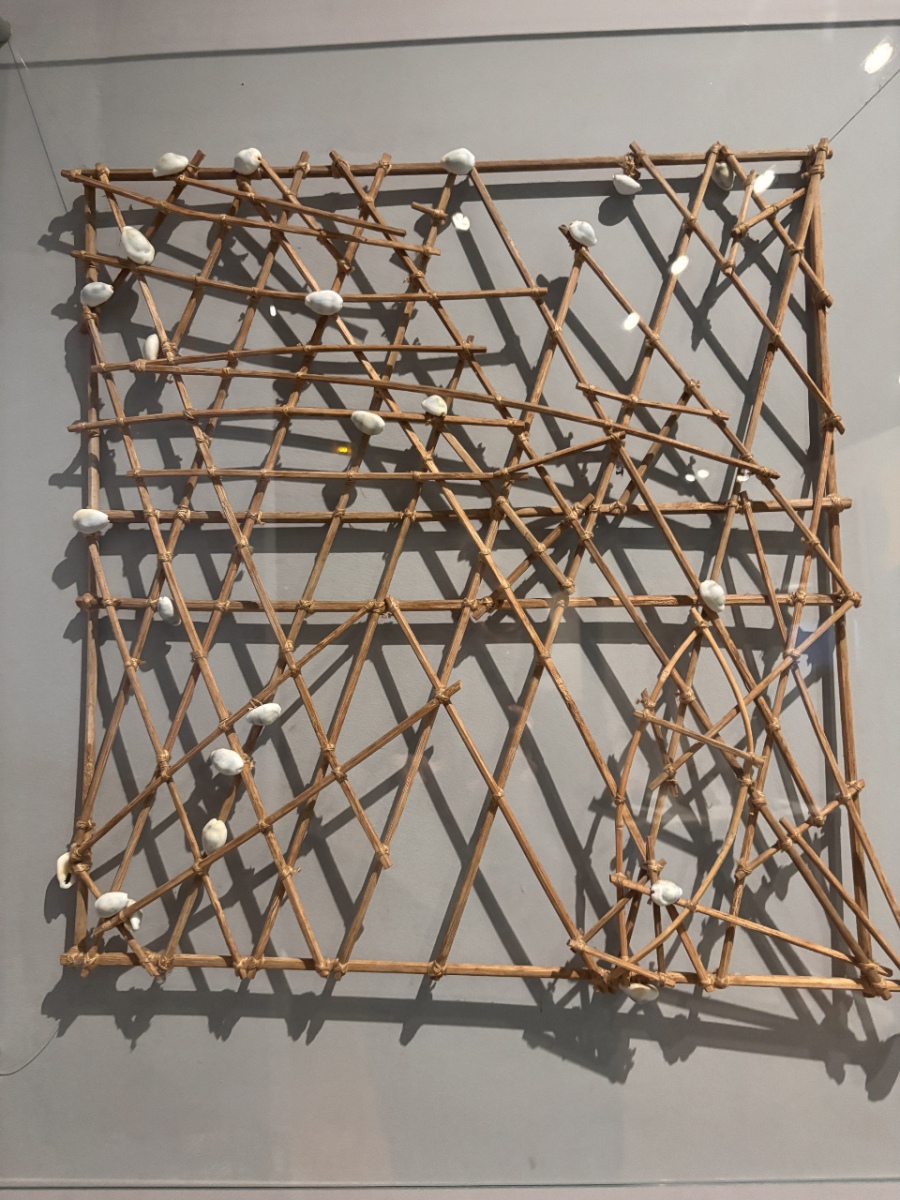 Musee Maritime, Noumea NC
 Musee Maritime, Noumea NC. Model of the Phare Amédéé (lighthouse of Amedee)
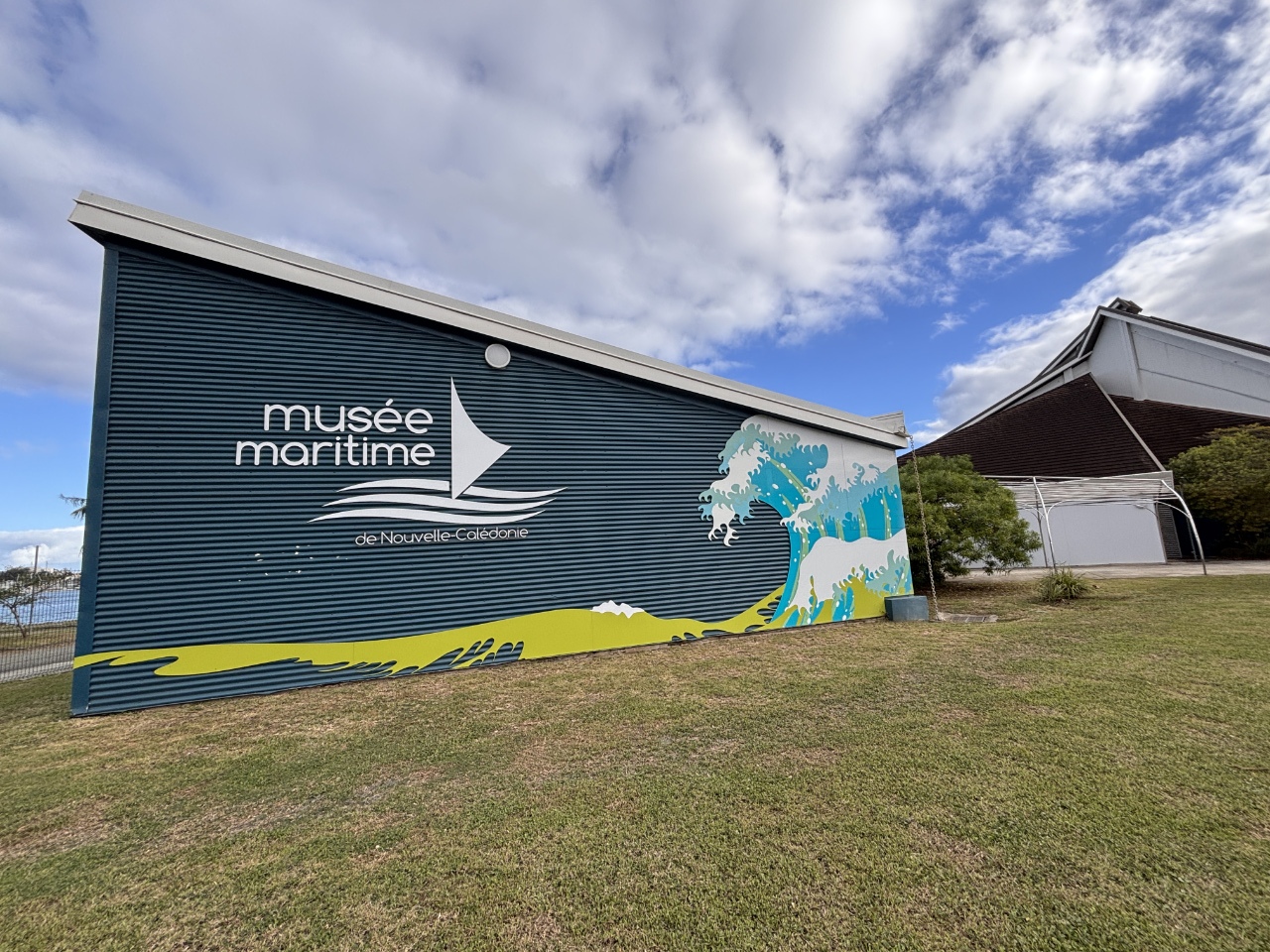 Musee Maritime, Noumea NC
 Outside the Musee Maritime, Noumea NC
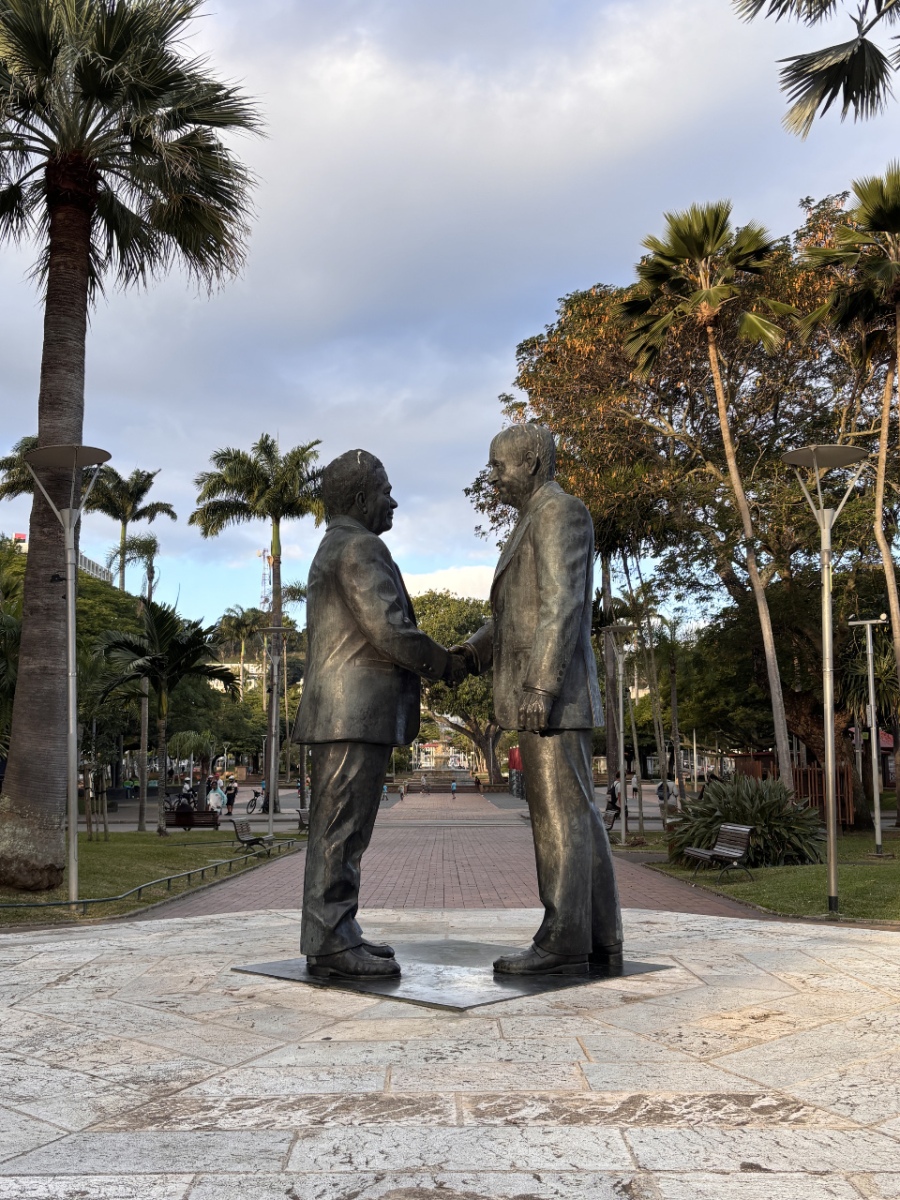 Place de la Paix, Square Orly, Noumea NC
 Fontaine Céleste, Place des Cocotiers, Noumea NC
 Plage de l'Anse Vata, Noumea NC and board rider
 Boadriders returning along Plage de l'Anse Vata, Noumea NC
 Plage de l'Anse Vata, Noumea NC
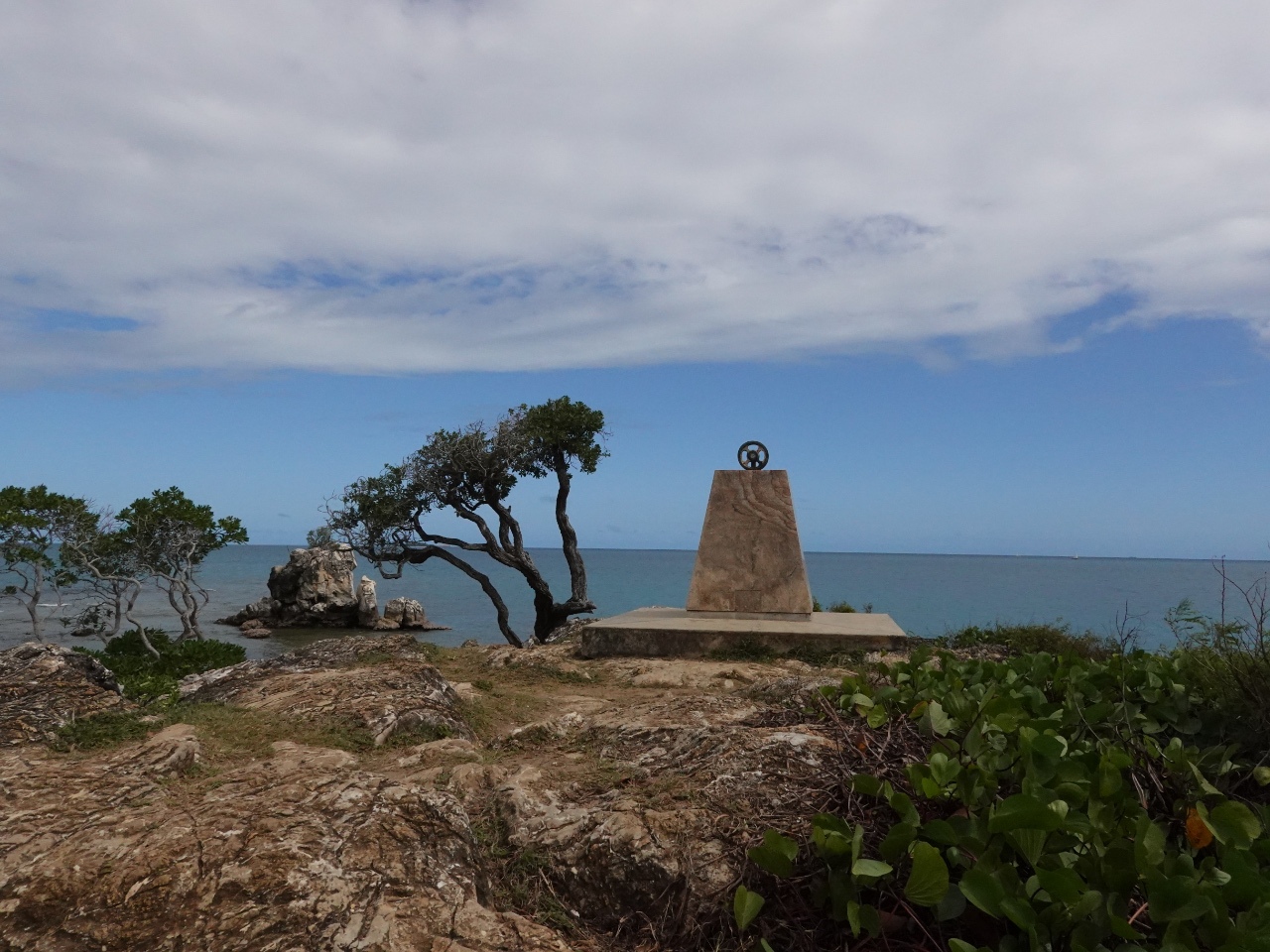 Monument to La Perouse, French explorer. Noumea NC
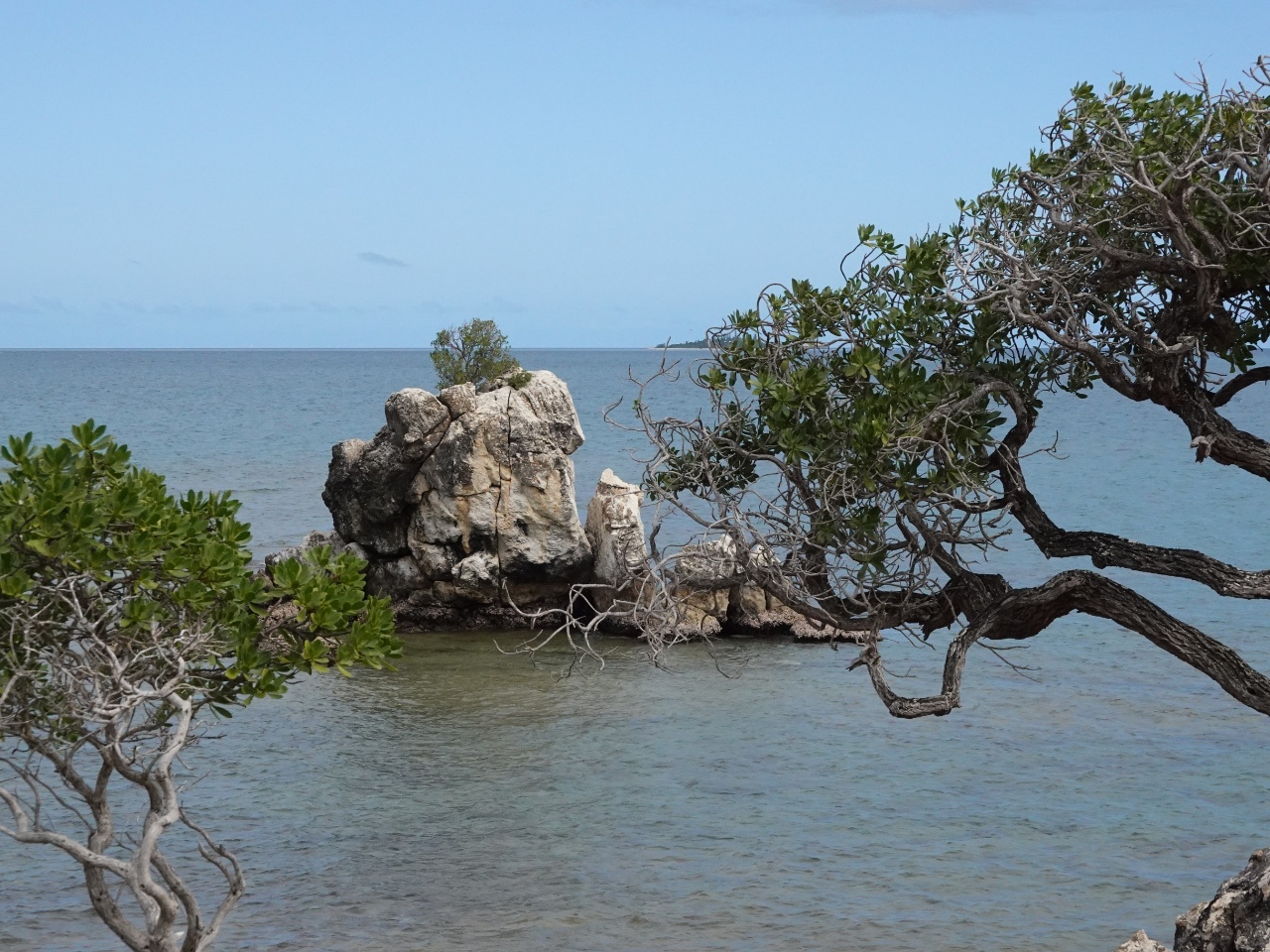 Rocher à la voile, Noumea NC
 Stormy skies around Rocher à la voile, Noumea NC
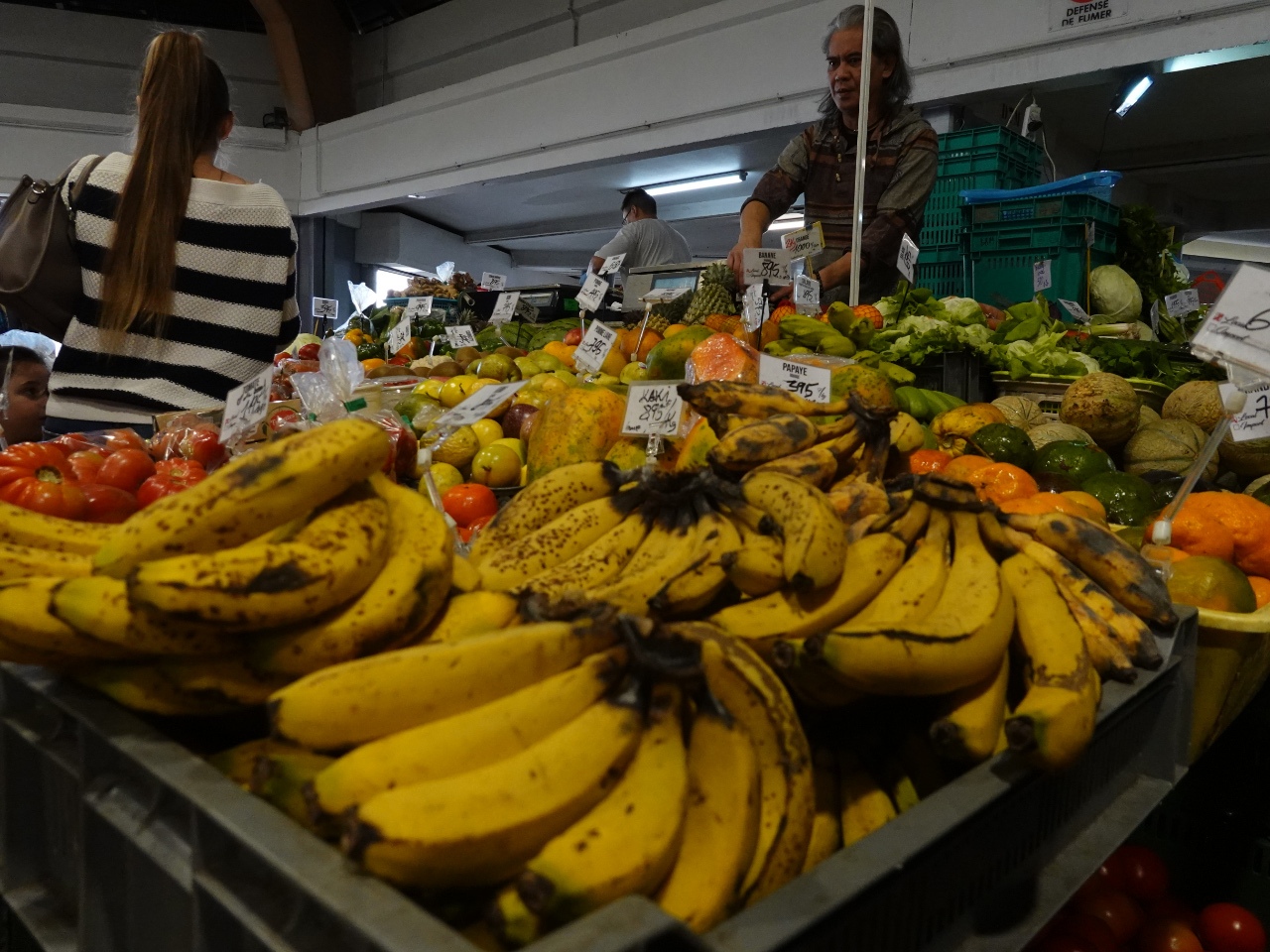 Grand Market of Noumea NC
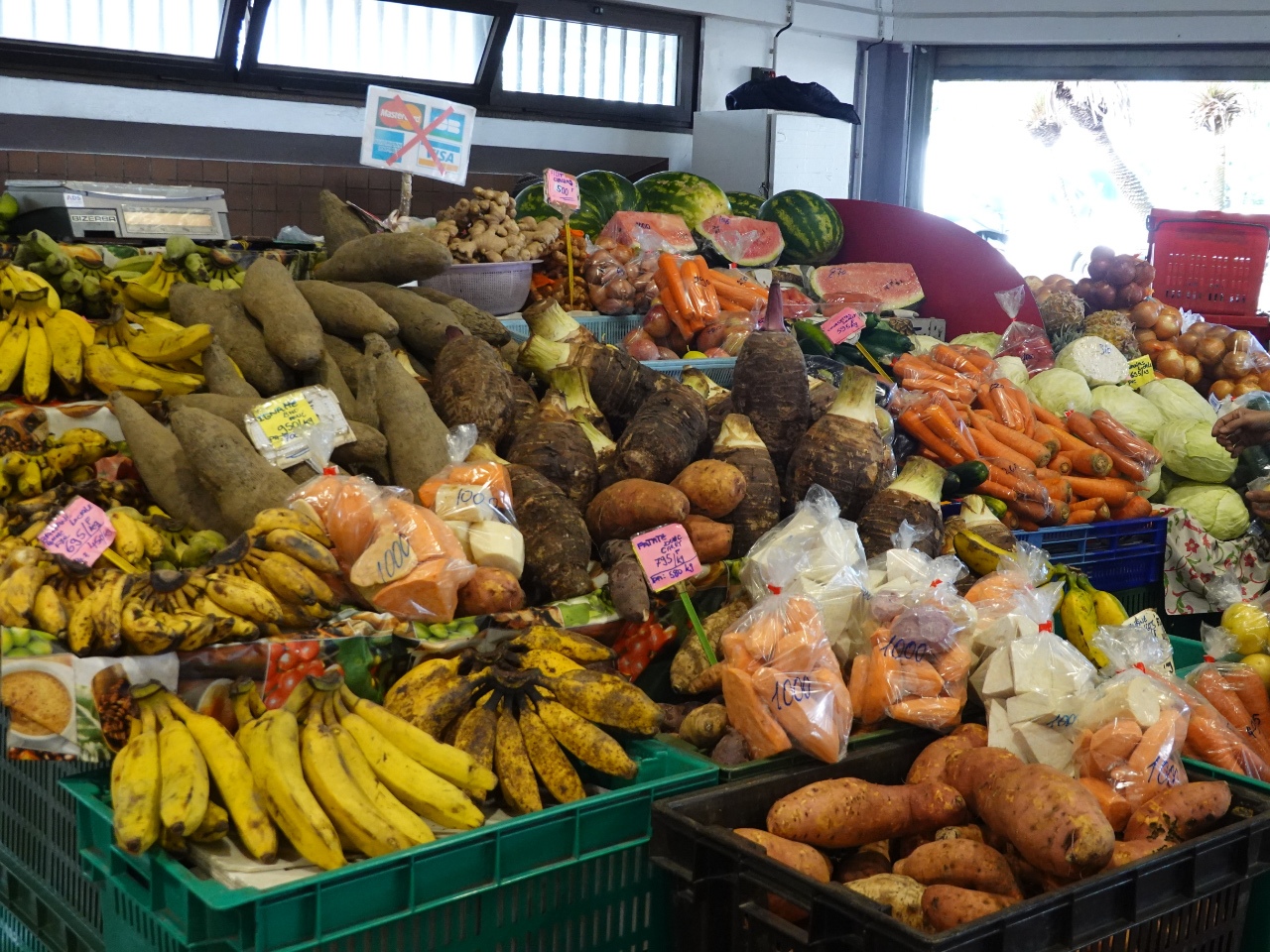 Grand Market of Noumea NC
 Igname (yams), Grand Market of Noumea NC
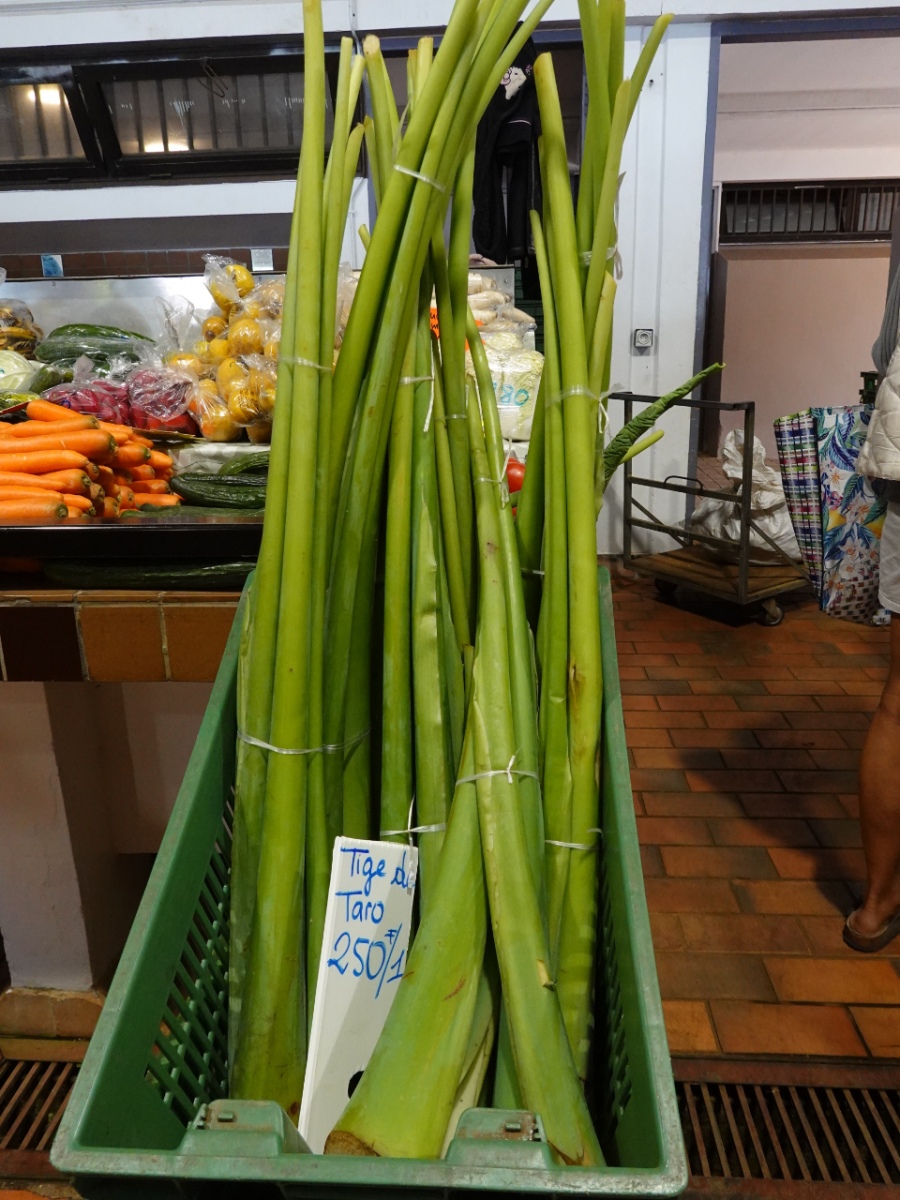 Taro stalk, Grand Market of Noumea NC
 Cassava roots. Grand Market of Noumea NC
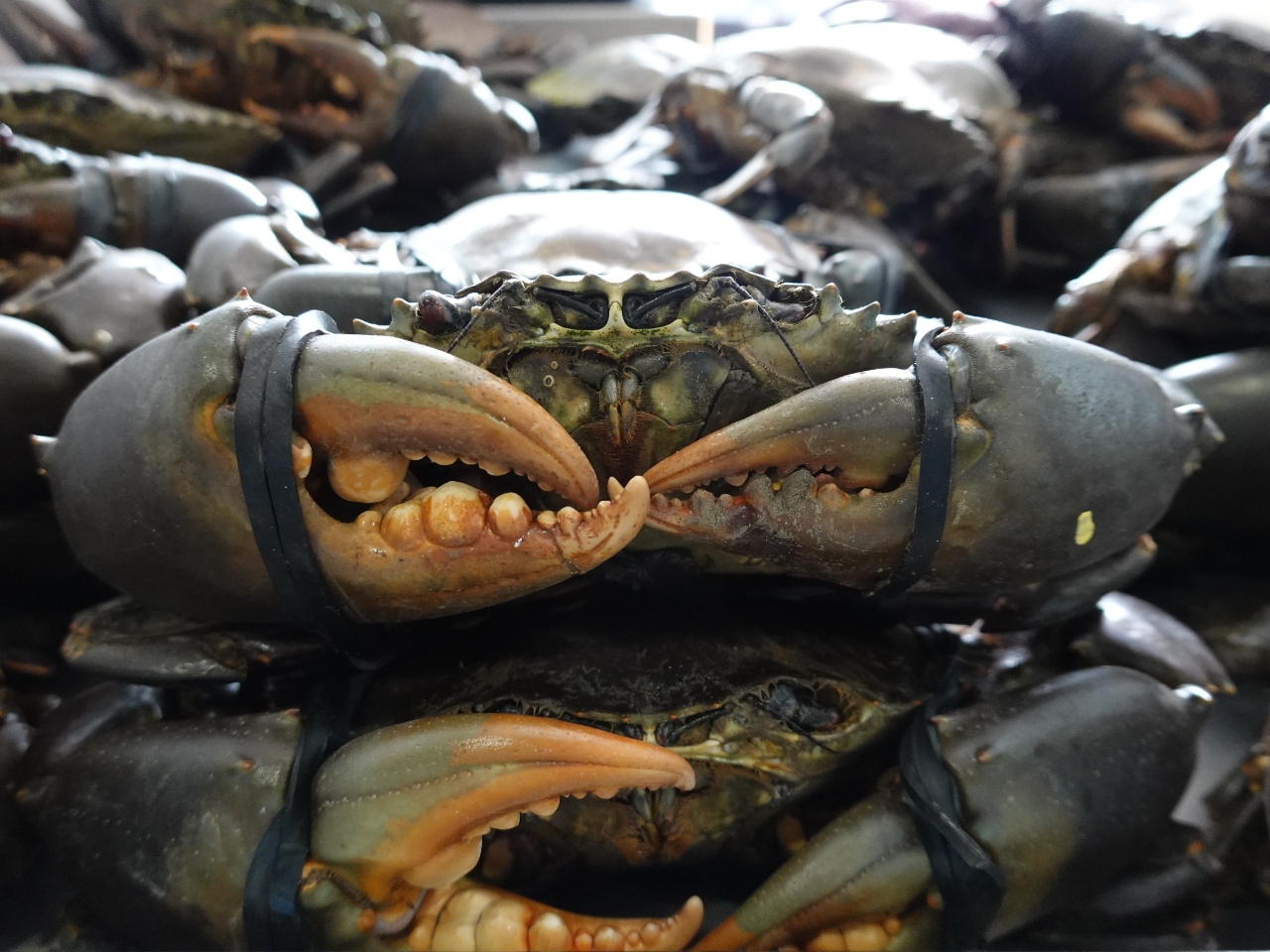 Coconut crabs. Grand Market of Noumea NC
 Grand Market of Noumea NC
 Fish market in the Grand Market of Noumea NC
 Fish market in the Grand Market of Noumea NC
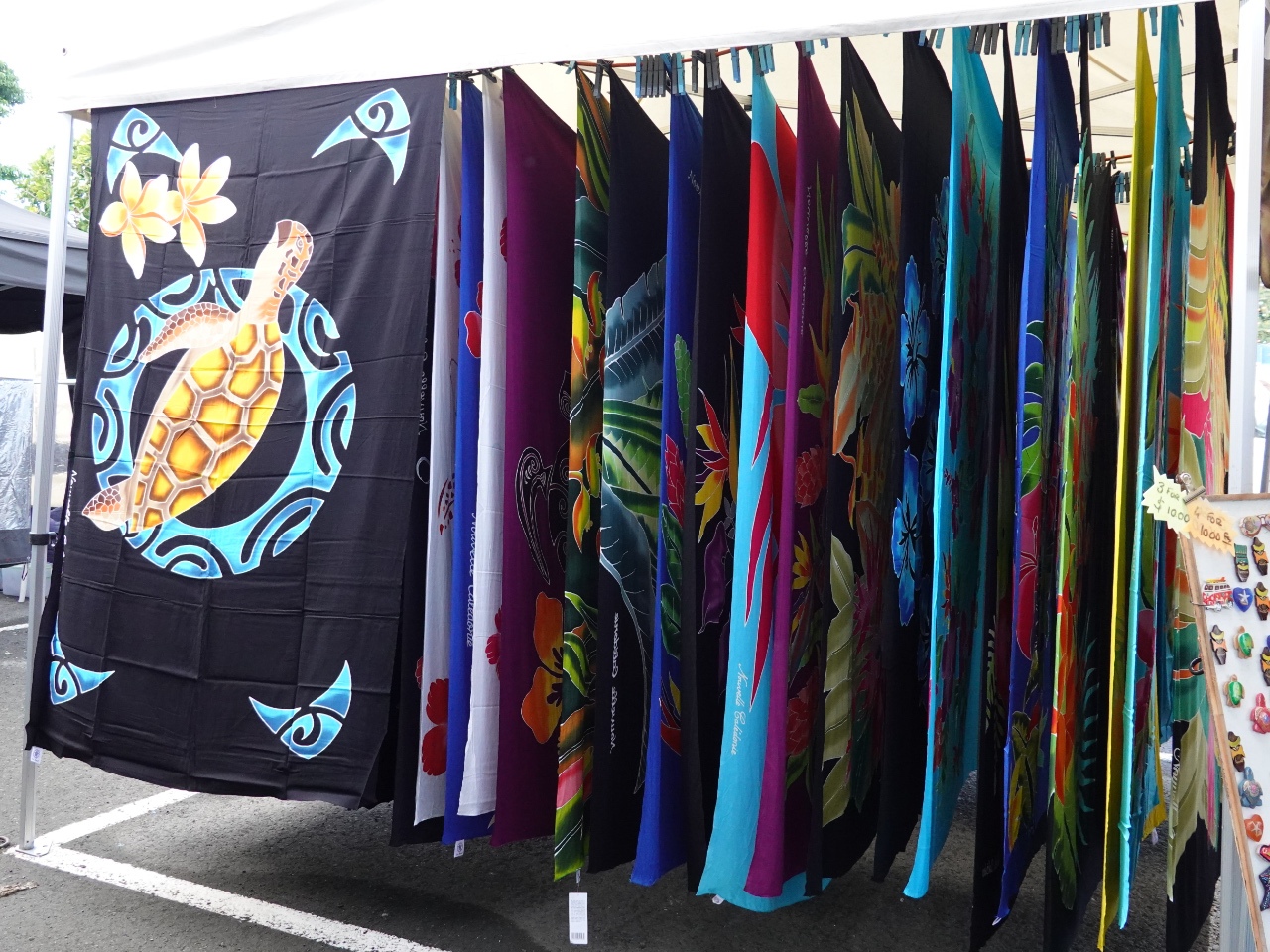 Souvenirs. Grand Market of Noumea NC
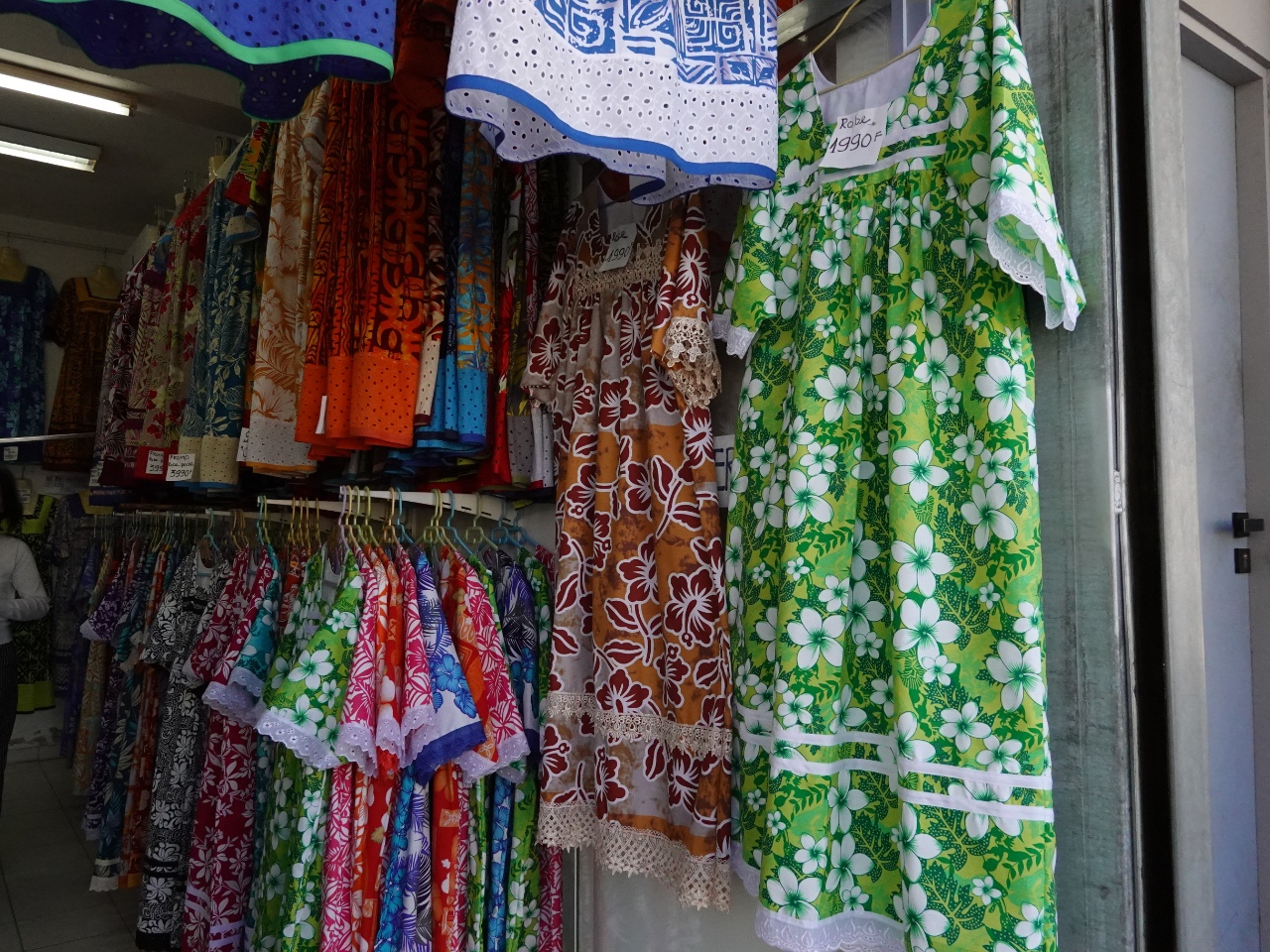 Robes missions (Mission Dresses) in Noumea NC
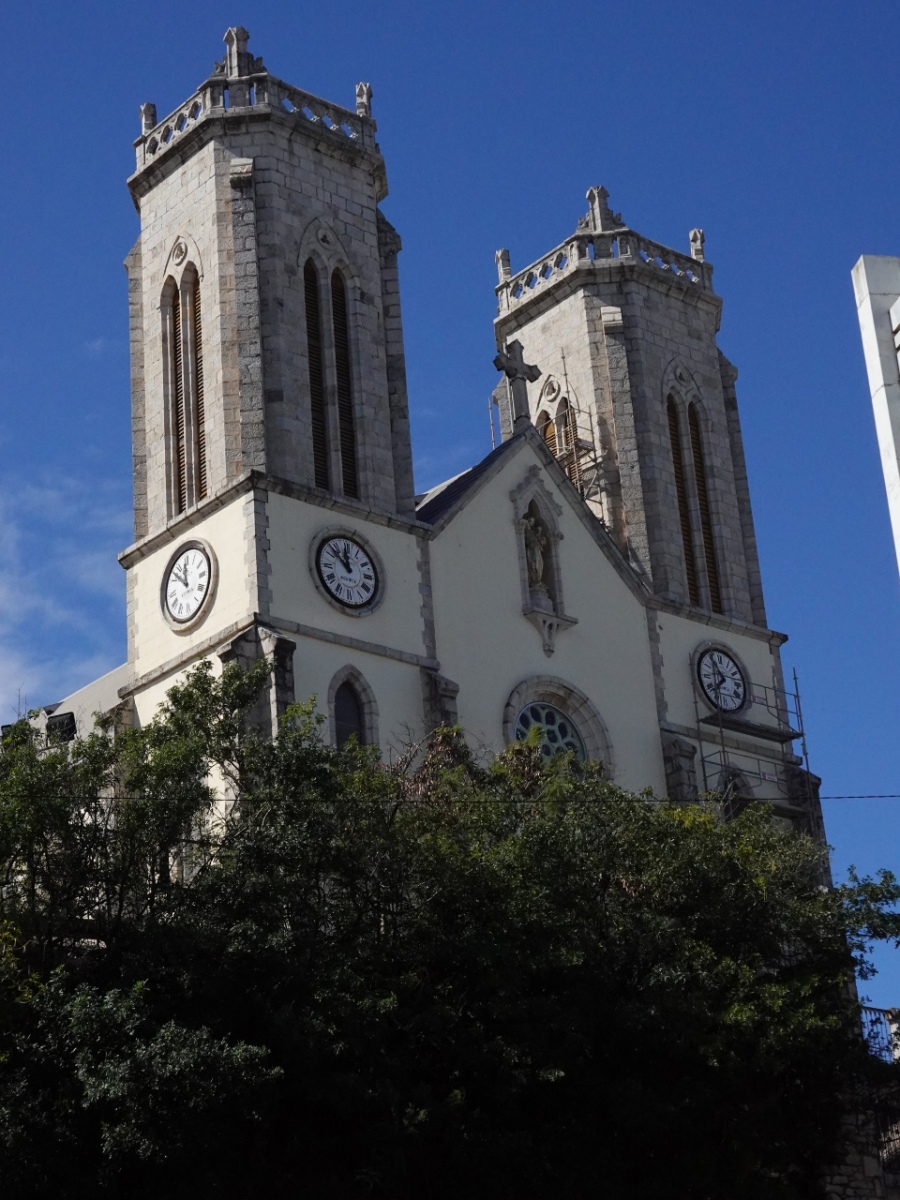 Cathédrale Saint-Joseph à Nouméa NC
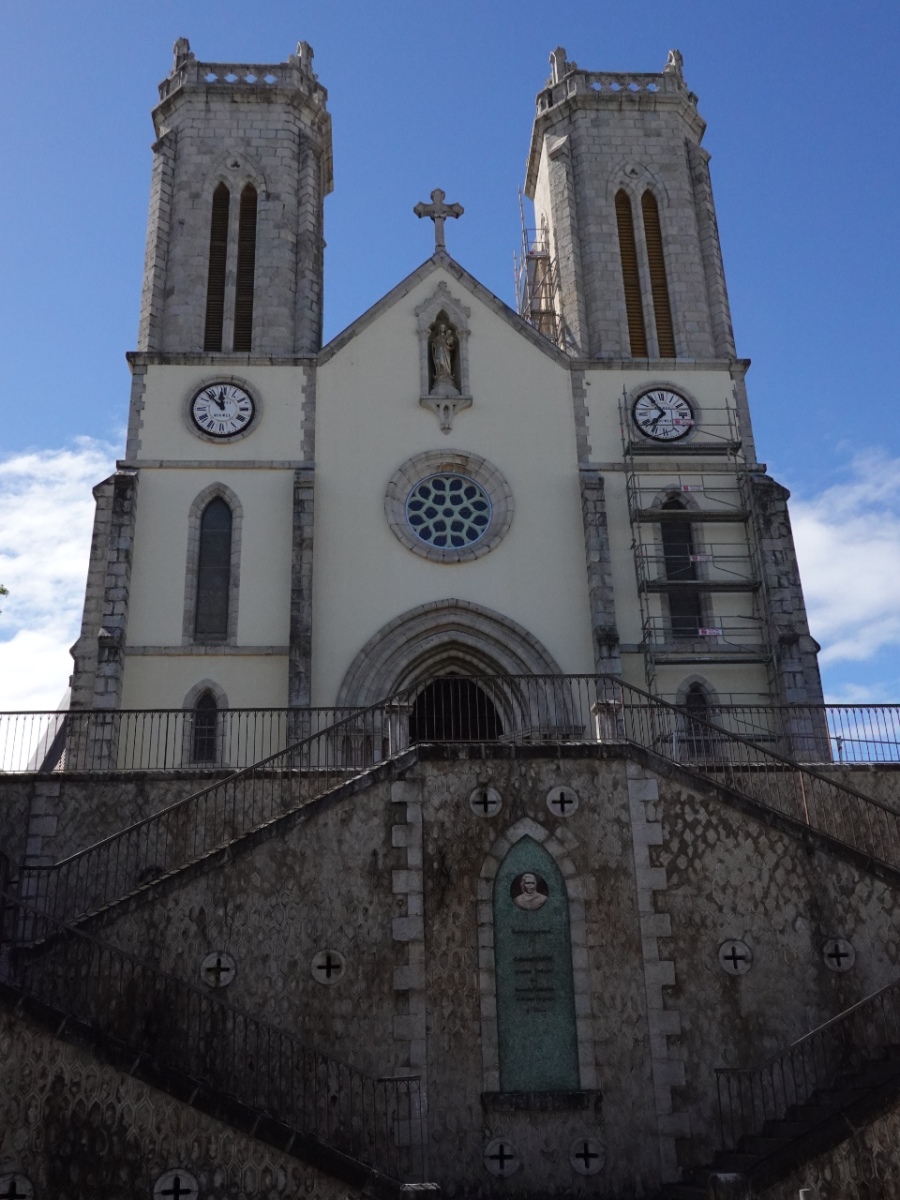 Cathédrale Saint-Joseph à Nouméa NC
 Cathédrale Saint-Joseph à Nouméa NC
 Cathédrale Saint-Joseph à Nouméa NC
 Joan of Arc statue, Cathédrale Saint-Joseph à Nouméa NC
 Playing chess in the Place Feillet, Noumea NC
 Totem, Place Feillet, Noumea NC
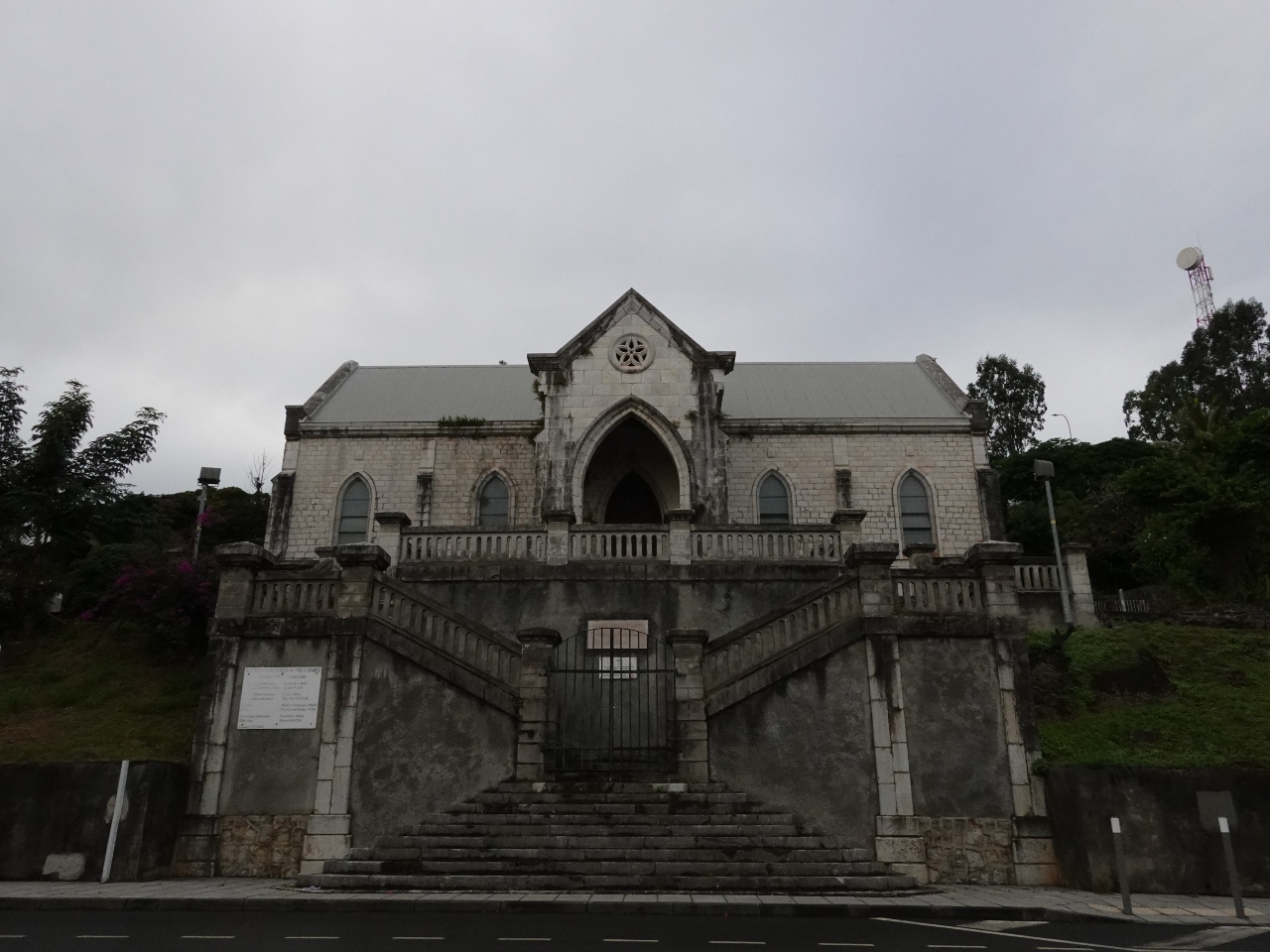 Protestant Church of Noumea NC
 Museum of WW2, Noumea NC
 A long lunch of mussels and beer/wine at Les 3 Brasseurs (3 brewers), Plage de la Baie des Citrons, Noumea NC
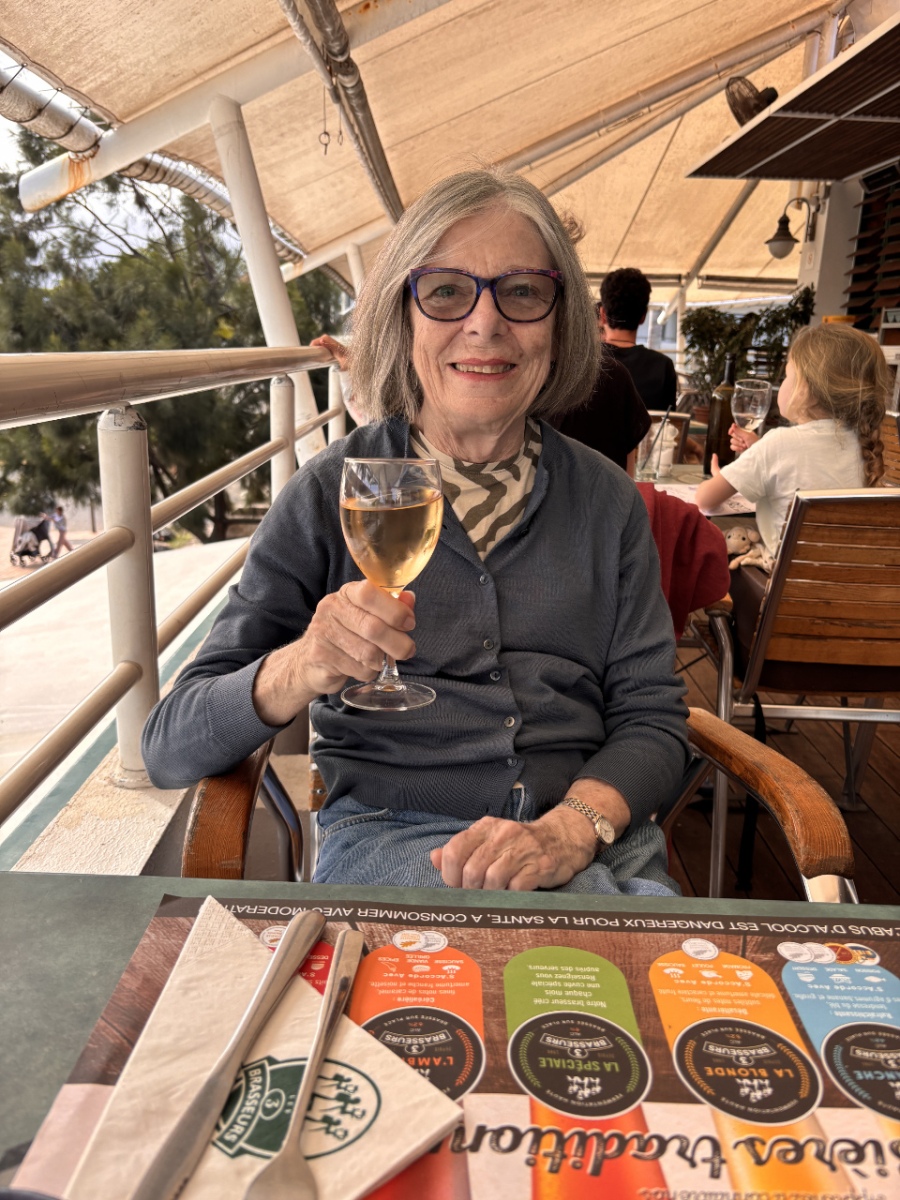 A long lunch of mussels and beer/wine at Les 3 Brasseurs (3 brewers), Plage de la Baie des Citrons, Noumea NC
 A long lunch of mussels and beer/wine at Les 3 Brasseurs (3 brewers), Plage de la Baie des Citrons, Noumea NC
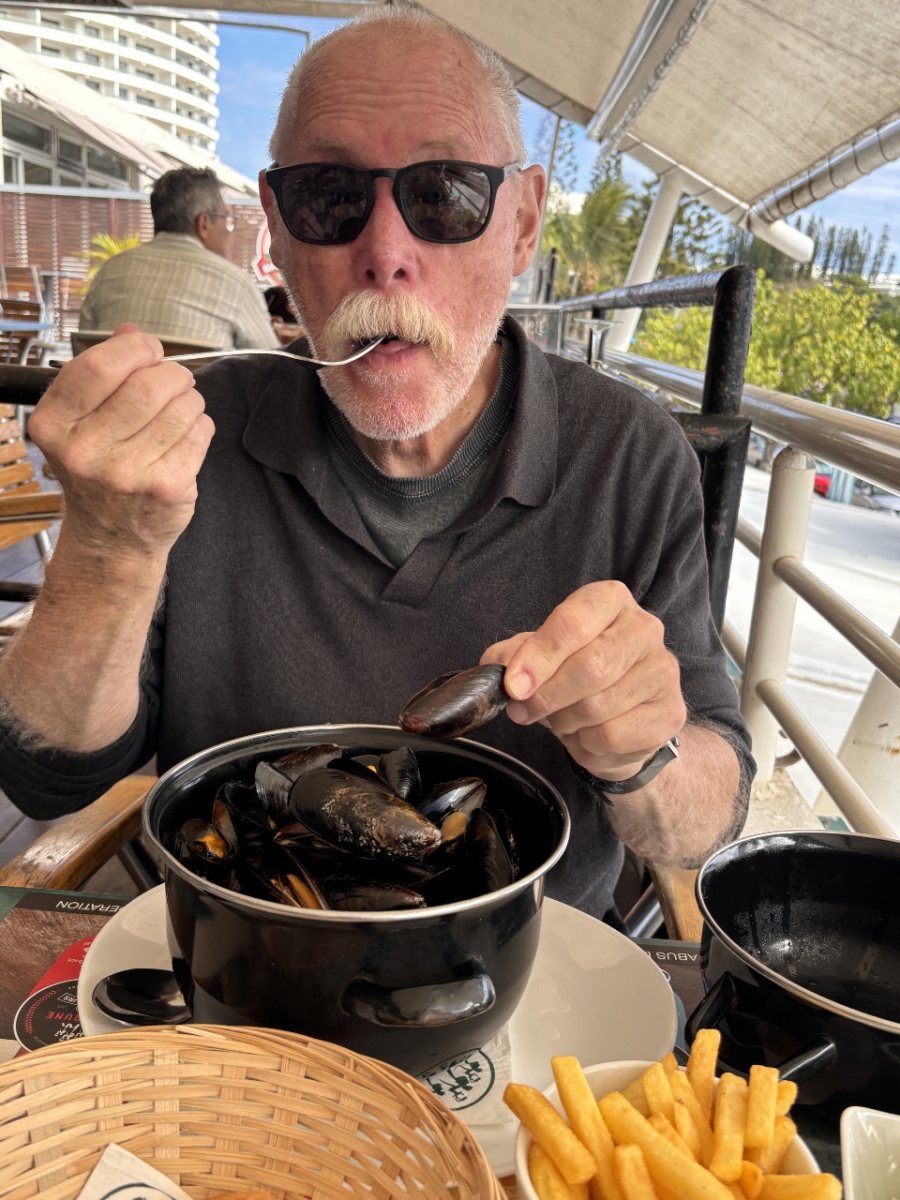 A long lunch of mussels and beer/wine at Les 3 Brasseurs (3 brewers), Plage de la Baie des Citrons, Noumea NC
 Plage de la Baie des Citrons, Noumea NC
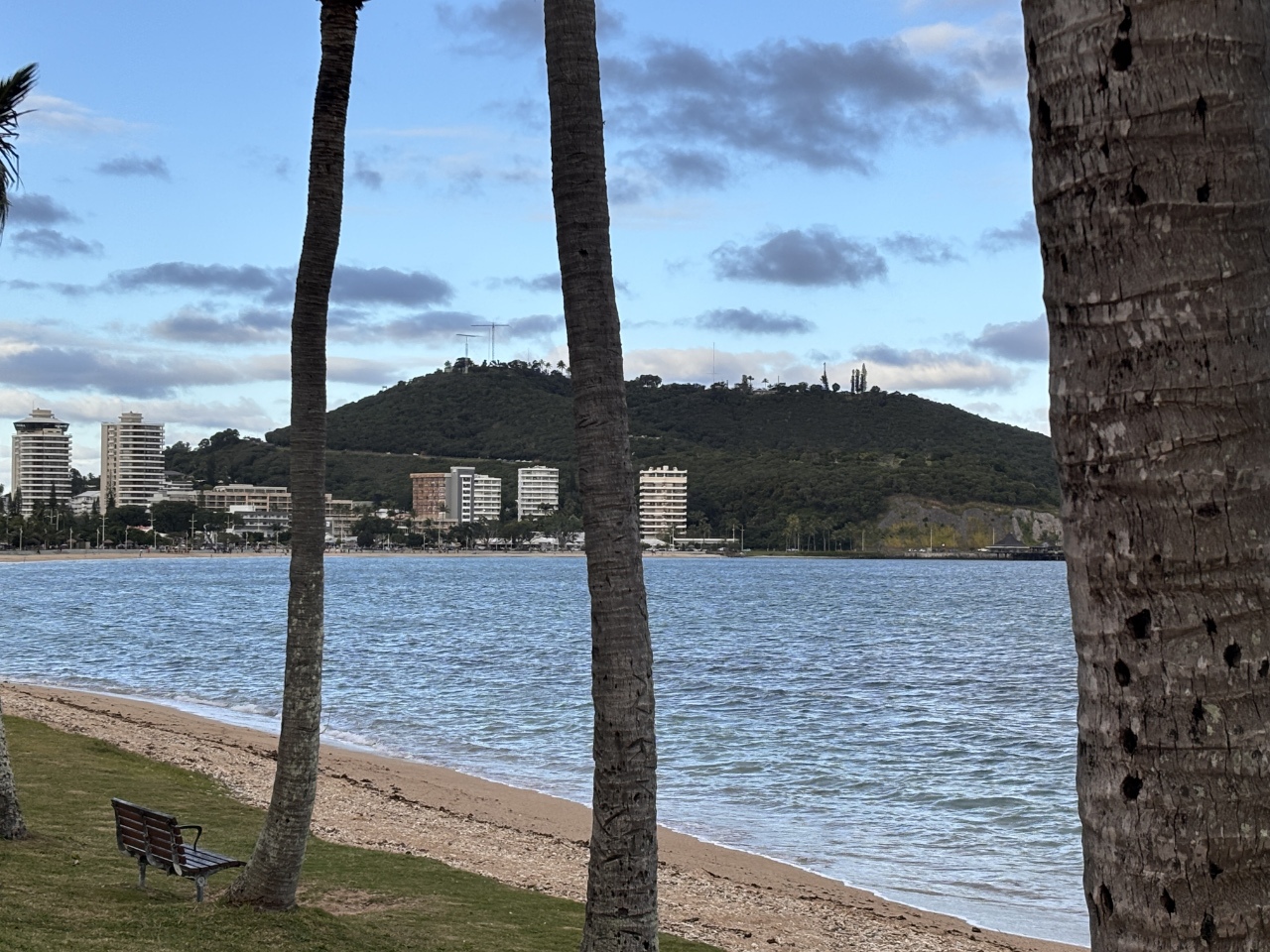 Plage de la Baie des Citrons, Noumea NC
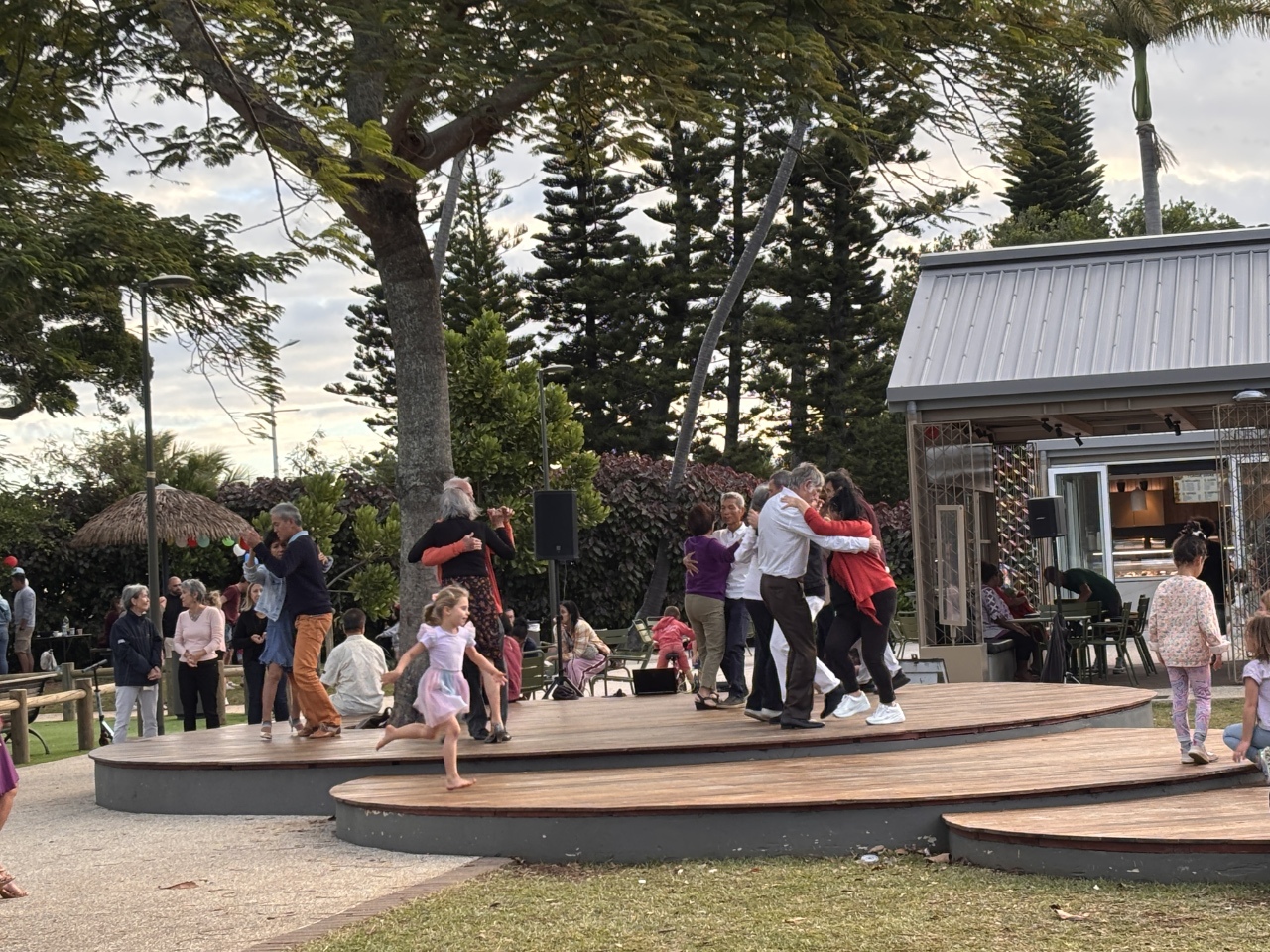 Dance time near the Plage de l'Anse Vata, Noumea NC
 Plage du Méridien, Noumea NC
 Plage du Méridien, Noumea NC
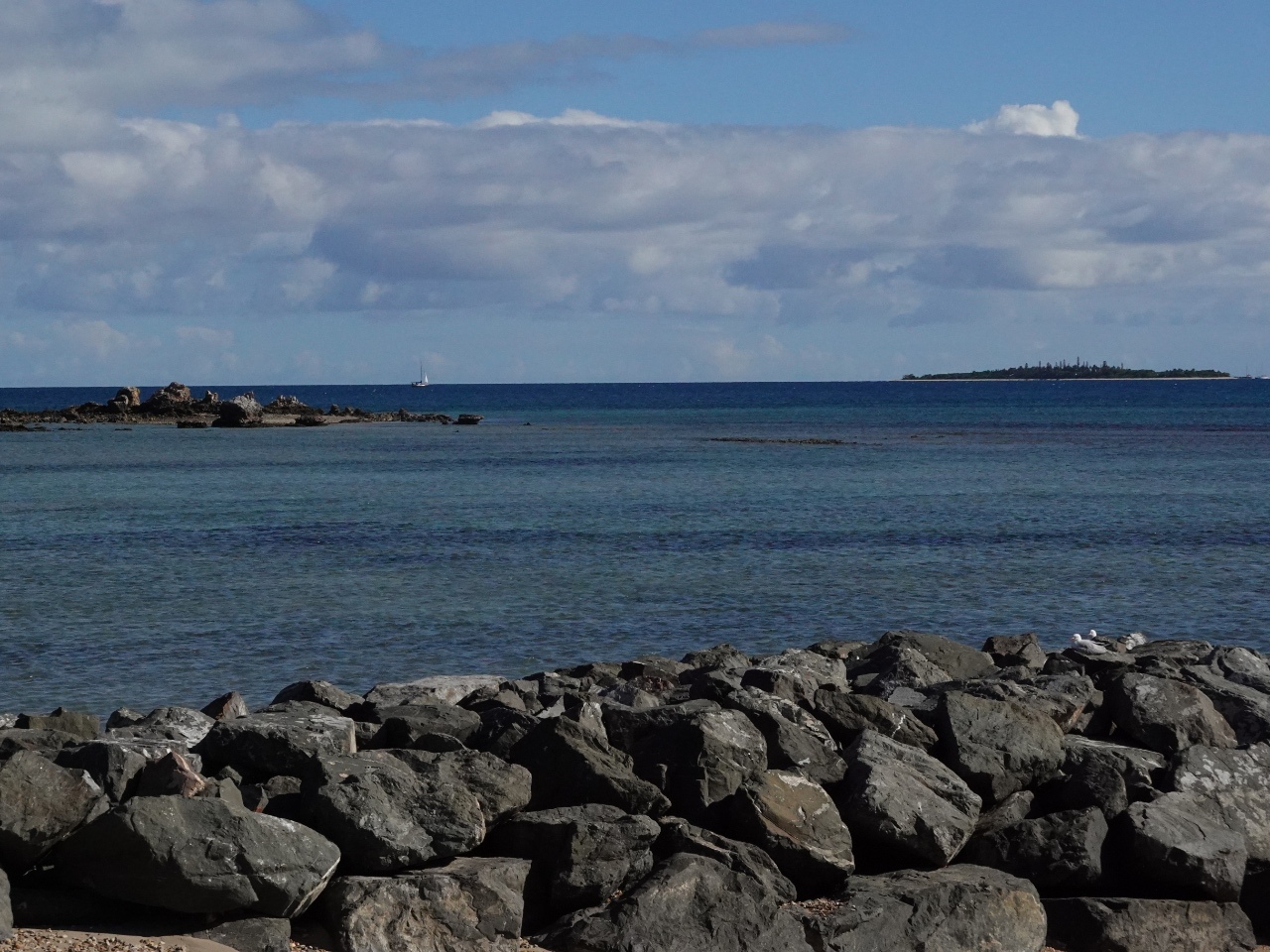 Plage du Méridien, Noumea NC
 Thea strolling along Plage de l'Anse Vata, Noumea NC
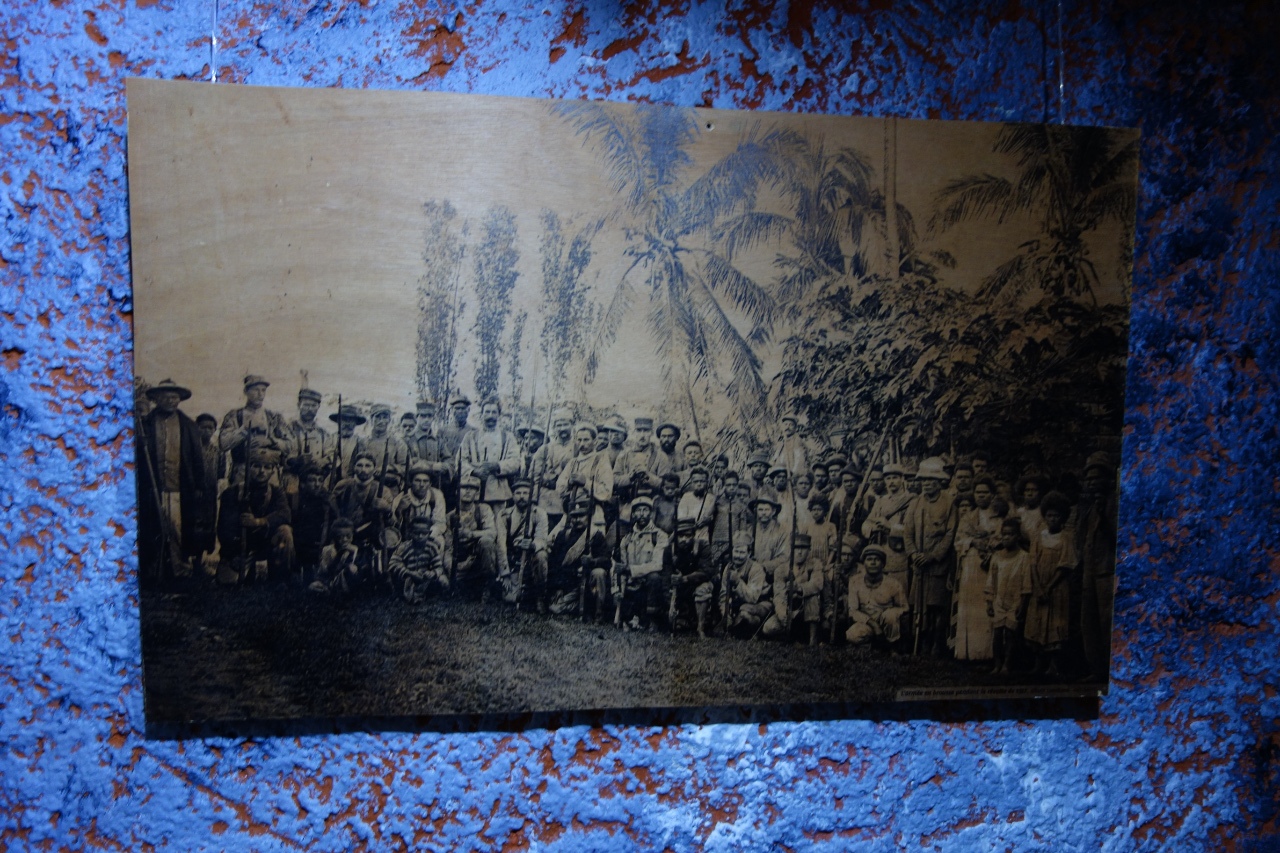 Musée de la Ville. Noumea NC
 Musée de la Ville. Noumea NC
 Quartier Asiatique (Asia quarter), Noumea NC
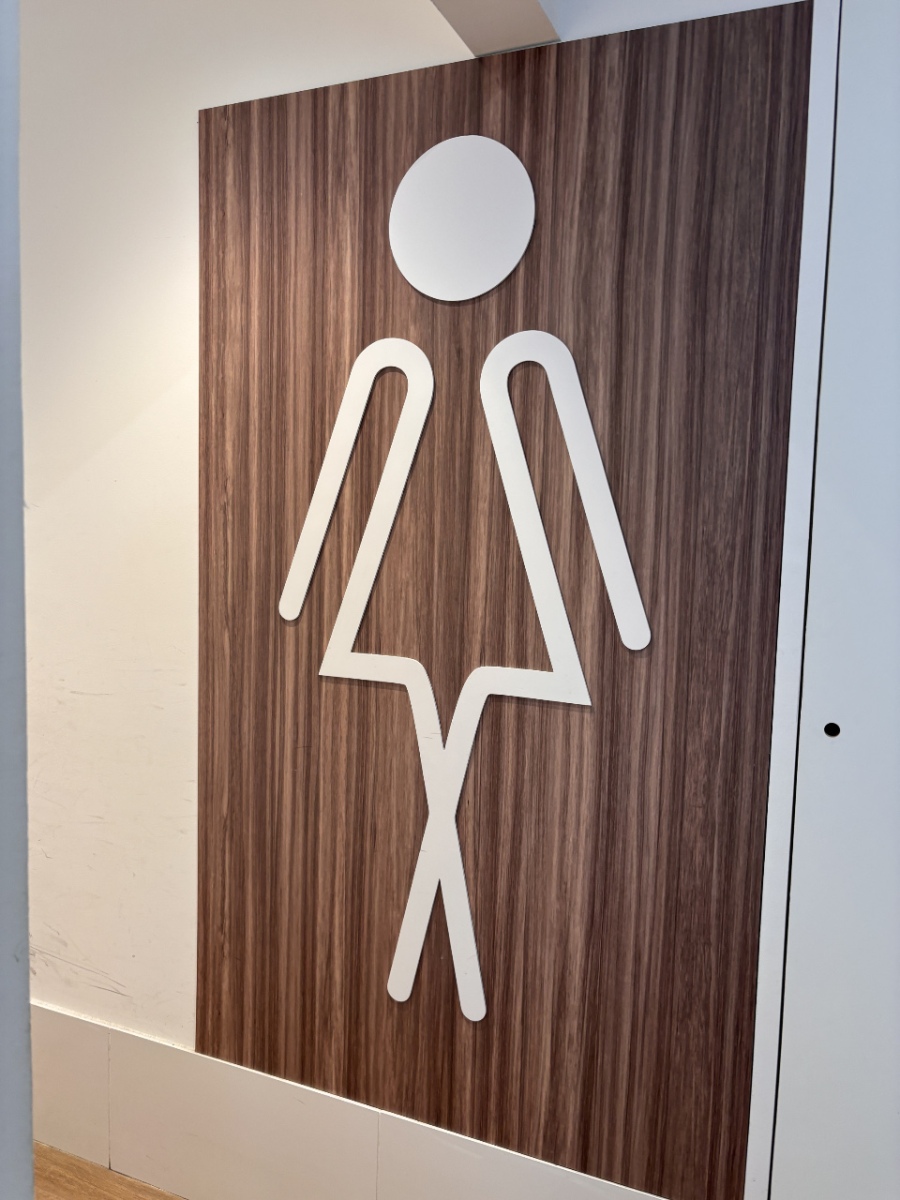 Ladies' toilet symbols, Tantouta Airport, New Caledonia
 Ladies' toilet symbols, Sydney airport
 Ladies' toilet symbols, Melbourne airport