19 to 27 March 2026
The last part of our journey in Morocco was big cities, a change after deserts and mountains.
We started our tour of Marrakesh in the new town of Gueliz. Christians were not allowed to live in the old city, they had to live outside. In their early days they built churches, so this area takes its name from the French word for church église.
We were taken to admire the Katoubia Mosque. It’s the largest mosque here and one of the oldest in the world (built between 1184-1199). It is active, so not possible to visit inside.
Yves St-Laurent had retired here to Marrakesh. I really was looking forward to our visit to his gardens, Les Jardins Majorelle. It is a magnificent space of bamboo, cactus and very tall palms and a lot of running water. We saw frogs, fish, birds and turtles. I am sure YSL was inspired by these wonderful plants in his designs. The cactus appeared mostly to come from Mexico.
We were now contending with crowds of tourists, something we had not seen to date, and quite a challenge to take photos that didn’t include someone’s selfie.
We visited the Berber Museum within the gardens, which displayed a lot of artefacts from the most ancient people in North Africa. They were collected from the Rif Mountains to the Sahara by Pierre Bergé and Yves Saint Laurent. It was a wonderful follow up to our desert visits in Morocco and Tunisia. But, no photos.
The museum of Yves Saint Laurent was, at our visit, focused on his stage costumes starting with magnificent ballet costumes as a young man. I enjoyed seeing photos showing him as quite a young person. The museum included a fabulous display of outfits he designed for the French singer Sylvie Vartan and also for dancer and singer Zizi Jeanmaire. There was a lot of feathers and sequins in his costumes.
We spent the rest of the day wandering the medina and learning so much about North African life.
As we left Marrakesh we ran into a massive traffic jam – hundreds or even thousands of people streaming out of the Katoubia Mosque on the first day of Eid al-Fitr, marking the end of Ramadan. As we drove out of town we noticed children playing and snacking, We stopped at a café for coffee – finally coffee shops are open and men are smoking in the streets.
The people we spoke to about Ramadan have all said that it is actually a time of the year they like. It’s a time for reflection, spending time with the family, detoxing and generally looking after yourself.
Between Marrakesh and Fez we stopped at the Ksar El Aïn Asserdoun (fort) at Ben Mellal, a 17th century fortress perched on a clifftop to protect the local water supply. There was a mood of celebration on this holiday day, family groups, sharing selfies.
During Ramadan we have had to eat our lunch in private, but today we stopped at a restaurant en route and enjoyed the local salad and bread.
We were in a fertile area with groves of fruit trees, probably plums, cherries, apricots. Also cereal fields and a lot of sheep tended by shepherds. It is unusual to see sheep and goats fenced in.
We made an afternoon stop in Ifrane an alpine village at 1,680m. It looked more like France or Germany than Morocco, surrounded by cedar trees and with a tourist tram running in the streets.
After a mix up in hotels in Fez, we went out to find somewhere that served alcohol for dinner. Dinner at Restaurant L’Escale was a bonus when we met a delightful couple, Dan and Elizabeth from Romania. We returned the following two nights and enjoyed more lively conversations with our newest friends.
Our day in Fez was spent exploring the medina and the souks, rather quiet for the Eid holiday.
Our second day in Fez was a drive to Volubilis and Meknes.
Volubilis is the site of the most western Roman settlement found to date. It was developed for the all-important olives, native to this area. Our guide Mohammed was very informative and also sympathetic to our need to take photos. As well as interesting stories about the settlement, he pointed out Acanthus (specifically Acanthus mollis or Acanthus spinosus), often called Bear’s Breeches which he explained was the inspiration for the decoration on Corinthian columns.
One of our best lunches in Morocco was at the nearby Roman City Restaurant. A variety of pulses and meats in wonderful sauces and the all important Moroccan salad, washed down with their local lemon juice.
We were travelling through the middle Atlas mountains, a lower level fertile area, supporting olives and other fruits and cereal crops. Cows and sheep were tended by herders. Donkeys are an important local transport, particularly climbing up hilly paths between villages. We made an interesting stop at a roadside café/caravan, literally parked at an intersection in the middle of nowhere.
Our introduction to the blue village of Chefchaouen was at a lookout above the town where you can don Arabic style scarves and be photographed embraced by a heart.
Our driver helped us search for some beer or wine in Chefchaouen, but none could be found – a couple of dry nights awaited us.
We took a long walk through the main town, admiring the blueness of the local buildings.
The next day our driver took us up the hill, from where we could explore the old medina.
We stopped at the Ethnographic Museum in Plaza Uta el-Hammam, which was rather disappointing, however it was set in delightful Andalusian gardens of a 15th-century Kasbah. We climbed the beautiful Portuguese Tower for a view of the village.
The medina is a photographer’s paradise – beautiful blue and white buildings and colourful local artefacts. It was a great place to “get lost” and then find your way back.
We enjoyed our standard lunch of Moroccan salad with bread before returning to our hotel to rest before dinner.
It was a shorter drive to Tangiers and we arrived in time to take a short walk before settling into a more civilized bar and restaurant.
A famous part of this medina is the American Legation house. Morocco was the first country to offer the new United States a consulate.
Our day tour of Tangier took in the Medina, which is very much more orderly others we had visited. The influence of Europe was evident, as were the day trippers. It is a short boat trip from Algeciras in Spain. The OpenFerry web site says it all…
Prepare for a thrilling ferry journey between two continents! The trip from Algeciras to Tangier Med is your fast and direct gateway from the sunny shores of Spain to the vibrant heart of Morocco.
As you depart from the bustling port of Algeciras, you’ll be treated to a spectacular view of the iconic Rock of Gibraltar as you sail across the famous Strait. In no time at all, you’ll arrive at Tangier Med, Morocco’s modern and efficient port, just a short drive from the city of Tangier itself.
Here, a world of blended cultures awaits. Tangier is a city where historic medinas meet elegant boulevards, offering a unique mix of European and North African influences. Beyond the city, a landscape of adventure unfolds, offering easy access to the majestic Rif Mountains and the captivating blue town of Chefchaouen. Opting for the ferry means a seamless, stress-free journey with the freedom to bring your own vehicle. This short but scenic crossing is the perfect way to begin your Moroccan adventure, with the unique thrill of arriving by sea.
In the afternoon we toured around Tangiers, visiting Cap Spartel, where the Mediterranean Sea meets the Atlantic Ocean and the iconic Hercules Cave. New modern suburbs showed off a more wealthy part of Morocco – but it lacked the wonderful atmosphere the old cities have.
And it was back to our hotel for an early, with alcohol, dinner and preparation for an early departure for Spain. The only down side was the hideous Ryan Air flight.
This is a story about travelling from Marrakesh to Tangiers. I’ve written more about the medinas and souks of Marrakesh, Fez and Tangiers here.
 Koutoubia Mosque, Marrakech MA
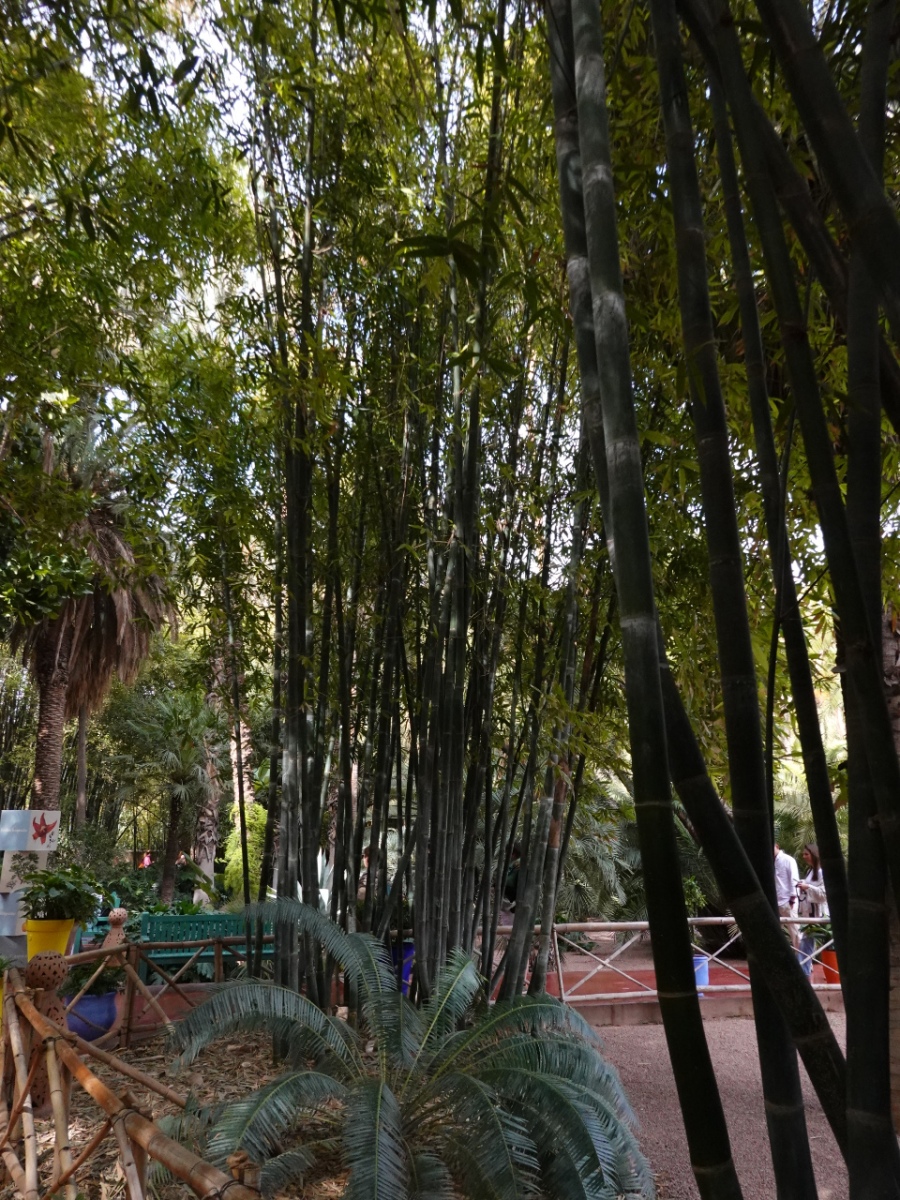 Yves St Laurent's Majorelle Garden, Marrakesh MA. Bamboo path.
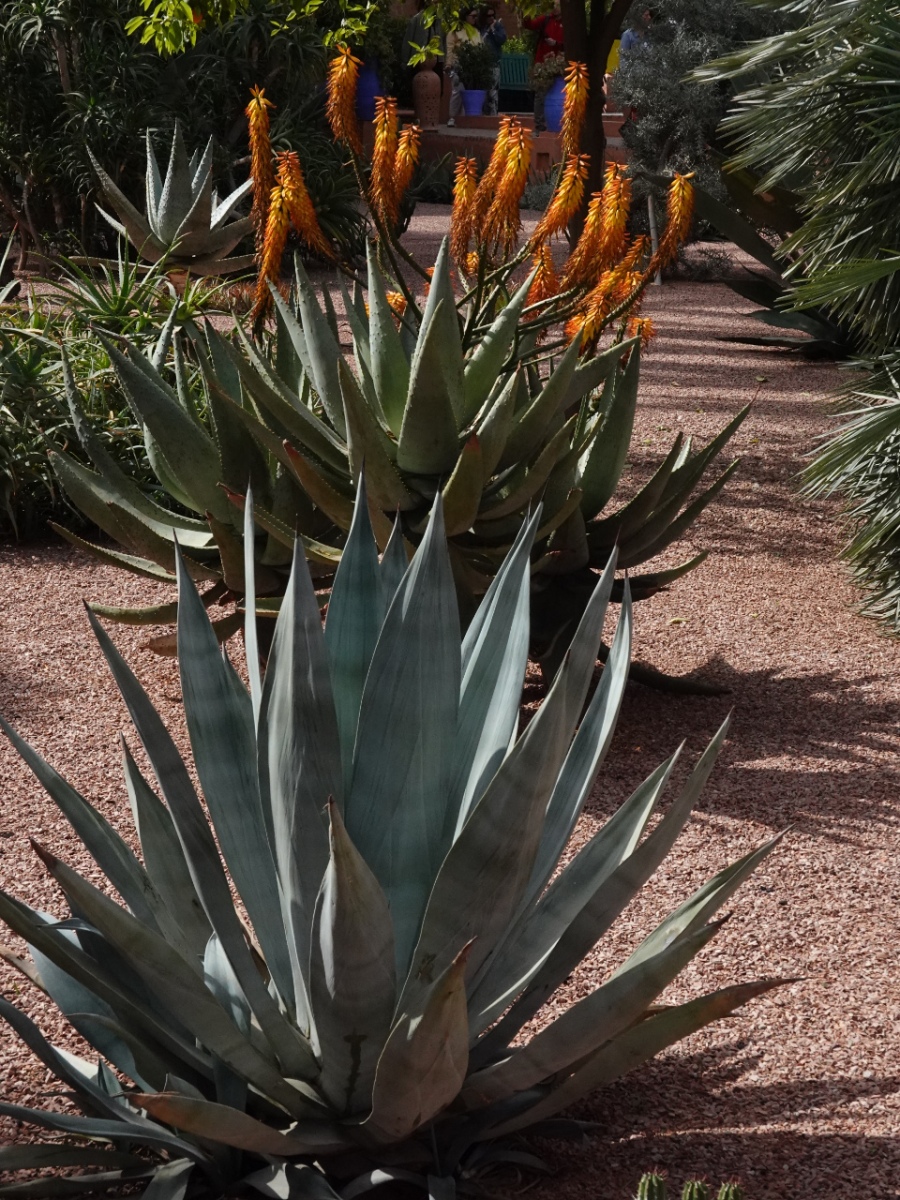 Yves St Laurent's Majorelle Garden, Marrakesh MA
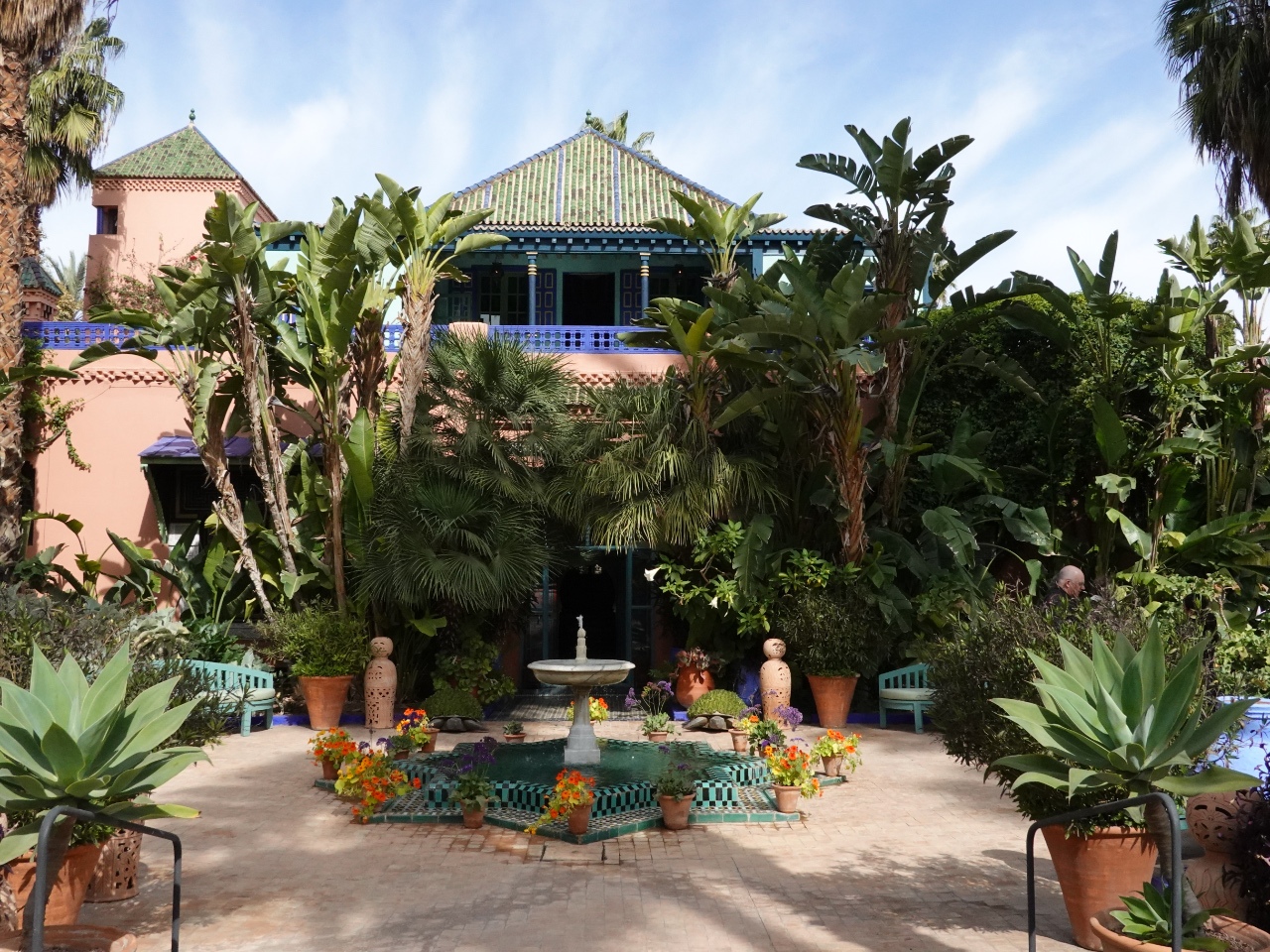 Yves St Laurent's Majorelle Garden, Marrakesh MA. The house.
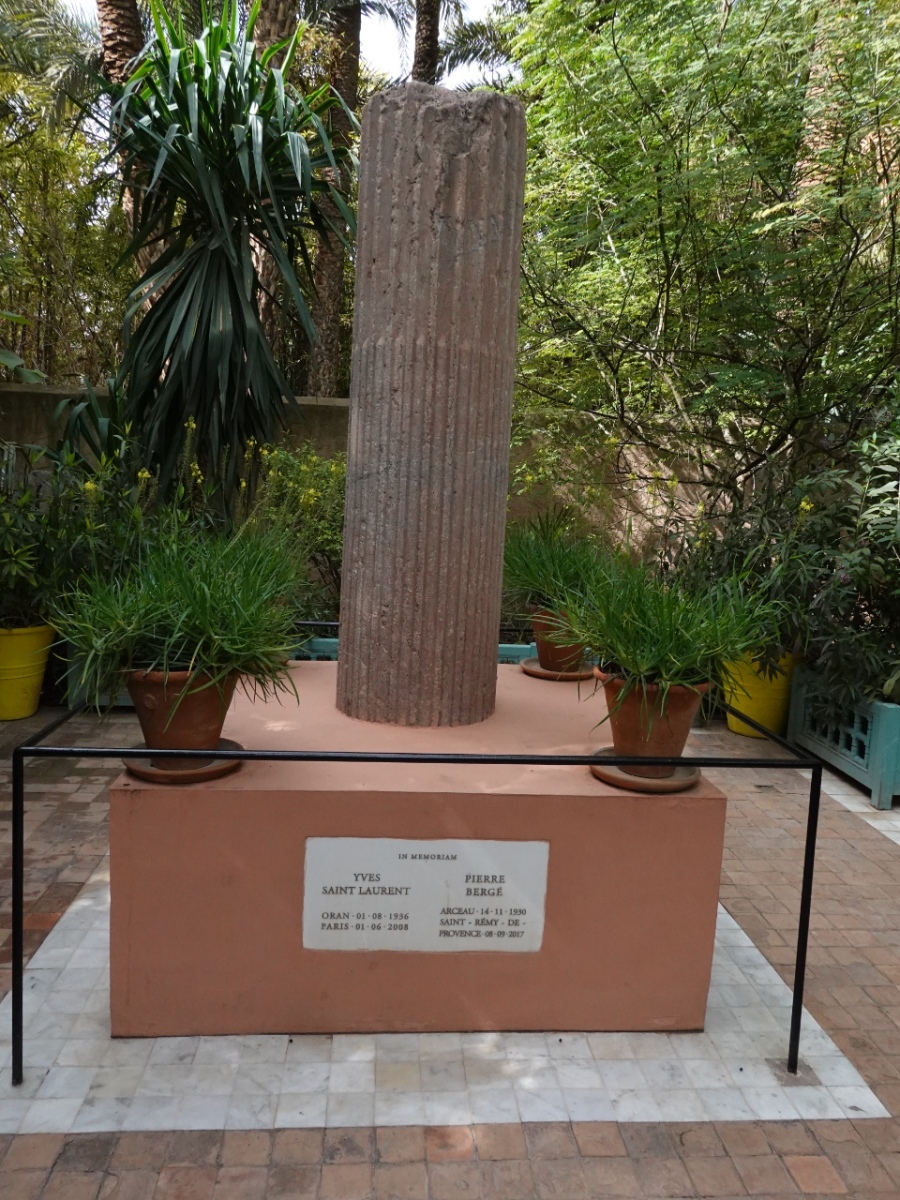 Yves St Laurent's Majorelle Garden, Marrakesh MA. Monument to YSL and Pierre Berge
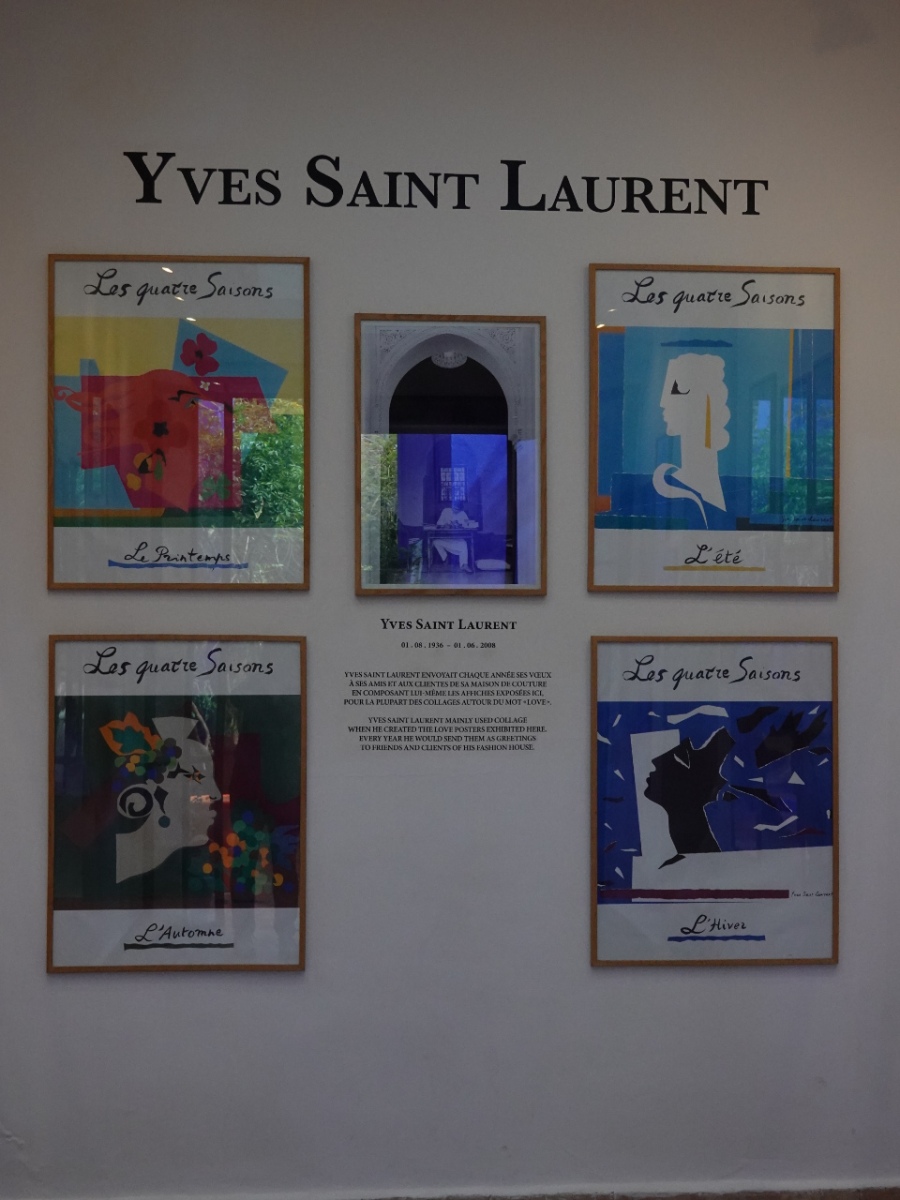 Yves St Laurent's Majorelle Garden, Marrakesh MA. Love posters.
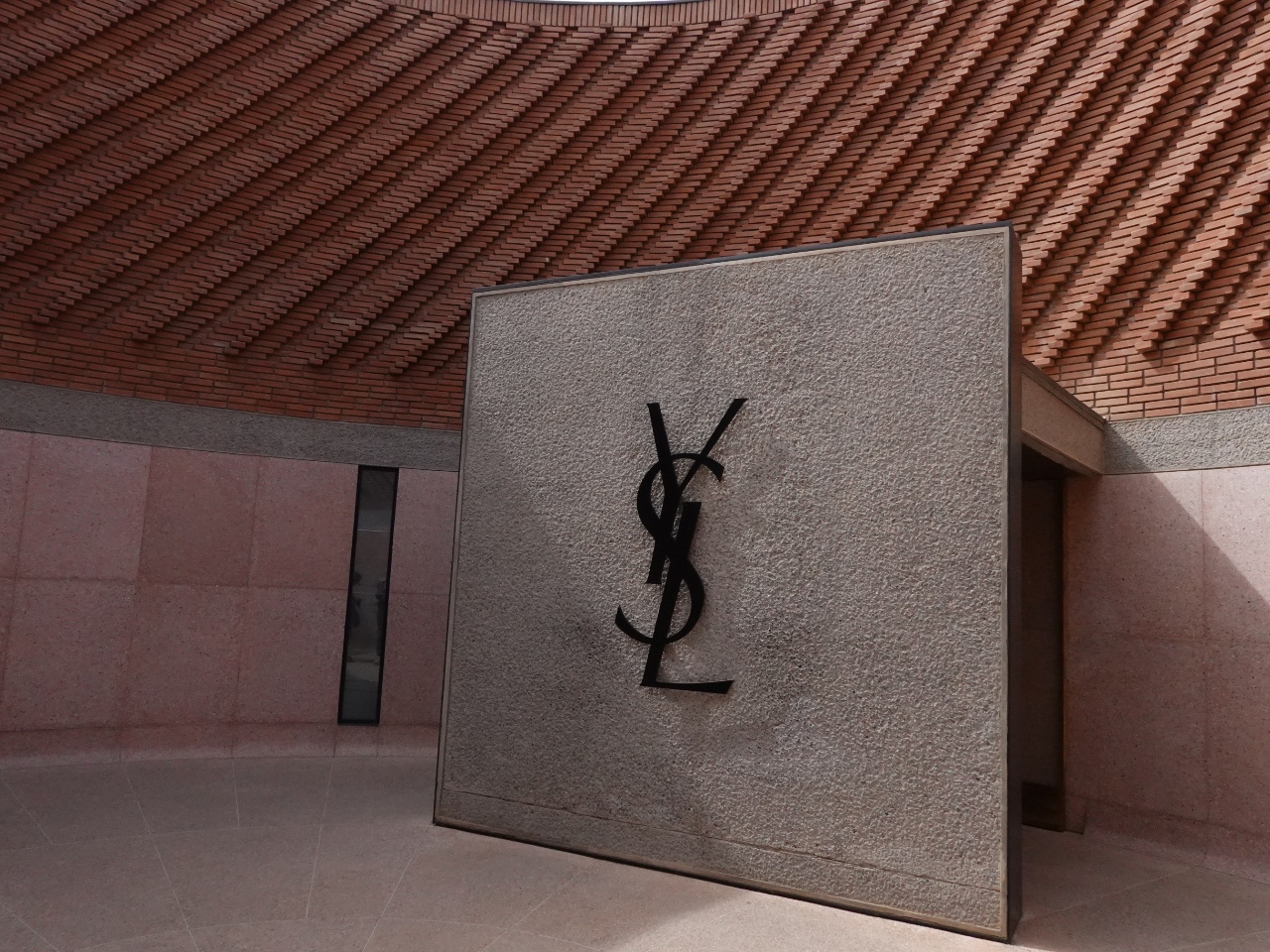 Yves St Laurent's Museum, Marrakesh MA. No photos.
 Ksar El Aïn Asserdoun, Fort above town of Beni Mellal MA
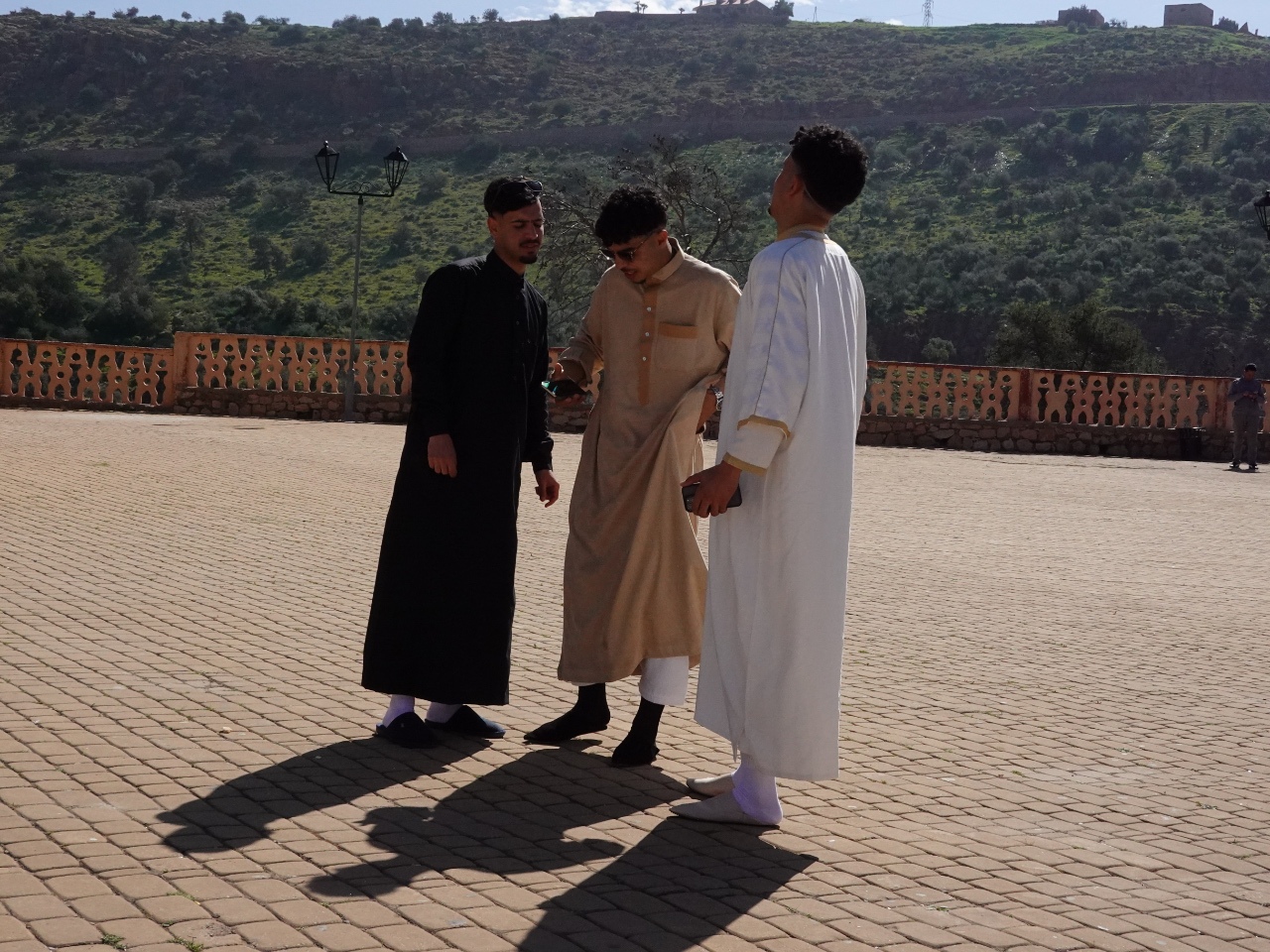 Visitors to Ksar El Aïn Asserdoun, Fort above town of Beni Mellal MA
 Oum Er’rabi River View, near Khenifra MA
 Sheep near the road, Ait Ishaq MA
 Lunch at Restaurant Rania, Khenifra MA
 Ifrane MA
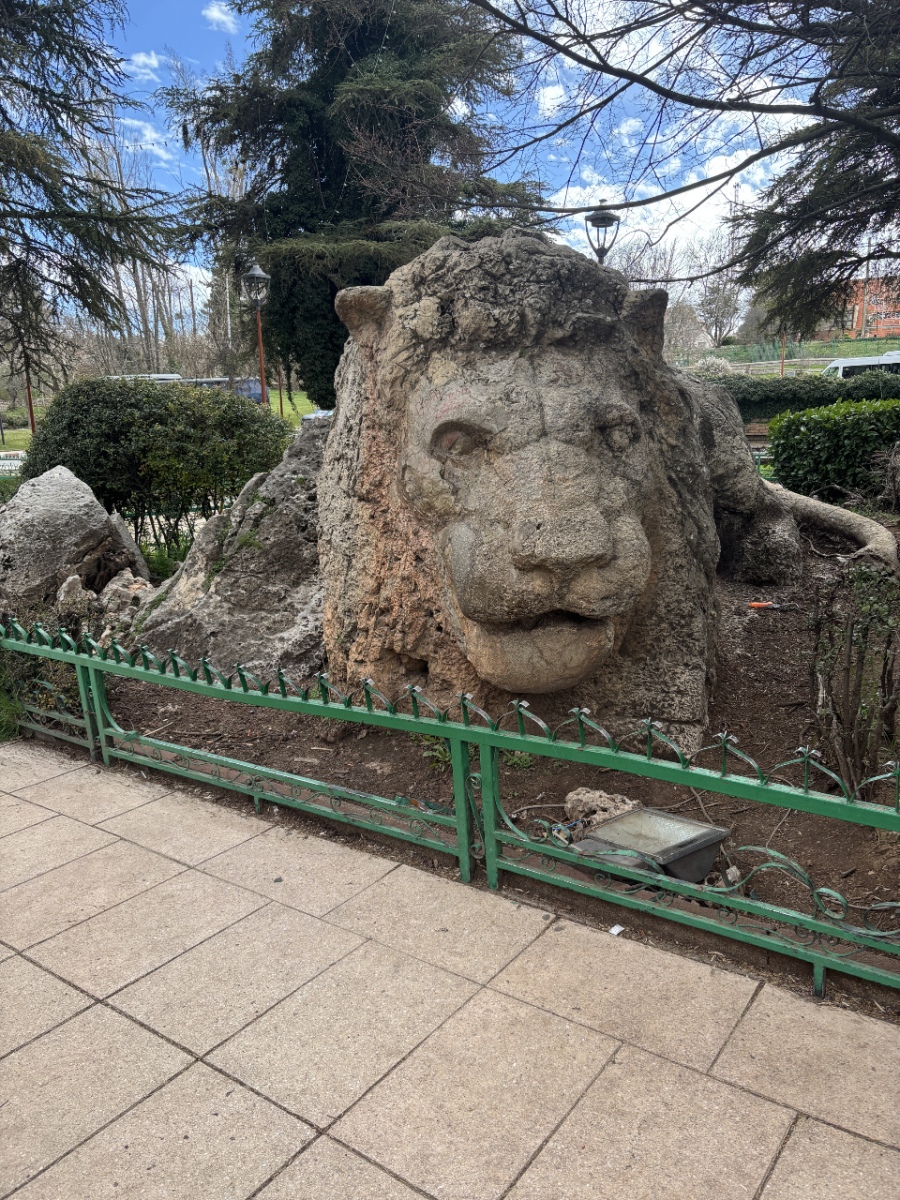 The lion at Ifrane MA
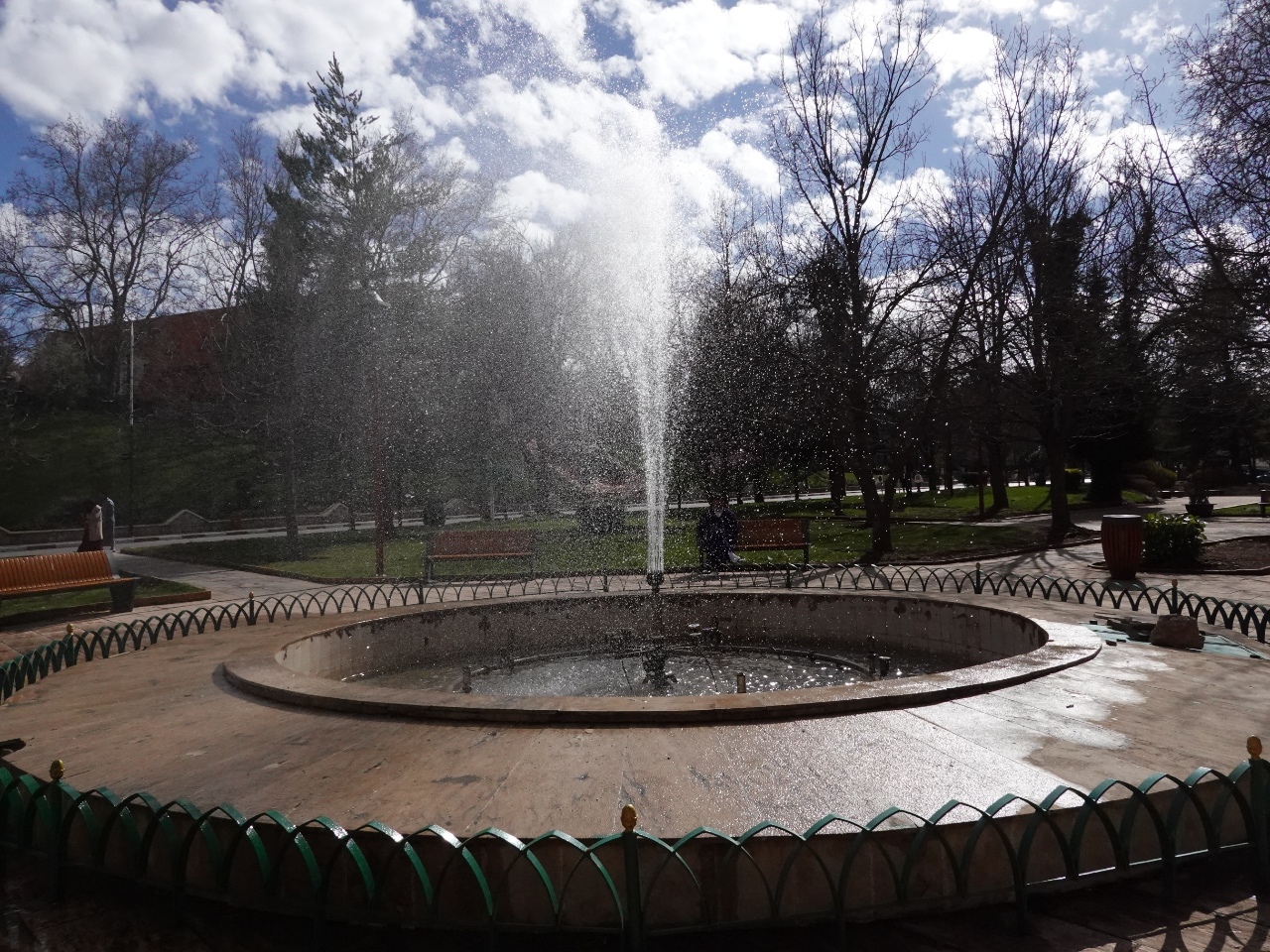 Fountain in the botanical gardens in Ifrane MA
 Pink blossom in the botanical gardens in Ifrane MA
 Swiss Hotel in Ifrane MA
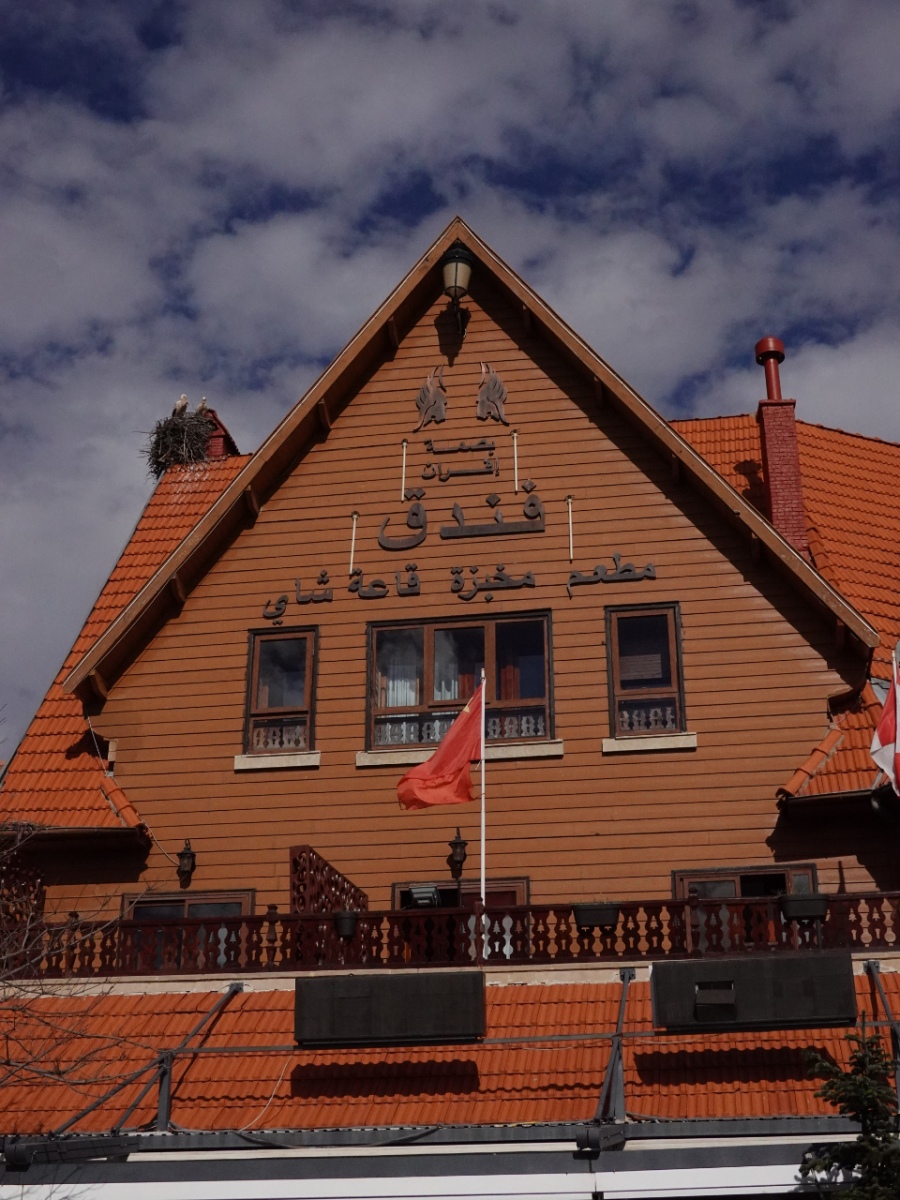 Swiss Hotel in Ifrane MA
 Le Petite Train, Ifrane MA
 Lamb with prunes tagine, Restaurant LÉscale, Fez MA
 Moroccan tiles at Bab Al Qsar, Gates of the Royal Palace, Fez MA
 Borj Sud, southern lookout over Fez MA
 View point for the Sidi Chahede Lake between Fez and Meknes MA
 Convenience for tourists at the view point for the Sidi Chahede Lake between Fez and Meknes MA
 Sheep and shepherd at the viewing point of Volubilis MA
 Roman ruins of Volubilis MA
 Mosaics, Roman ruins of Volubilis MA
 Vomitorium (the vomiting, not the entry or exit of large crowds), Volubilis MA
 Granite stone for crushing olives for their oil, Roman ruins of Volubilis MA
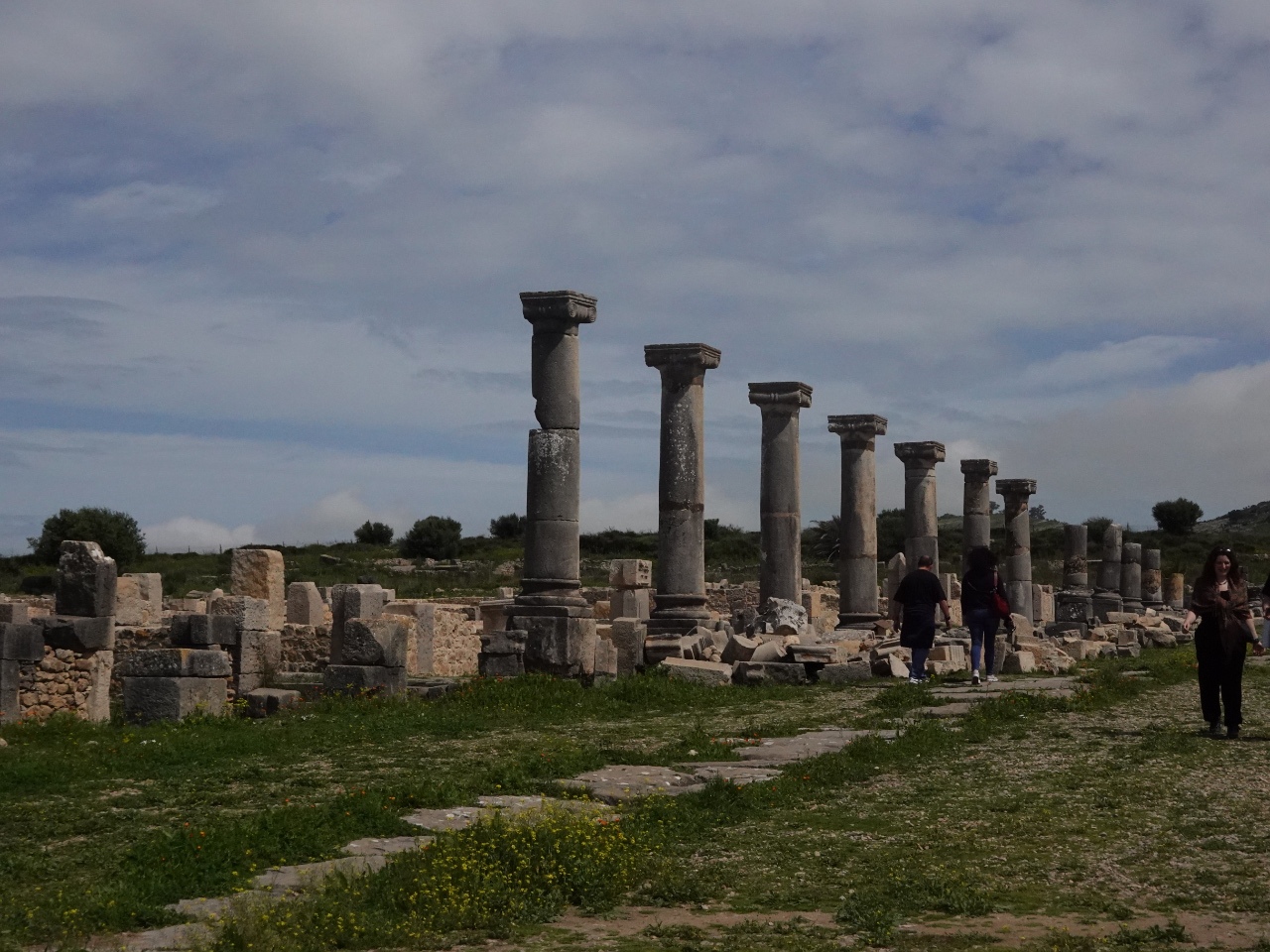 The main road between the gate of Tangier and the Arch of Caracalla, Roman ruins of Volubilis MA
 Main Roman road in Volubilis MA
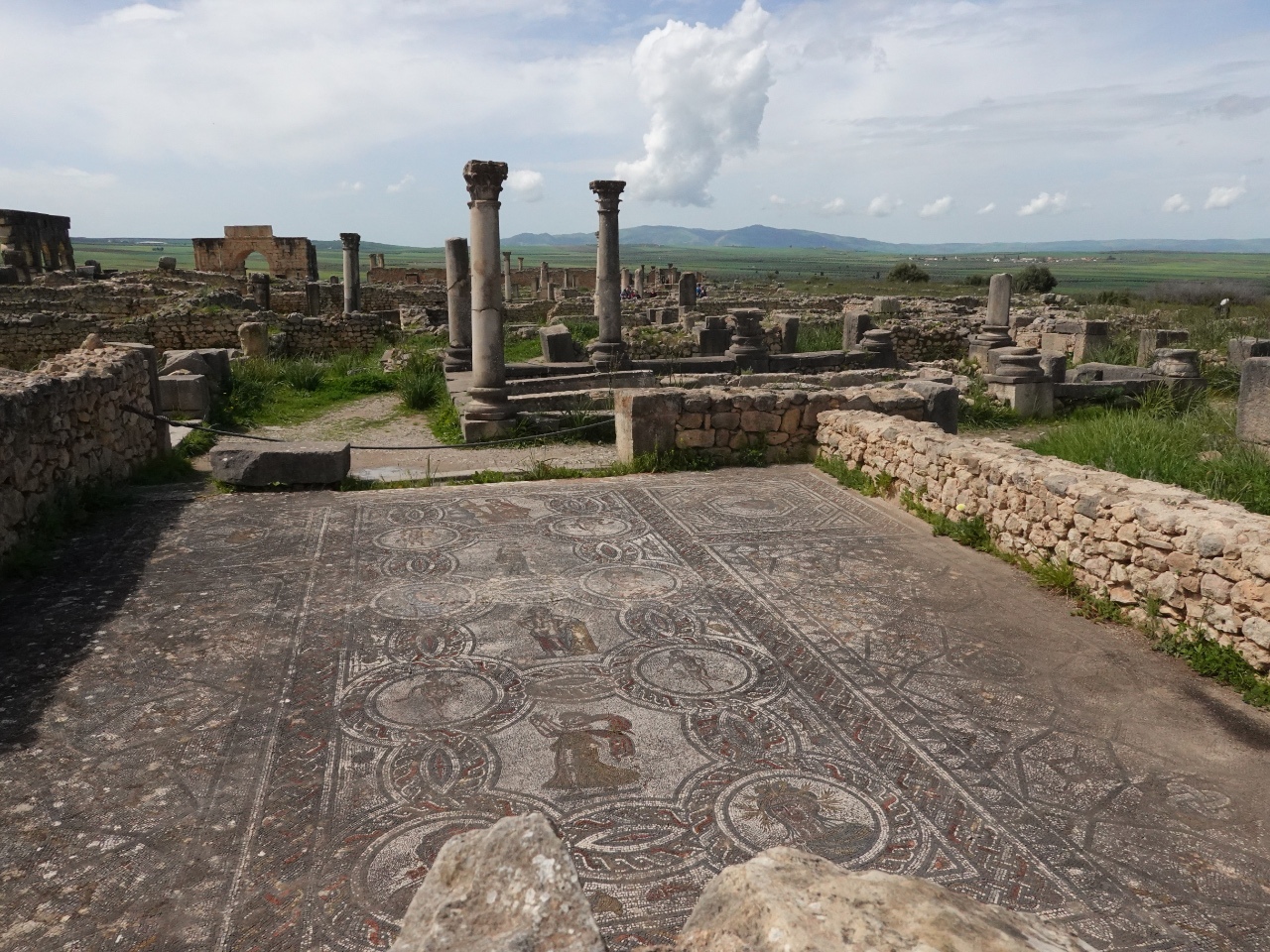 Mosaics, Roman ruins of Volubilis MA
 Shop fronts along the main Roman road in Volubilis MA
 Washing place, Roman ruins of Volubilis MA
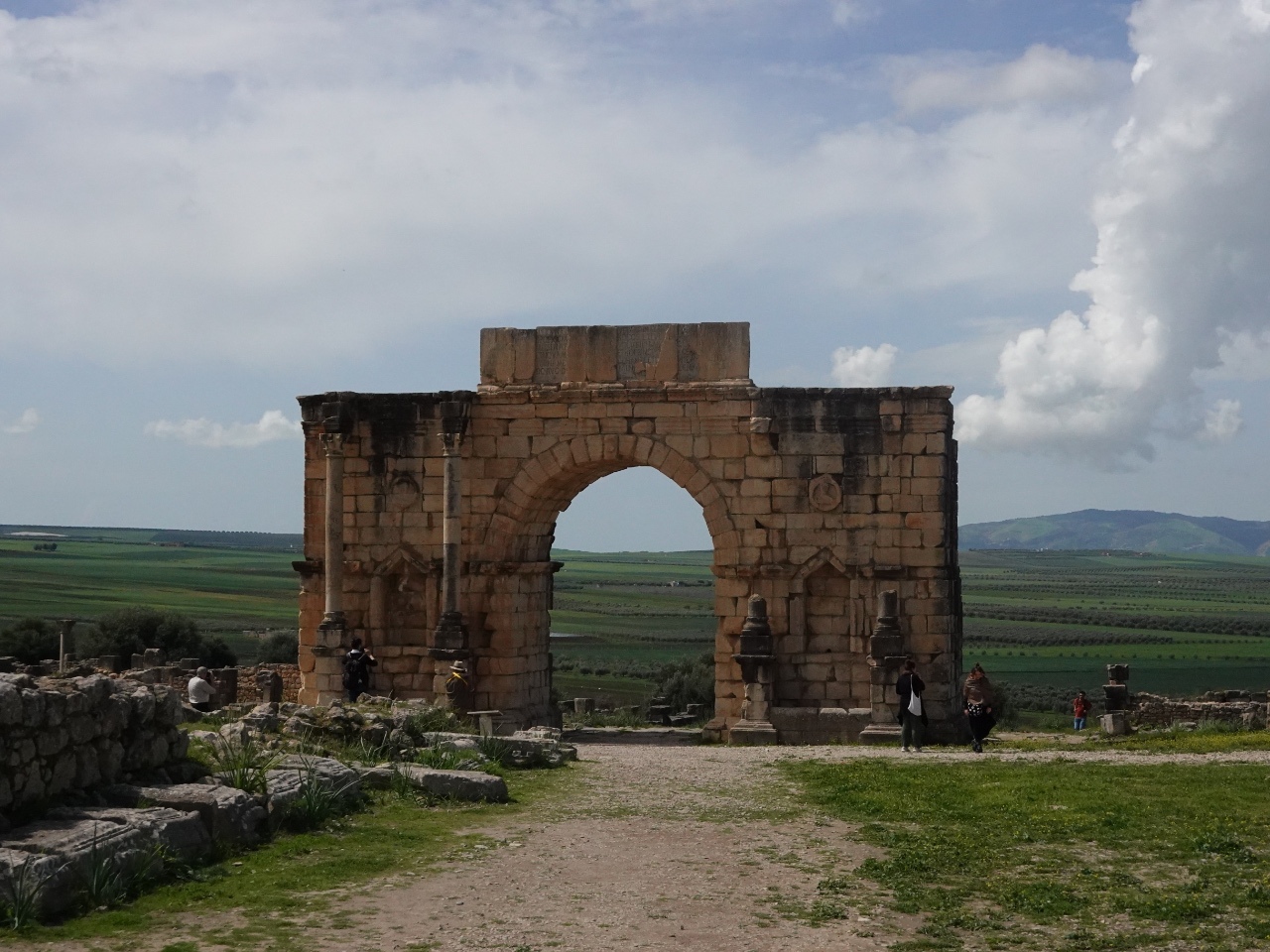 Arch of Caracalla, Roman ruins of Volubilis MA
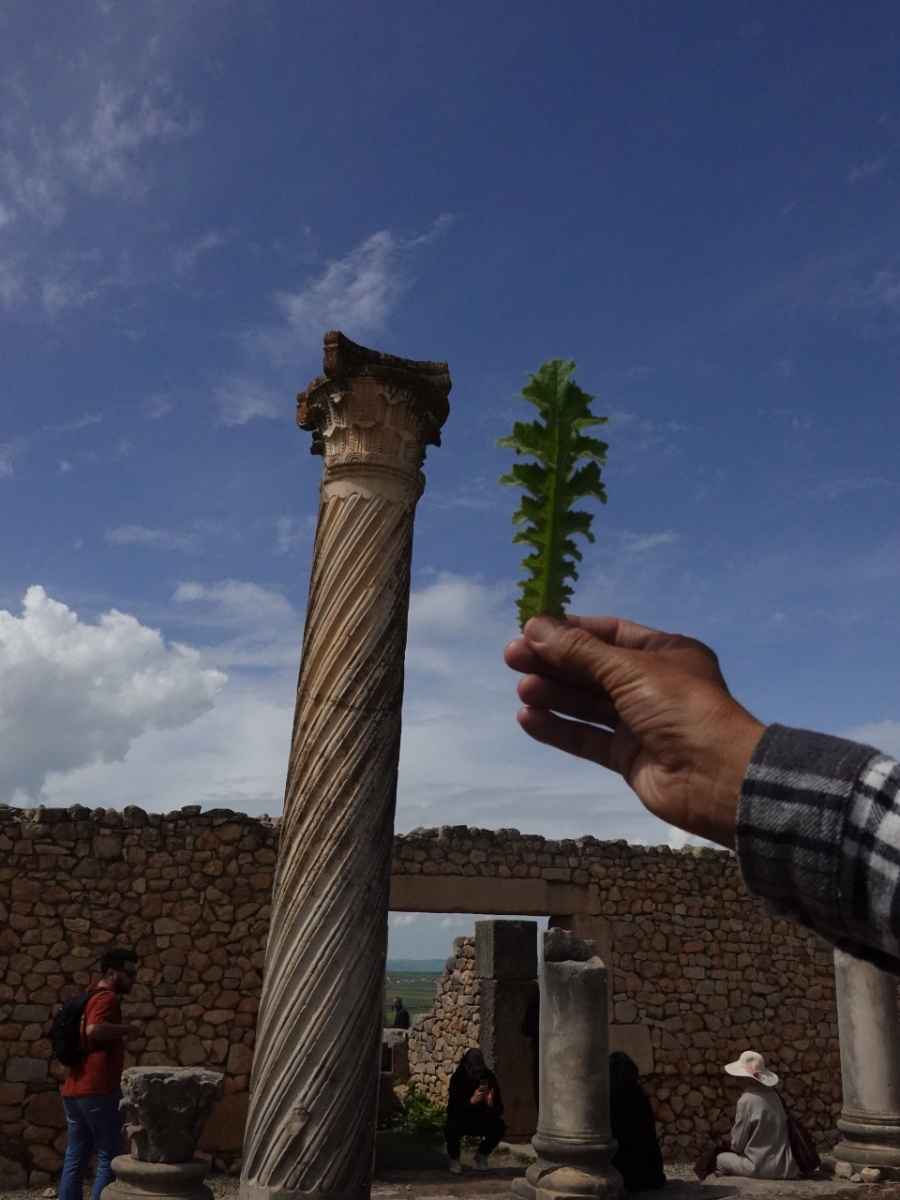 Acanthus (specifically Acanthus mollis or Acanthus spinosus), often called Bear's Breeches was the inspiration for the Corinthian columns. Roman ruins of Volubilis MA
 Basilic, Roman ruins of Volubilis MA
 Alter and Capitole, Roman ruins of Volubilis MA
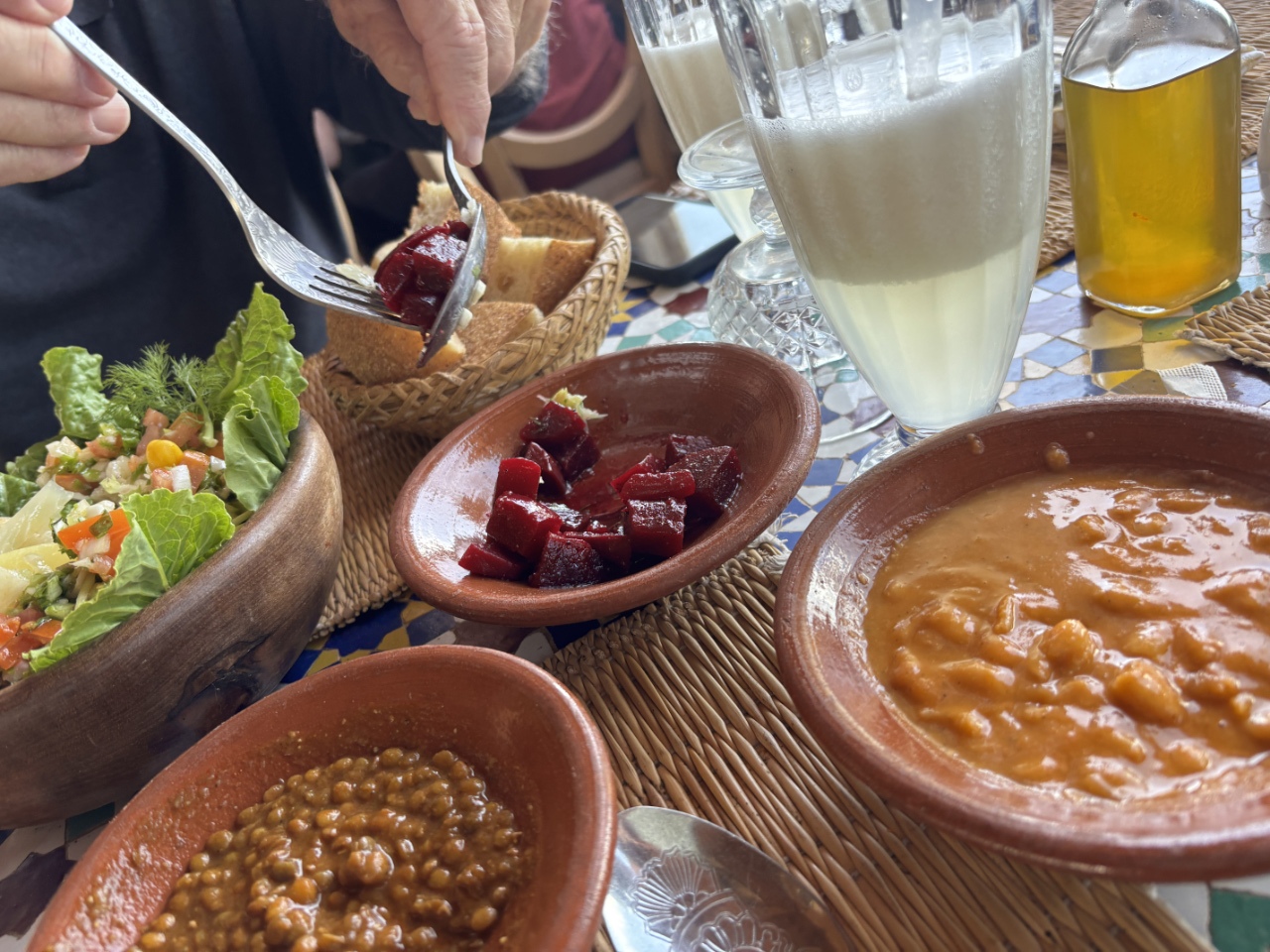 Roman City Restaurant near Volubilis MA
 A modern aquaduct? near Ouisane MA
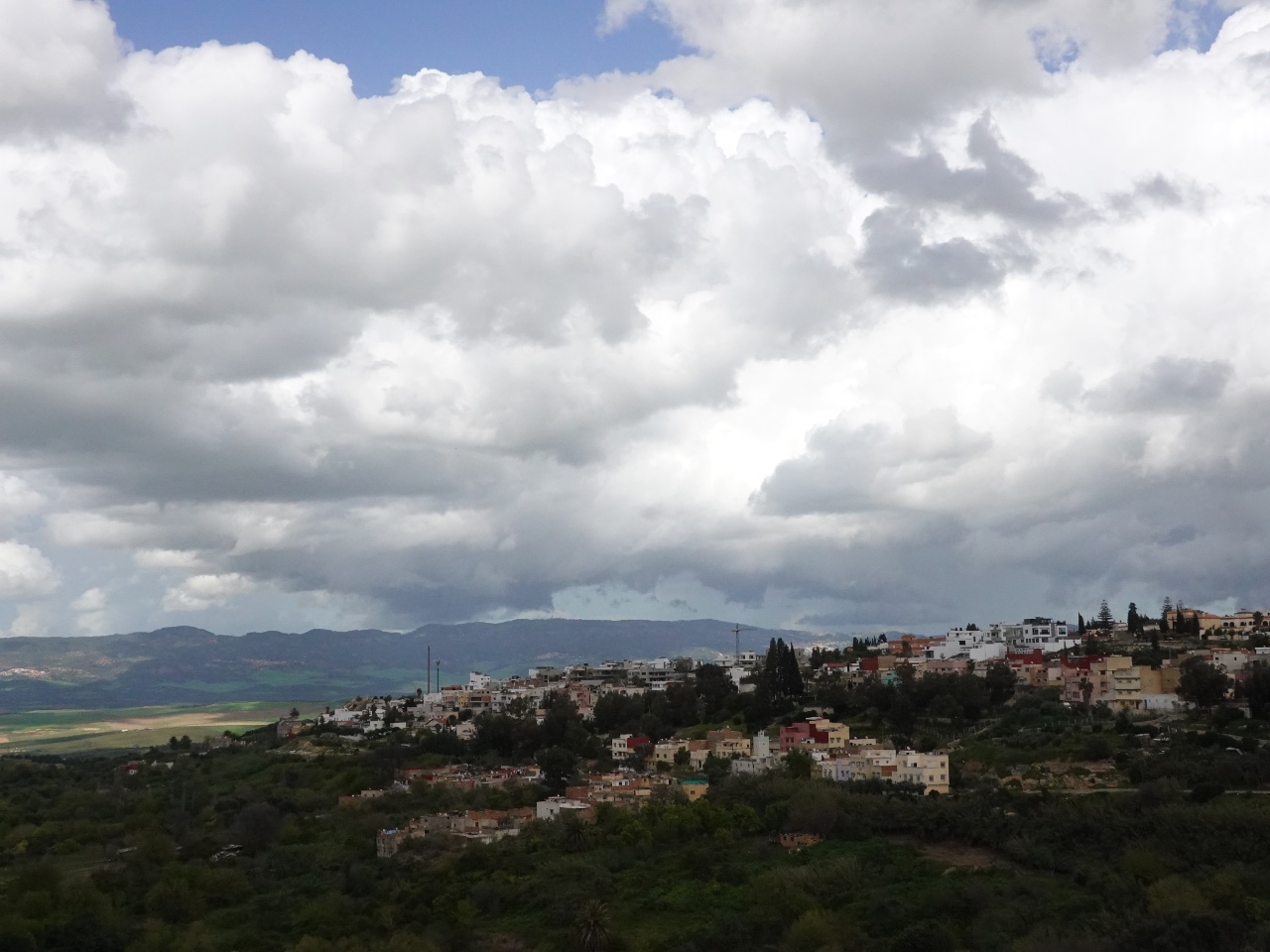 View of Meknes MA
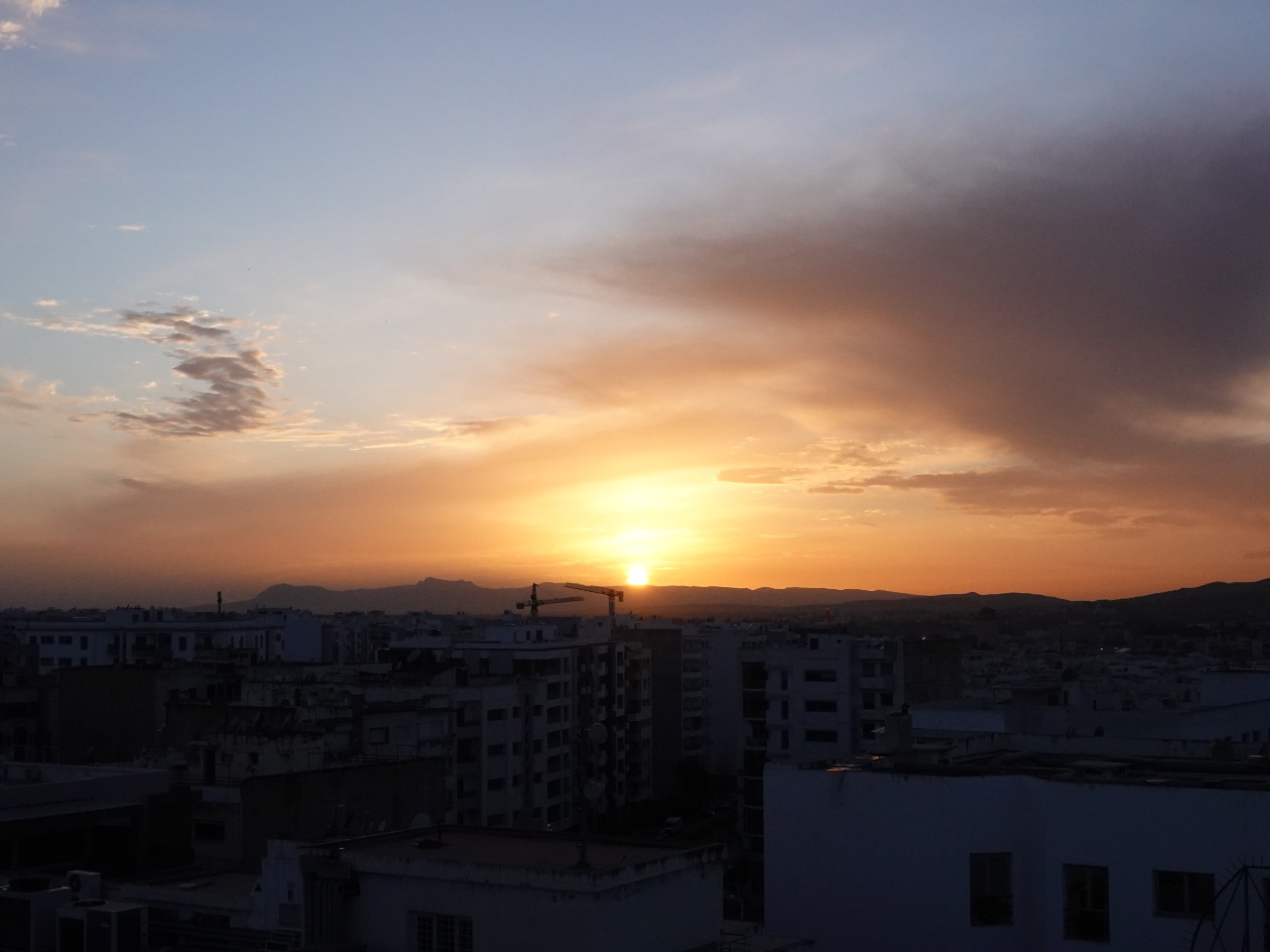 Sunset from Hotel L'Escale, Fez MA
 Satelite dishes from Hotel L'Escale, Fez MA
 Olive groves look very green near Laajajra, between Fez and Chefchaouen MA
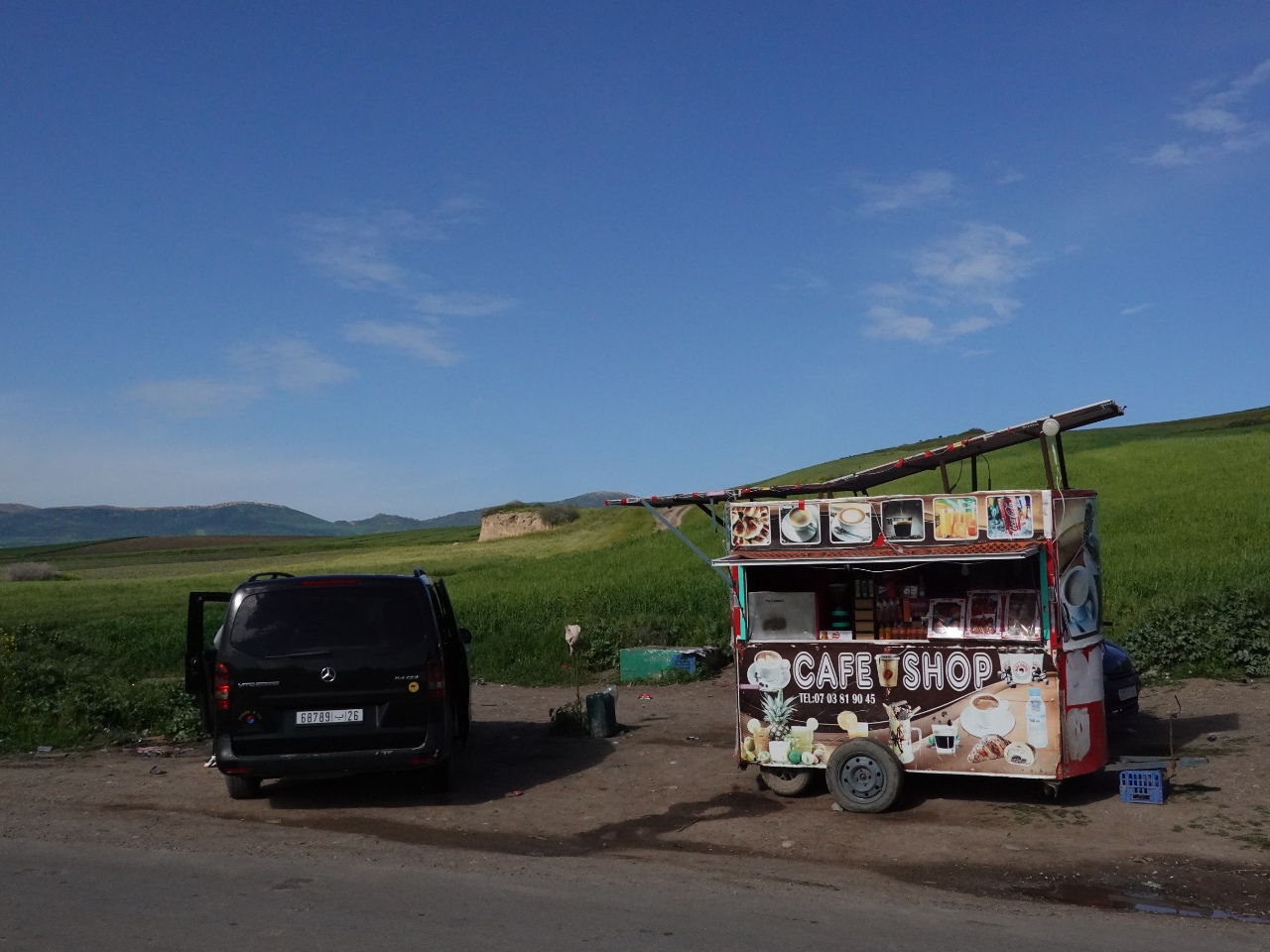 Roadside coffee shop between Fez and Chefchaouen MA
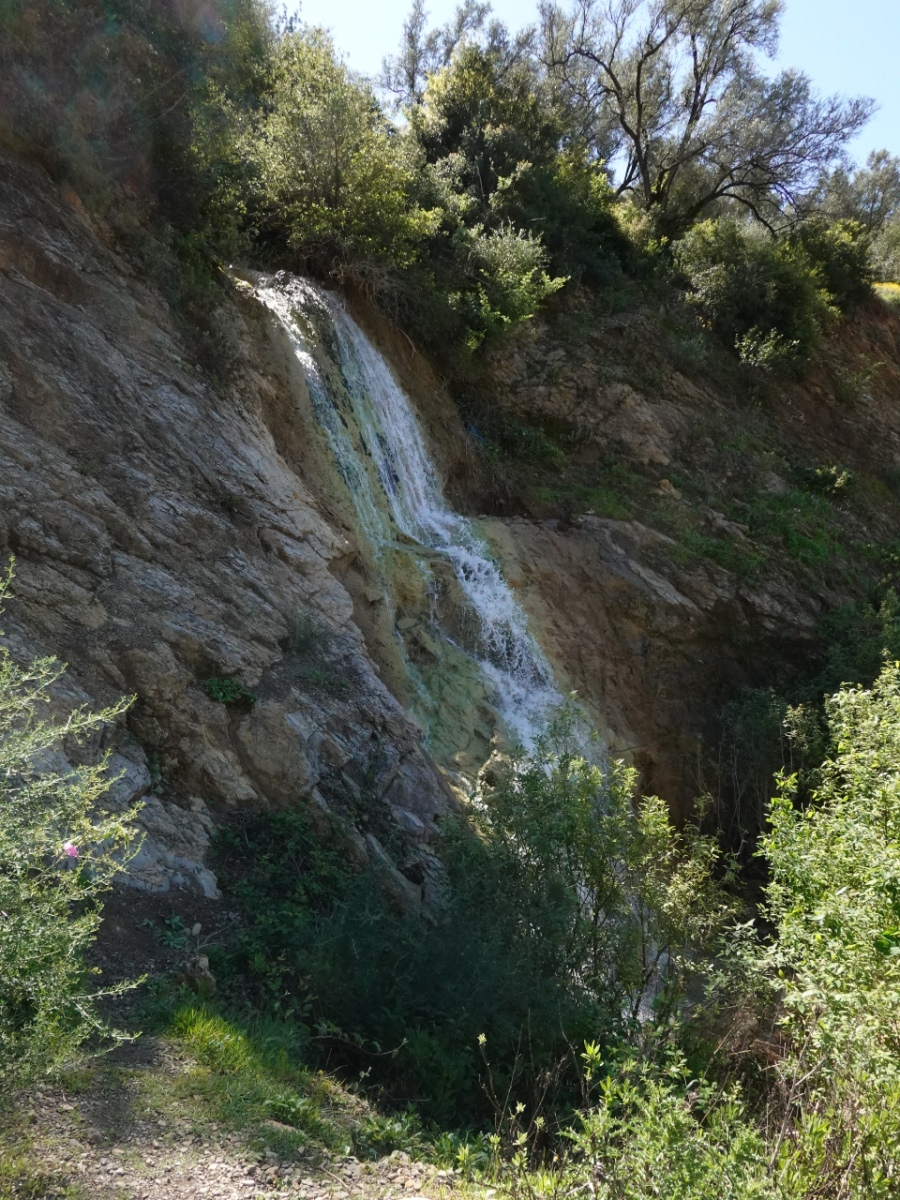 Waterfall near Ain Beida, between Fez and Chefchaouen MA
 Waterfall near Ain Beida, between Fez and Chefchaouen MA
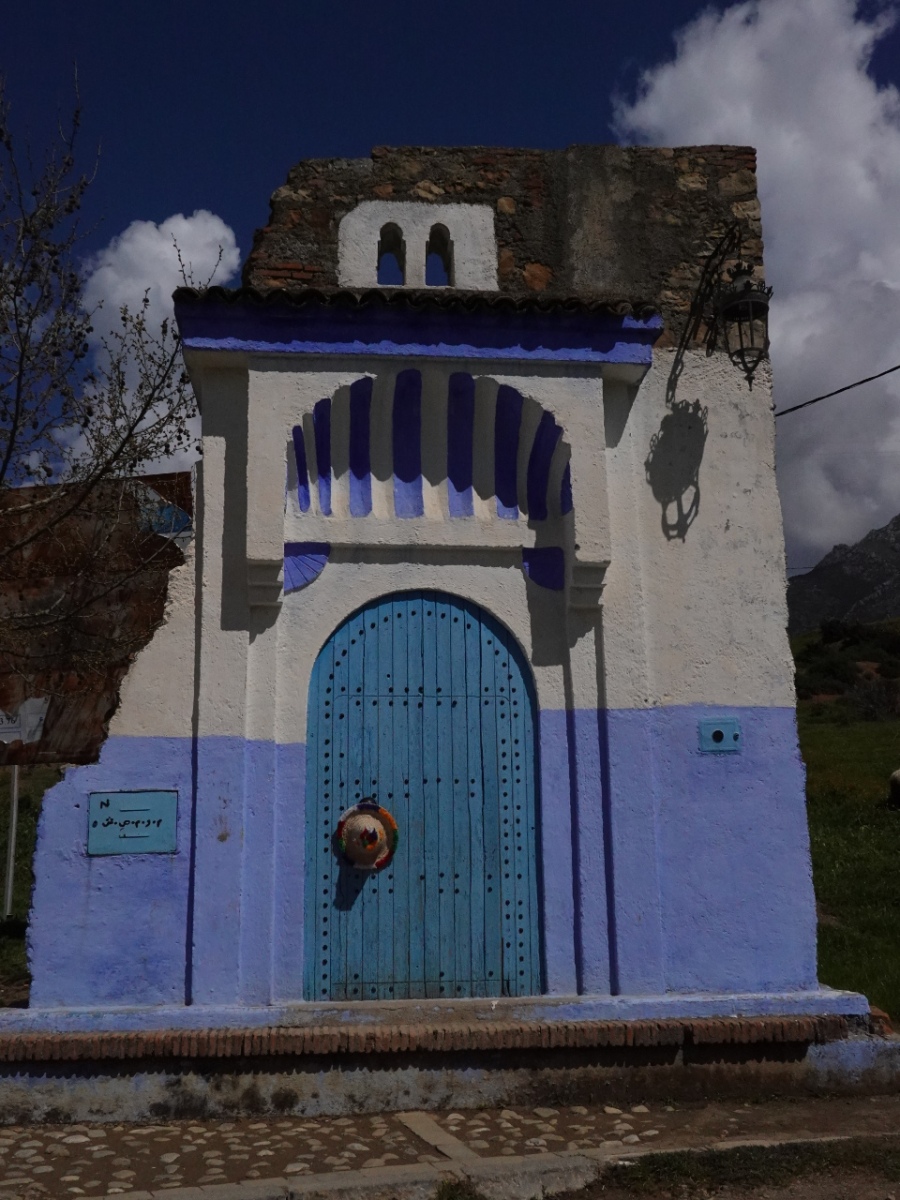 Bab Taza- Chefchaouen Gate MA
 Lookout about Chefchaouen MA
 Lookout about Chefchaouen MA
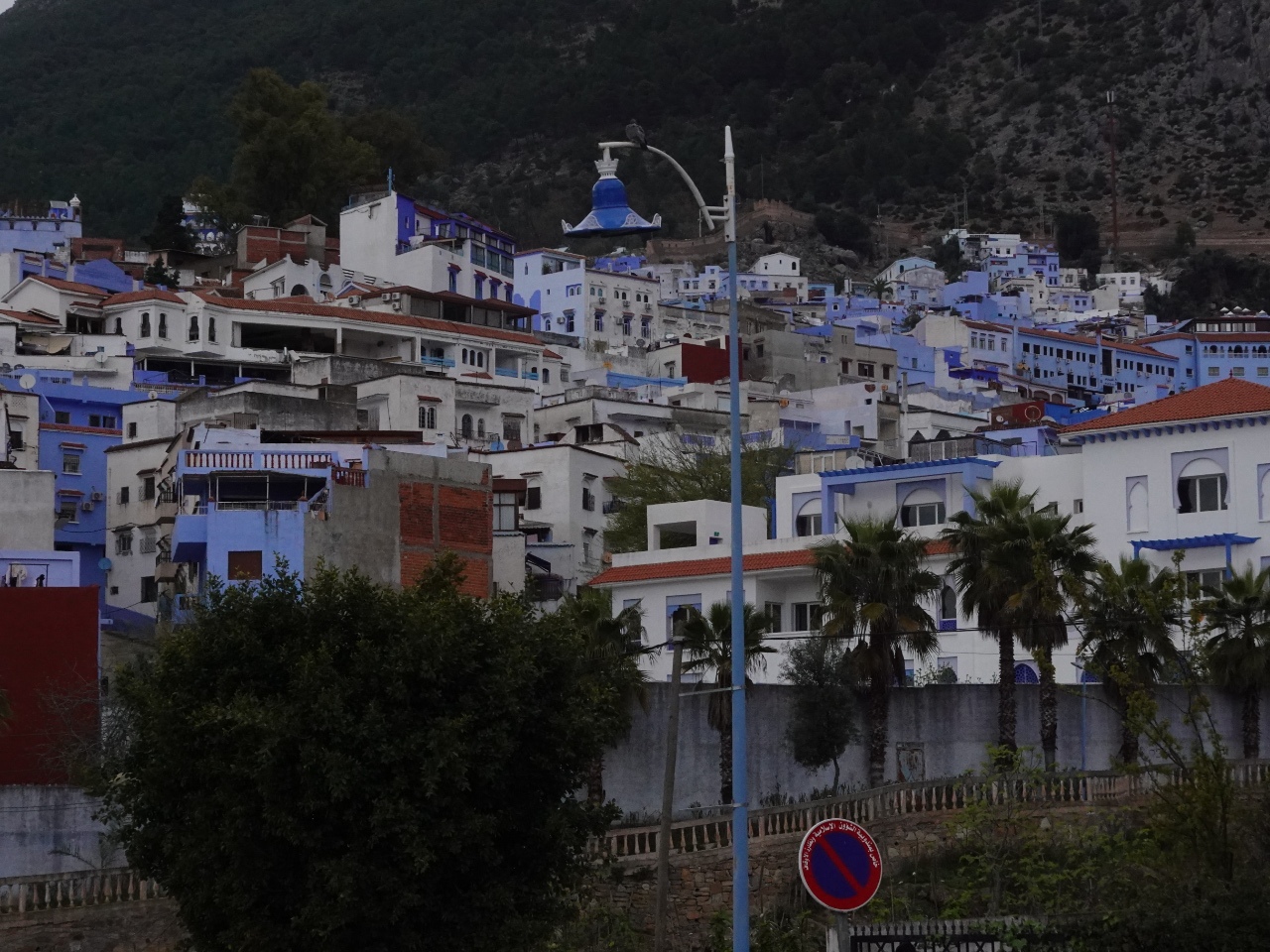 A walk around Chefchaouen MA
 A walk around Chefchaouen MA
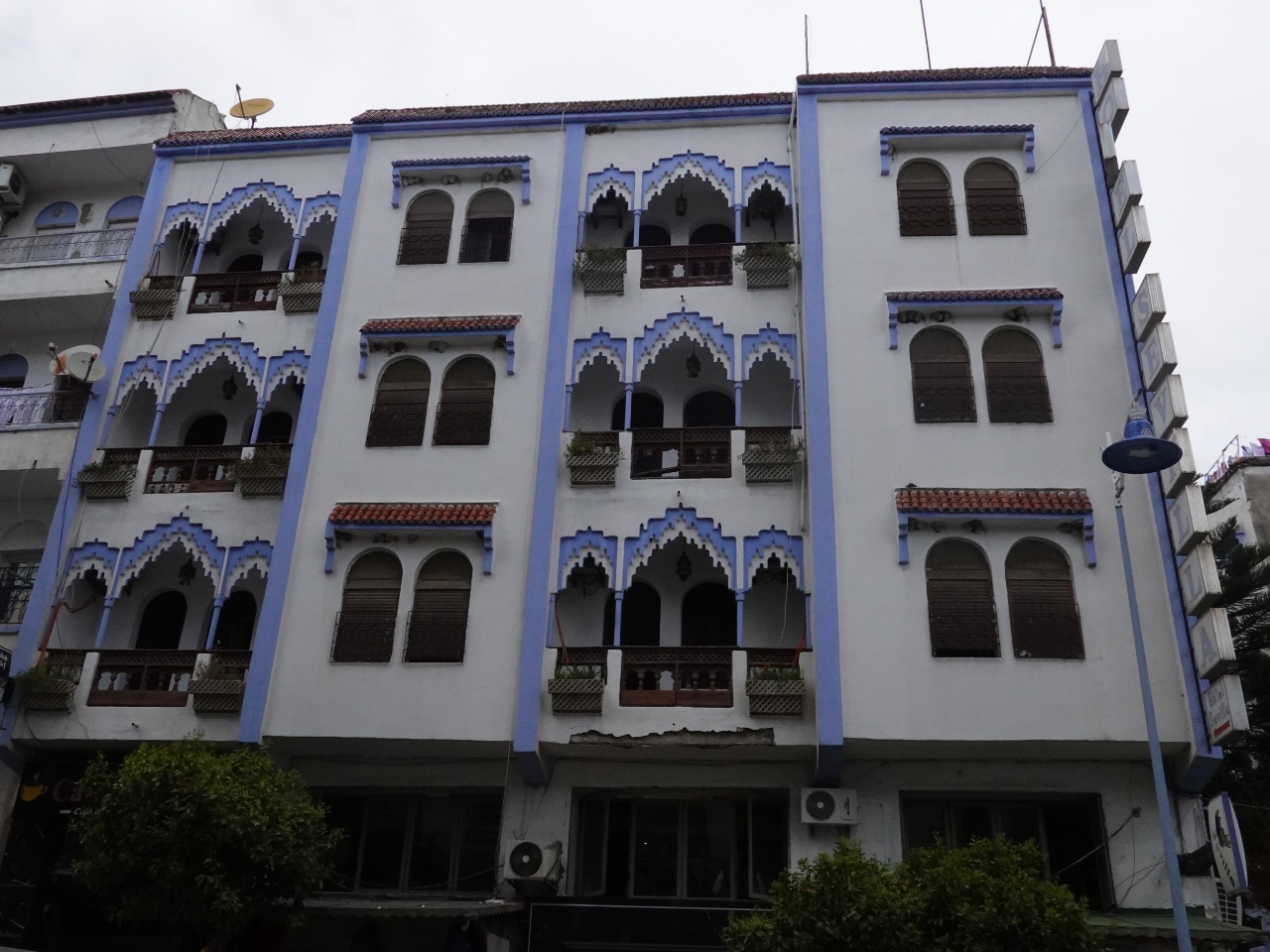 A walk around Chefchaouen MA
 Mosque in Chefchaouen MA
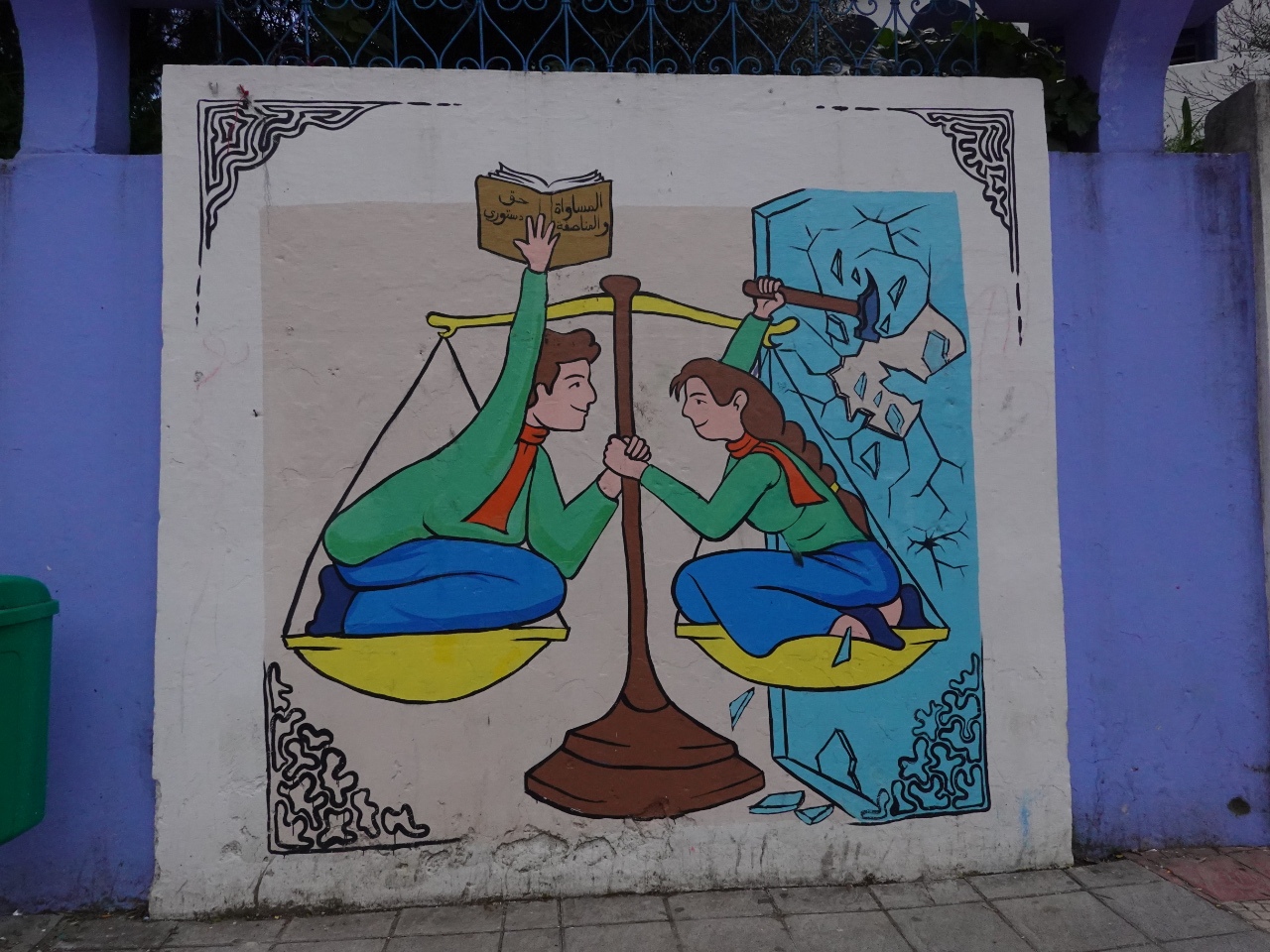 School, Chefchaouen MA. Many schools in North Africa have murals depicting the importance of education.
 Plaza Bir Anzaran (Commercial Square), Chefchaouen MA
 Plaza Bir Anzaran (Commercial Square), Chefchaouen MA
 Place Mohammed V, Chefchaouen MA
 Place Mohammed V, Chefchaouen MA
 Tajine pots for sale, Chefchaouen MA
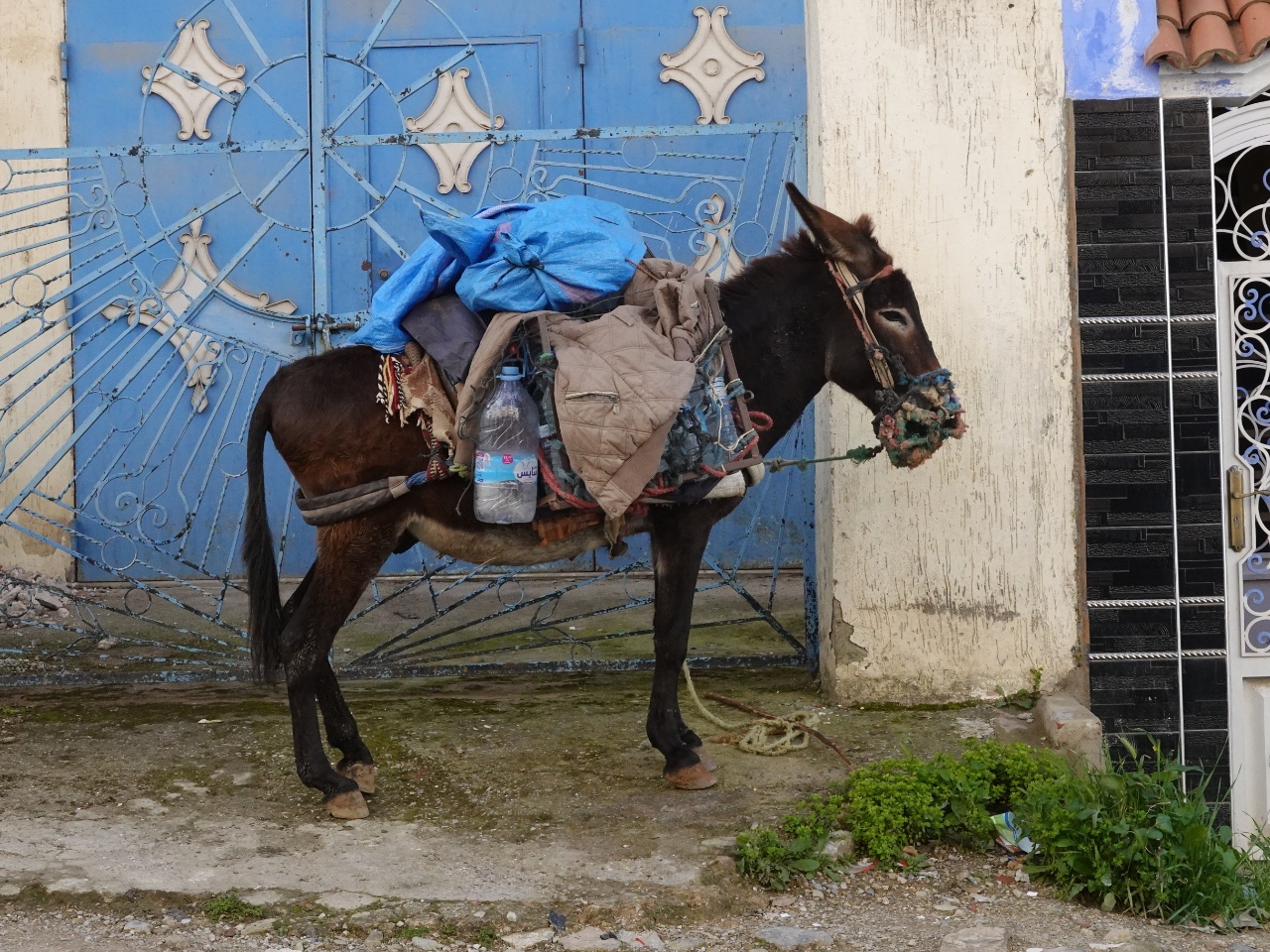 Donkey near our hotel, Chefchaouen MA
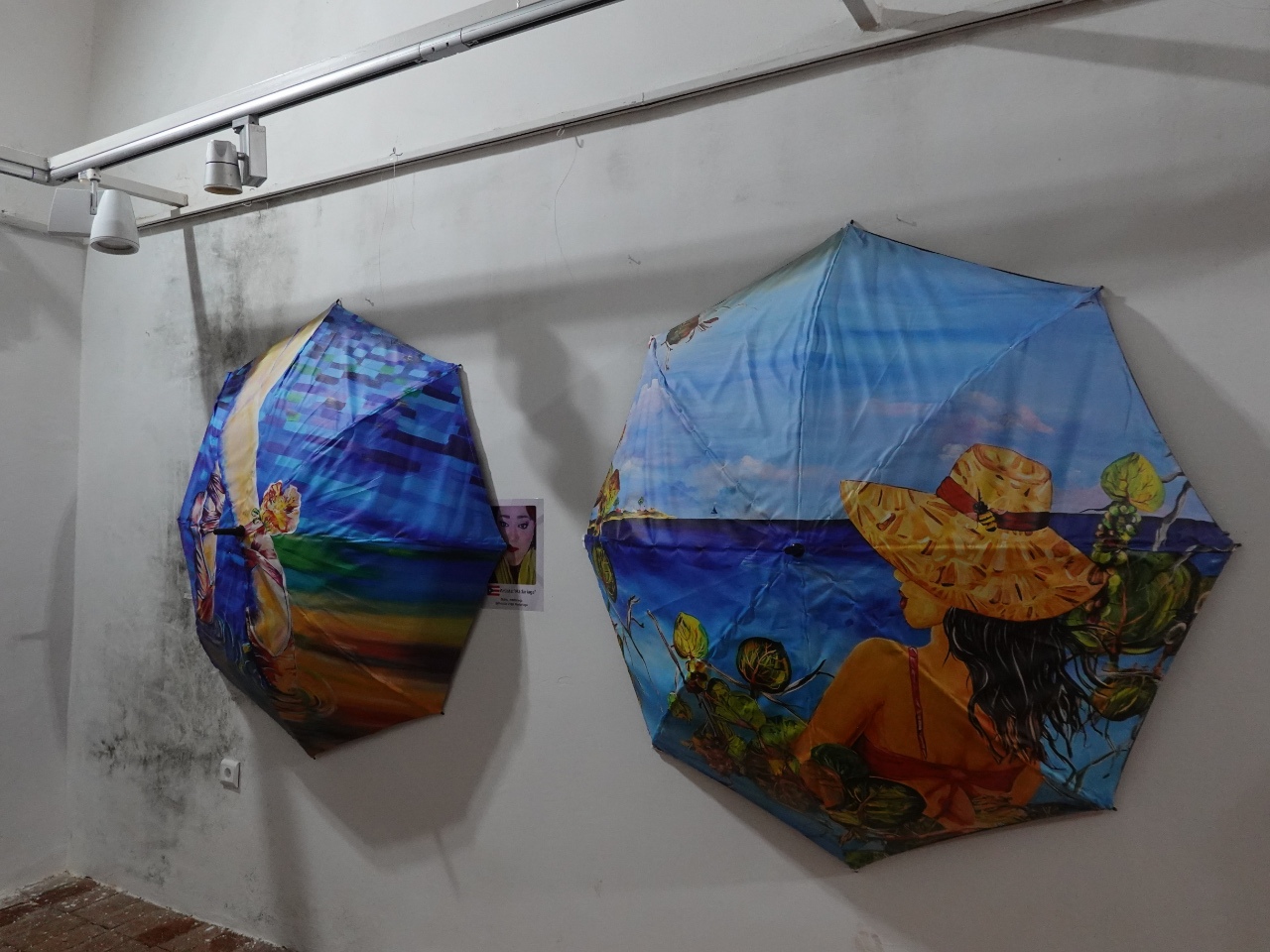 Carnival of Art of Umbrellas, Ethnographic Museum of Chefchaouen, in the Kasbah. MA
 Prison, Ethnographic Museum of Chefchaouen, in the Kasbah. MA
 Ethnographic Museum of Chefchaouen, in the Kasbah. MA
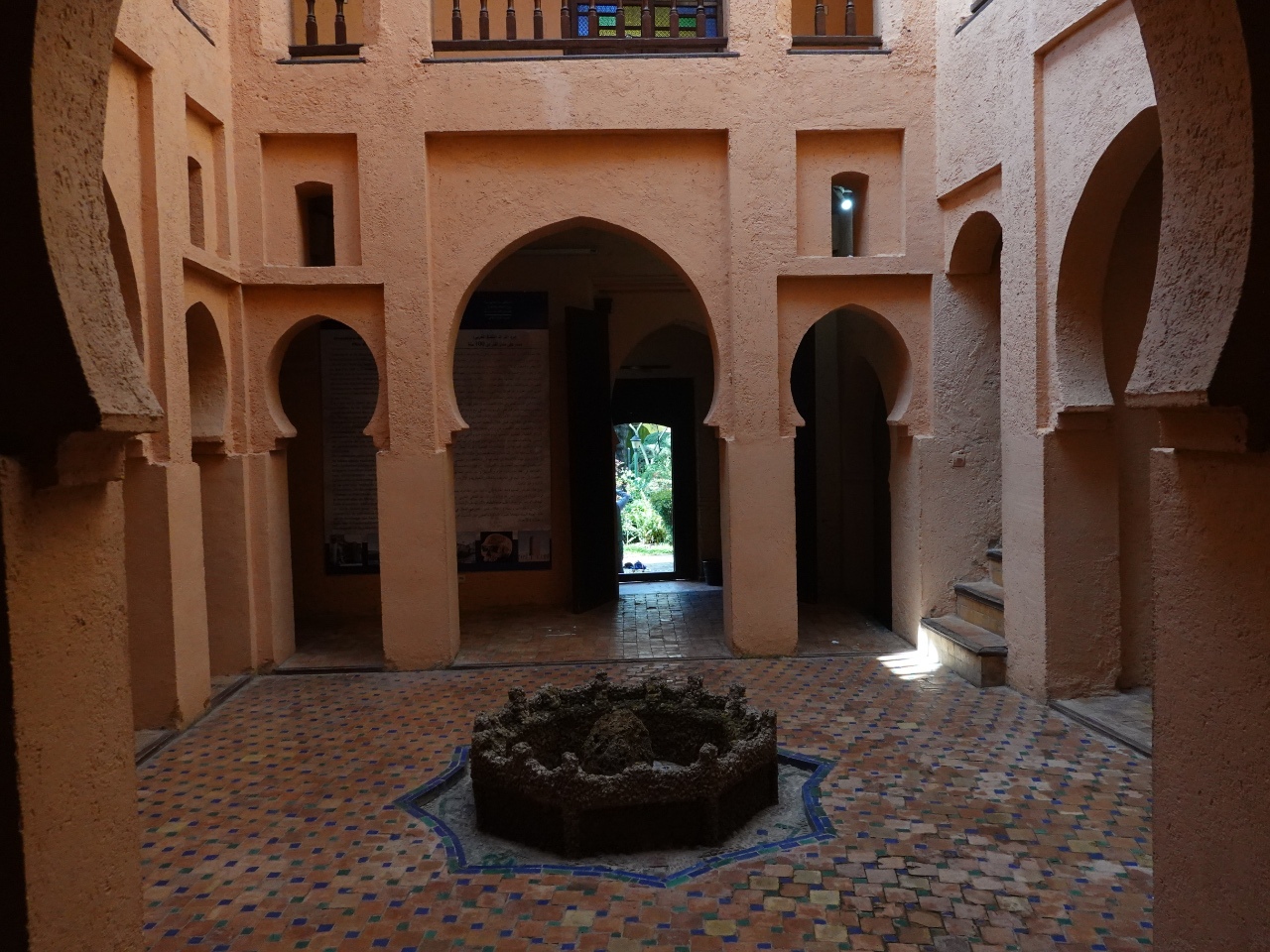 Ethnographic Museum of Chefchaouen, in the Kasbah. MA
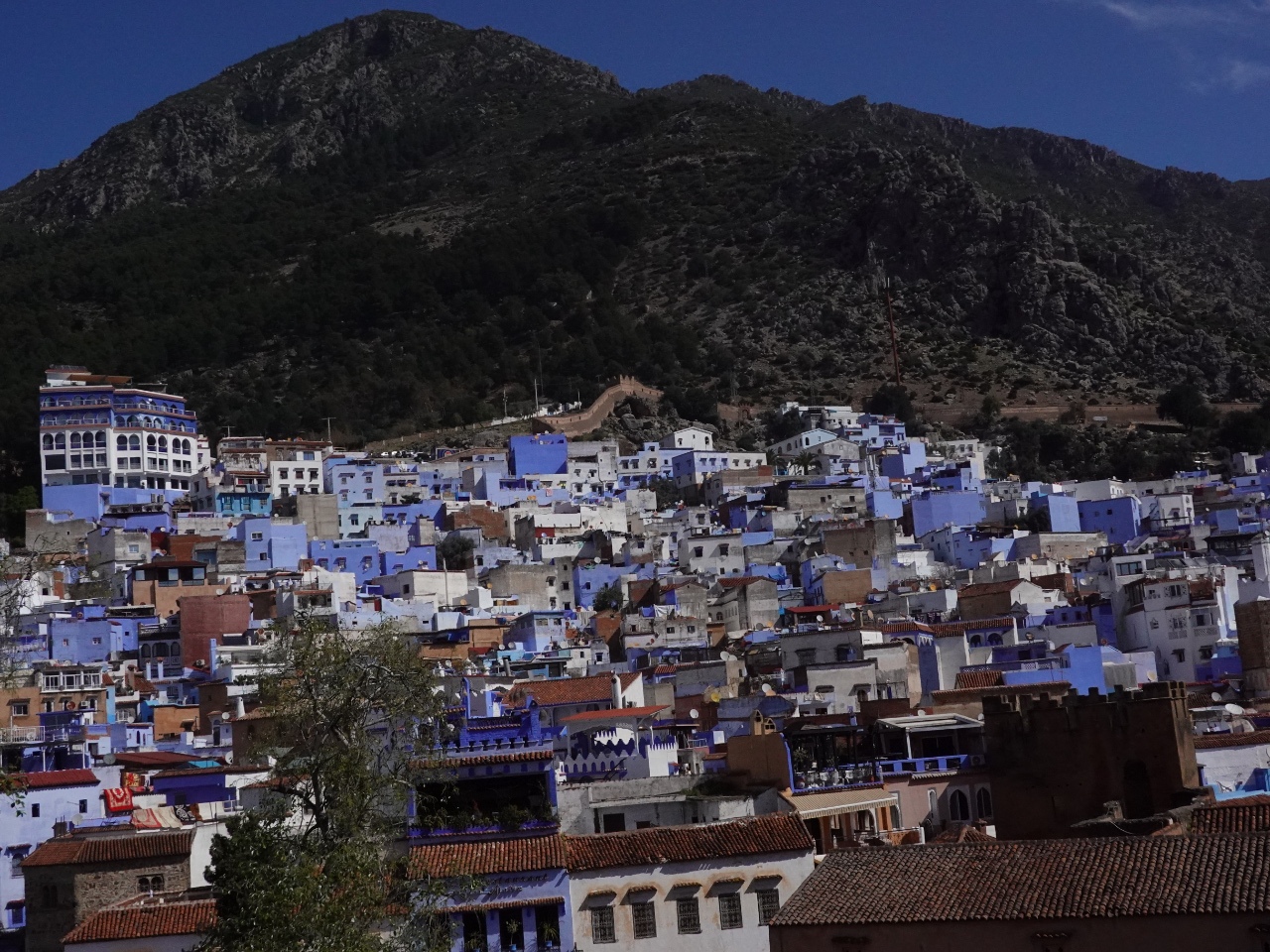 View from the Portuguese Tower, Ethnographic Museum of Chefchaouen, in the Kasbah. MA
 View from the Portuguese Tower, Ethnographic Museum of Chefchaouen, in the Kasbah. MA
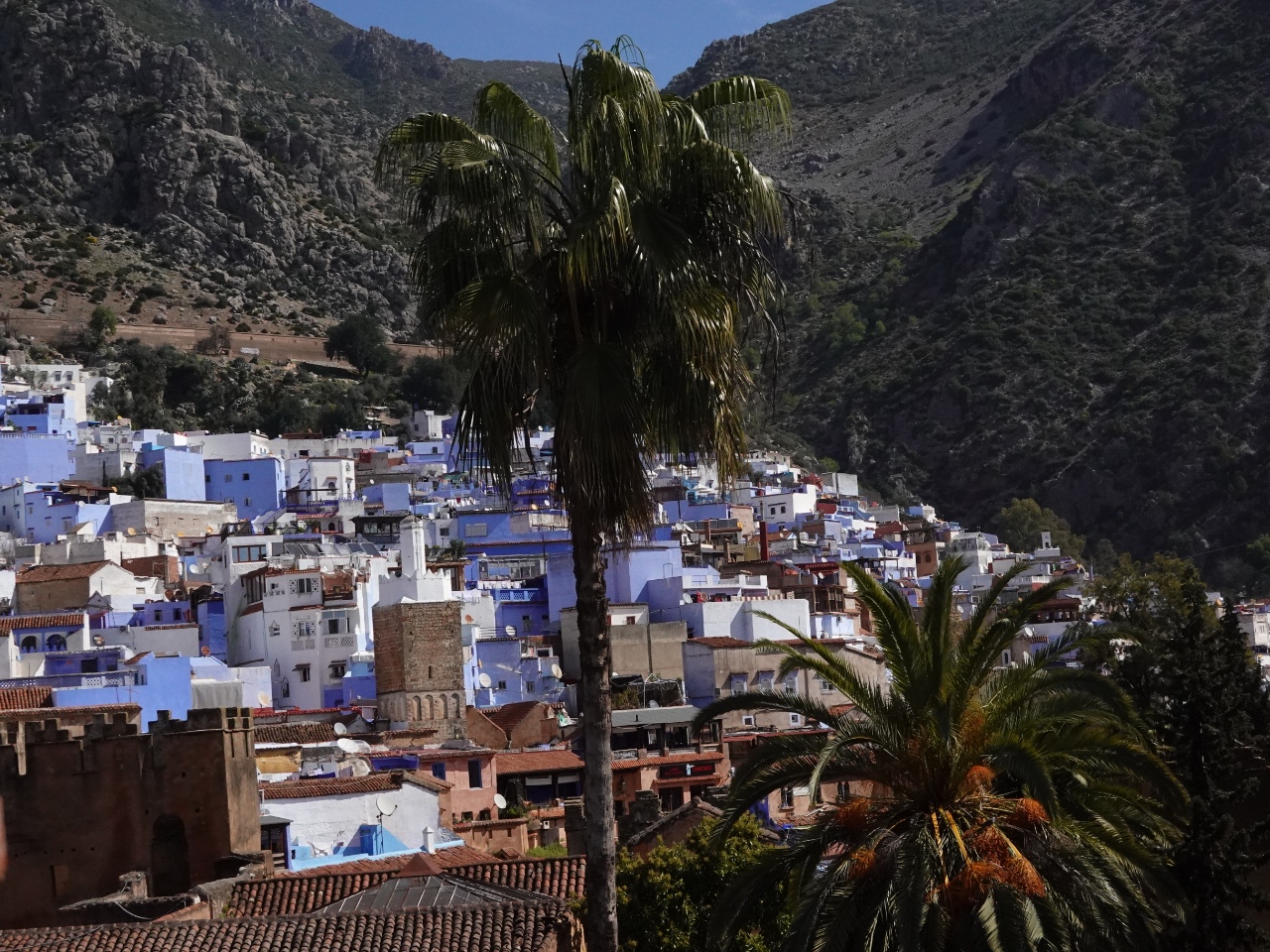 View from the Portuguese Tower, Ethnographic Museum of Chefchaouen, in the Kasbah. MA
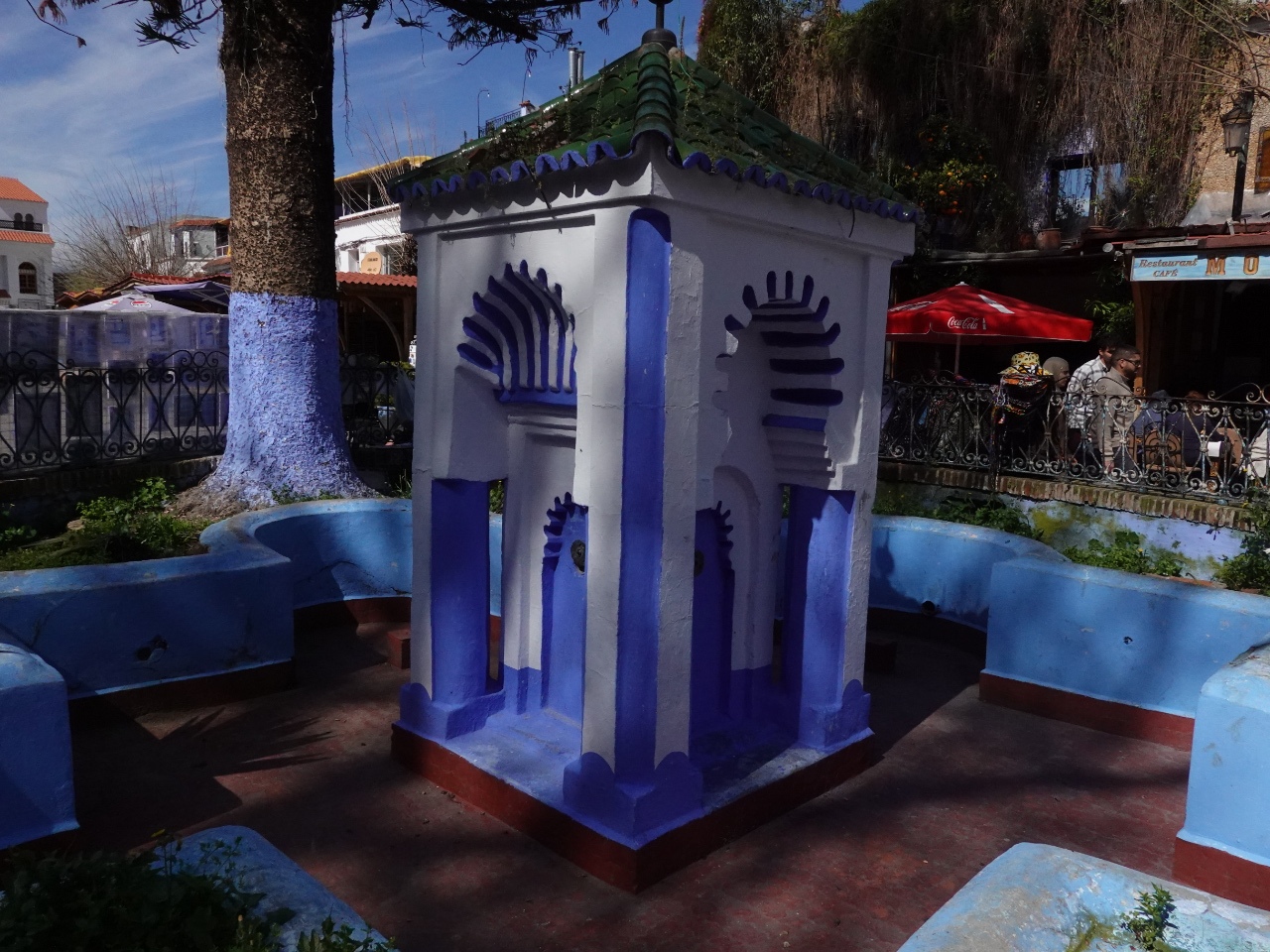 Place Outa El Hamam (square), Chefchaouen MA
 The blue village of Chefchaouen MA
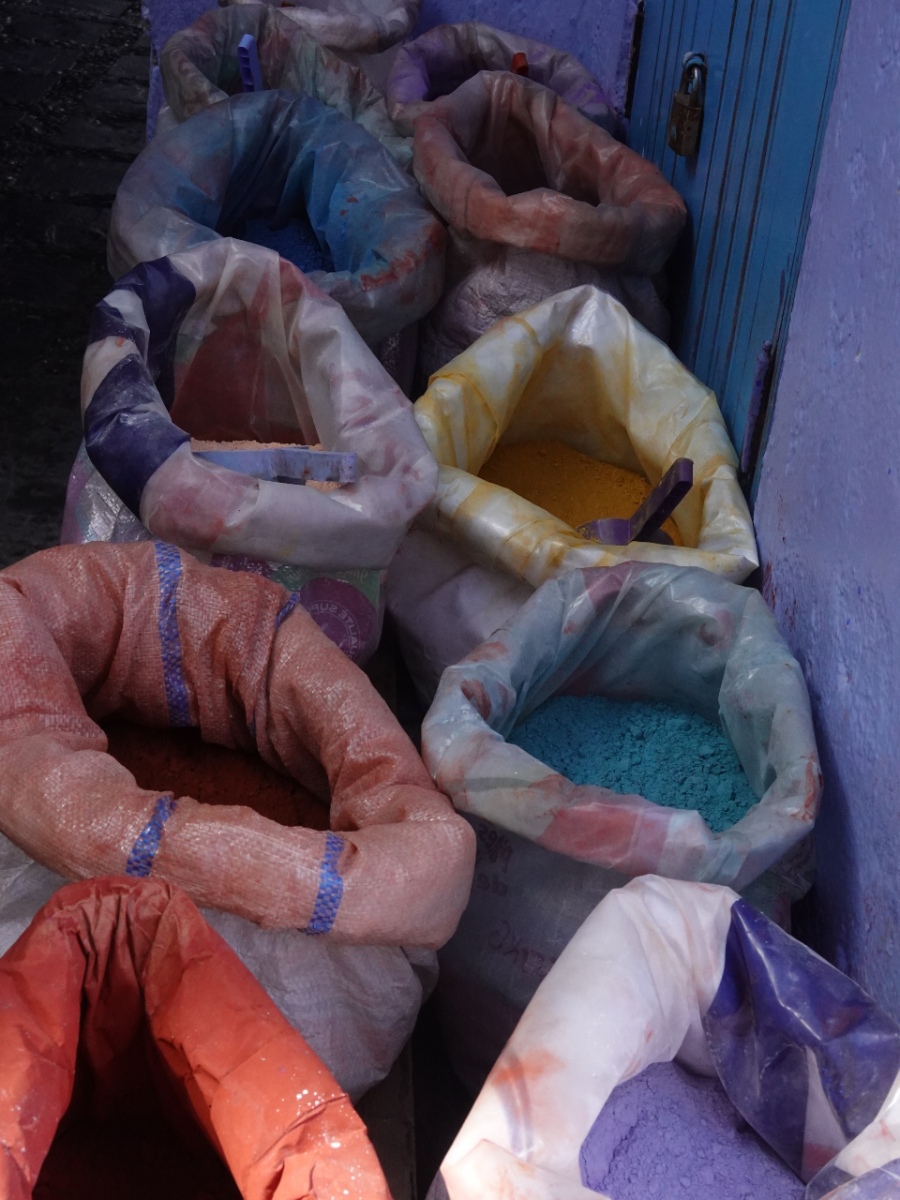 The blue village of Chefchaouen MA
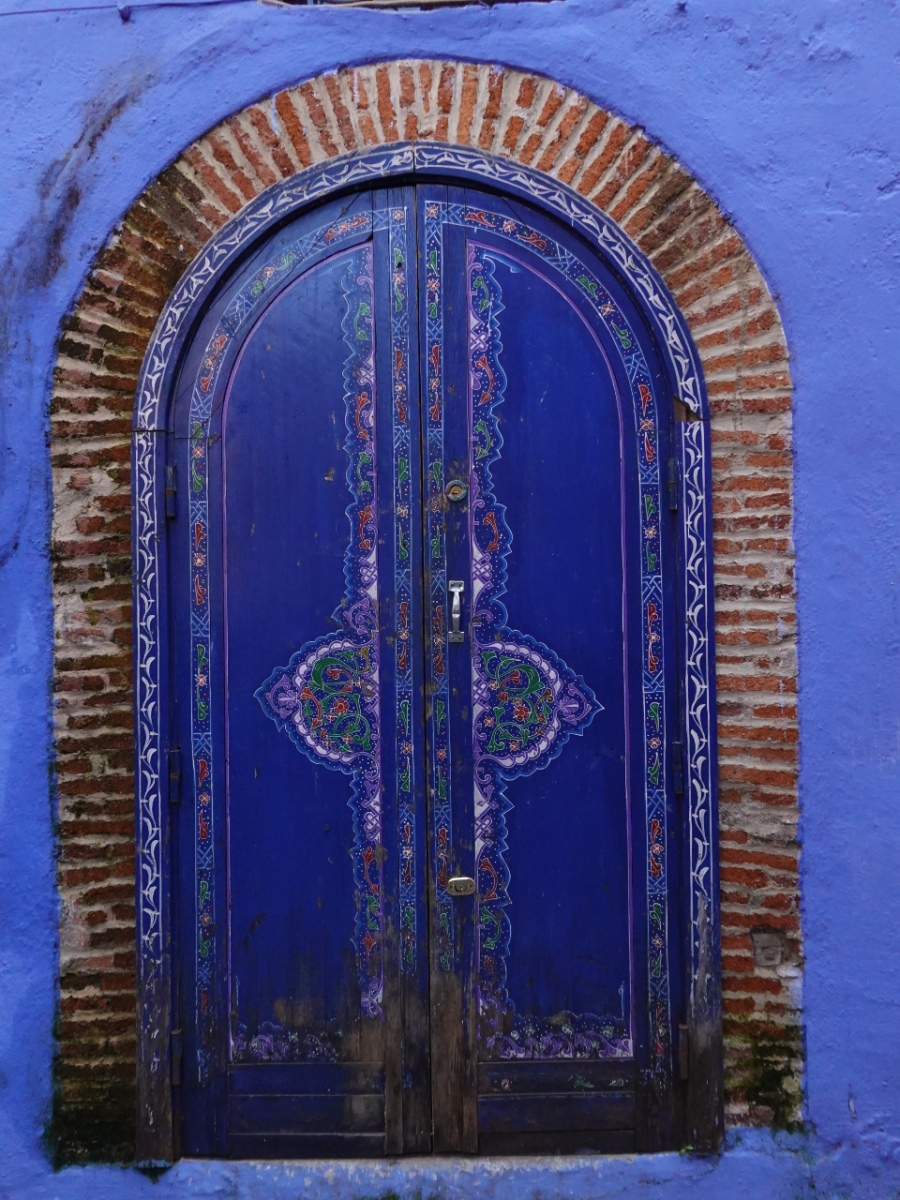 The blue village of Chefchaouen MA
 The blue village of Chefchaouen MA
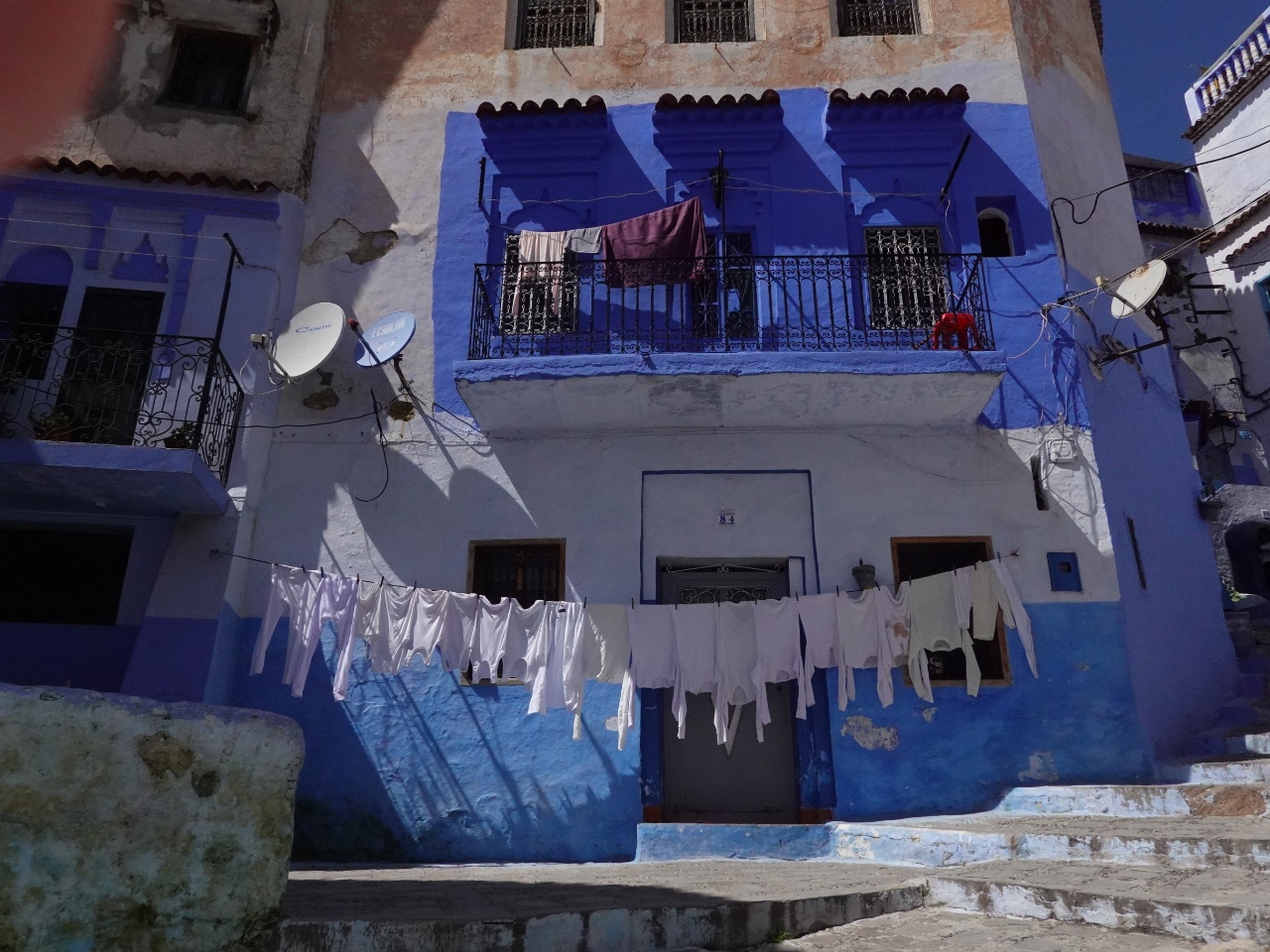 Laundry, chefchaouen MA
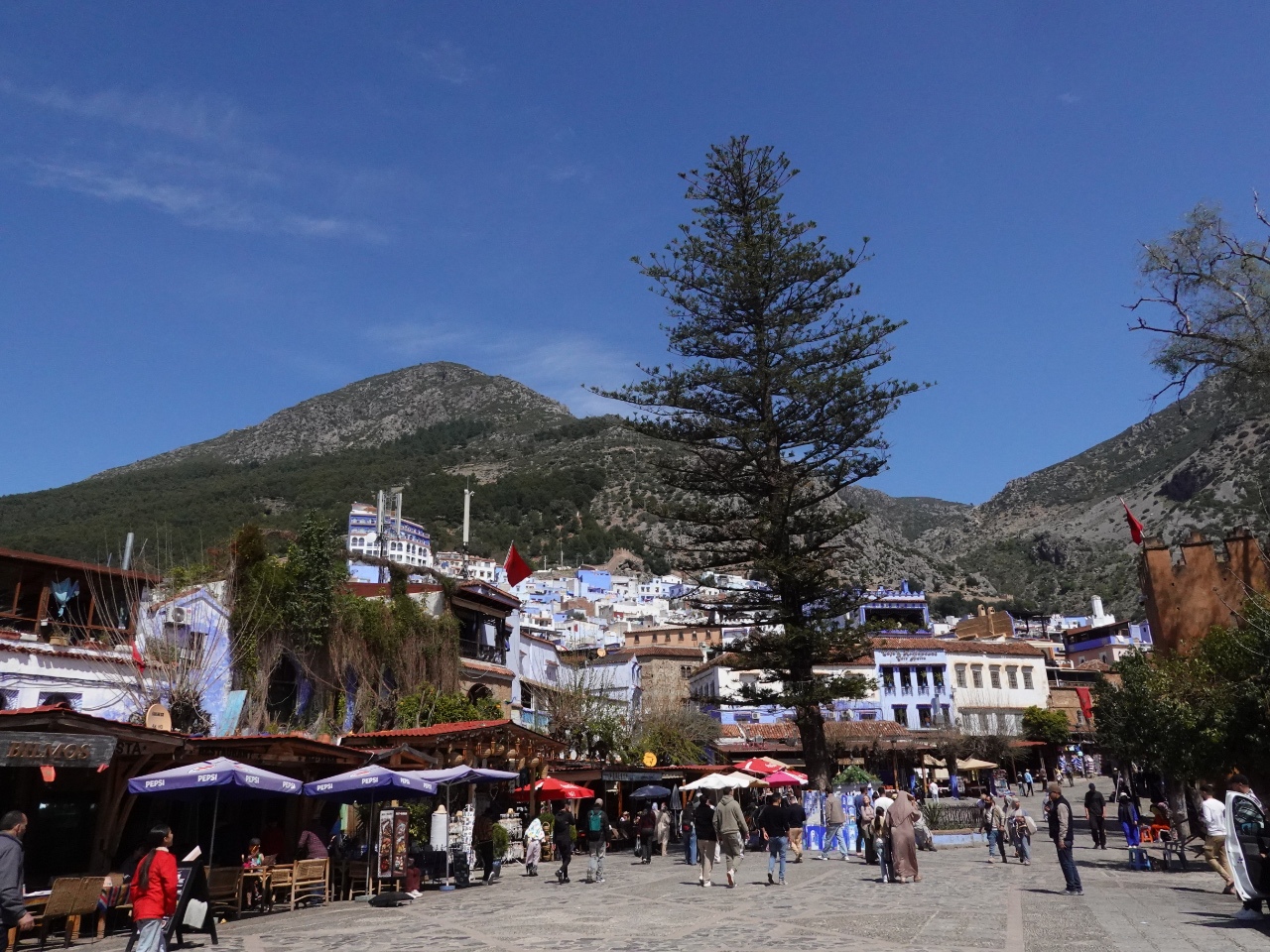 Place Outa El Hamam (square), Chefchaouen MA
 Cap Spartel, where the Mediterranean Sea meets the Atlantic Ocean. Tangier MA
 Cap Spartel, where the Mediterranean Sea meets the Atlantic Ocean. Tangier MA. with our driver Mahrid of two weeks.
 Cap Spartel, where the Mediterranean Sea meets the Atlantic Ocean. Tangier MA
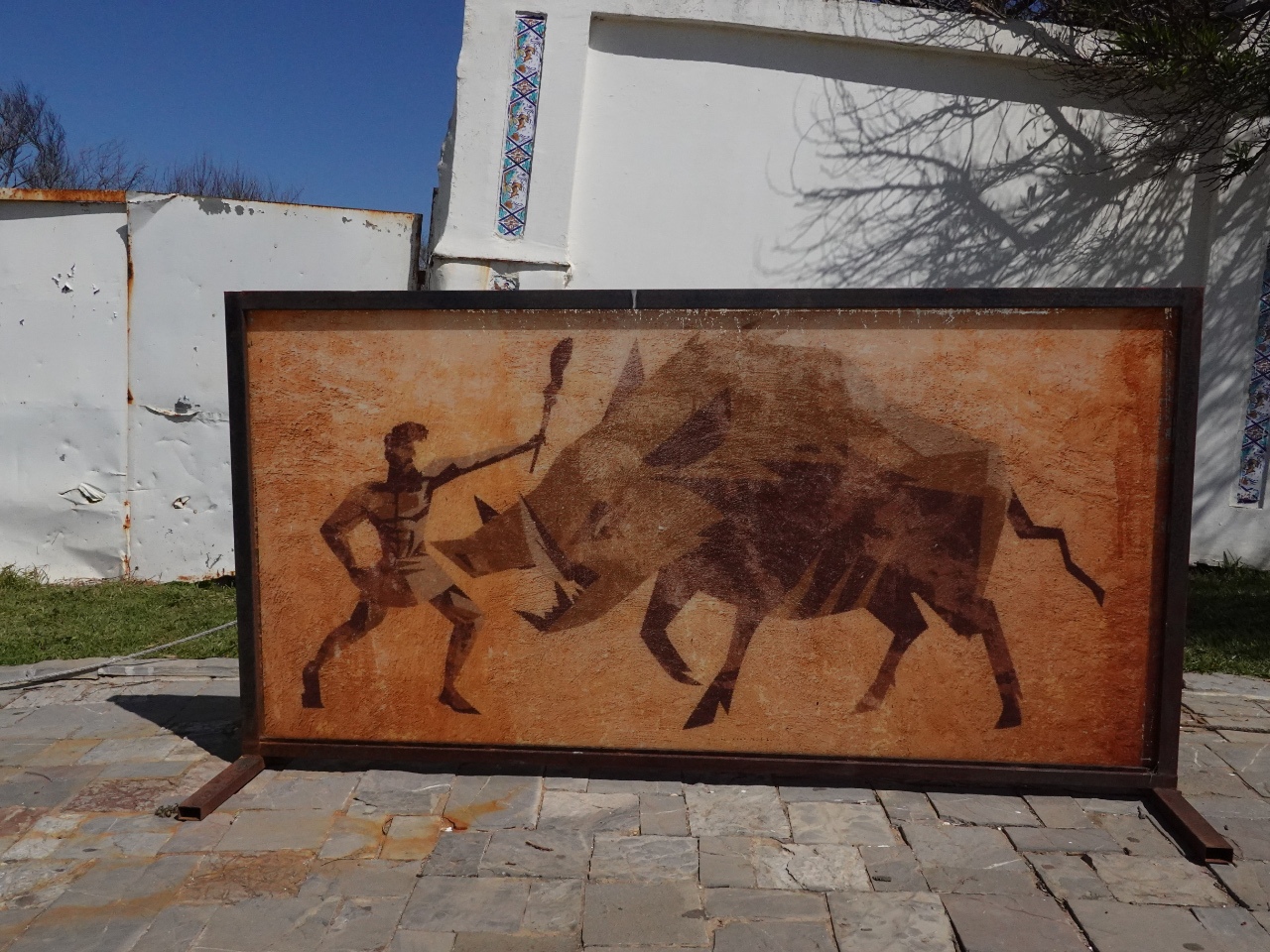 Hercules Cave, Tangier MA
 Hercules Cave, Tangier MA
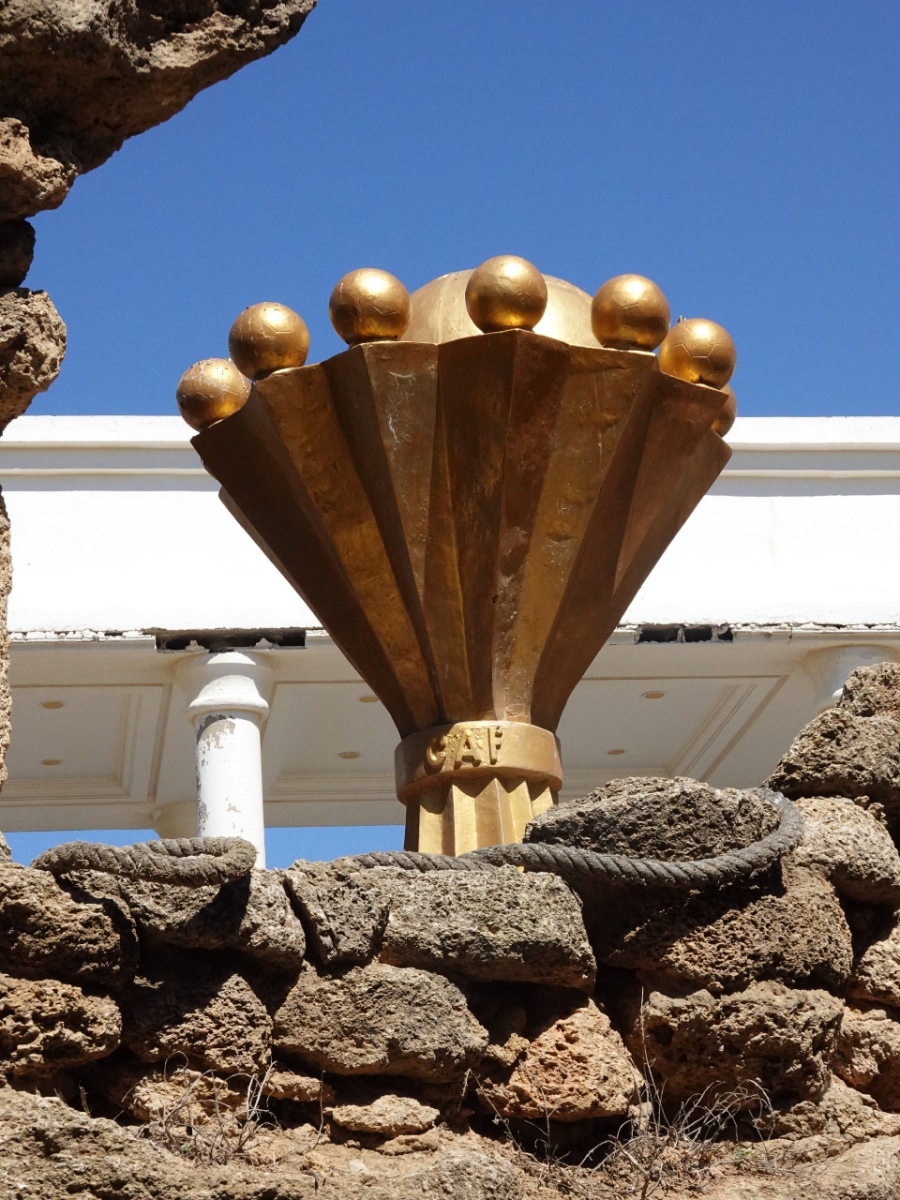 Hercules Cave, Tangier MA
 Hotel Rembrandt, Tangiers MA
 Bruce learnt how to voice record notes. I think there will be a lot to read. Hotel Rembrandt, Tangier MA
 A wander around Hotel Rembrandt, Tangier MA
 A wander around Hotel Rembrandt, Tangier MA
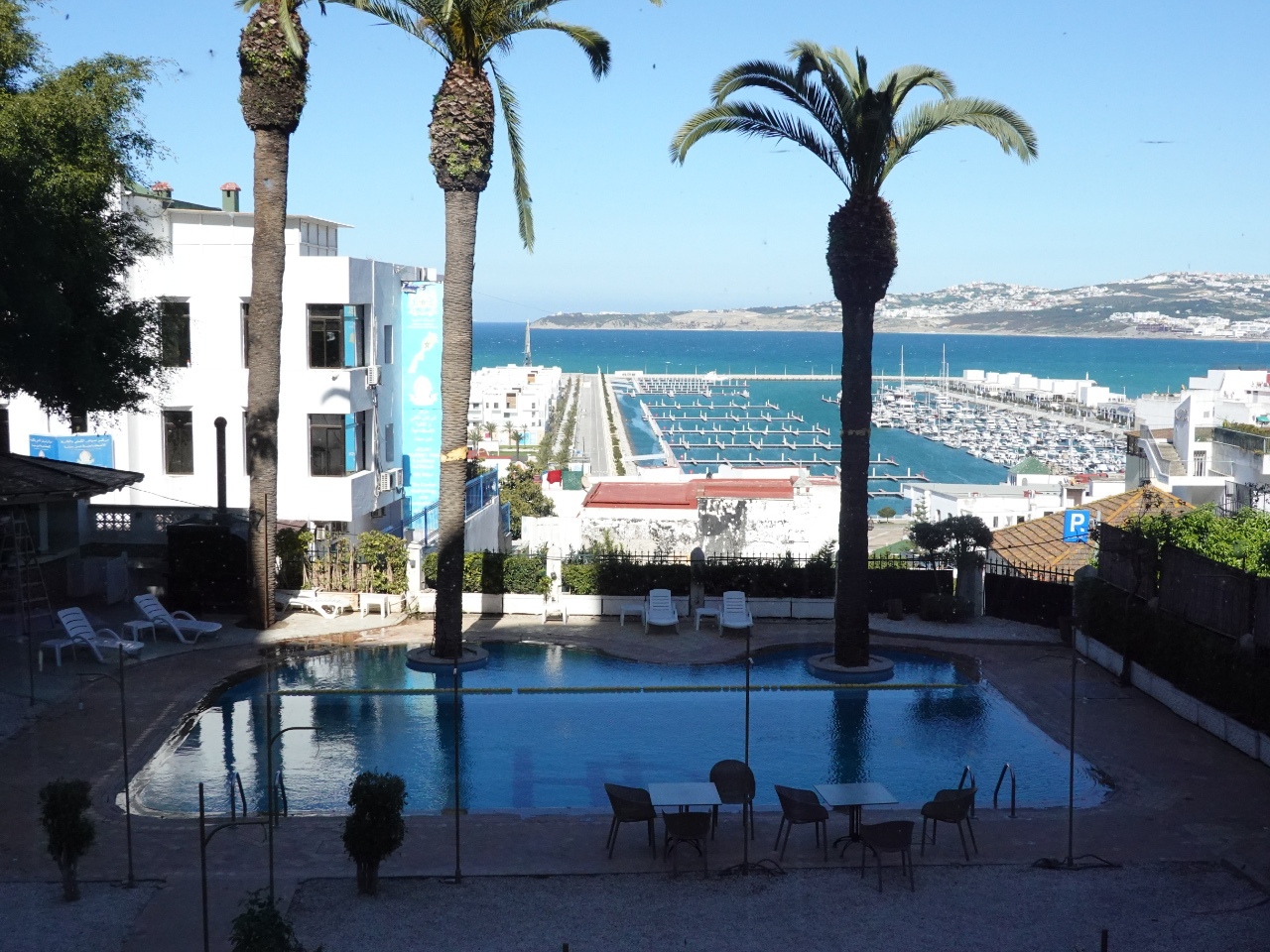 A wander around Hotel Rembrandt, Tangier MA