28 March – 29 April
Like so many other cities where our children have parked themselves, Granada is becoming a home away from home.
In 2005 Hayden moved to London and we enjoyed exploring his world there. He moved to Barcelona in 2007, and during a number of visits until 2015, it became a familiar town.
His next stop was Berlin between 2015 and 2022. We walked and toured in and out of the city. We loved its quirkiness.
Meanwhile, between 2015 and 2020 Evan lived in New York, first in Harlem, then in Hell’s Kitchen. We used our visits to drive west, north, east and south, covering most states.
Granada is small and doesn’t offer a lot more than the Alhambra and the Cathedral, but somehow, we manage to entertain ourselves and make new discoveries.
We timed our visit to see Semana Santa, the famous Spanish Easter parades. We also made our regular visit to the Science Park.
But other highlights this visit included the Spring flowers and the greening of the city after a cold winter. An odd statue dedicated to children learning and a little square such as the one dedicated to Fray Luis de Granada and its tight little streets captured our attention.
We visited Cuarto Real de Santa Domingo Royal Quarter of Saint Dominic, and for the ridiculous entry fee of €2 we entered a beautiful garden. The 13th century Nasrid palace was built for King Muhammad II, before the Alhambra. It was converted to the Convent of Santa Cruz la Real after the 1492 Christian conquest.
The Granada City Council purchased property in 1990 and conducted an archaeological excavation. A Moorish qubba or reception hall has now been preserved.
The highlight of our visit there was the historical exhibition of Granada as a tourist destination in the 19th century. Romantic tours captured the personal experiences of the budding tourist industry. Despite an arduous and often dangerous journey from the coast, the reward for the growing bourgeoisie class was touring the Alhambra and the gypsy caves. Artists of all disciplines were drawn to this unique setting. The exhibition information as a travel brochure describes it:
Granada and Romanticism. Travel in the 19th Century
Romanticism was a cultural and artistic movement at the end of the 18th century and reached its peak in the mid-19th century. This movement stands out for its exaltation of subjectivity, individuality and feelings, elements that the romantics believed to be essential in their search for the sublime and transcendental. Romantic artists and writers focused their attention on nature, exotic landscapes and cultures steeped in history and mystery.
In this framework, Granada played an important role in the romantic collective. With its evocative Islamic past and the rich fusion of cultures that are reflected in monuments and landscapes, the city stood out as a benchmark for writers, artists and intellectuals of the time. Granada embodied the fundamental ideals of Romanticism.
The exhibition “Granada and Romanticism. Travel in the 19th Century” invites us to journey into the past, when the city became an epicentre of inspiration for travellers. Through a unique collection of original pieces, documents, sketches and photographs, the exhibition explores the profound influence that Granada held over those who visited it during the 19th century.
The exhibit not only presents the Granada that fascinated romantic travellers in the 19th century, but also offers a reflection on how that legacy is still alive today in the contemporary city. The pieces on display allow the visitor to discover how those early romantic “tourists” influenced the perception of the city, creating an image that has persevered until our days: a Granada full of contrast, beauty and mystery.
The new technologies play an essential role in bringing the public closer to the historic context in an interactive and didactic way. Visitors can immerse themselves in the atmosphere of the time through virtual recreations, audios and visual resources that complement the physical pieces on display, offering an immersive and enriching experience.
Bruce had been a reluctant visitor today, but we both enjoyed the visit.
I tried to purchase tickets to see the Alhambra. Only extraordinarily expensive privately conducted tours were available, so we thought better of that and leave a visit until next time, where hopefully we can book months in advance.
We did however discover a large section of the Alhambra is free and open to the public, and very much worth a visit.
The square façade of the Palacio de Carlos V, palace of Charles V surprises you when you enter into a beautiful circular courtyard. The building was commenced in 1526 as an extra royal residence. It was uninhabitable when Philip IV visited in 1628. The construction was abandoned in 1637, leaving the roof unfinished.
In 1923, nearly four centuries after it was commenced Leopoldo Torres Balbás devised a plan to recover the building. Balbás was a Spanish scholar, architect and restorer who focused much of his work on the al-Andalus Islamic era of Granada, including the Alhambra. It really is a beautiful building and well worth the long wait to be shown off.
The palace hosted a number of exhibitions, including an informative insight into the importance of water in the gardens of the Generalife and the Alhambra. Islamic architects were famous for capturing and channelling water in their mostly dry climates. In this case they created magnificent gardens which are now the oldest surviving cultivated places in palaces in the entire world.
The exhibition included original artefacts from the Alhambra as well as model layouts of the palaces. We had an insight into the crafts of the Islamic construction process including marble sculptures, wooden and marble inlaid doors, carved window shades and the famous mosaic tiles.
There is even more to see in the open, free spaces of the Alhambra, which will have to wait for our next visit.
During our time in Barcelona, we learnt that bull fights in the Catalonian region are now banned. That isn’t the case in other regions of Spain. So after carefully studying the bus routes and timetables we visited the Plaza de Toros de Granada, Granada’s bull ring. It was closed and there were preparations in place for a concert within the bullring. But the building is typical of Spanish bullrings – a massive construction of decorative brick work with beautiful arches.
We then meandered down to the Avenida De La Constitucion. It’s a magnificent tree lined street with a rambla or pedestrian path down the centre. Statues of notable people include Napoleon III’s wife Eugenia de Montijo (born 1826 in Granada died 1920 in Madrid) and their famous bullfighter Salvador Sánchez Povedano (1842-1908).
We had a special request to visit the gardens of Carmen de los Mártires, to see some peacocks. It was a fun day, building little “tents” for the insects and animals that inhabit the gardens and chasing the peacocks.
We filled our time in Granada with visits to the school, including a demonstration of a drum lesson and reading “Bathtime for Little Rabbit”, in English, to the 2-year-olds. Bruce found some bunny ears to give the children a visual representation of the story.
We visited shopping destinations and parks, found fabulous new places to eat and drink as well as returning to old favourites.
We watched the snow melt on the Sierra Nevada and the snowmelt filling the streams.
Our family is well settled in Granada, so we will return as often as we can. And on each visit I guarantee we will find something new and interesting.
Our journey wasn’t over – we next journeyed to Salamanca then a tour around Galicia.
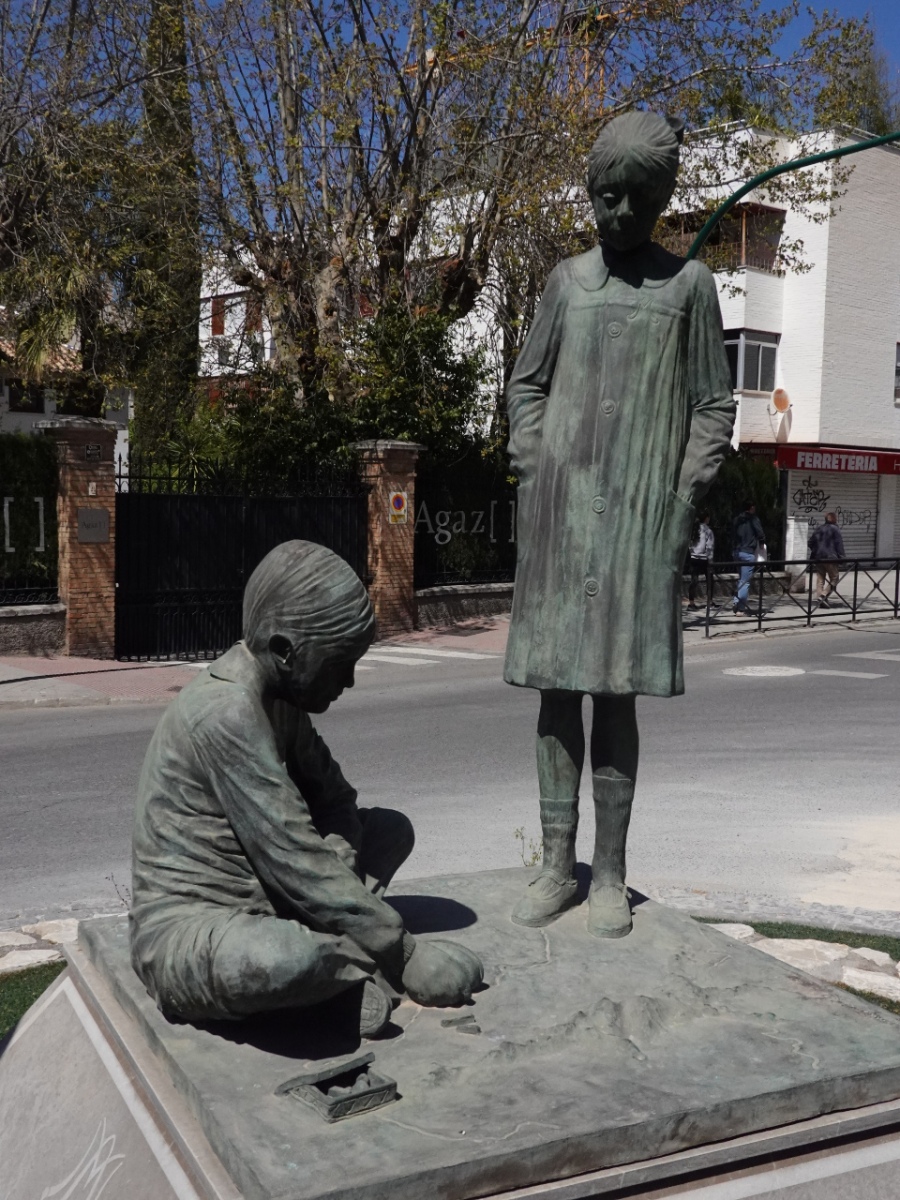 Statue in Carrera de Granada a las Escuelas del Ave María la Virgen. Boy and girl and relief map of Sierra Nevada. Granada ES
 Flowers. Cuarto Real de Santa Domingo (Royal Quarter of Saint Dominic), Granada ES
 Cuarto Real de Santa Domingo (Royal Quarter of Saint Dominic), Granada ES. Qubba 13C (tomb of a local wali such as a local Muslim saint or marabout)
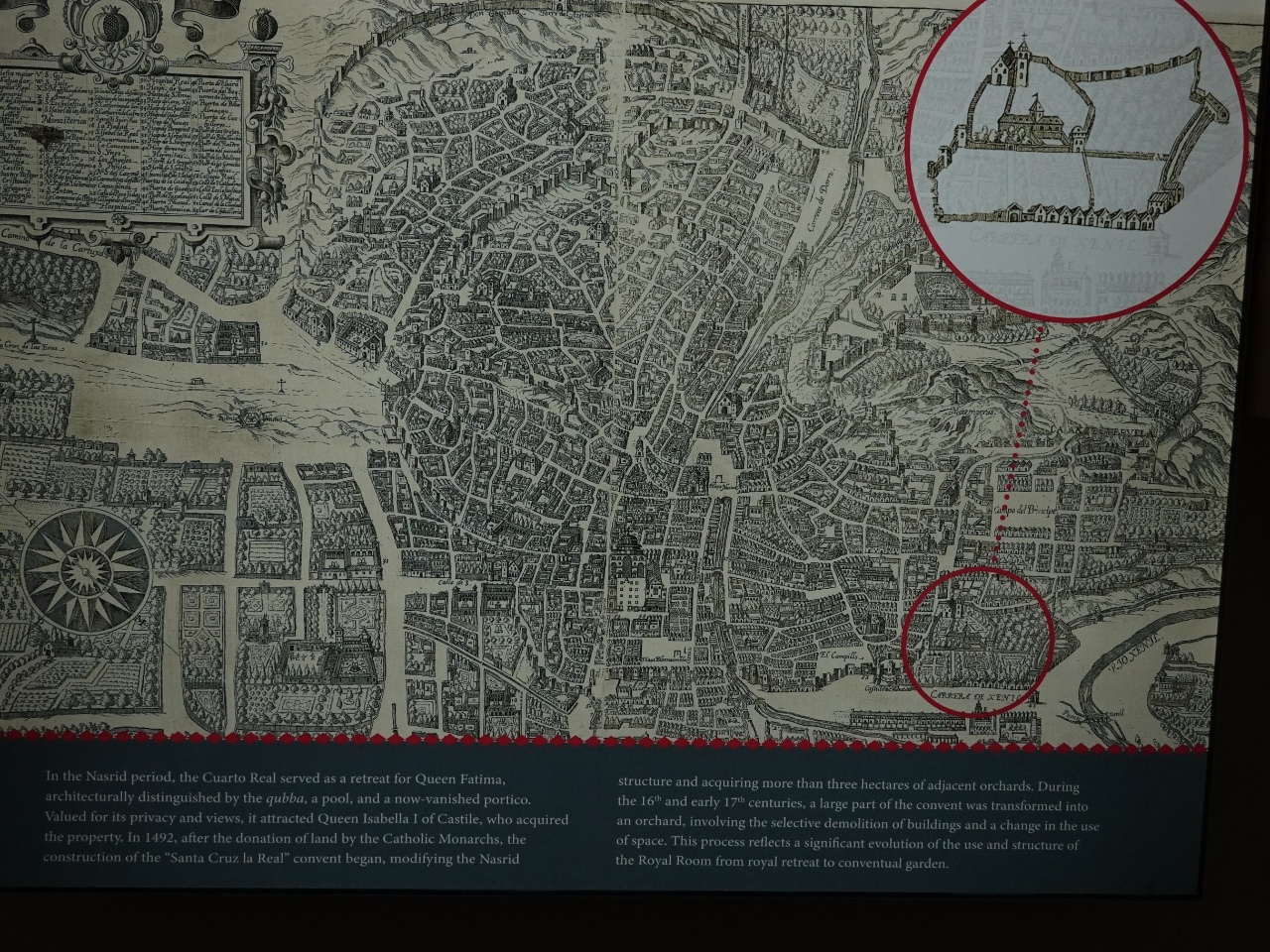 Cuarto Real de Santa Domingo (Royal Quarter of Saint Dominic), Granada ES. Military buildings 1145-1232.
 Cuarto Real de Santa Domingo (Royal Quarter of Saint Dominic), Granada ES. Military buildings 1145-1232.
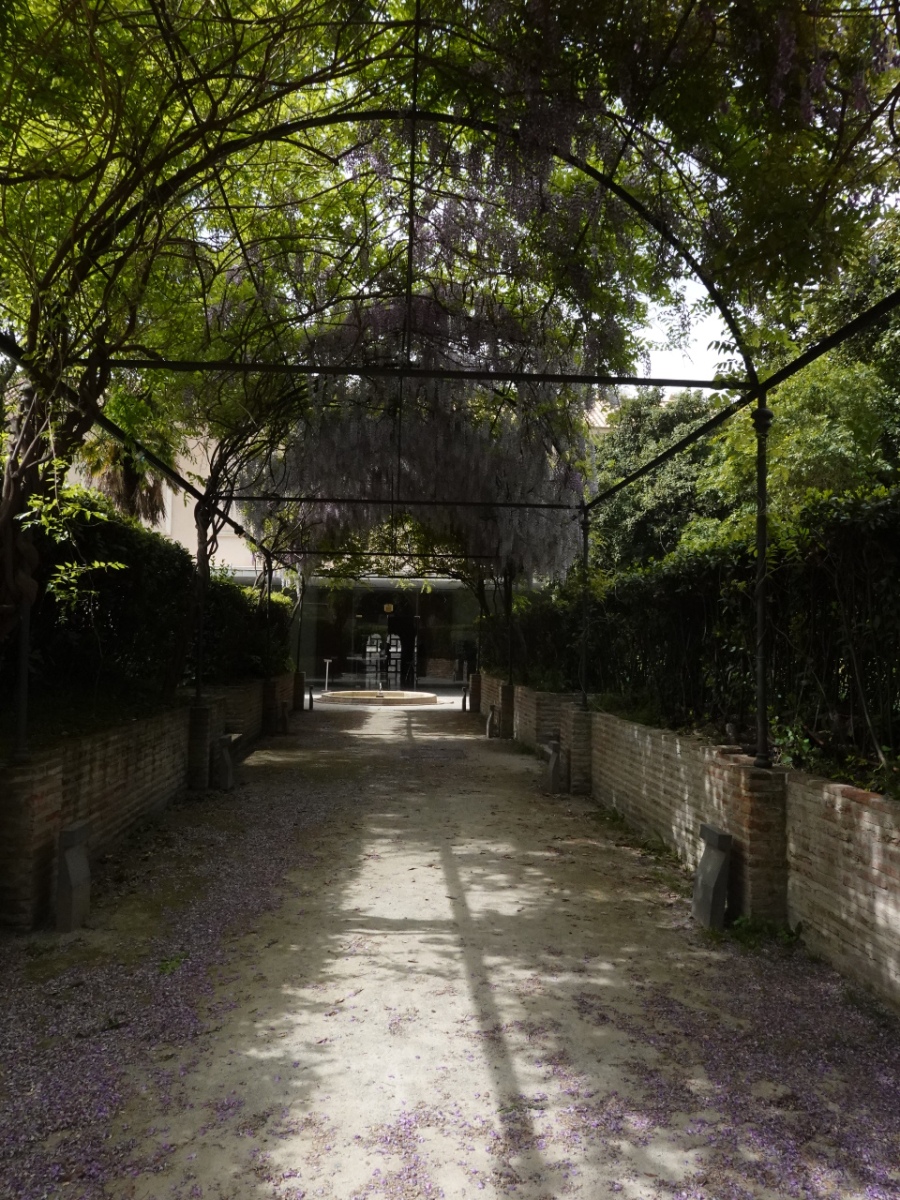 Cuarto Real de Santa Domingo (Royal Quarter of Saint Dominic), Granada ES. Gardens from 19th century.
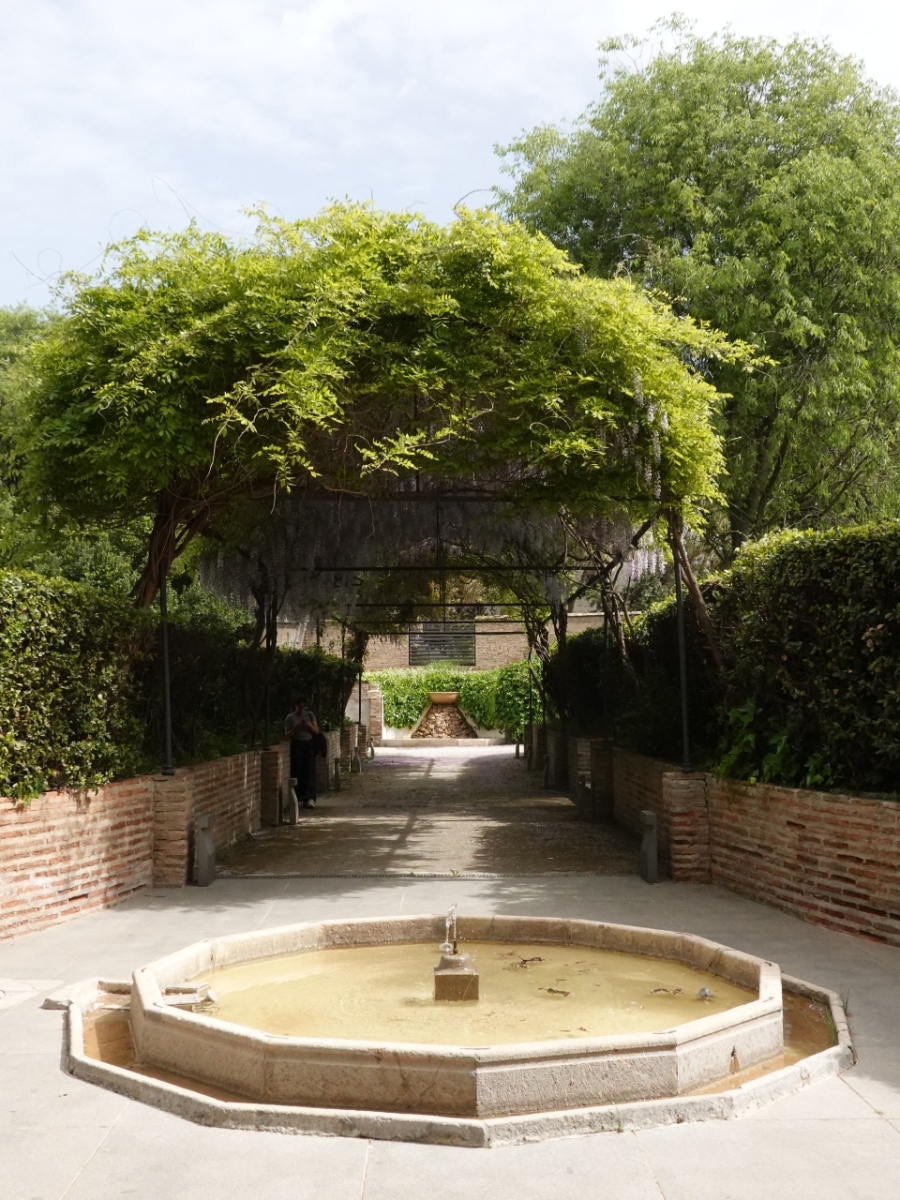 Cuarto Real de Santa Domingo (Royal Quarter of Saint Dominic), Granada ES. Gardens from 19th century.
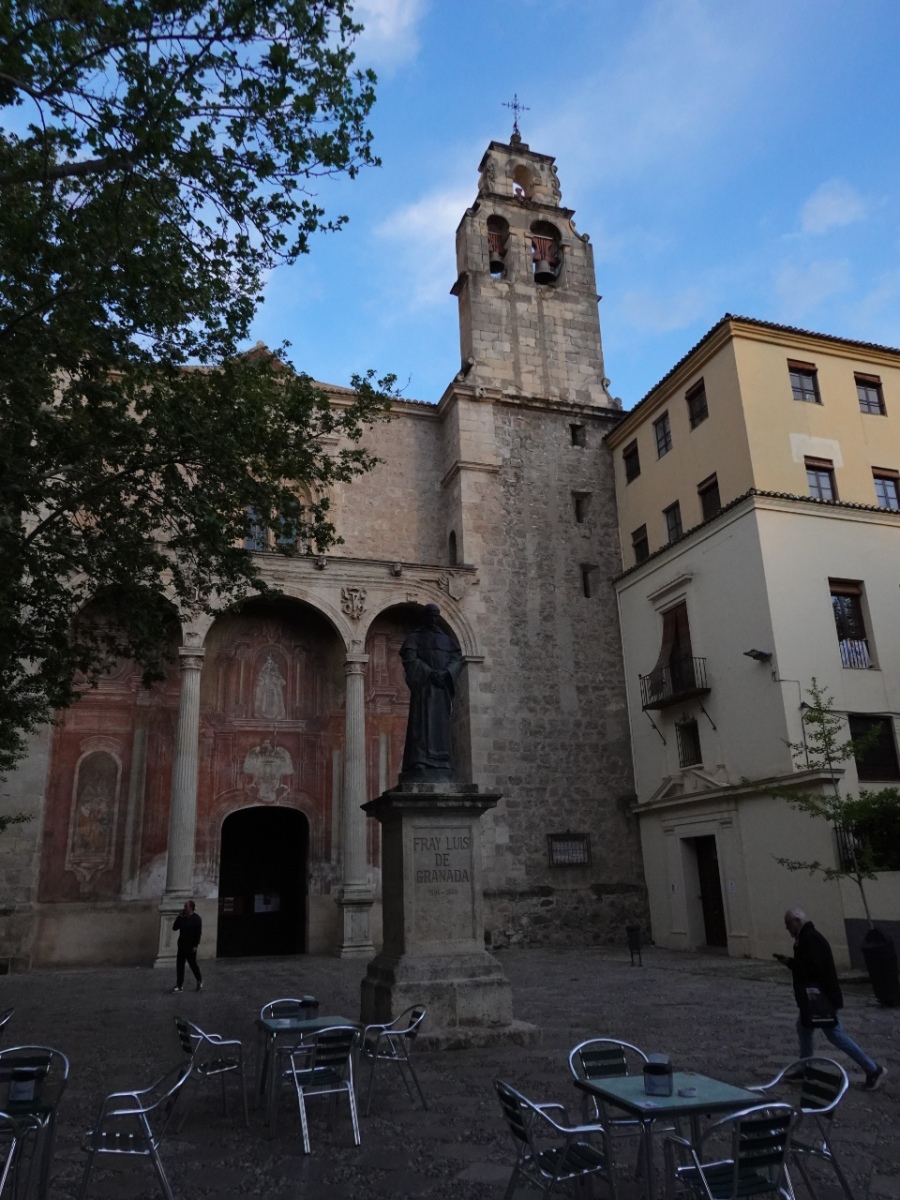 Fray Luis de Granada square, Granada ES
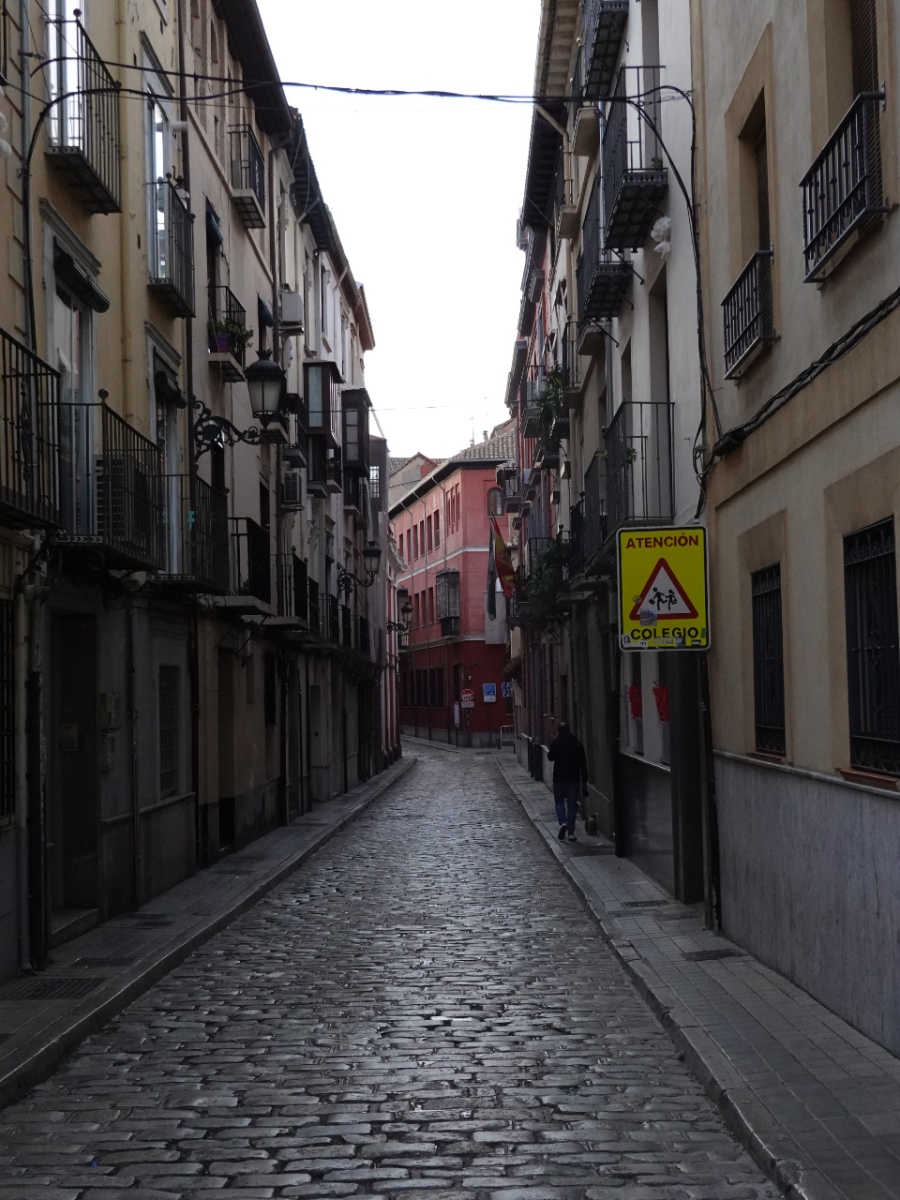 Near Fray Luis de Granada square, Granada ES
 Granada Palacio de Carlos V, Alhambra, Granada ES
 Granada Palacio de Carlos V, Alhambra, Granada ES
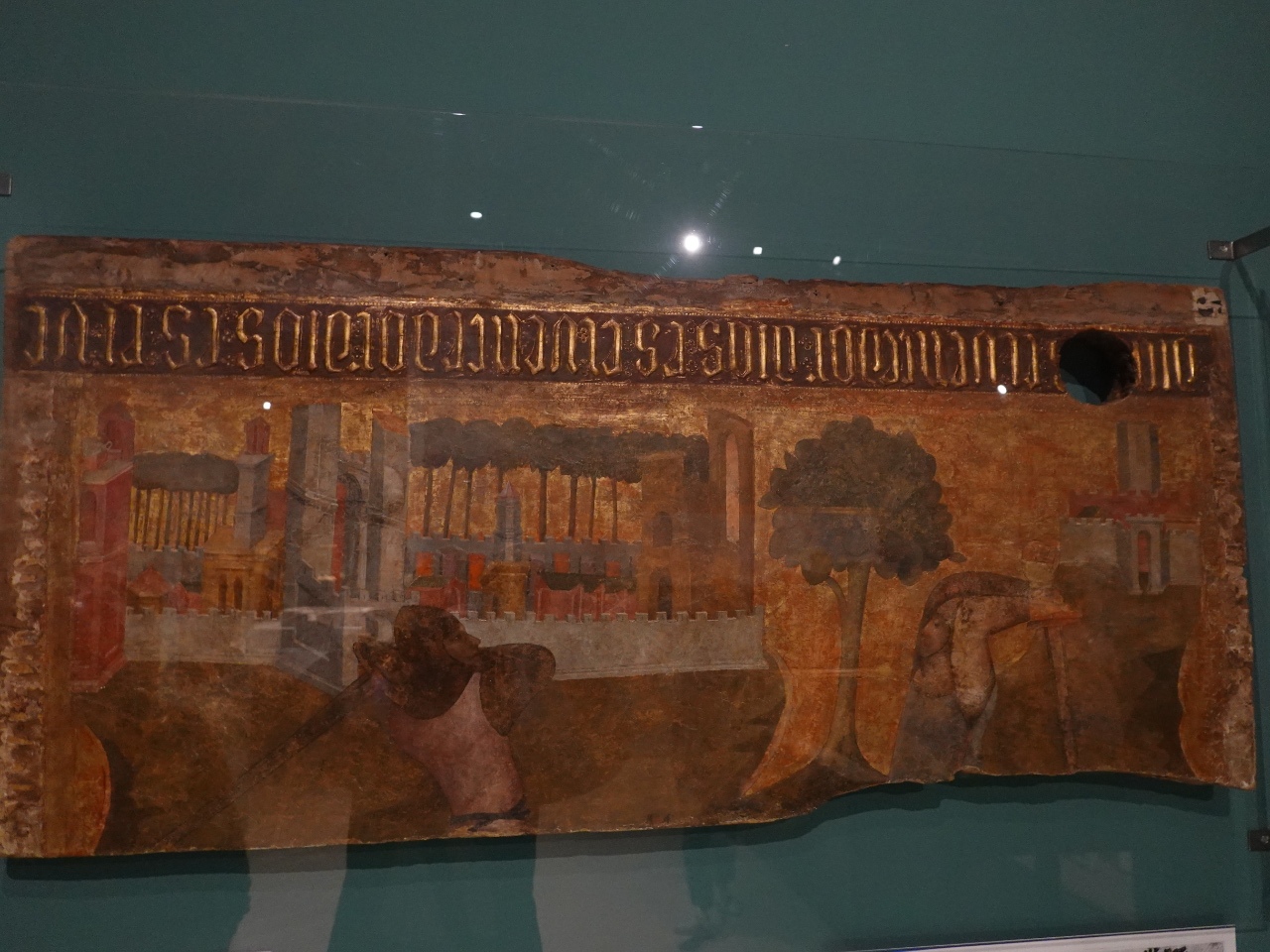 Original facade of the Alhambra. Granada Palacio de Carlos V, Alhambra, Granada ES
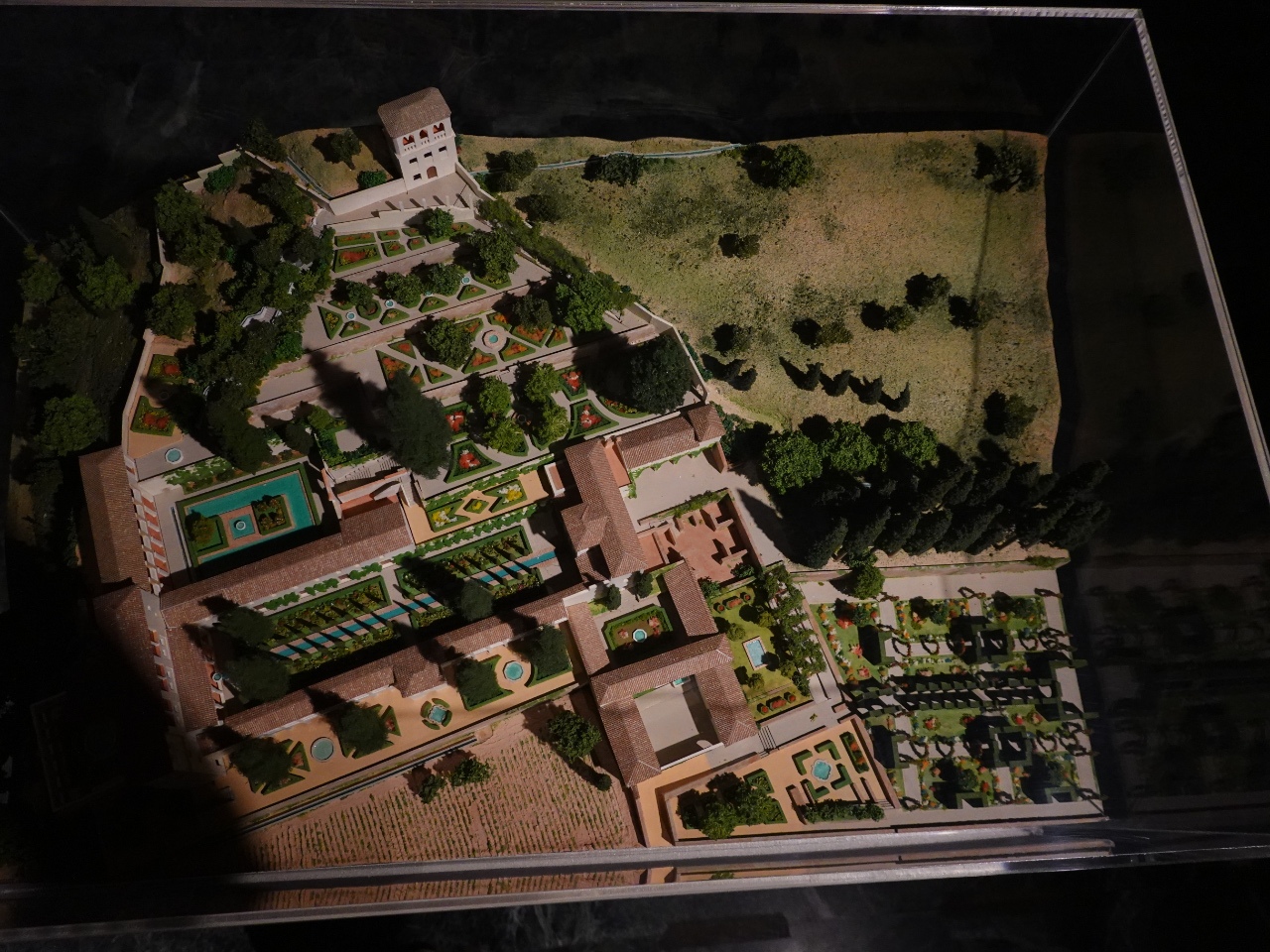 Granada Palacio de Carlos V, Alhambra, Granada ES. Model of Generalifi.
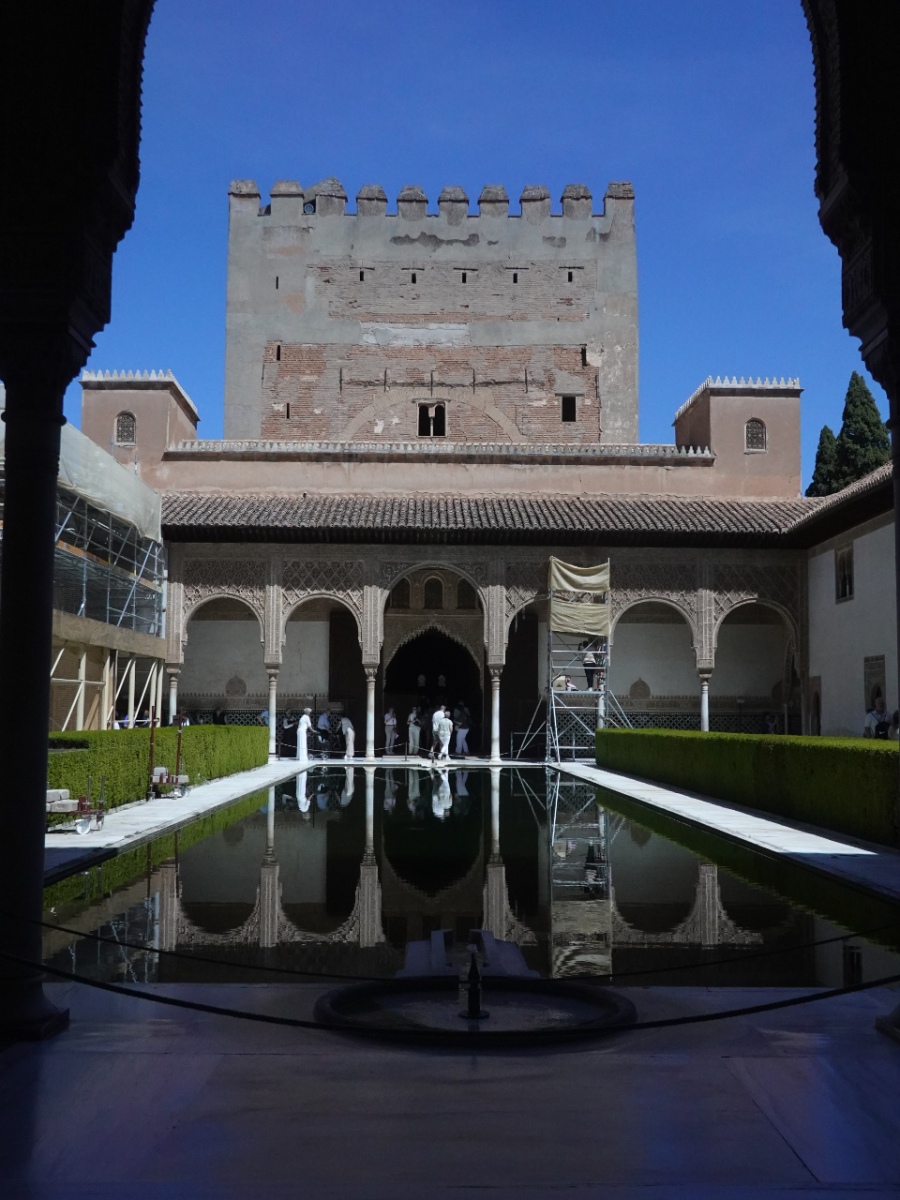 Granada Palacio de Carlos V, Alhambra, Granada ES. Looking into Alhambra gardens, under restoration.
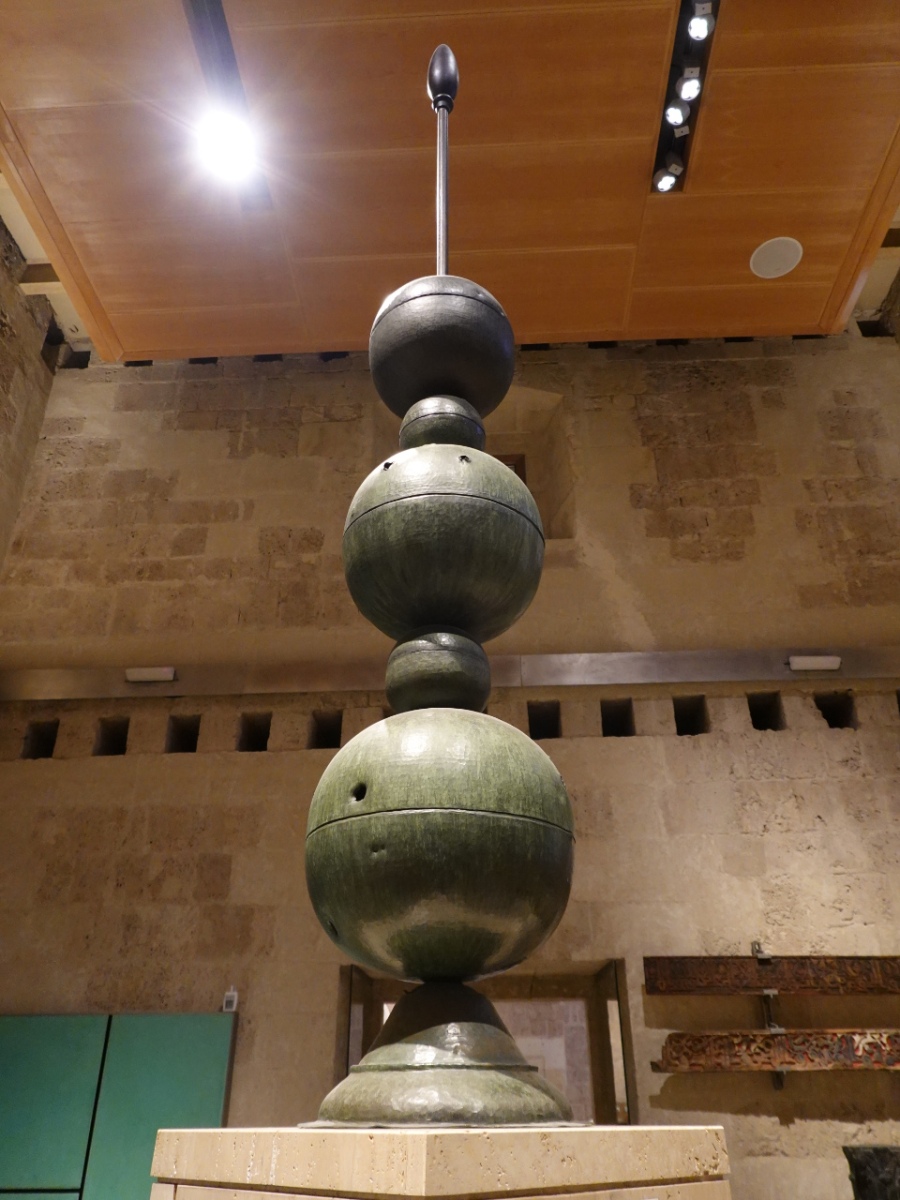 Granada Palacio de Carlos V, Alhambra, Granada ES. Yamür (balls on top of minaret) were reused by Christians.
 Granada Palacio de Carlos V, Alhambra, Granada ES. Lion with spout for fountain.
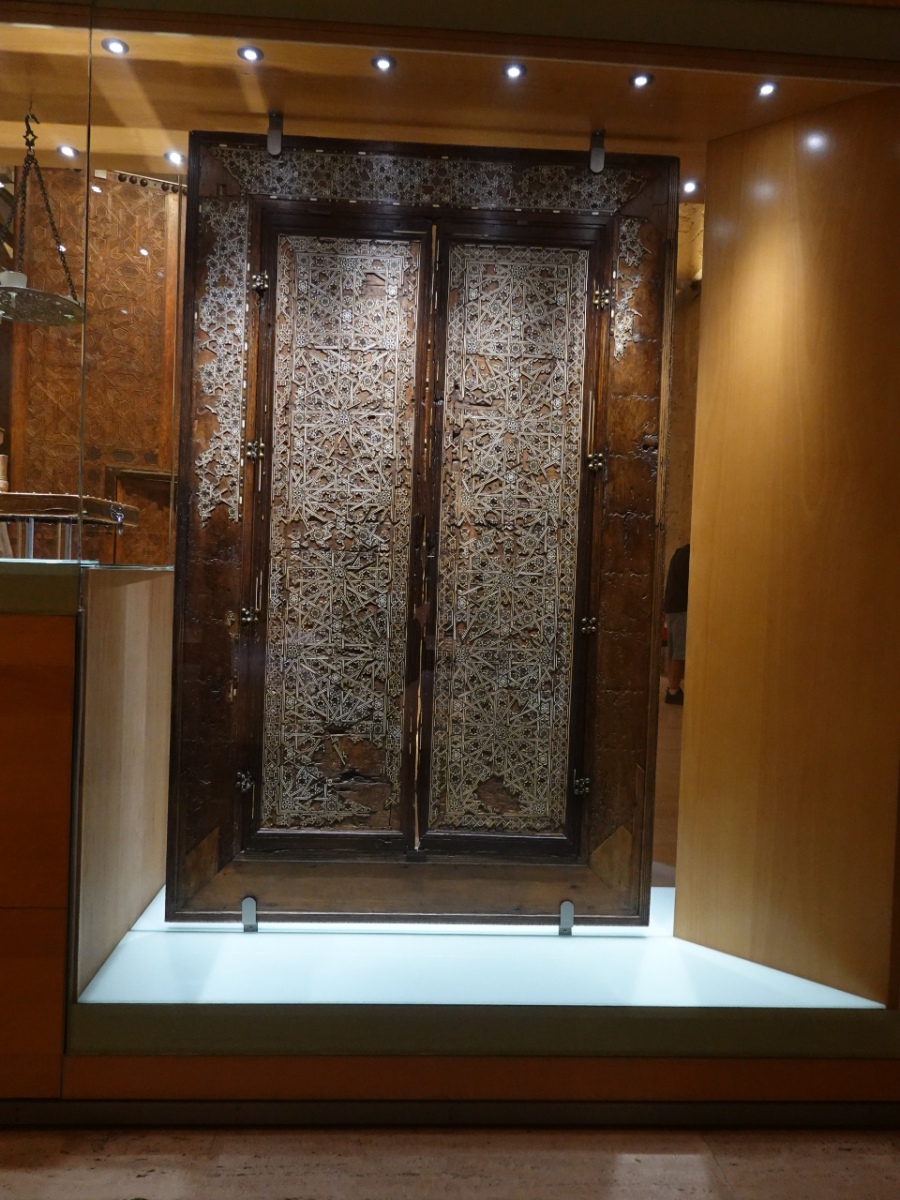 Granada Palacio de Carlos V, Alhambra, Granada ES
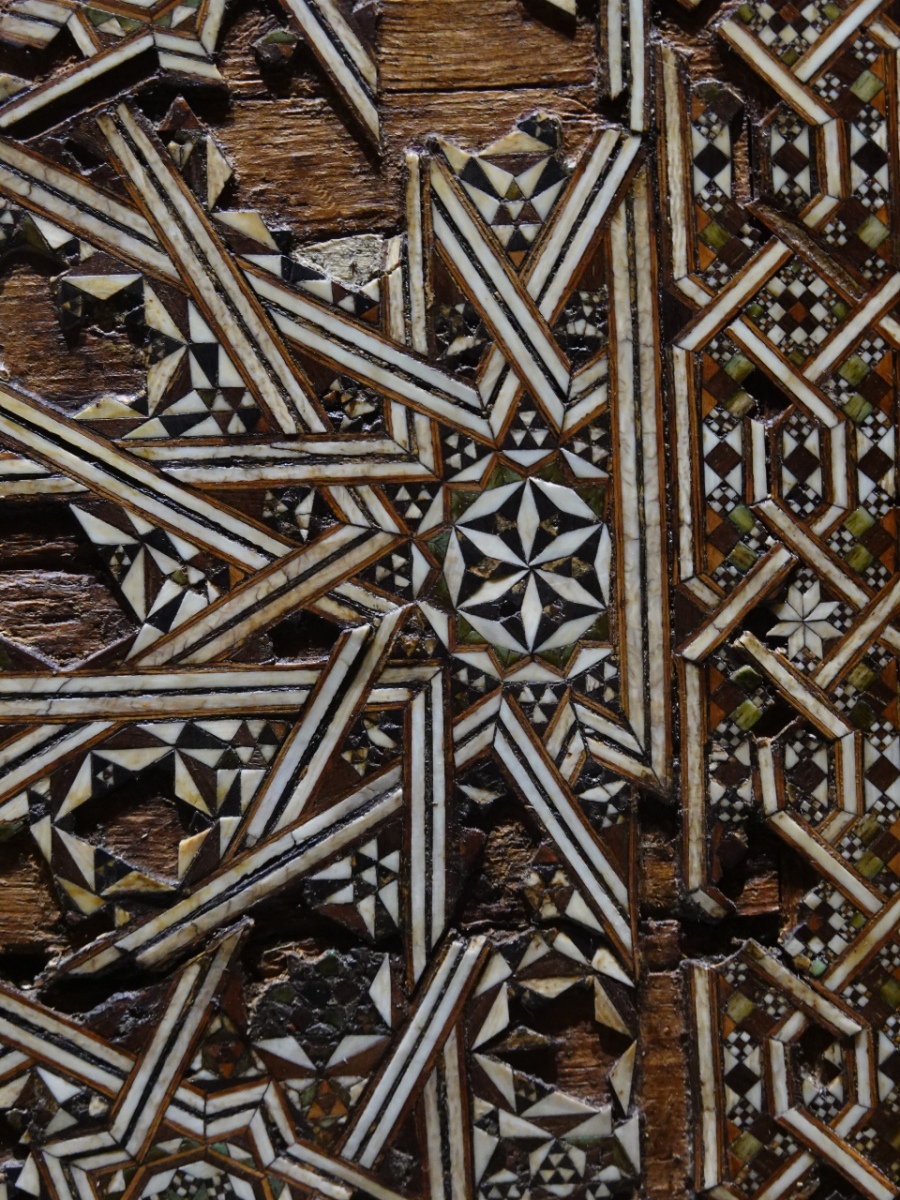 Granada Palacio de Carlos V, Alhambra, Granada ES
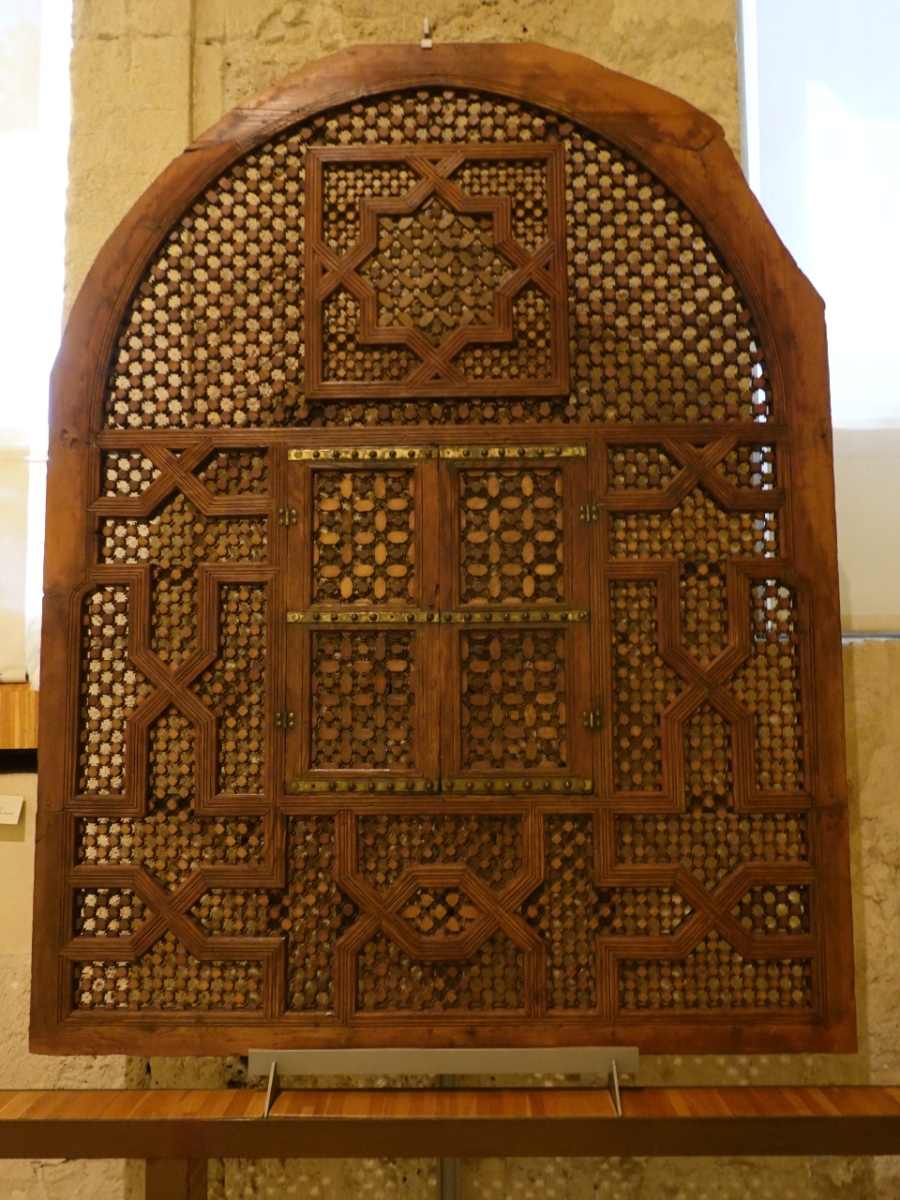 Granada Palacio de Carlos V, Alhambra, Granada ES. Window frame
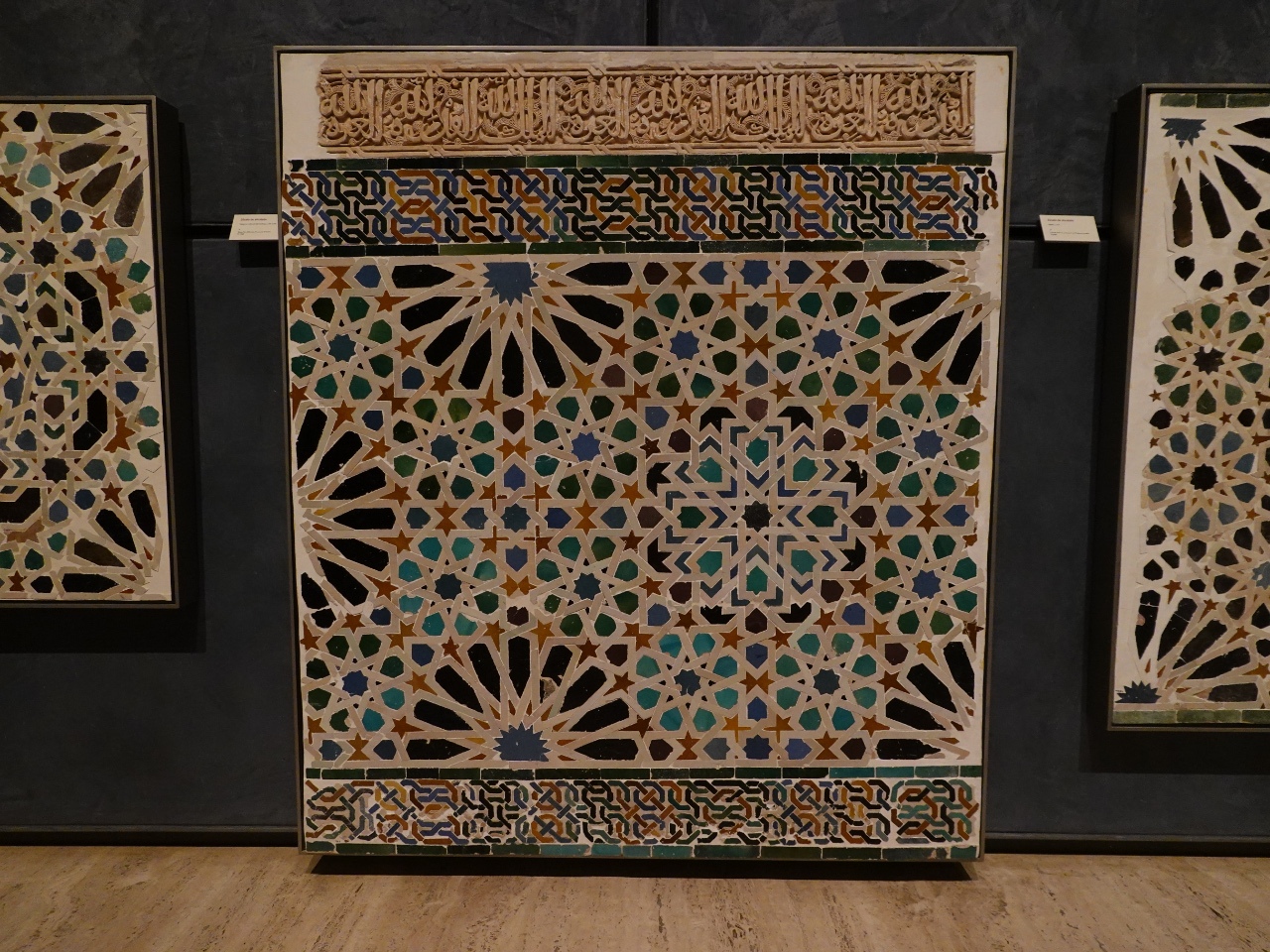 Granada Palacio de Carlos V, Alhambra, Granada ES. Mosaic tiles.
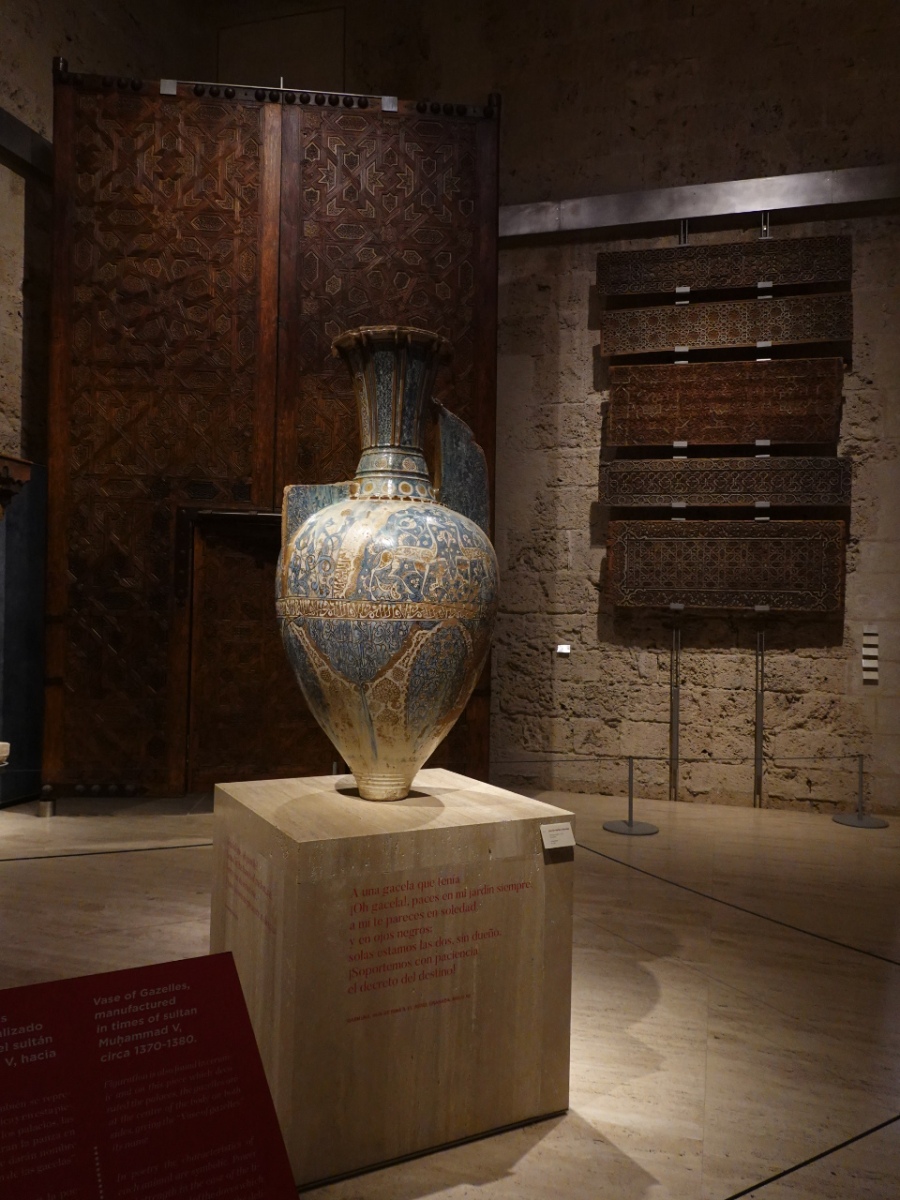 Granada Palacio de Carlos V, Alhambra, Granada ES. Vase of Gazelles (~1370-1380)
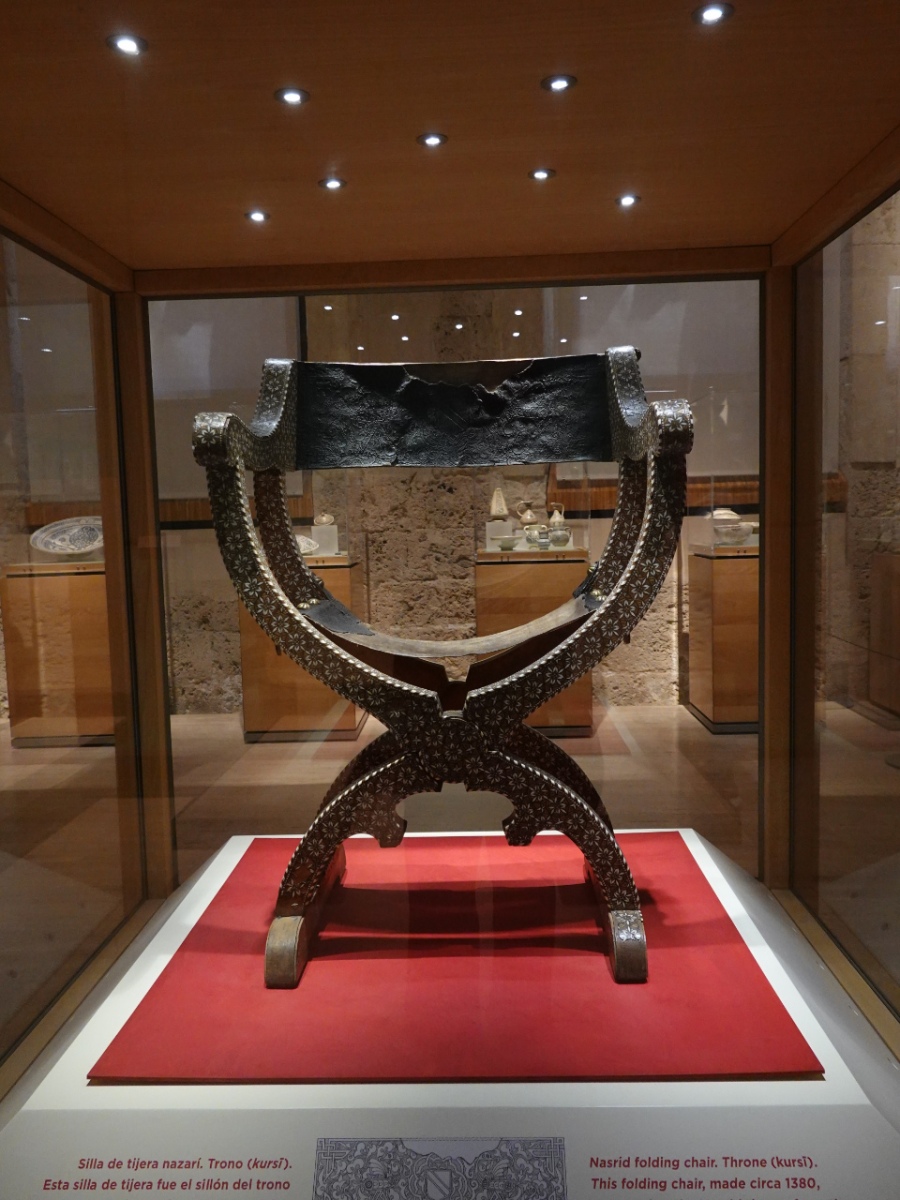 Granada Palacio de Carlos V, Alhambra, Granada ES. Nasrid folding chair (~1380)
 Granada Palacio de Carlos V, Alhambra, Granada ES
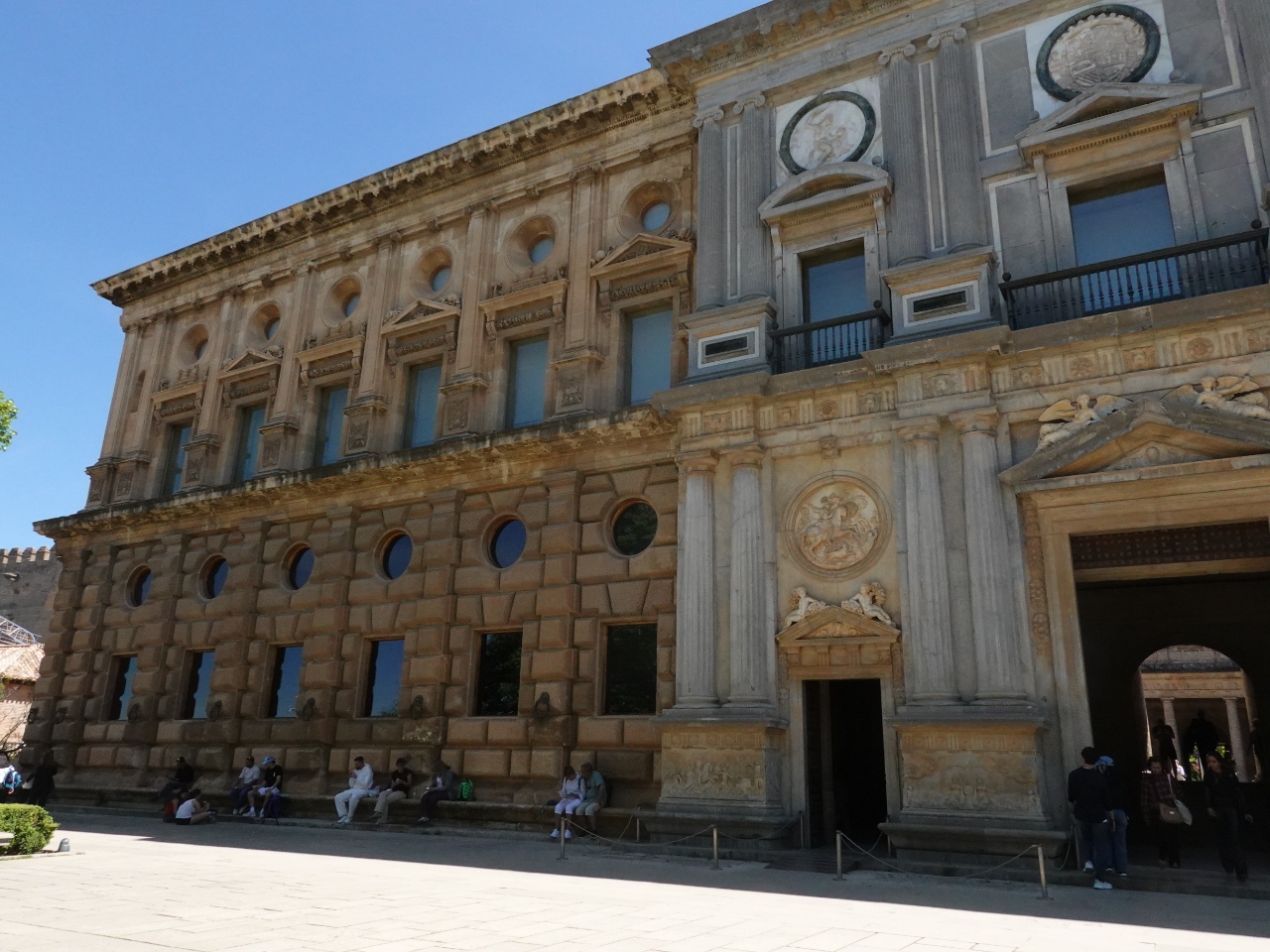 Granada Palacio de Carlos V, Alhambra, Granada ES
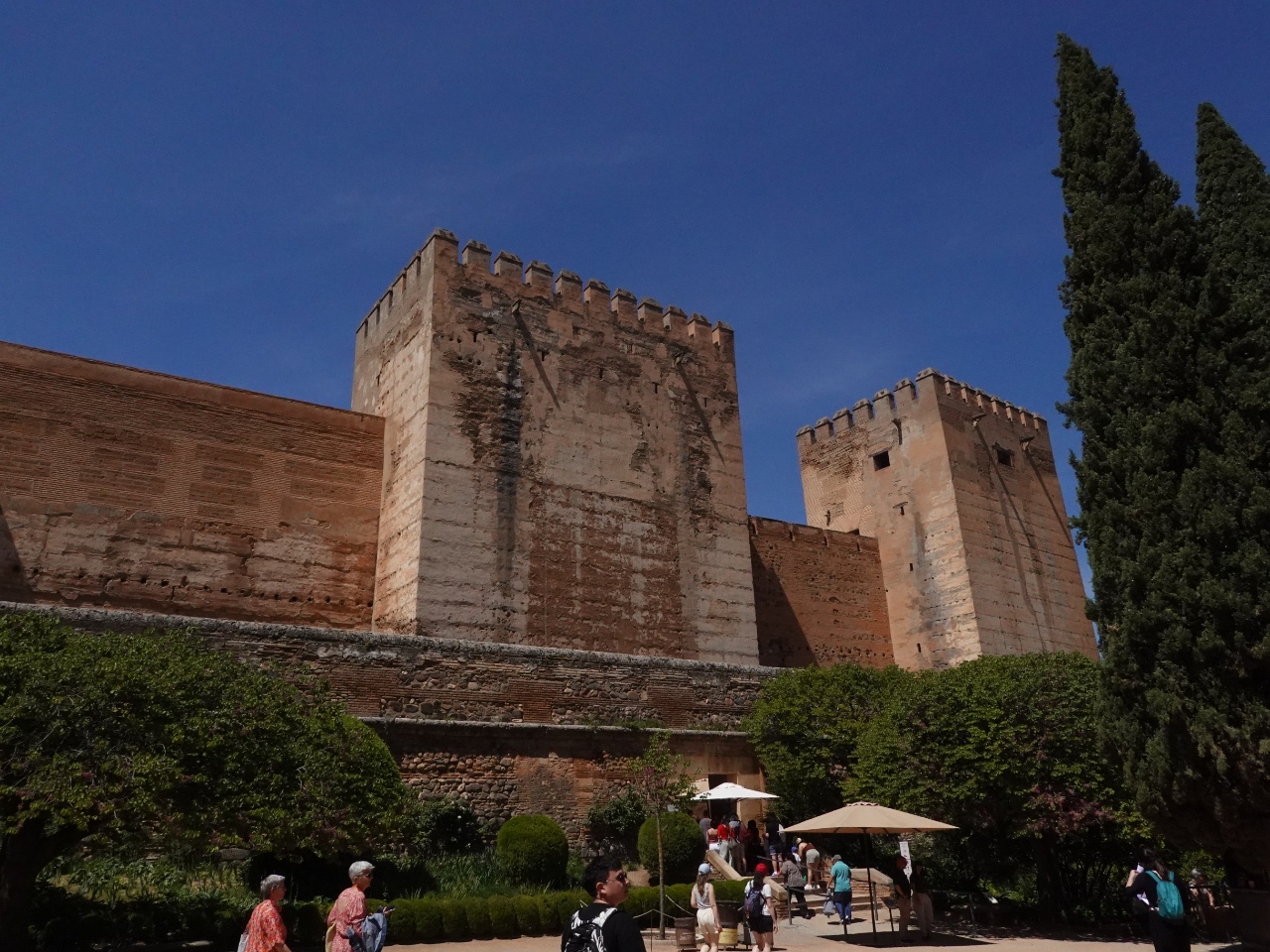 Plaza de los Aljibes de la Alhambra, Granada ES
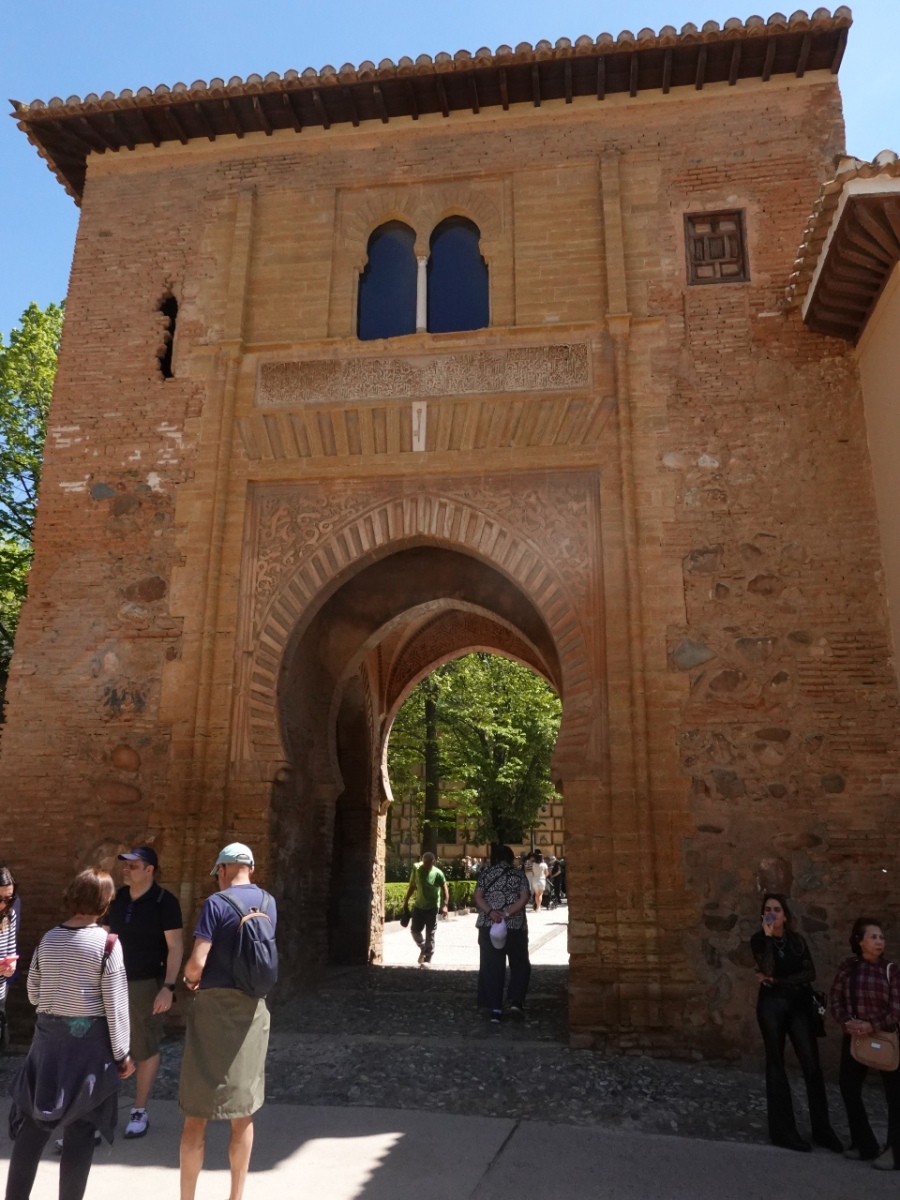 Puerta del Vino, Alhambra, Granada ES
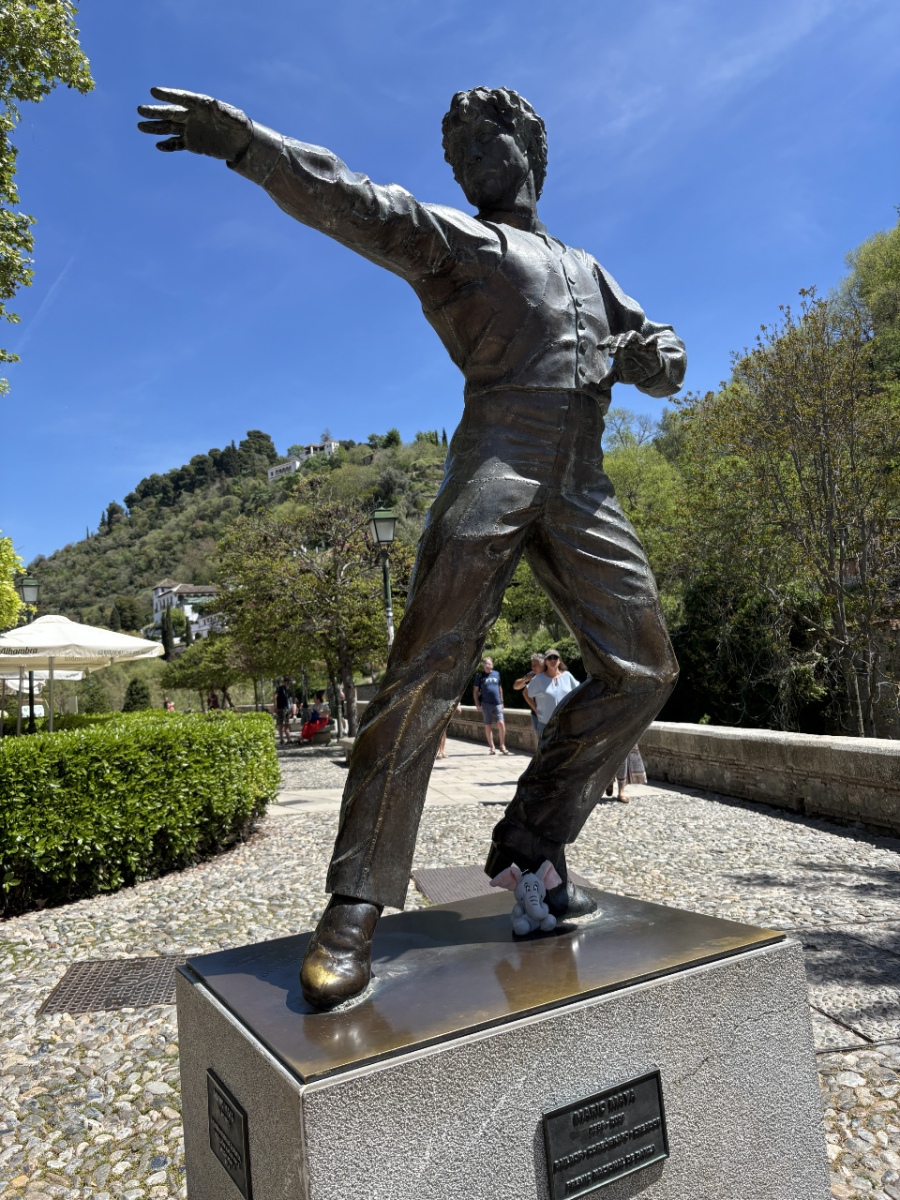 Monumento a Mario Maya, Granada ES
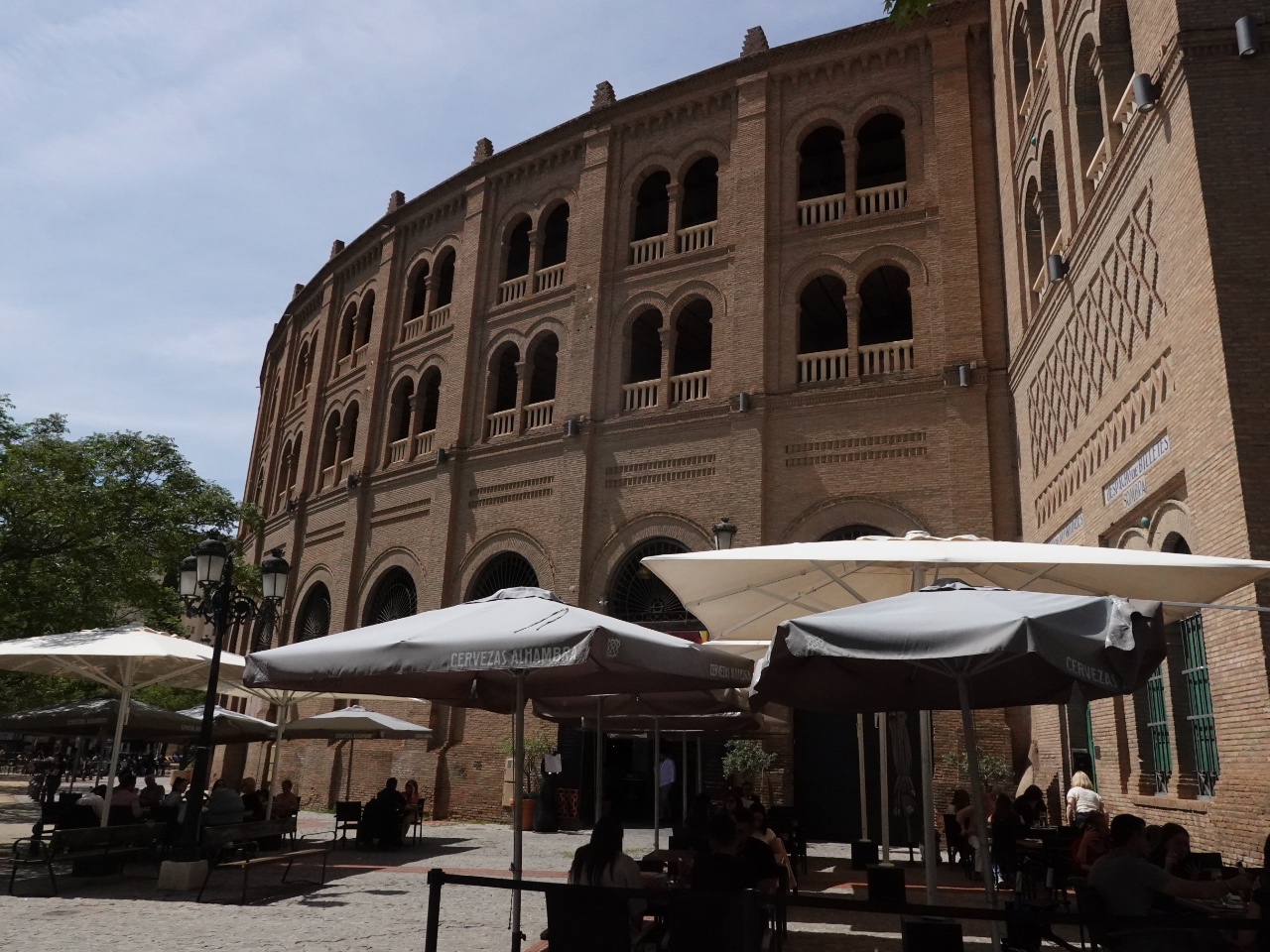 Plaza de Toros de Granada (bull ring), Granada ES
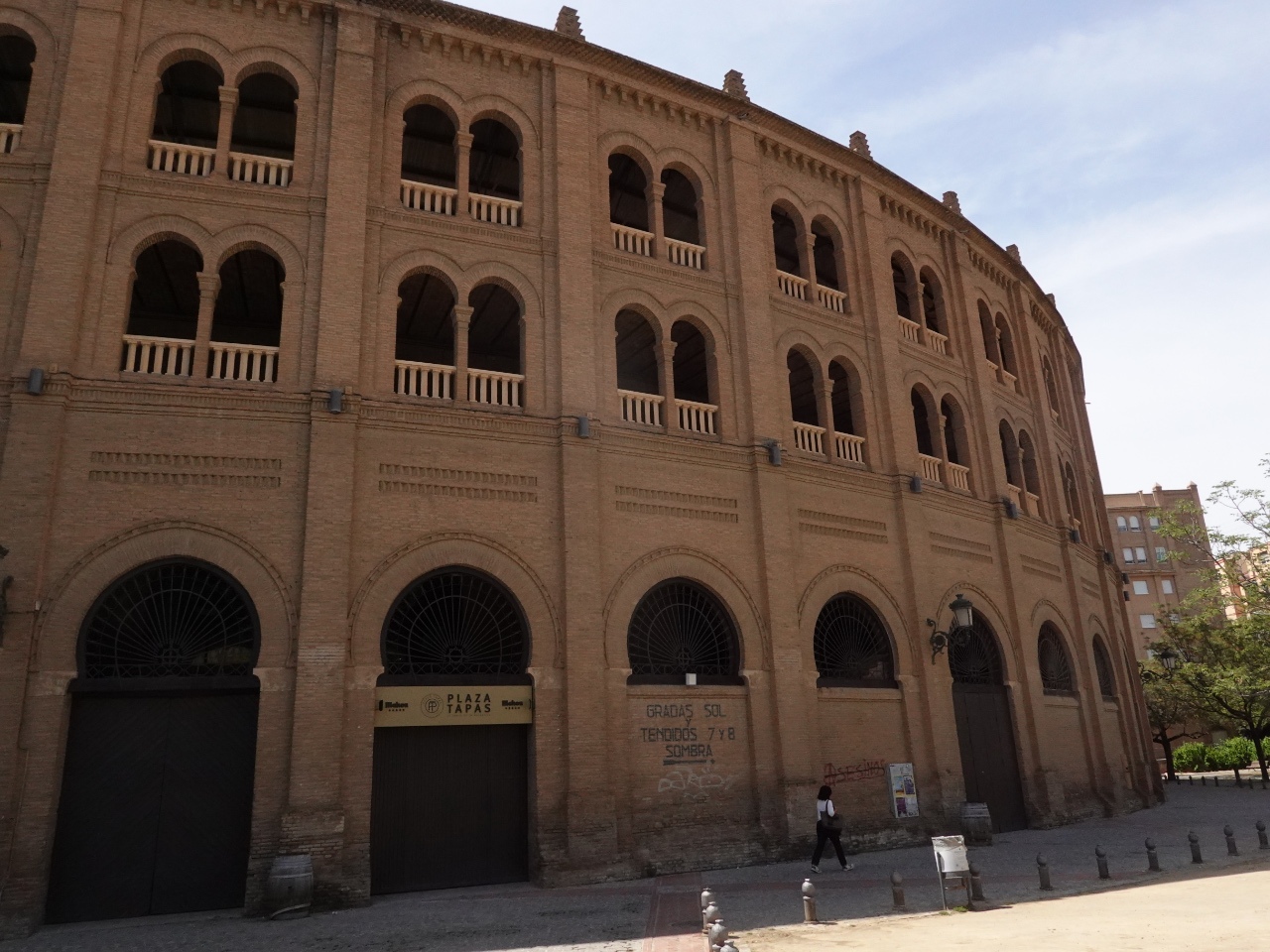 Plaza de Toros de Granada (bull ring), Granada ES
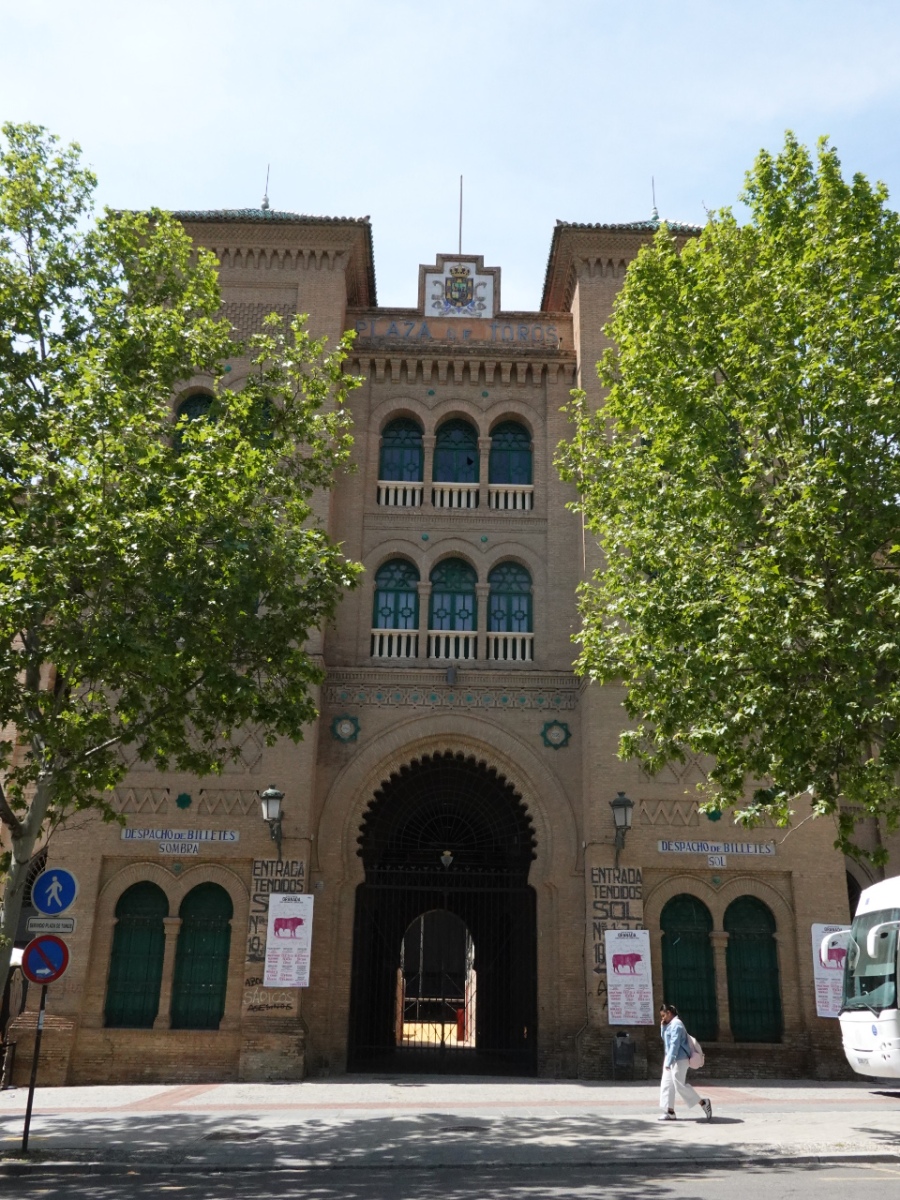 Plaza de Toros de Granada (bull ring), Granada ES
 Plaza de Toros de Granada (bull ring), Granada ES
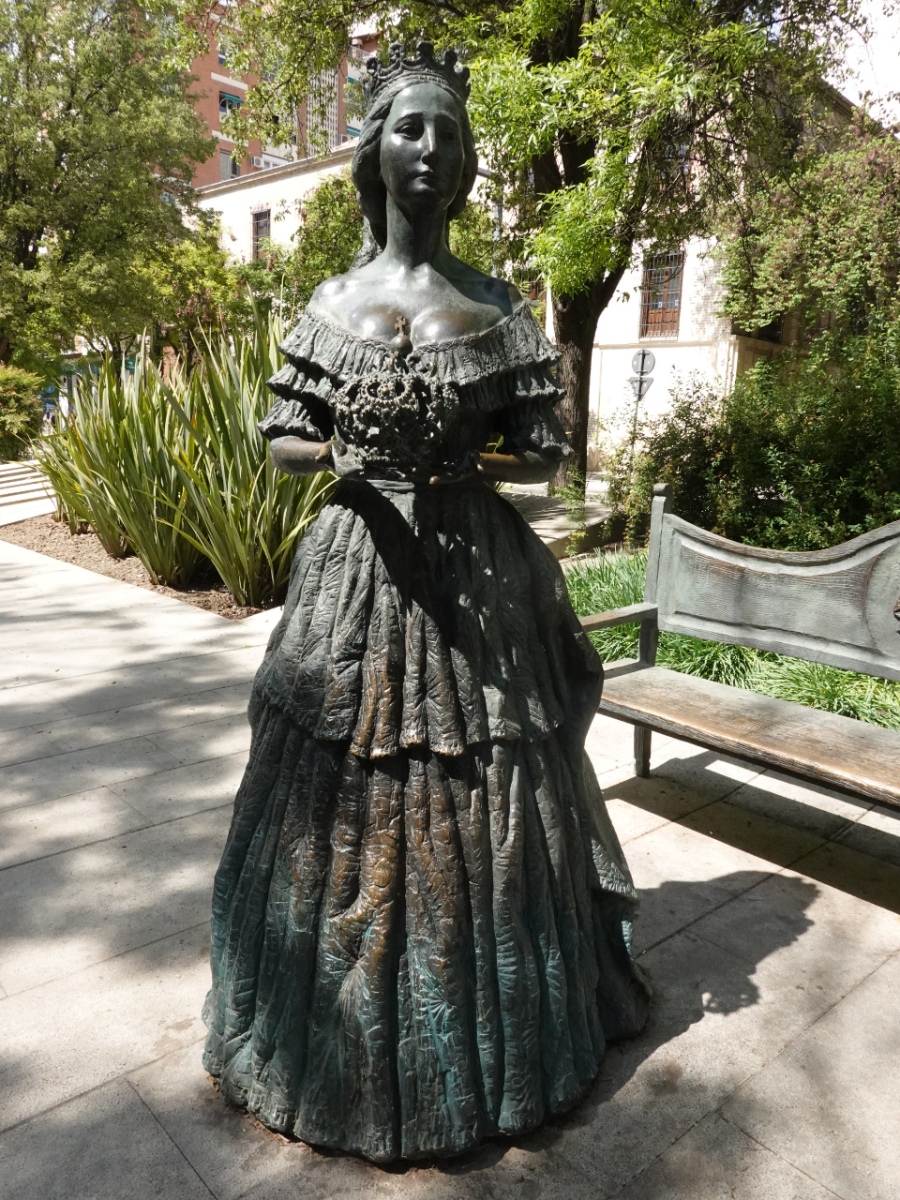 Avenida De La Constitucion, Granada ES. Eugenia de Montijo B:5 May 1826 in Granada, wife of Napoleon III D:1920 Madrid.
 Avenida De La Constitucion, Granada ES
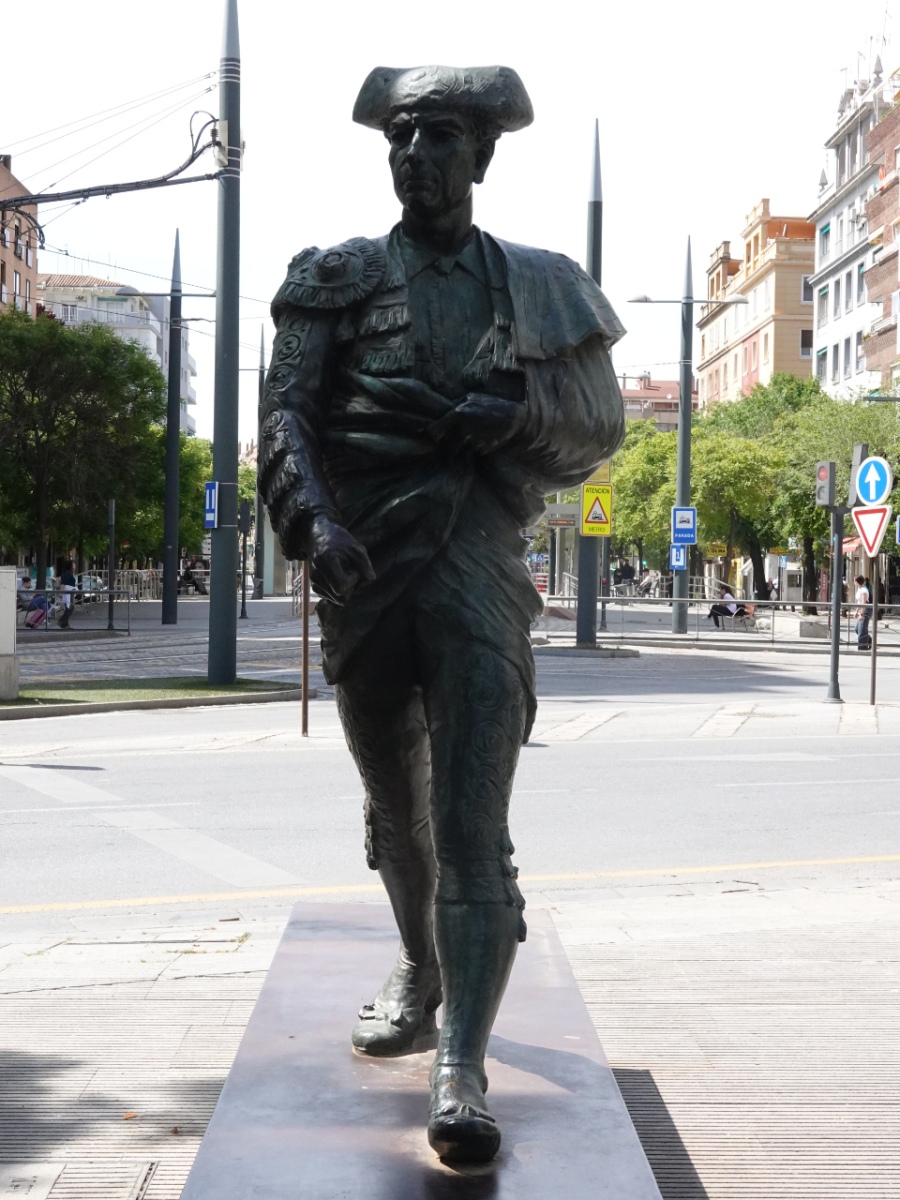 Avenida De La Constitucion, Granada ES. Salvador Sánchez Povedano AKA Frascuelo, bullfighter (1842-1898)
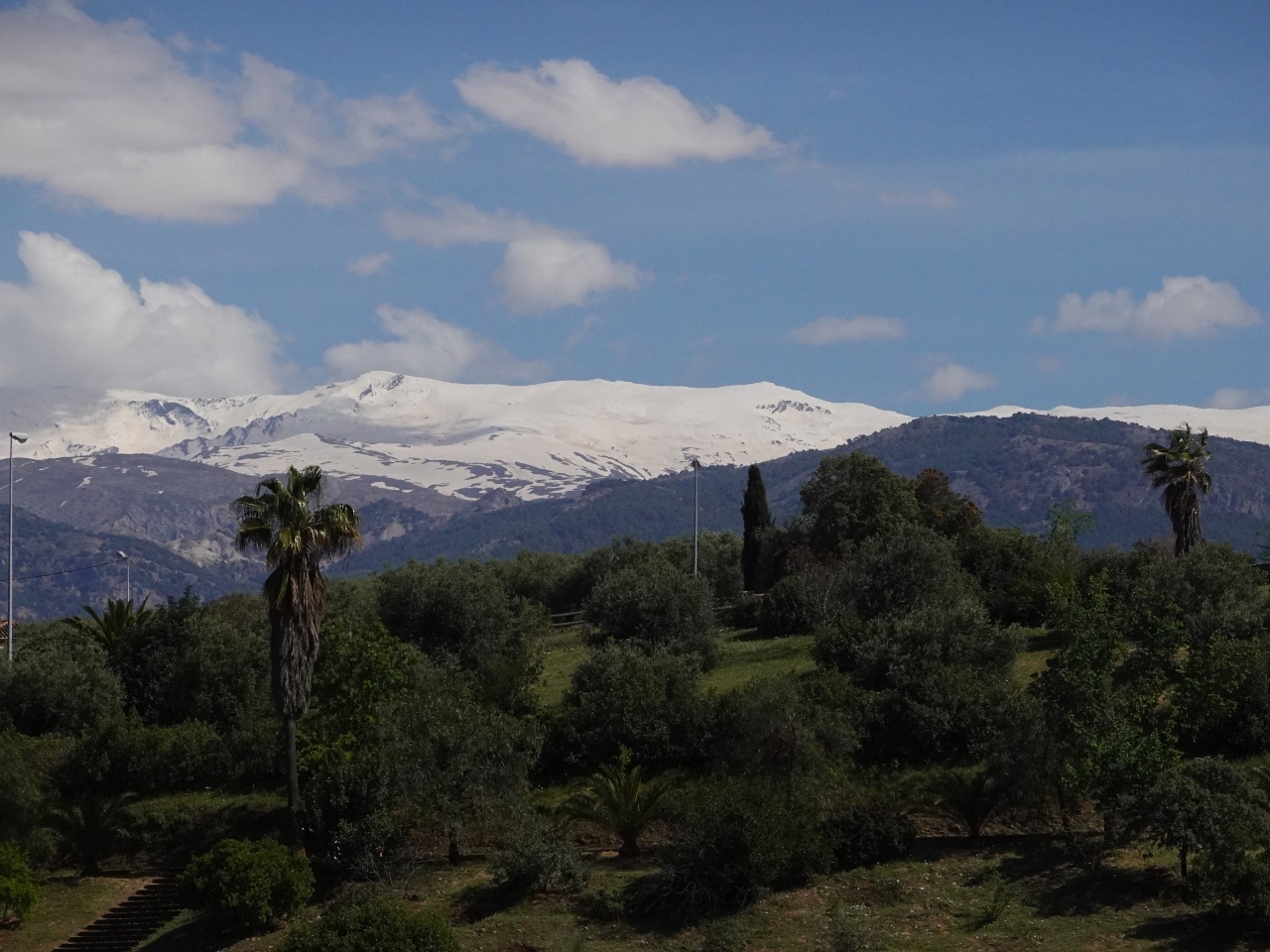 View to the Sierra Nevada from Carmen de los Mártires, Granada ES
 Carmen de los Mártires, Granada ES
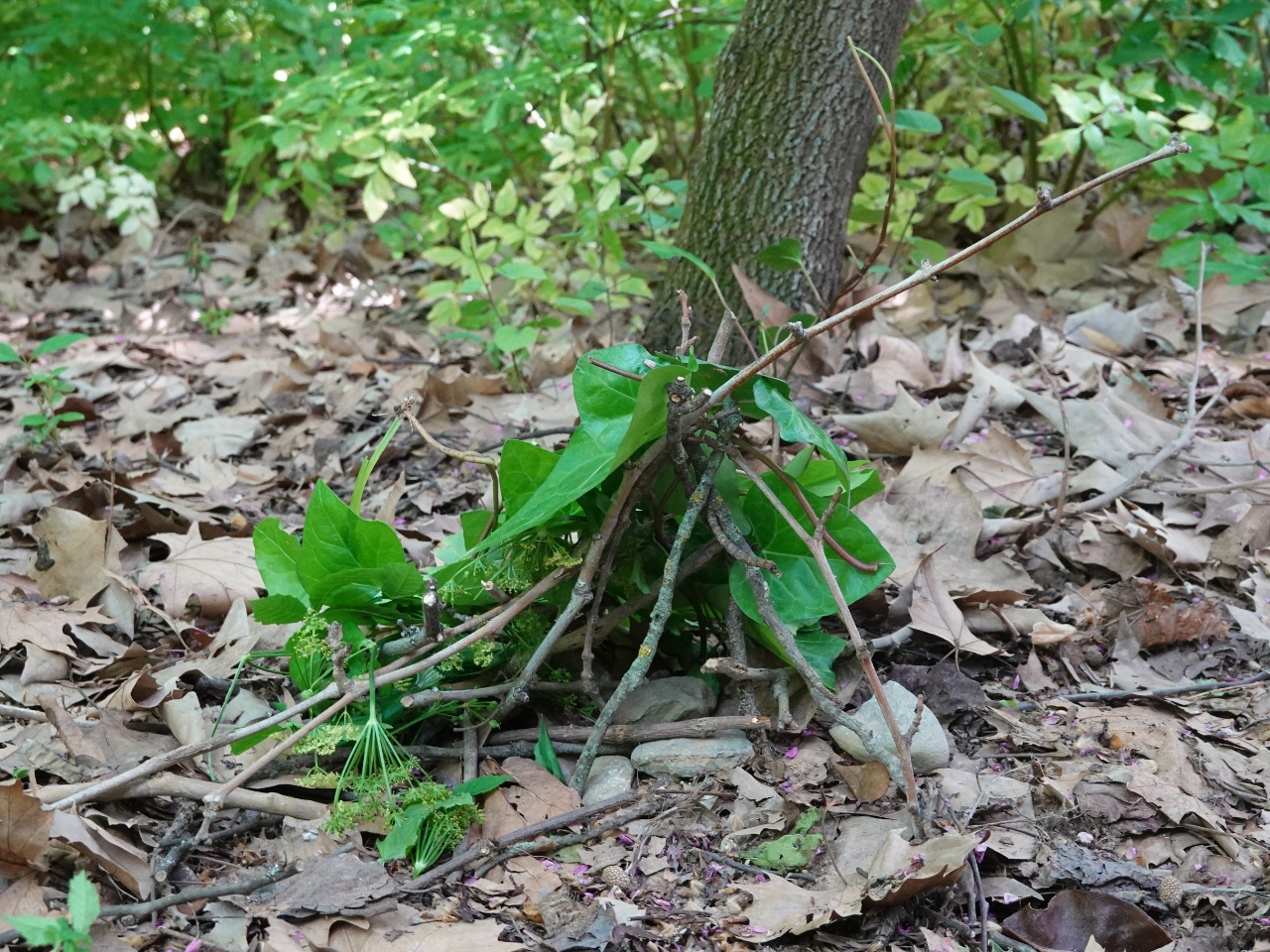 Carmen de los Mártires, Granada ES. Building a tent for the insects.
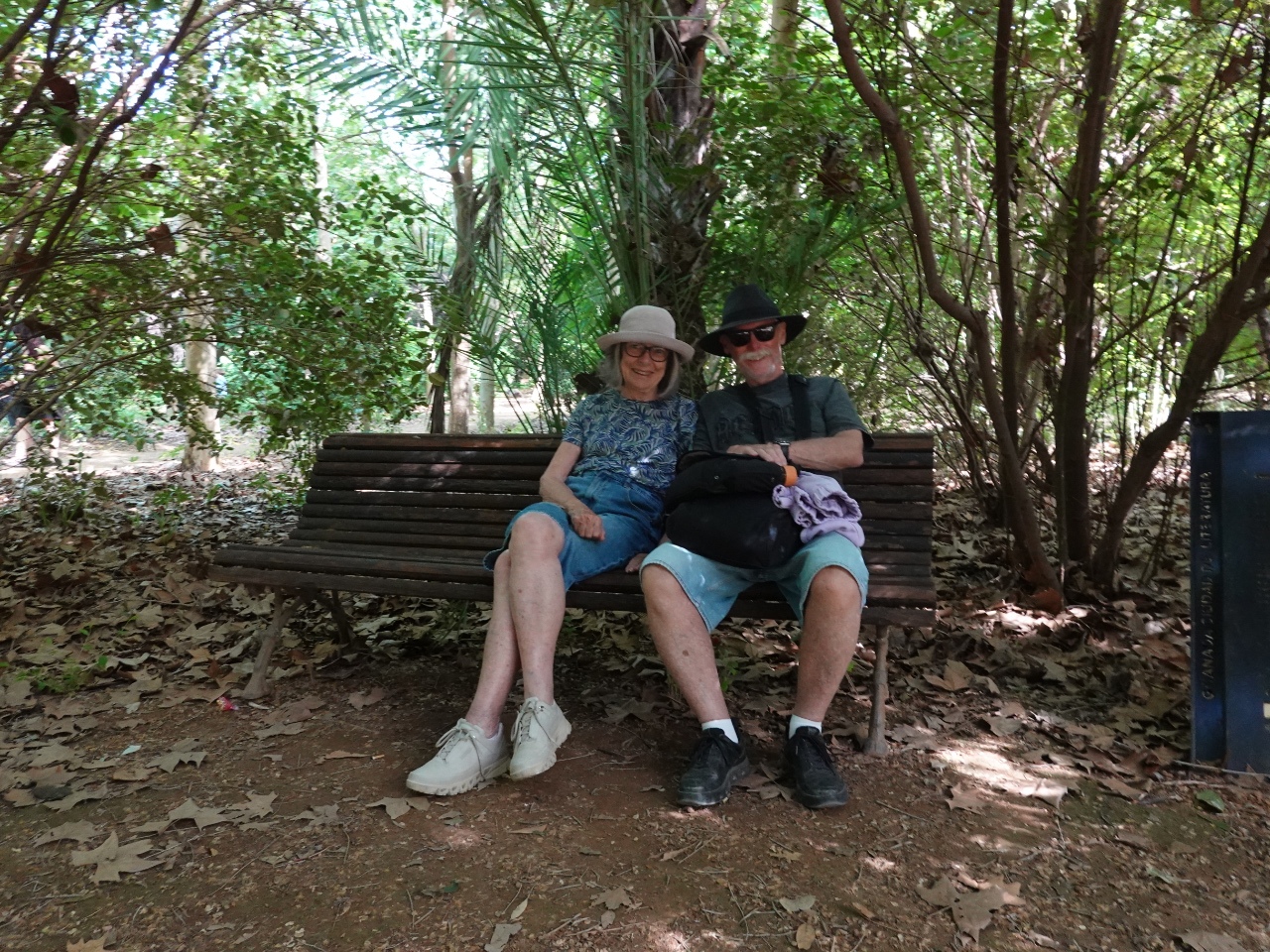 Carmen de los Mártires, Granada ES. Bruce & Thea, playing with Brianna.
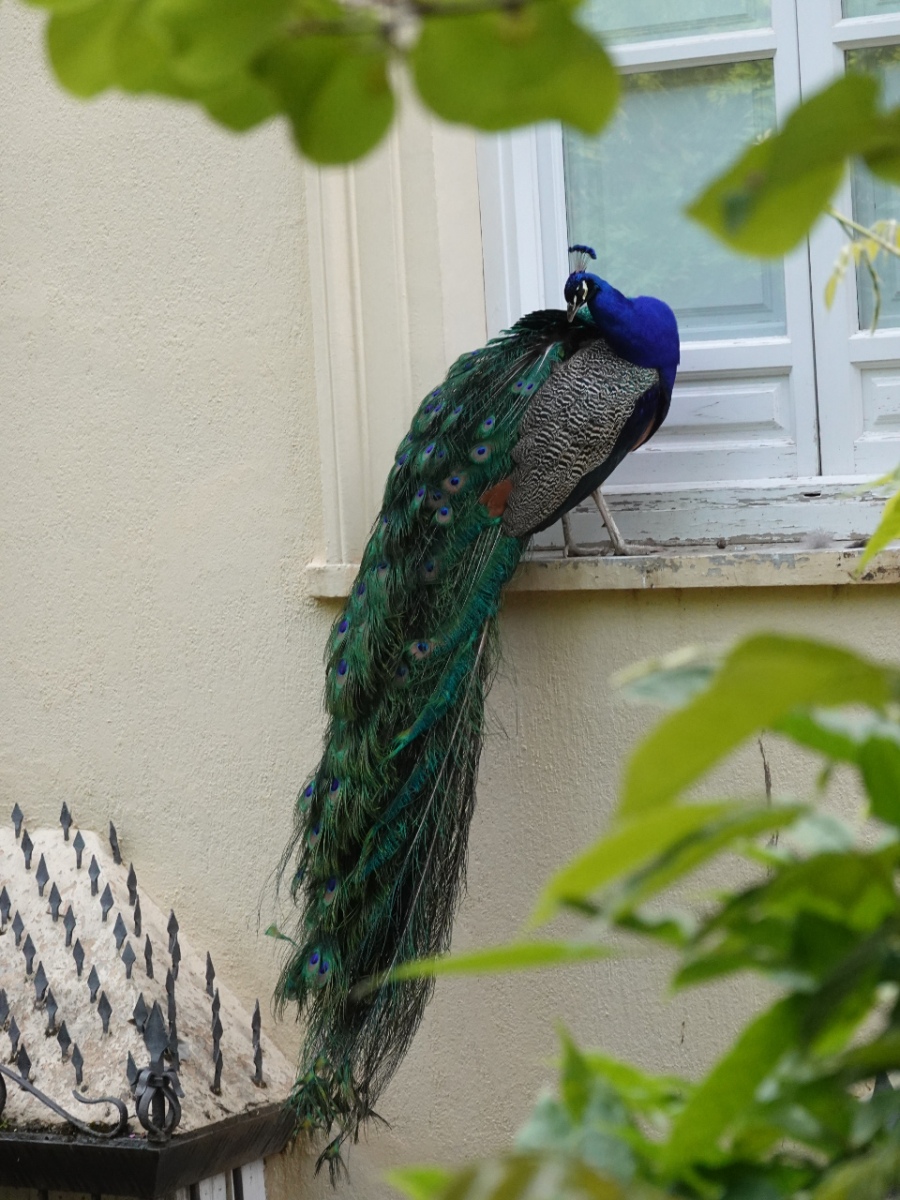 Carmen de los Mártires, Granada ES
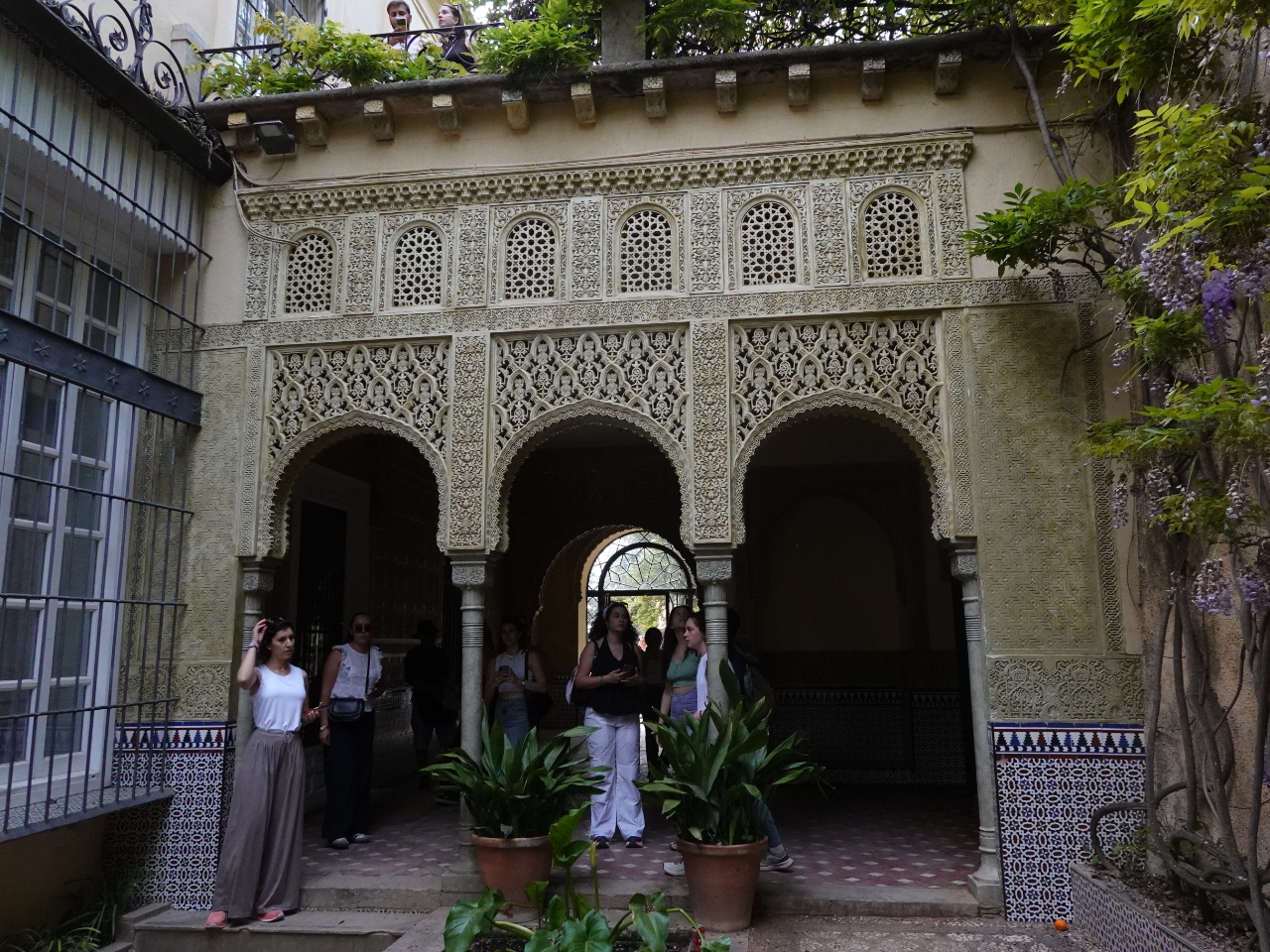 Carmen de los Mártires, Granada ES
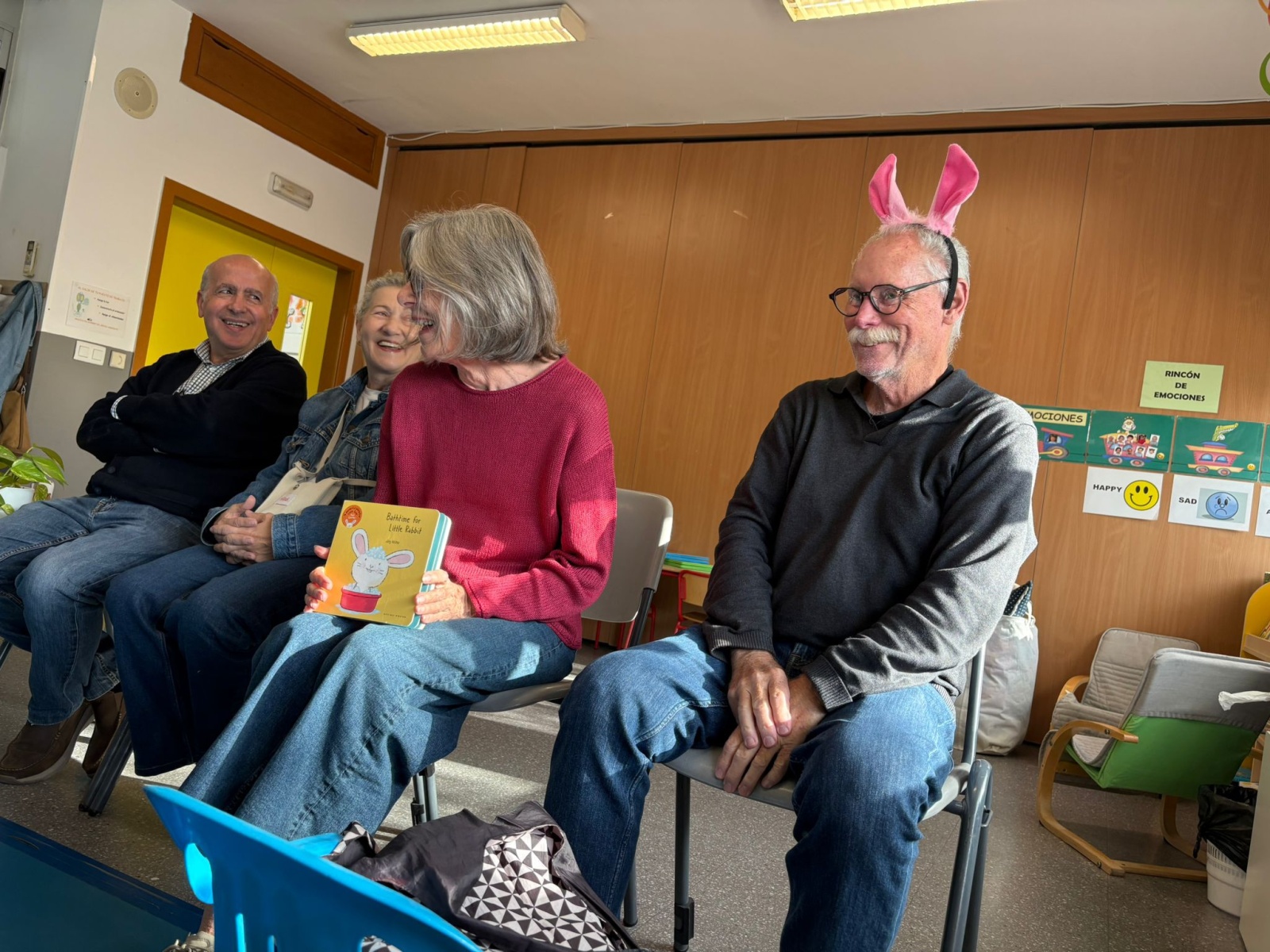 Bruce and Thea read "Bathtime for Little Rabbit" to the blue (Luna's) and yellow classes at Alqueria School, Granada ES
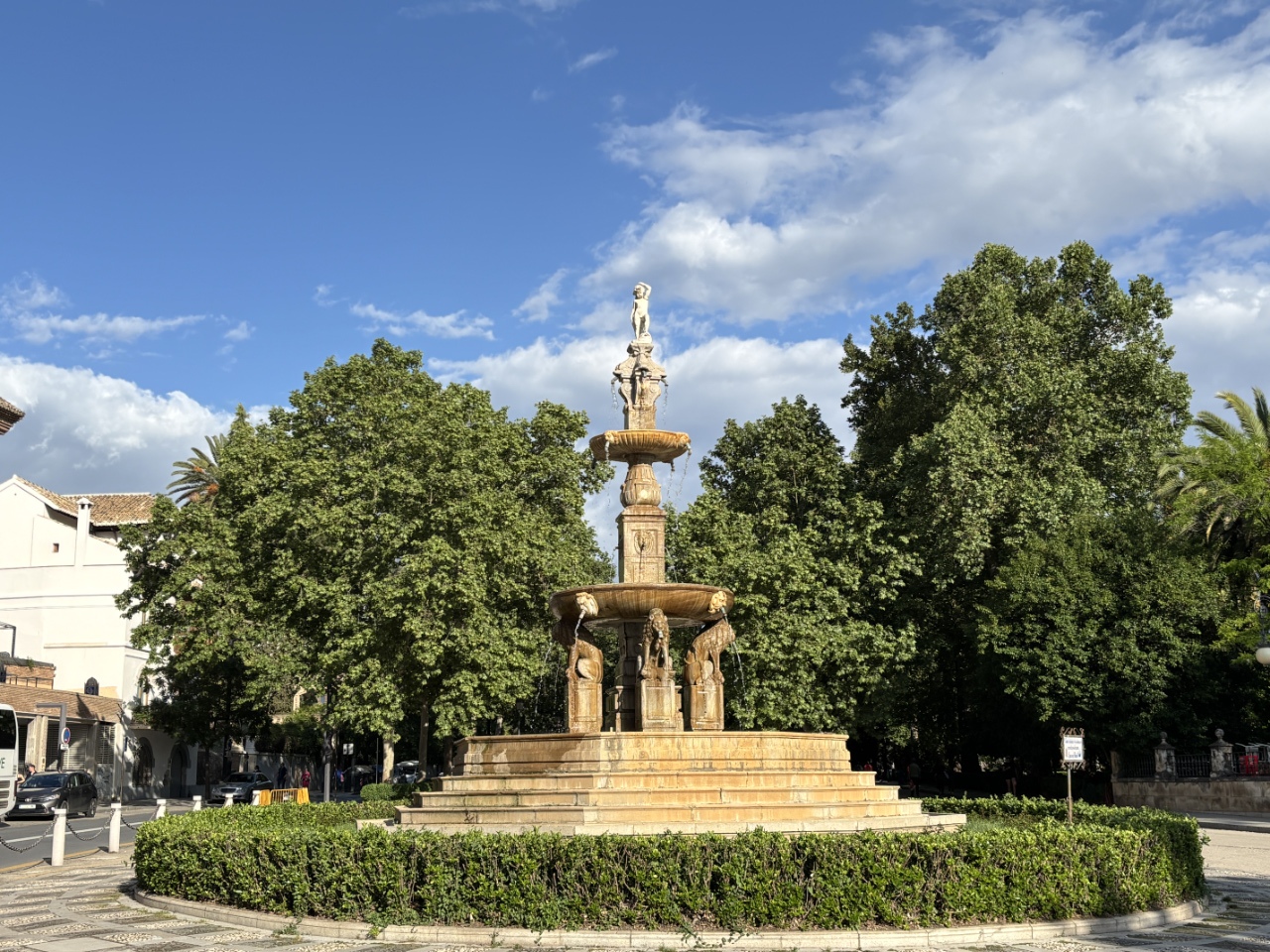 Fuente de los Cuatro Leones (Fountain of the Four Lions),
Paseo de la Bomba, Granada ES
Fuente de los Cuatro Leones (Fountain of the Four Lions),
Paseo de la Bomba, Granada ES
 Red chestnut tree at Kiosko Las Titas.
Paseo de la Bomba, Granada ES
Red chestnut tree at Kiosko Las Titas.
Paseo de la Bomba, Granada ES