6th to 9th March 2026
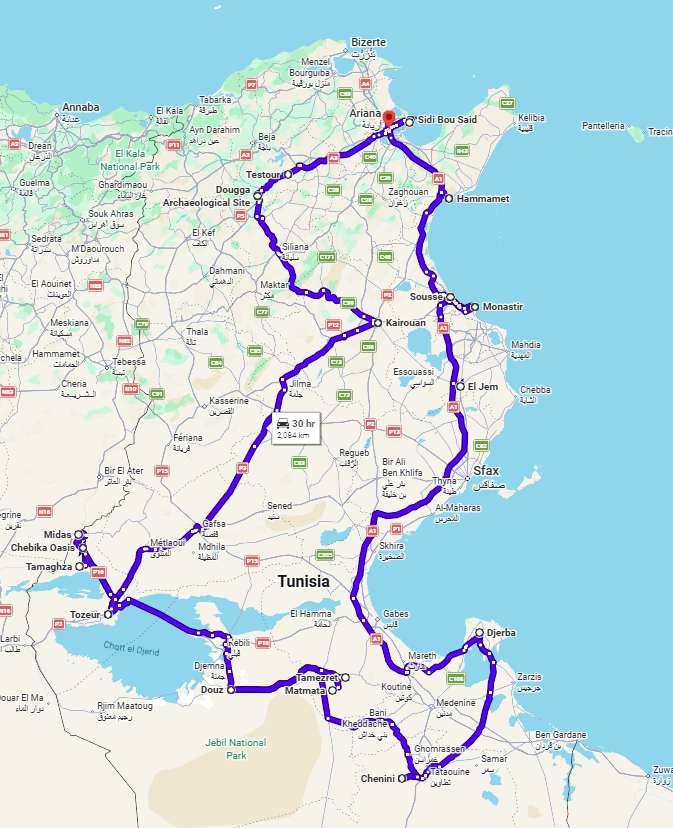
From the desert we headed to the coast and learnt more of Tunisia’s history.
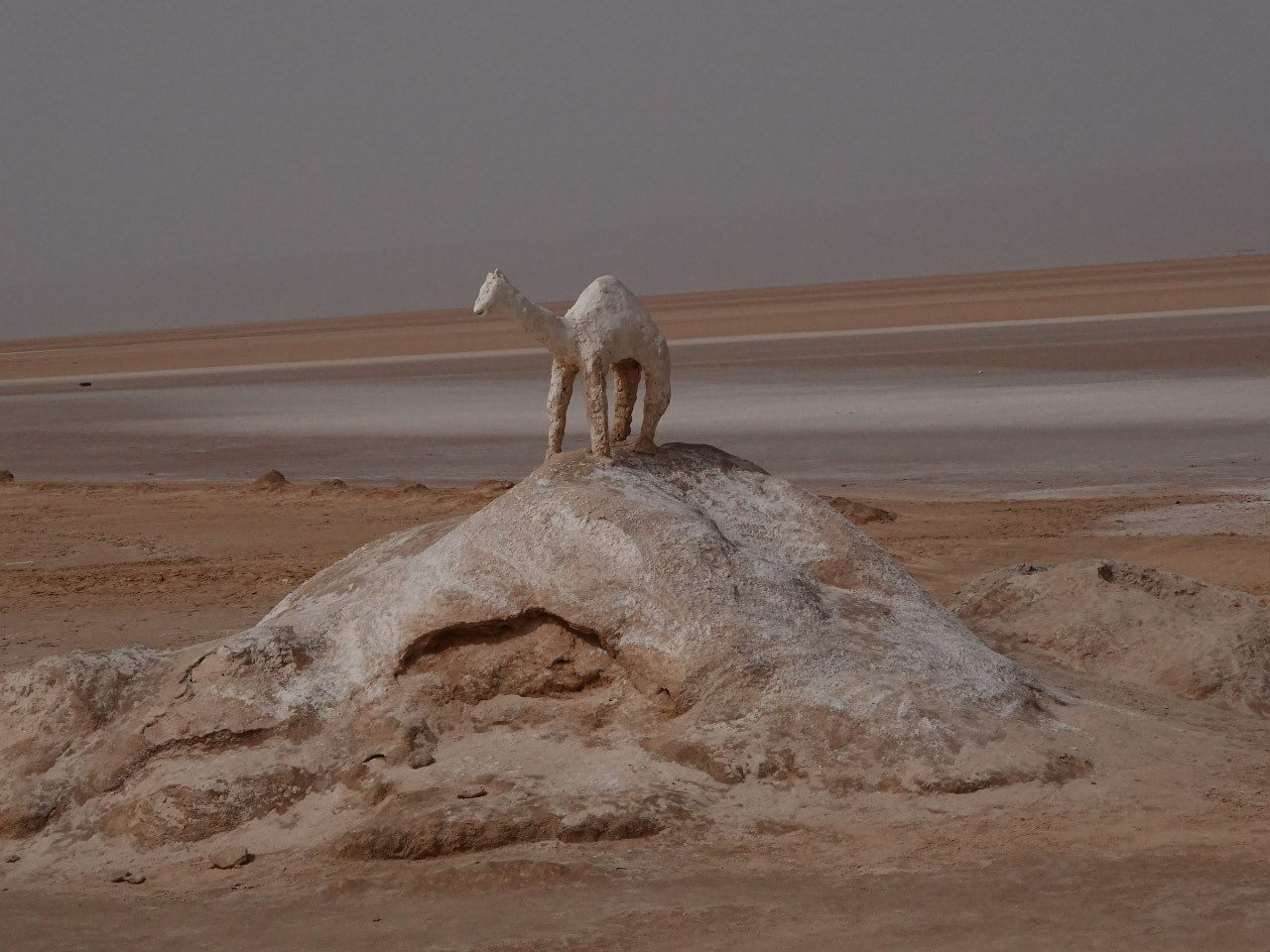
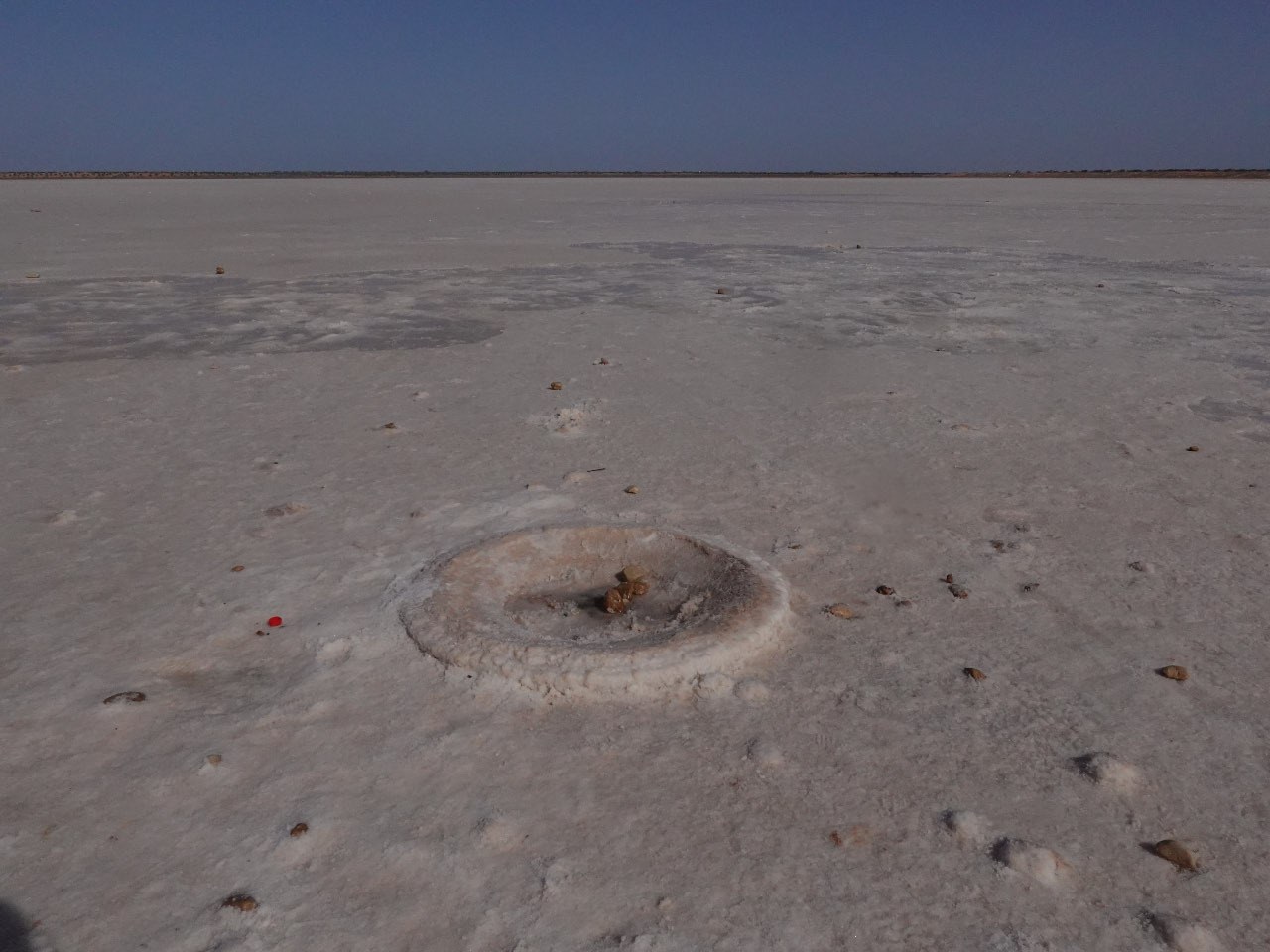 Sbkht Almlh salt lake, near Zarzis TN
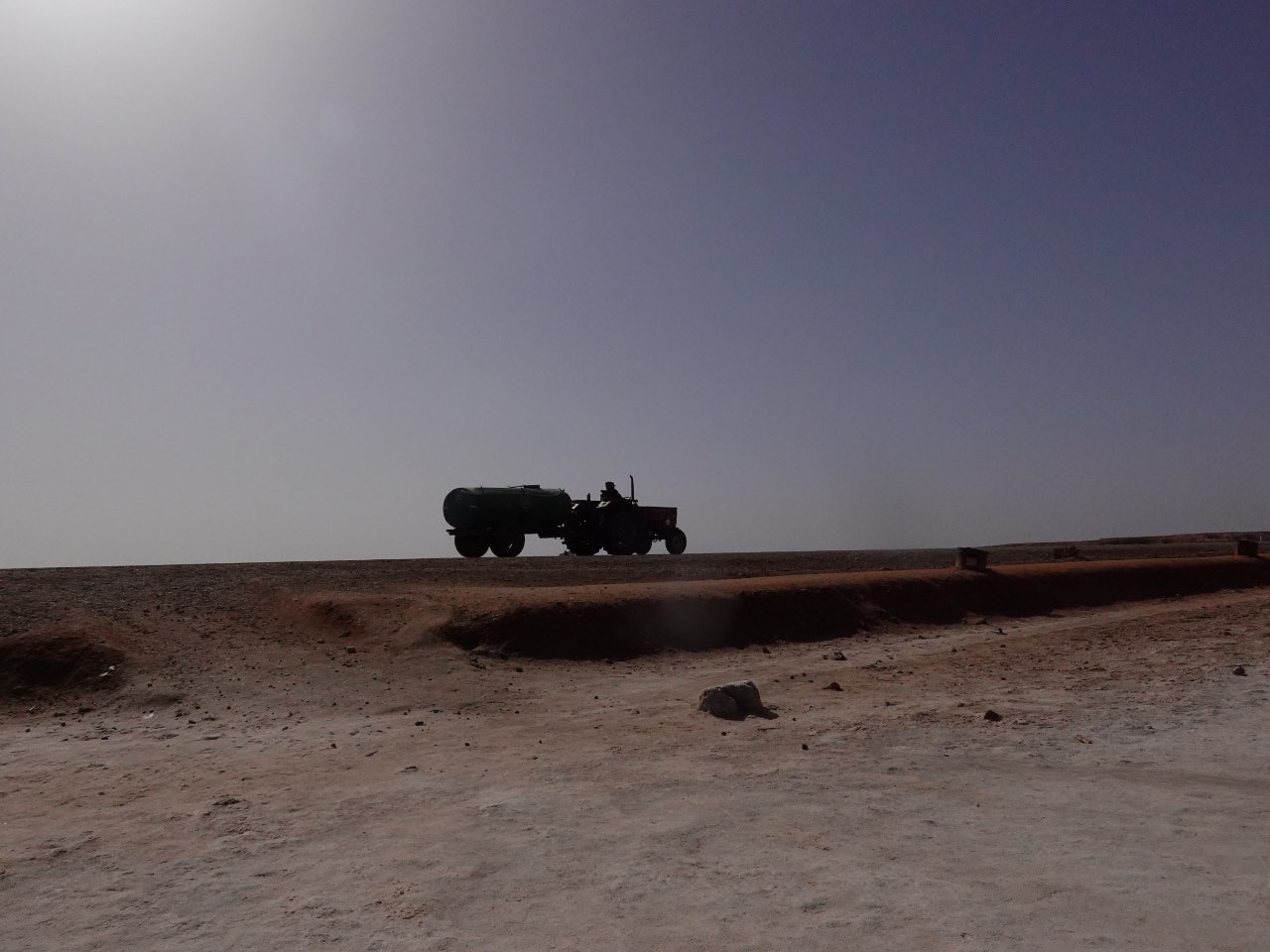 Sbkht Almlh salt lake, near Zarzis TN
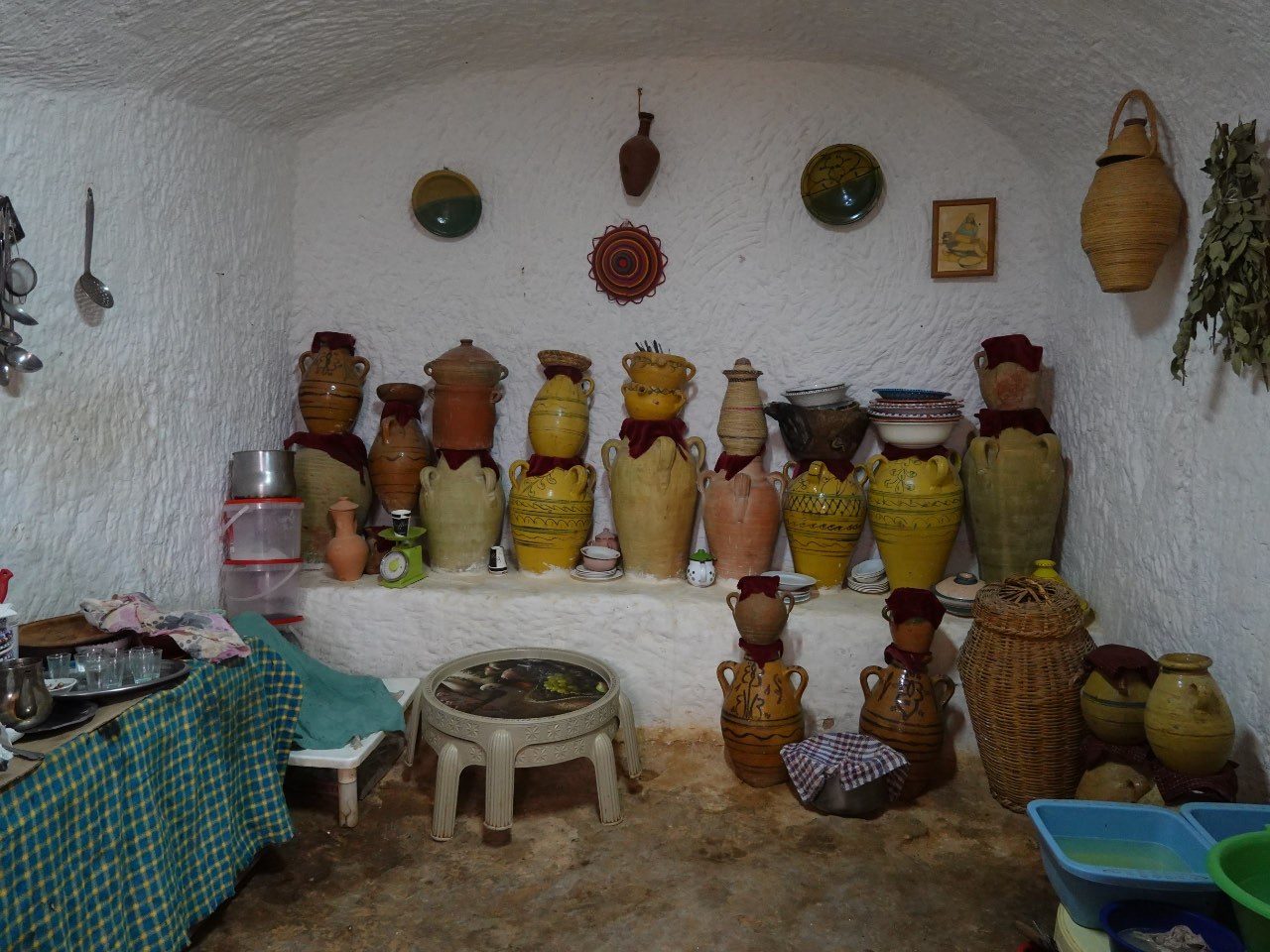
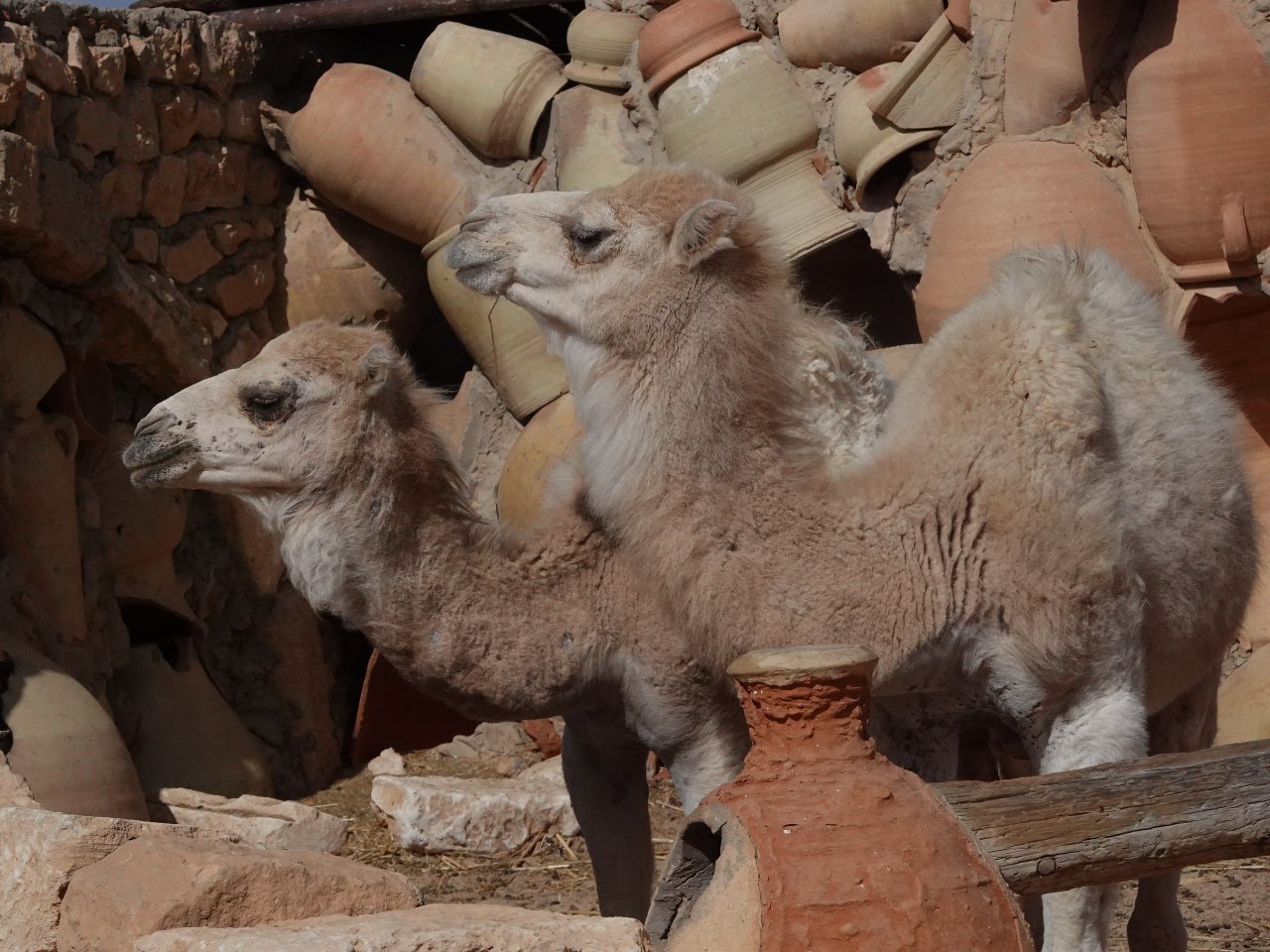 Pottery Ben Memiome, Guellala, Djerba TN
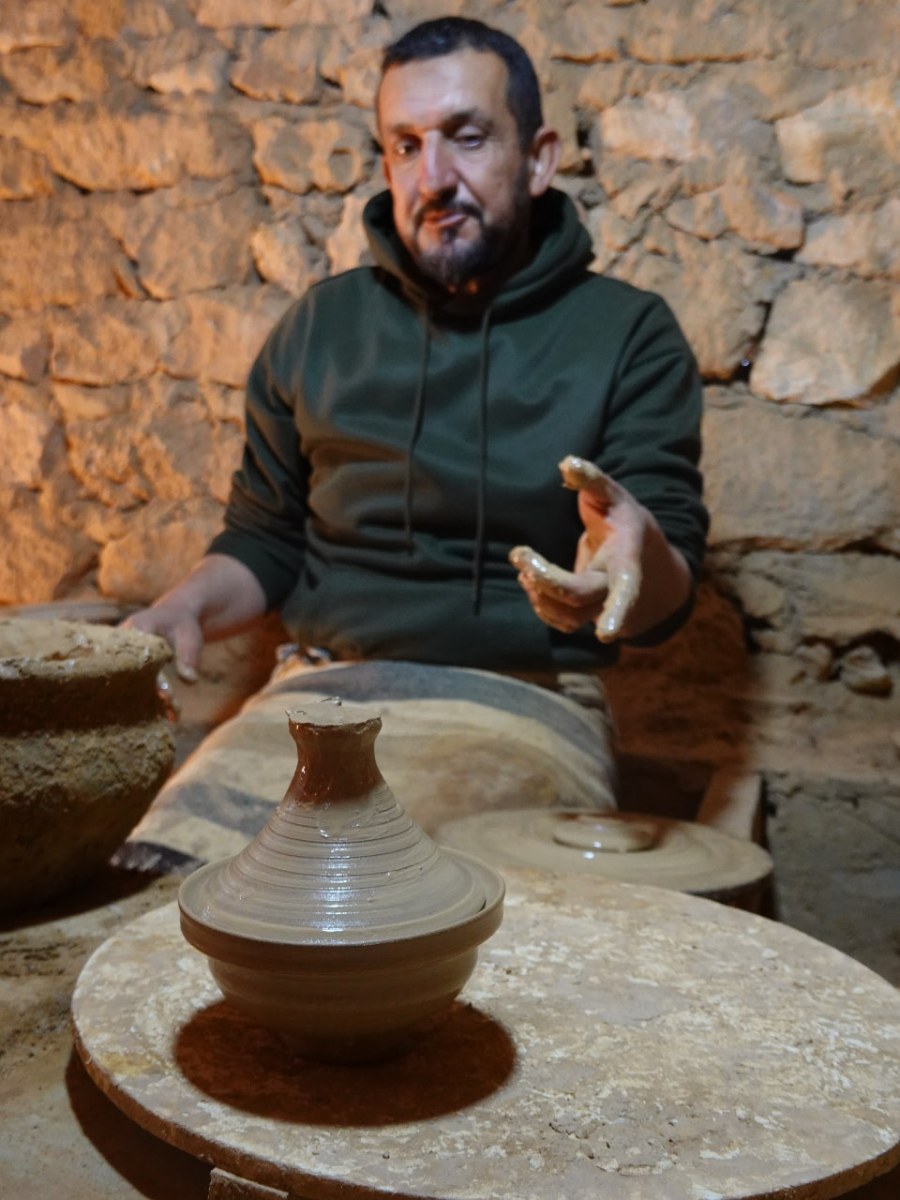 Pottery Ben Memiome, Guellala, Djerba TN
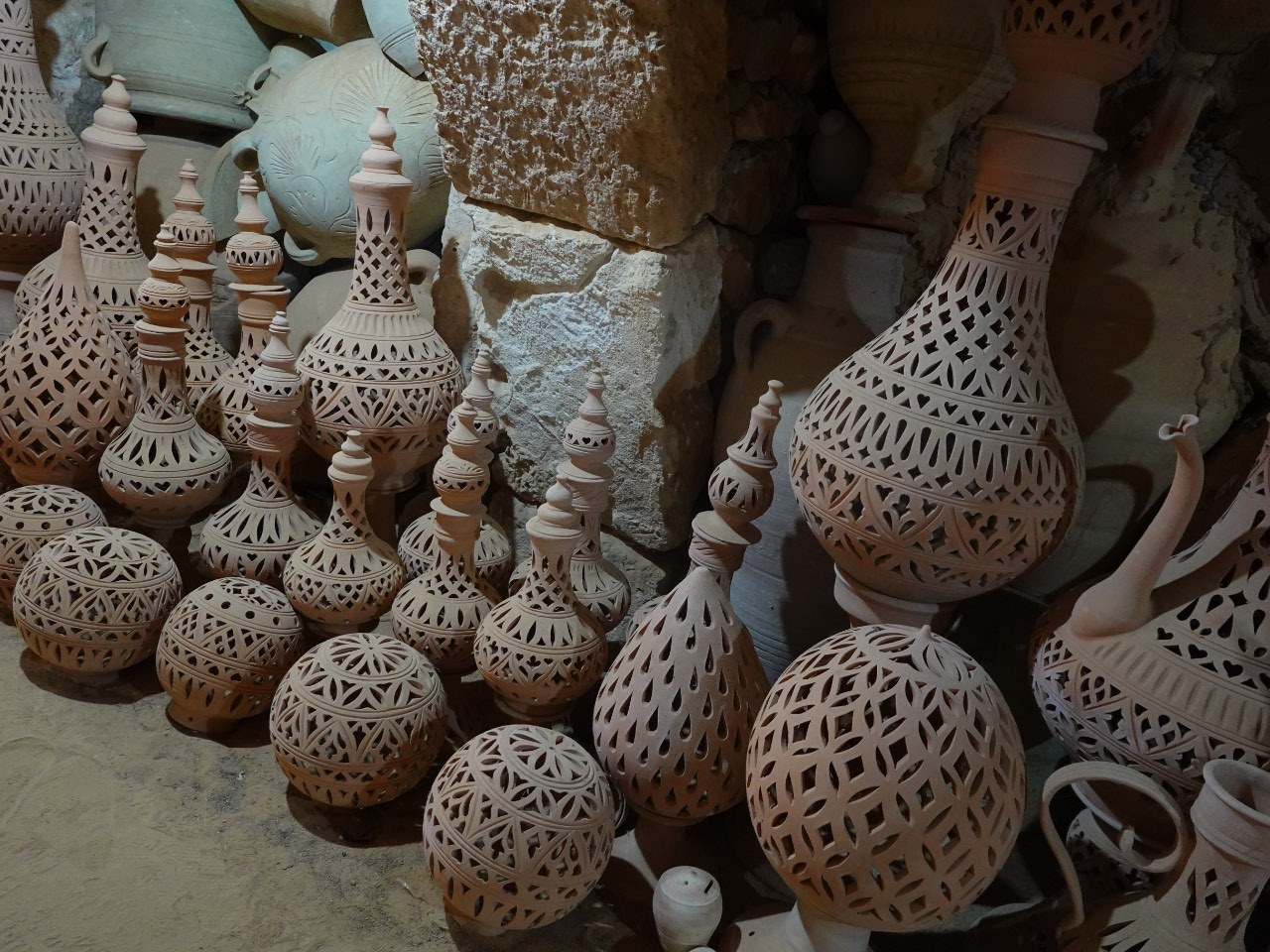 Pottery Ben Memiome, Guellala, Djerba TN
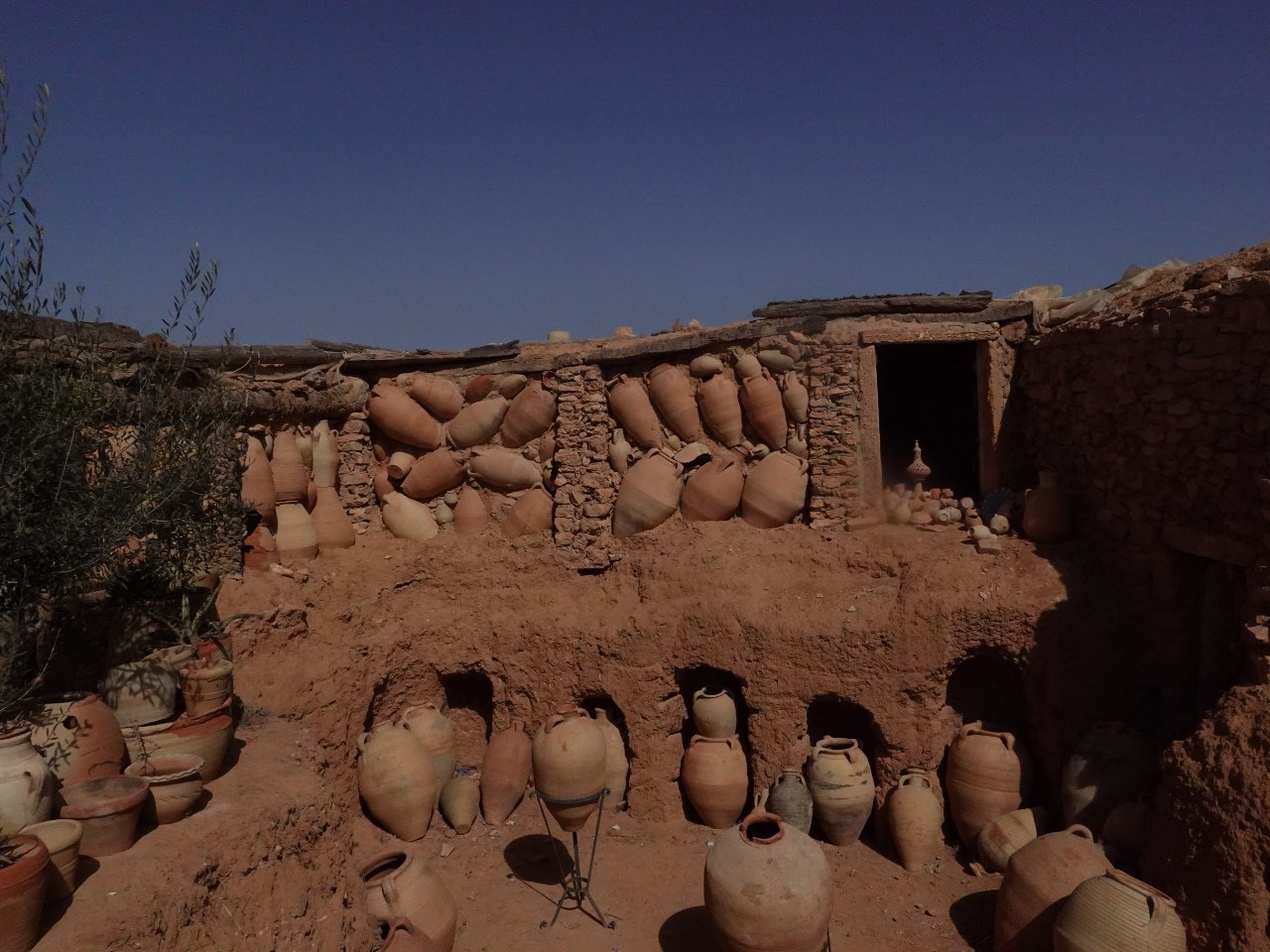 Pottery Ben Memiome, Guellala, Djerba TN
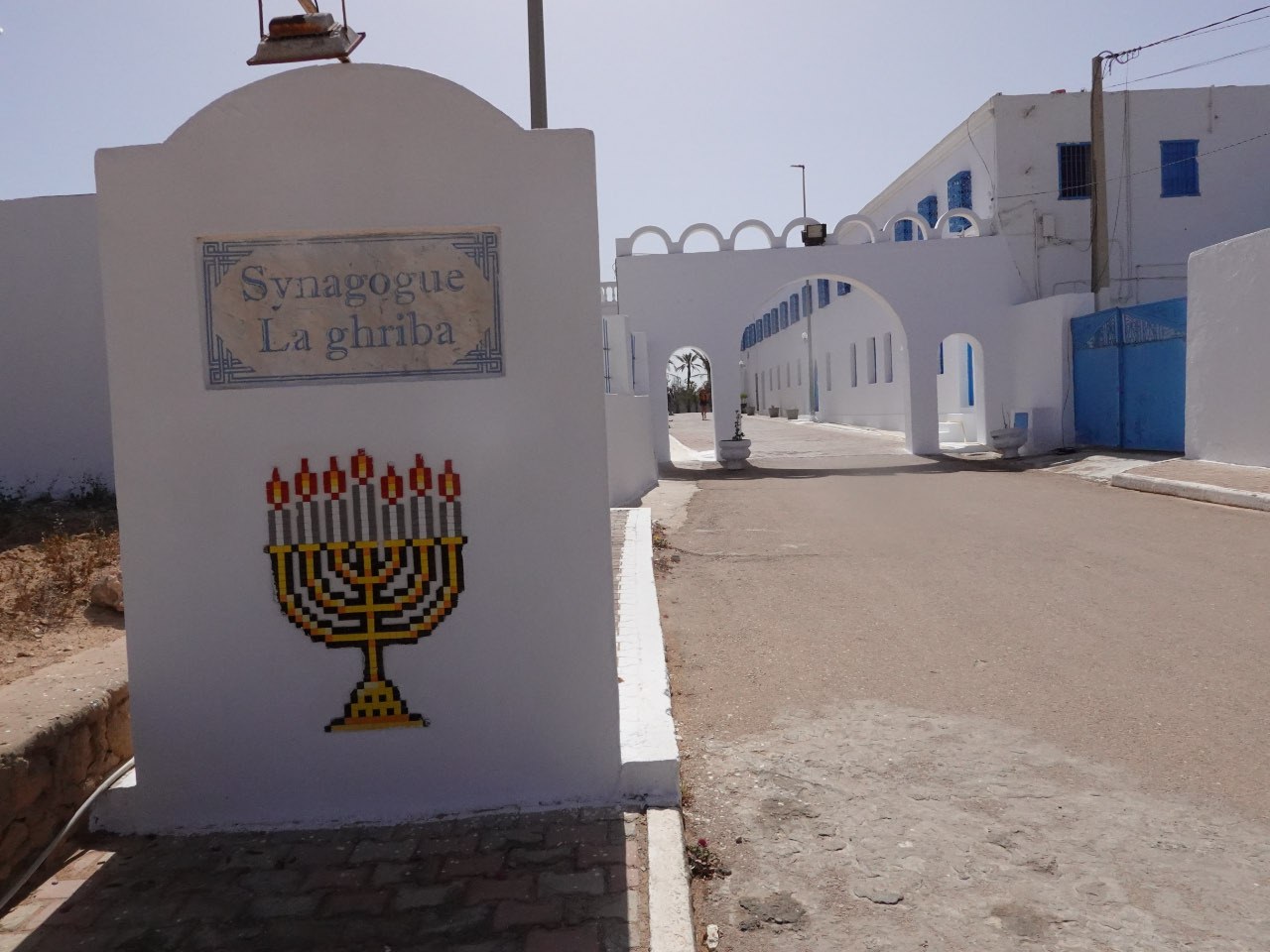 The Synagogue at Erriadh, Djerba TN. Djerba is known for its coexistence.
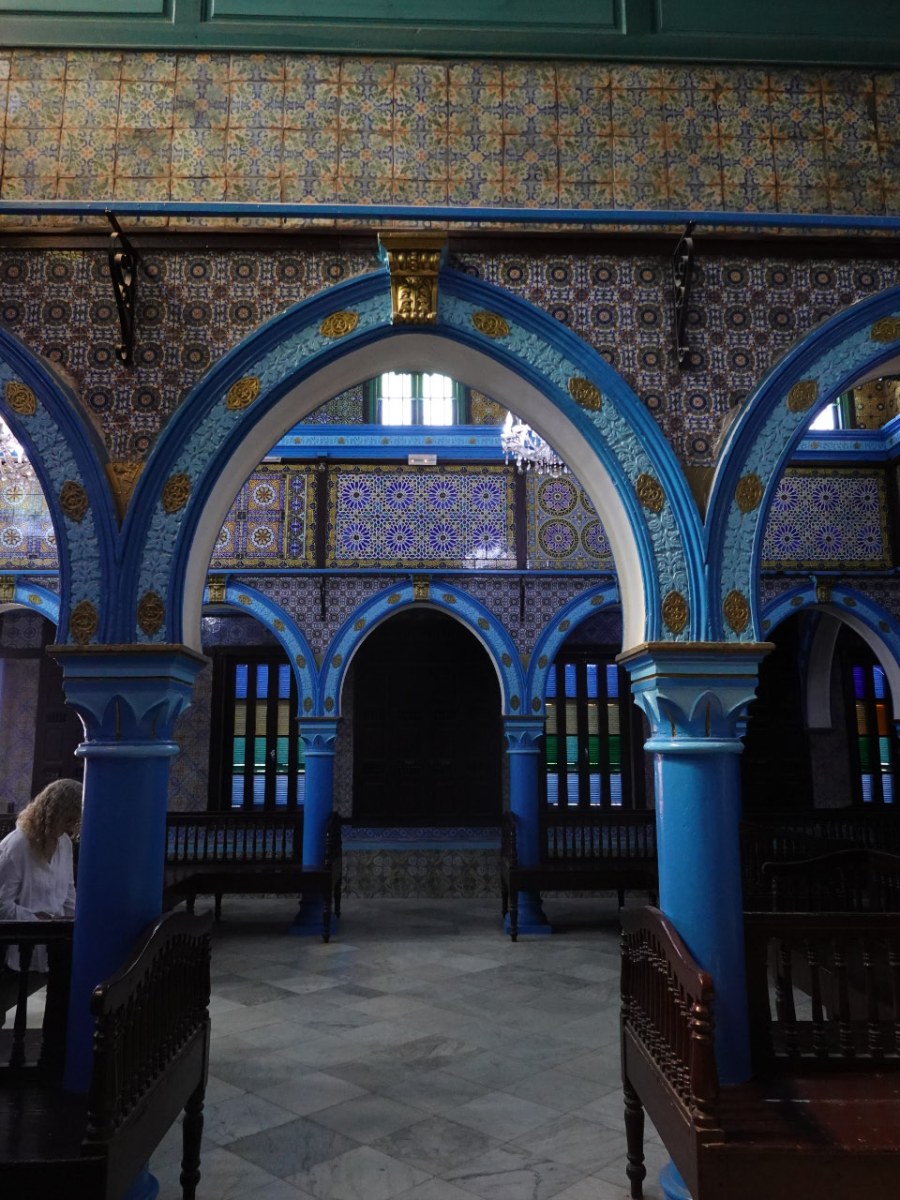 The Synagogue at Erriadh, Djerba TN. Djerba is known for its coexistence.
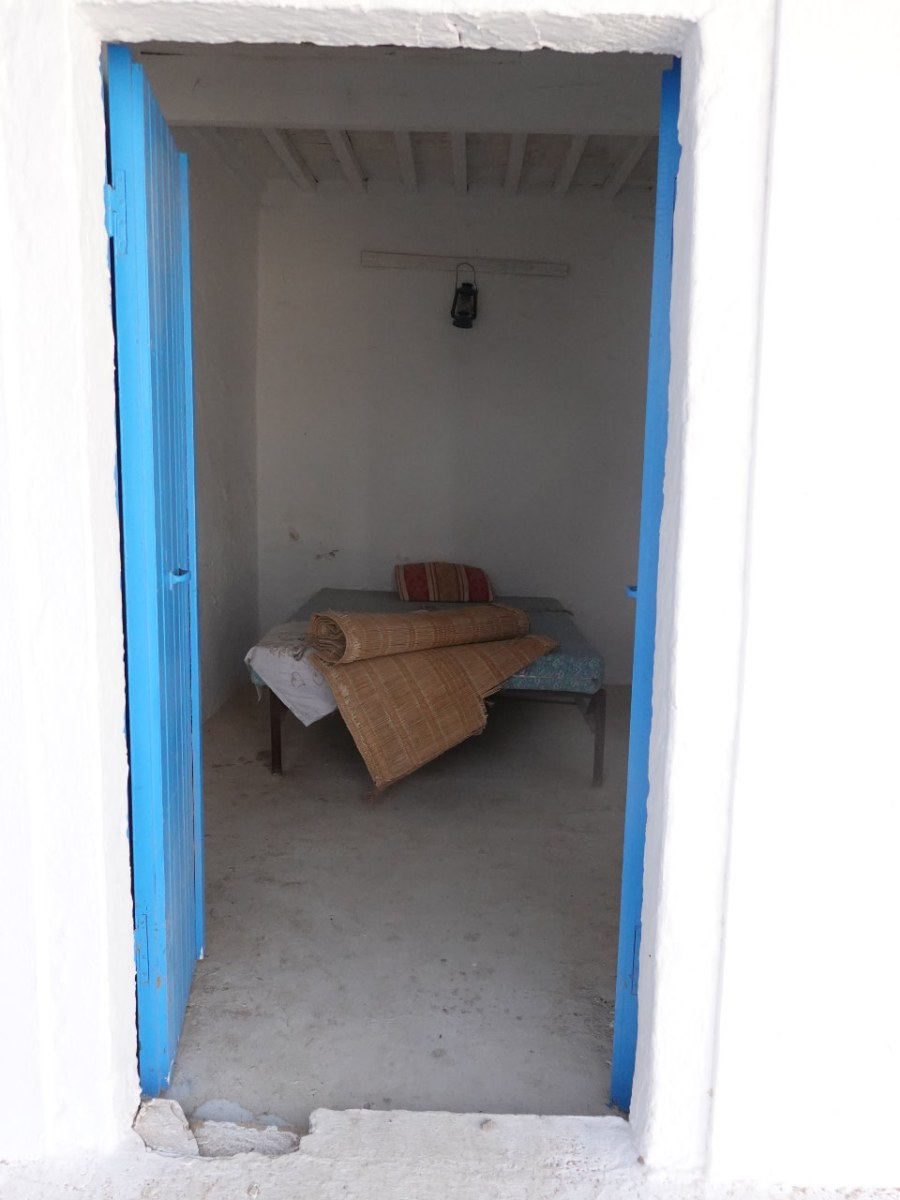 Accommodation for pilgrims, in the courtyard of El Ghriba at the Synagogue, Erriadh, Djerba TN
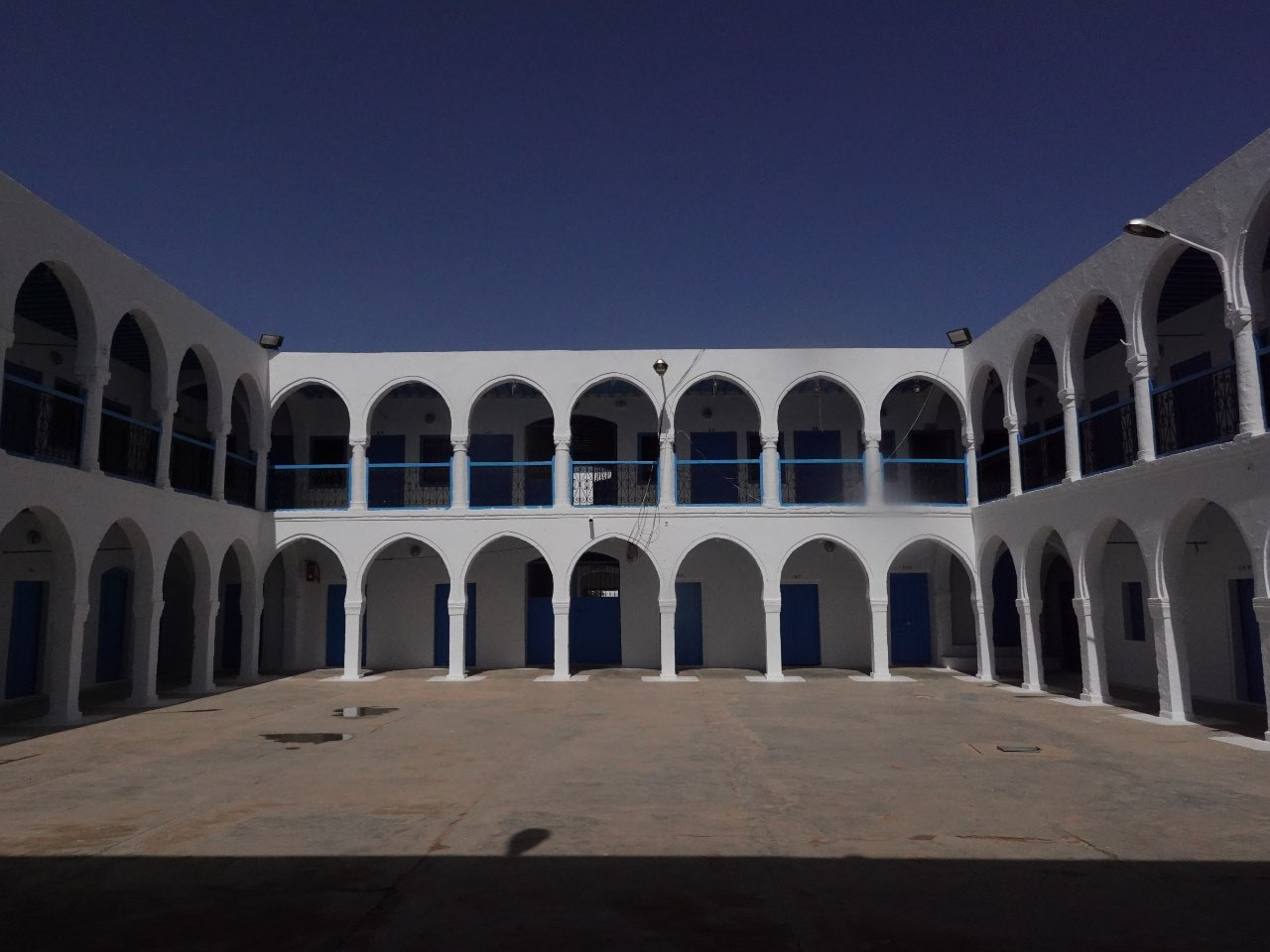 Courtyard of El Ghriba at the Synagogue, Erriadh, Djerba TN
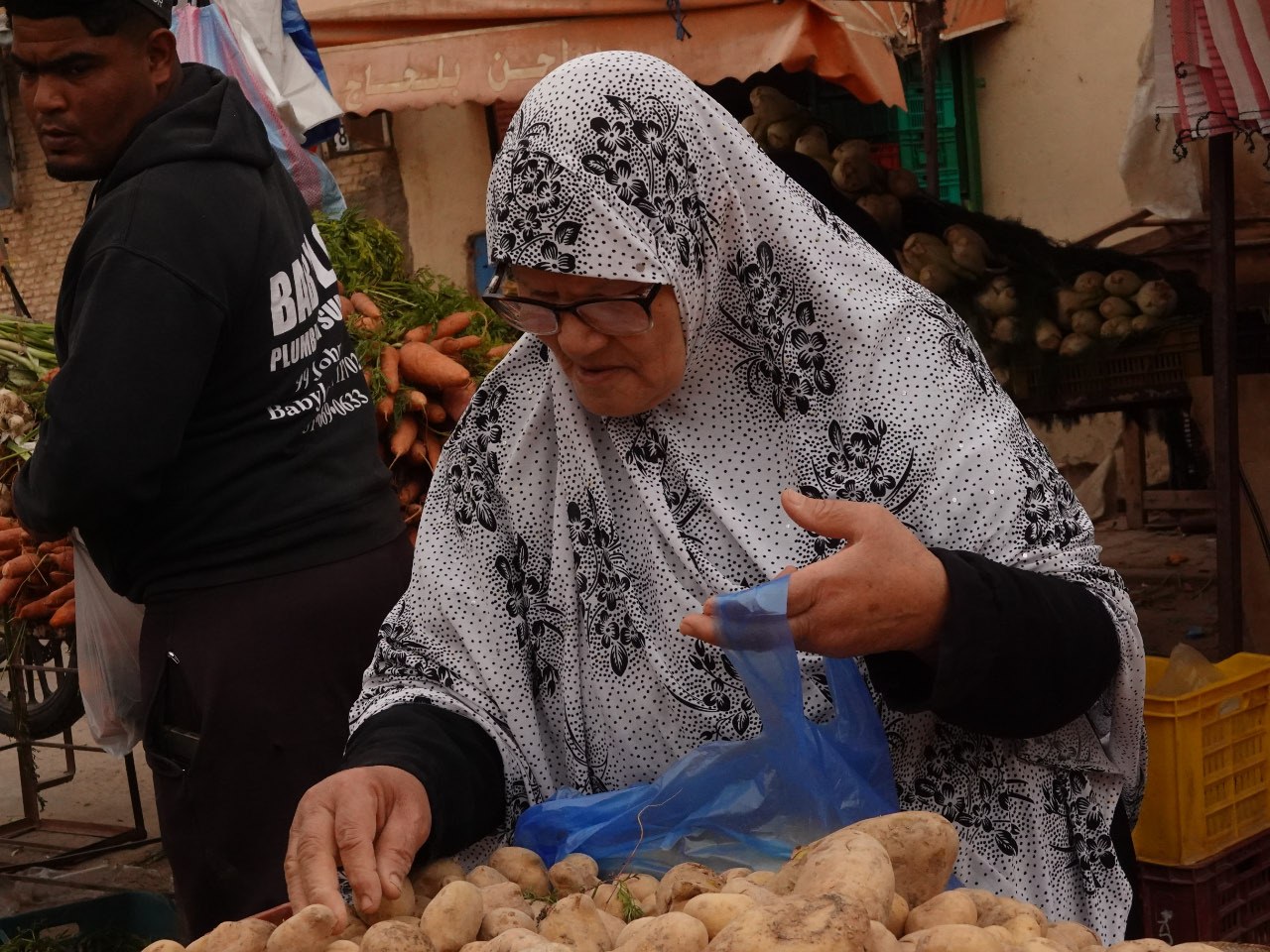
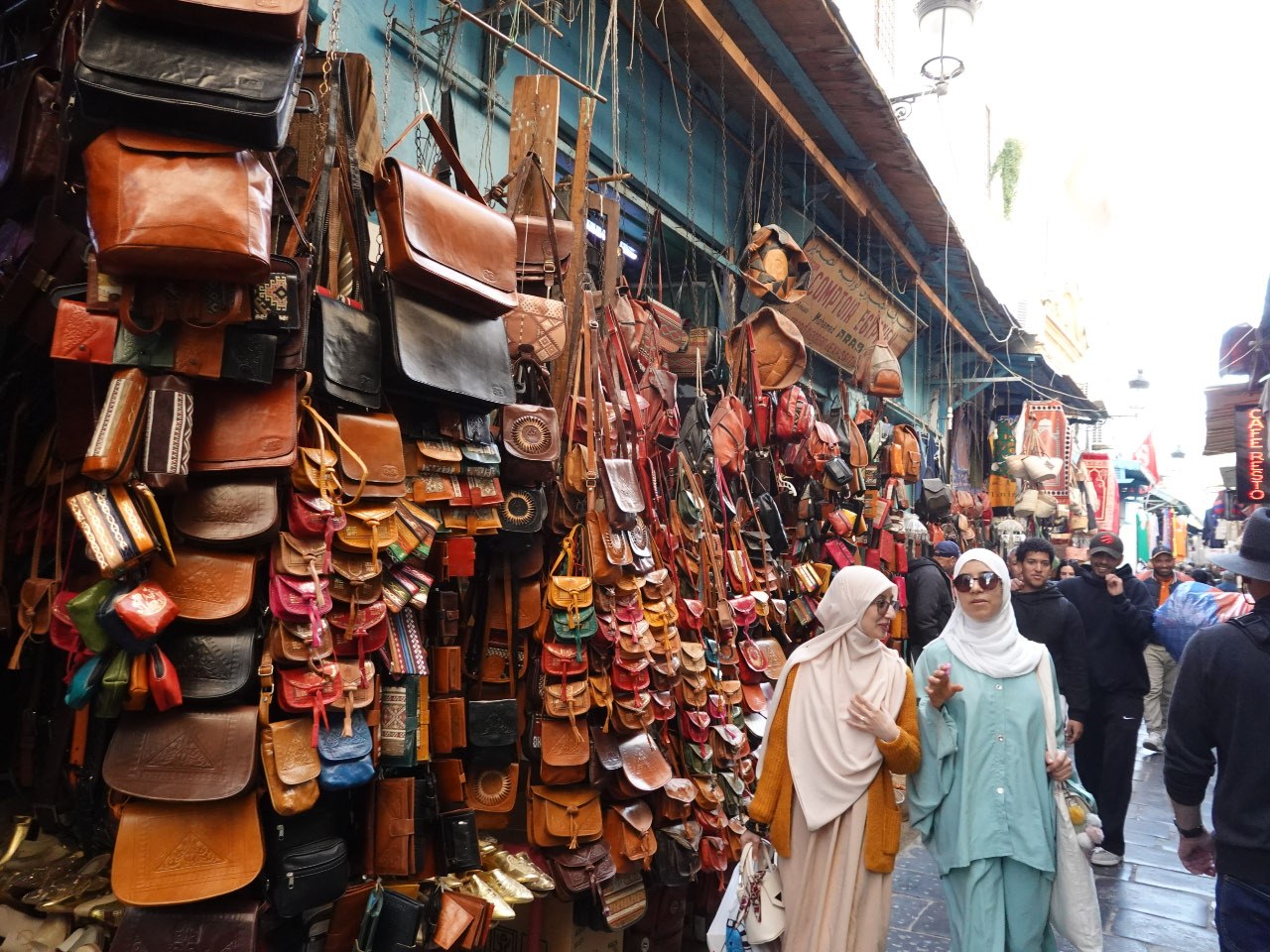
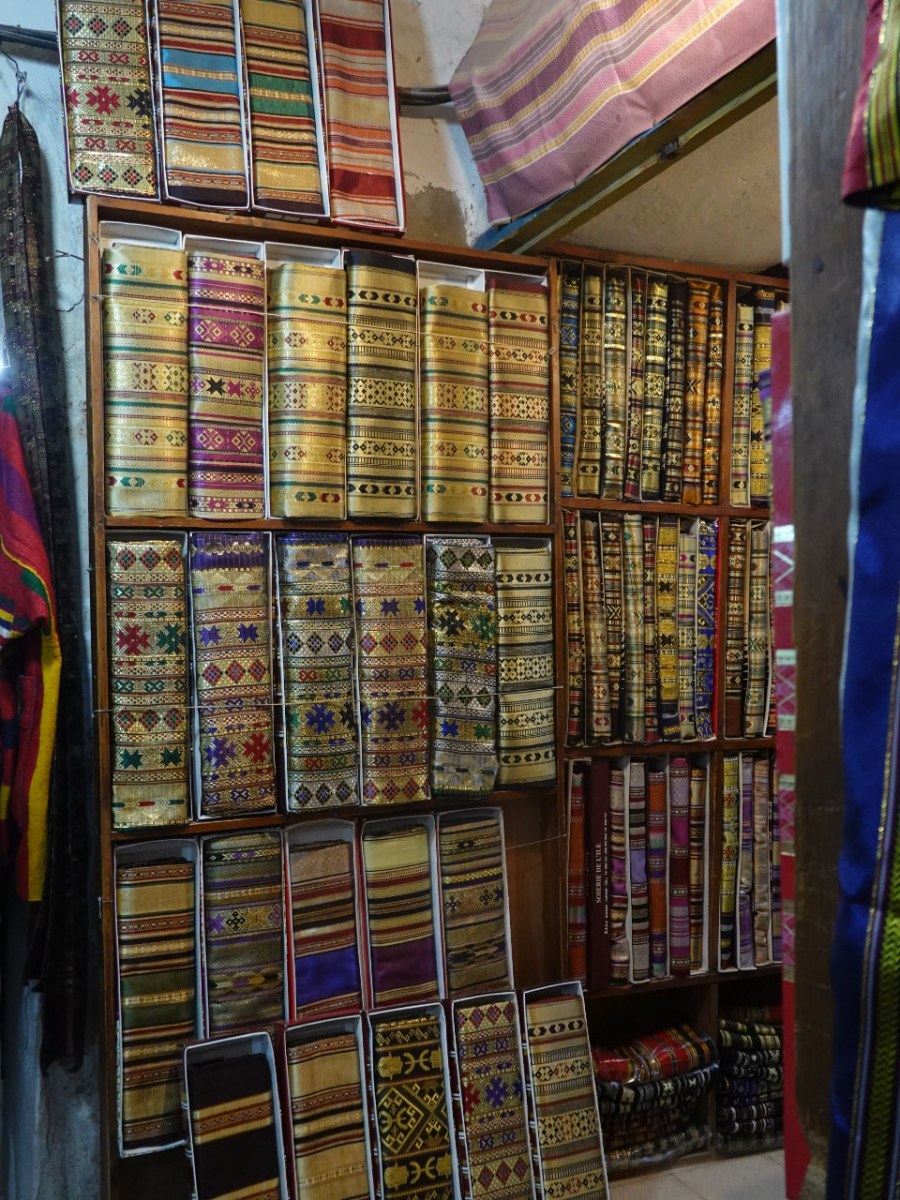 Houmt Souq, Djerba TN
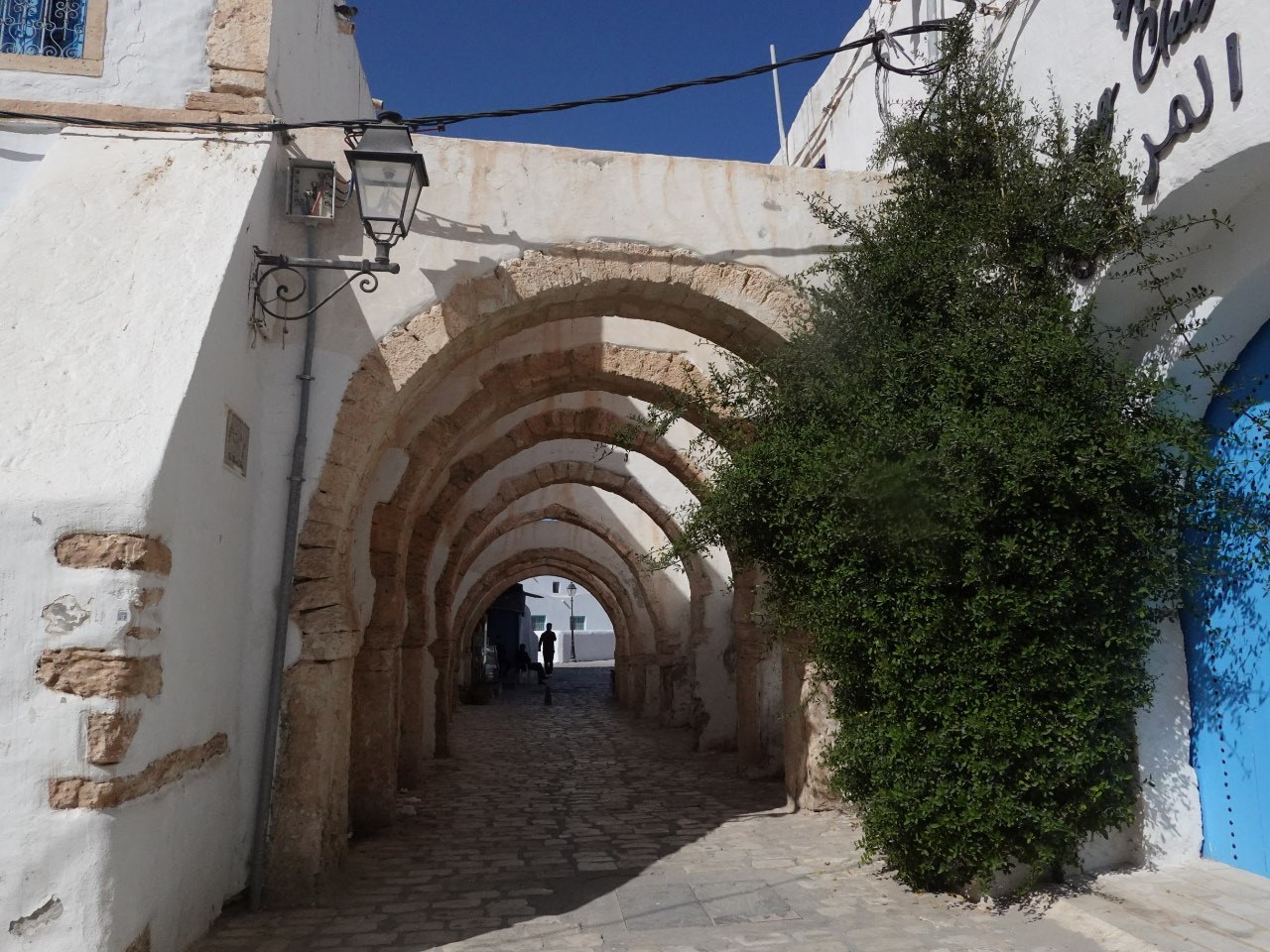 Houmt Souq, Djerba TN
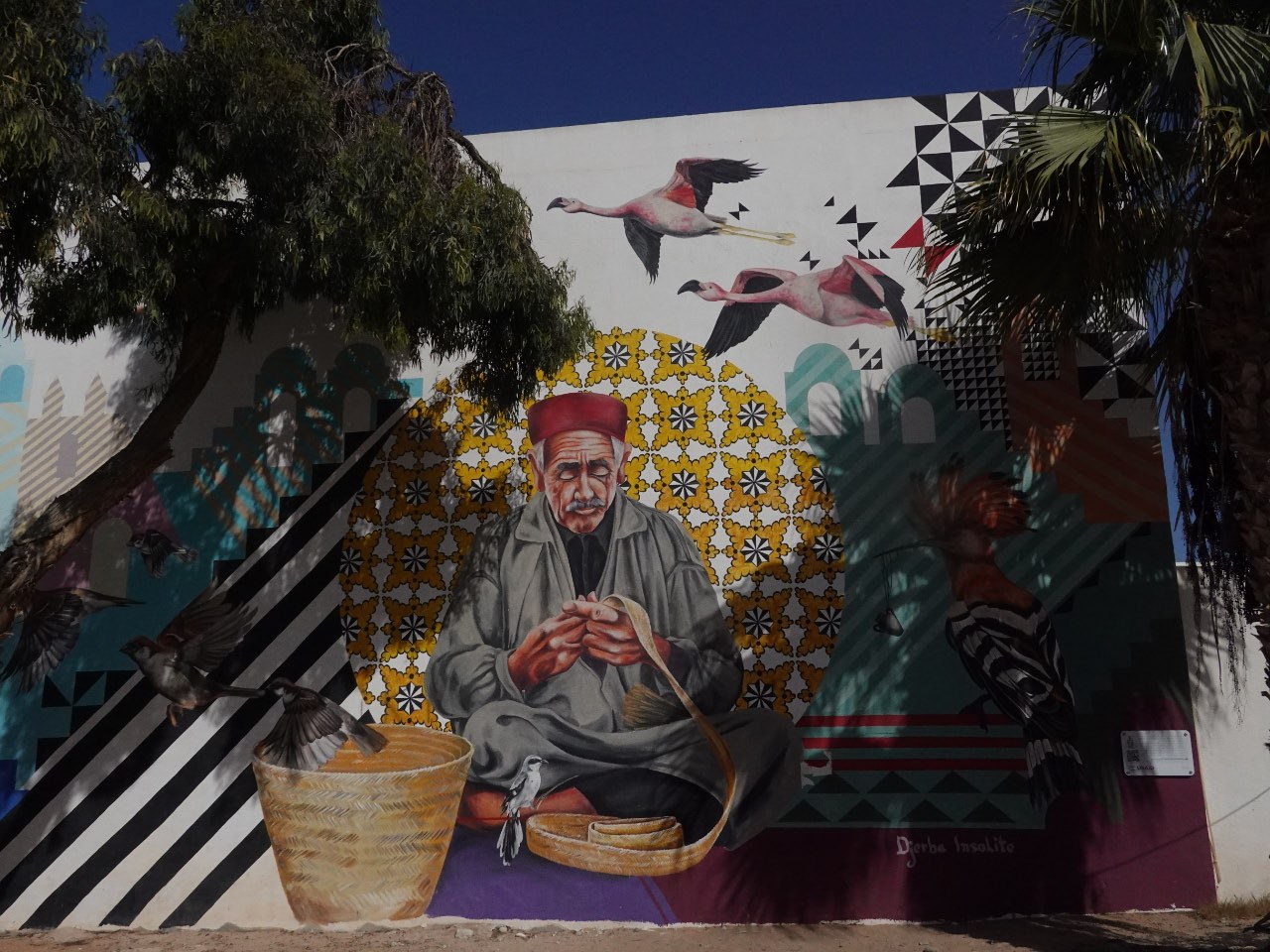 Houmt Souq, Djerba TN
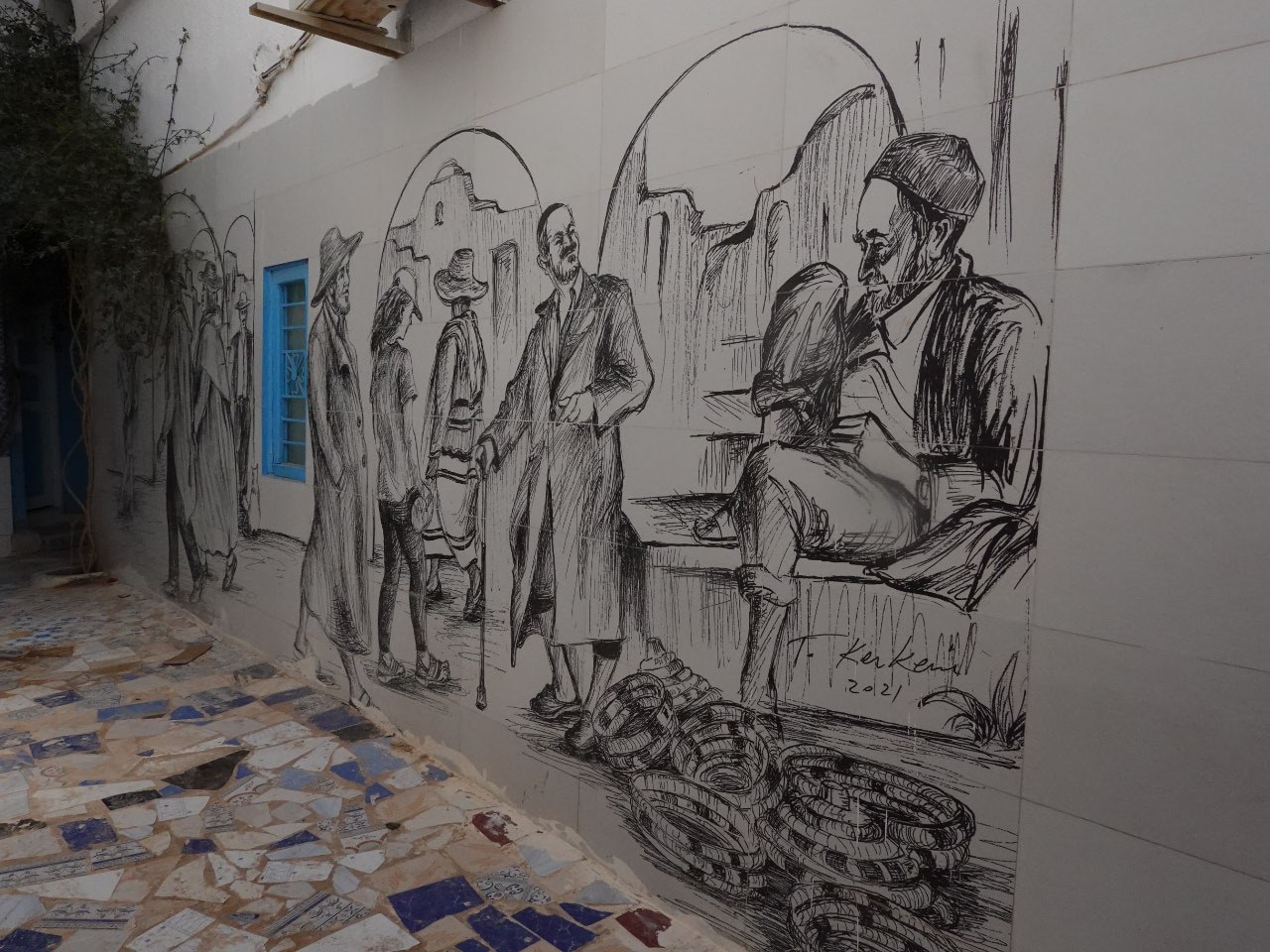 The Jewish quarter in Erriadh, Dejerba TN. Murals on the houses.
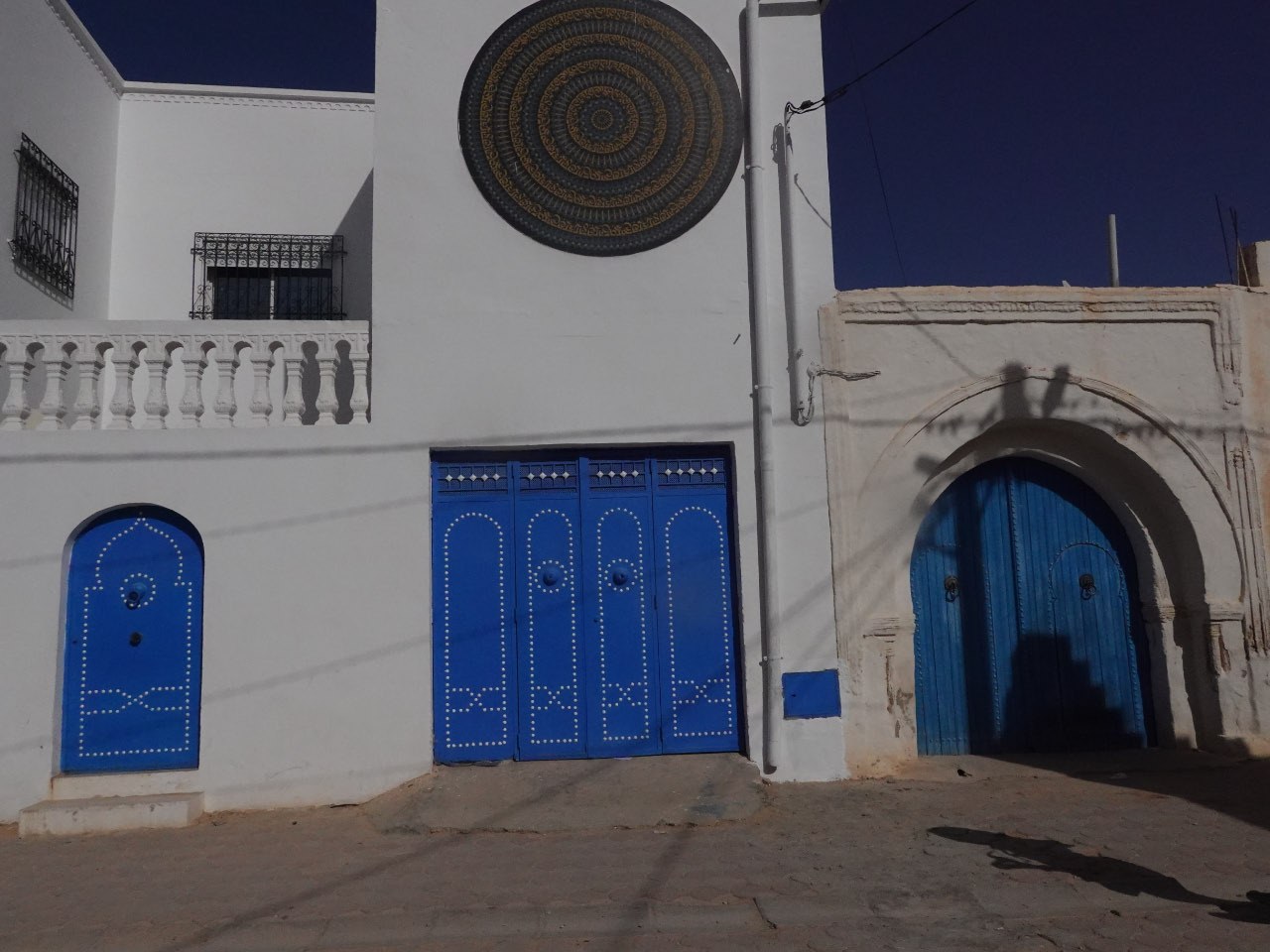 The Jewish quarter in Erriadh, Dejerba TN. Murals on the houses.
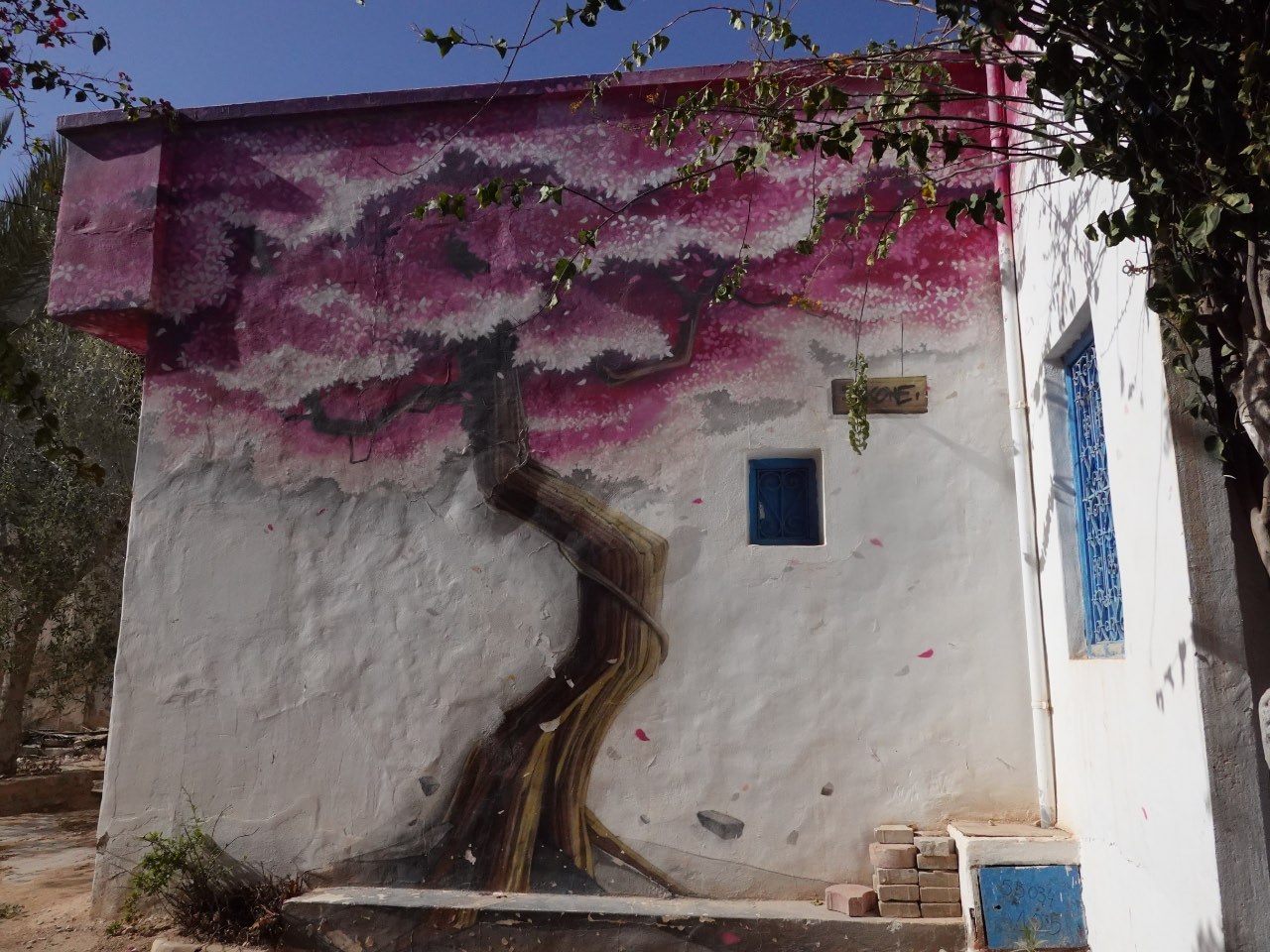 The Jewish quarter in Erriadh, Dejerba TN. Murals on the houses.
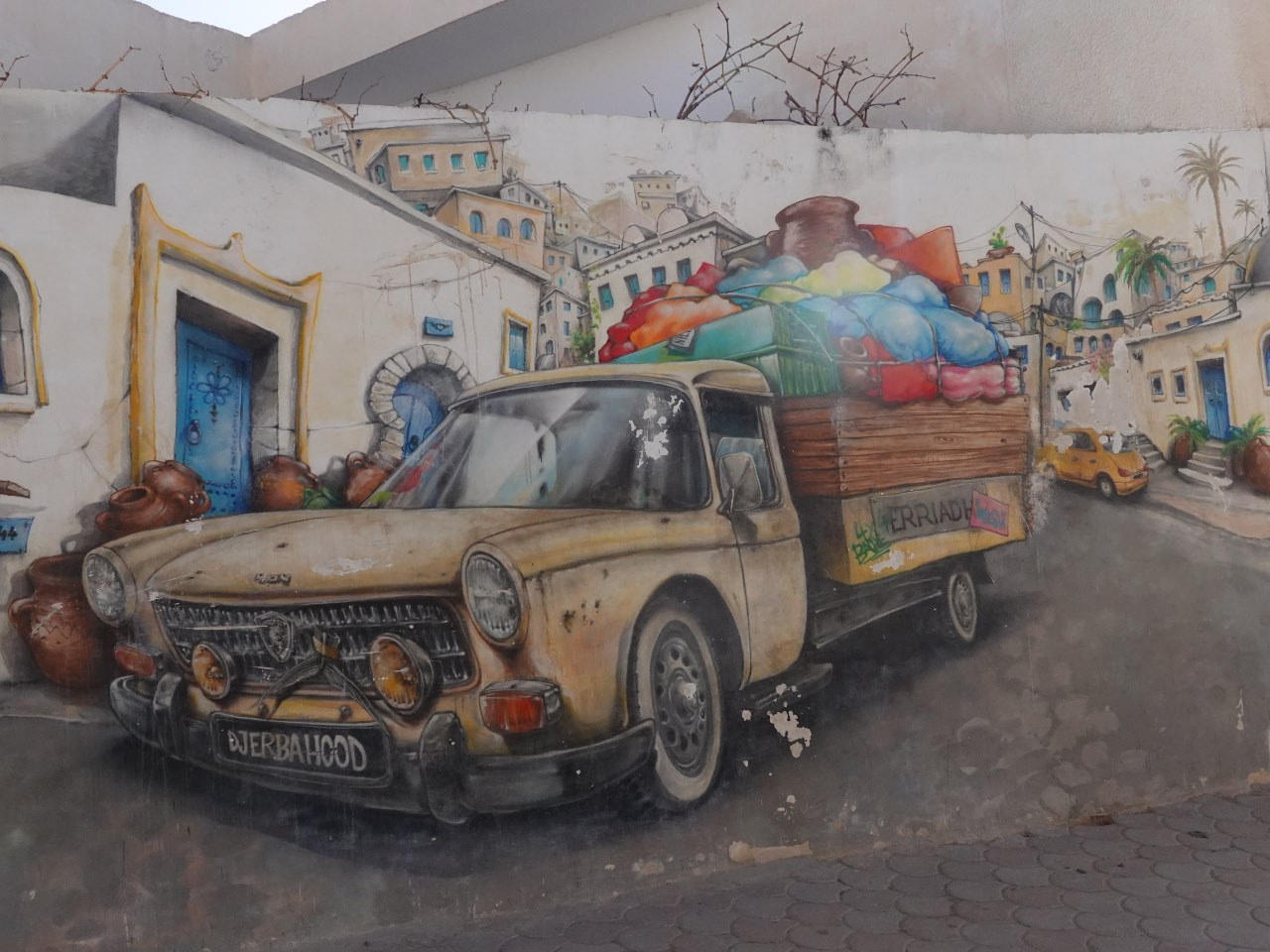 The Jewish quarter in Erriadh, Dejerba TN. Murals on the houses.
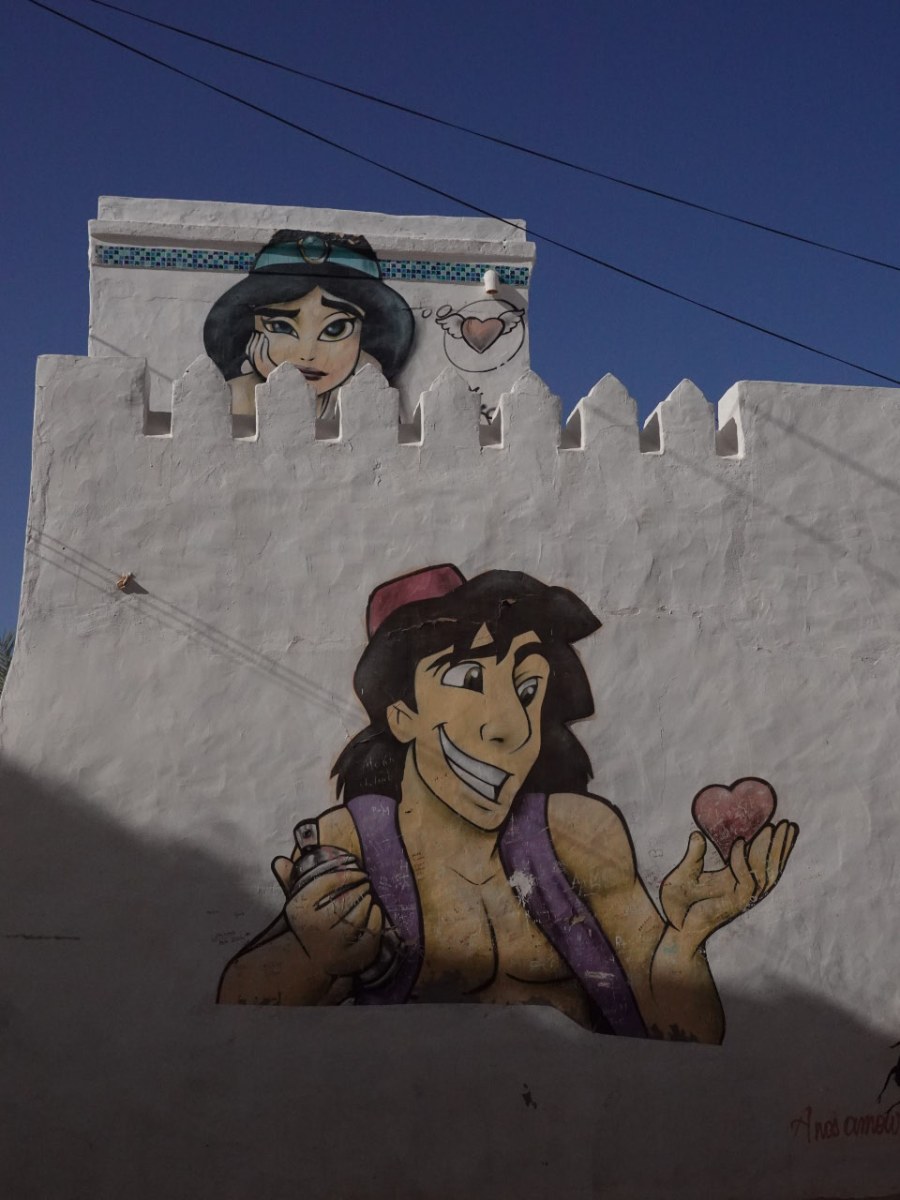 The Jewish quarter in Erriadh, Dejerba TN. Murals on the houses.
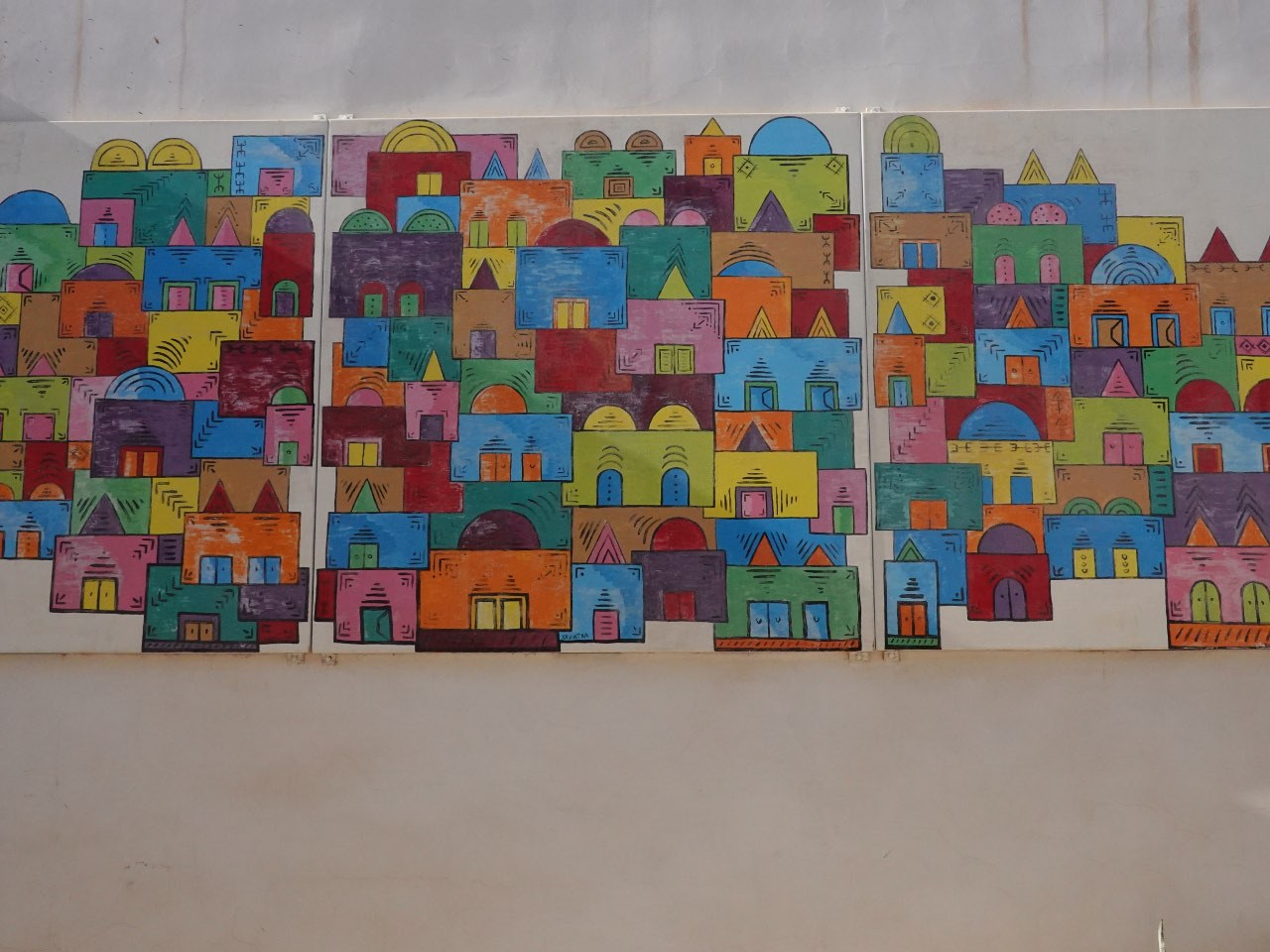 The Jewish quarter in Erriadh, Dejerba TN. Murals on the houses.
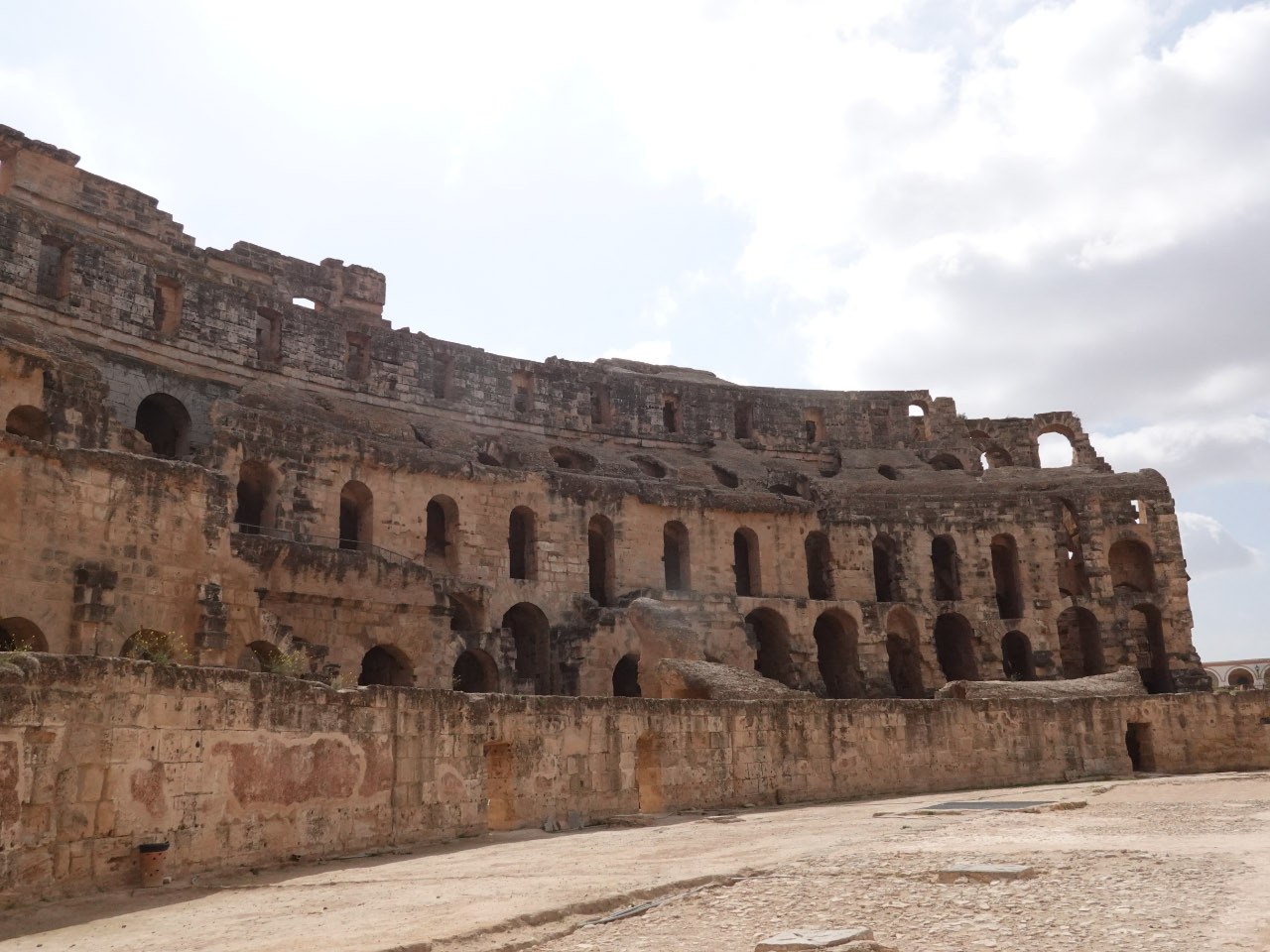 Coleseum at El Djem TN
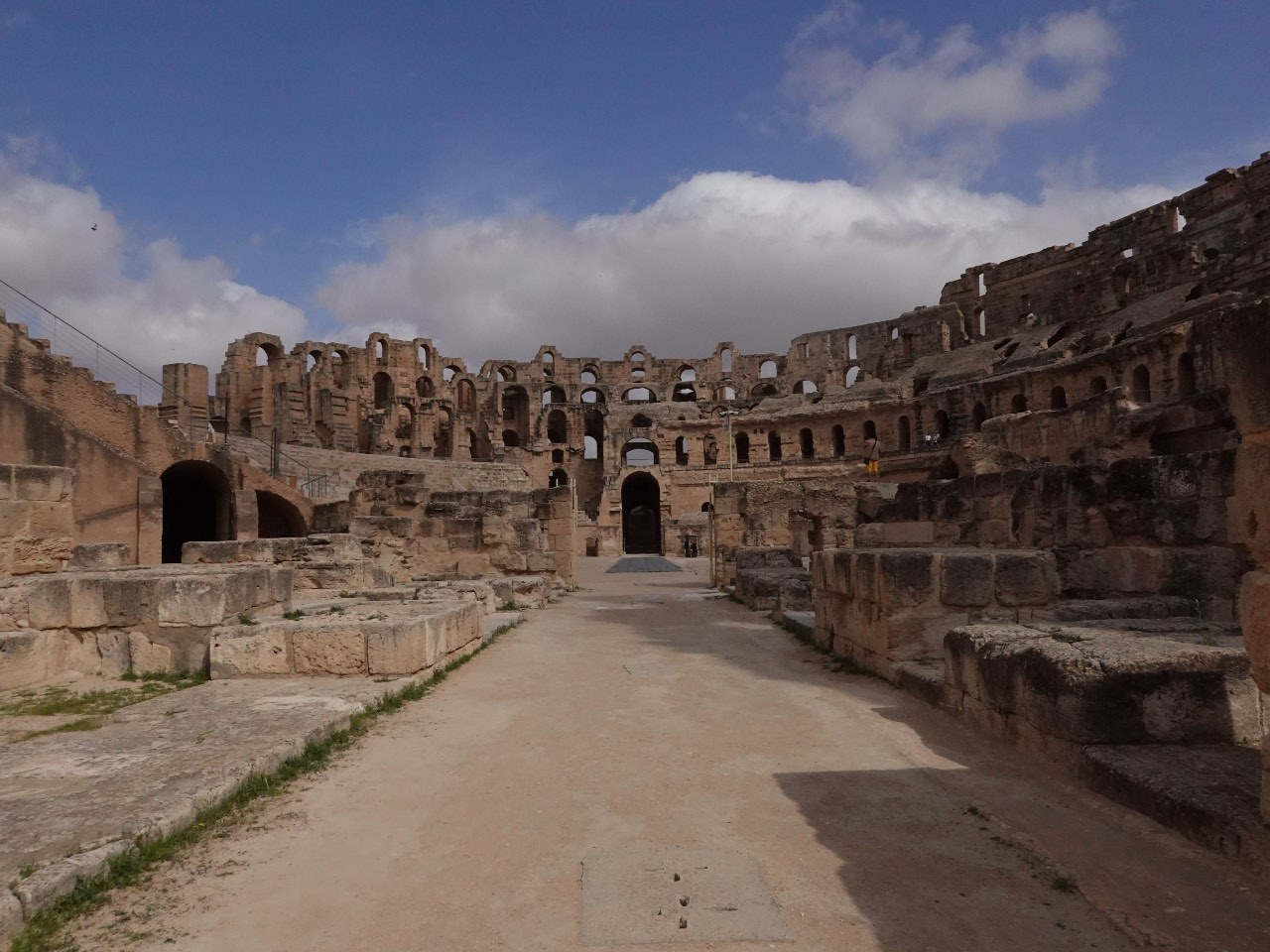 Coleseum at El Djem TN
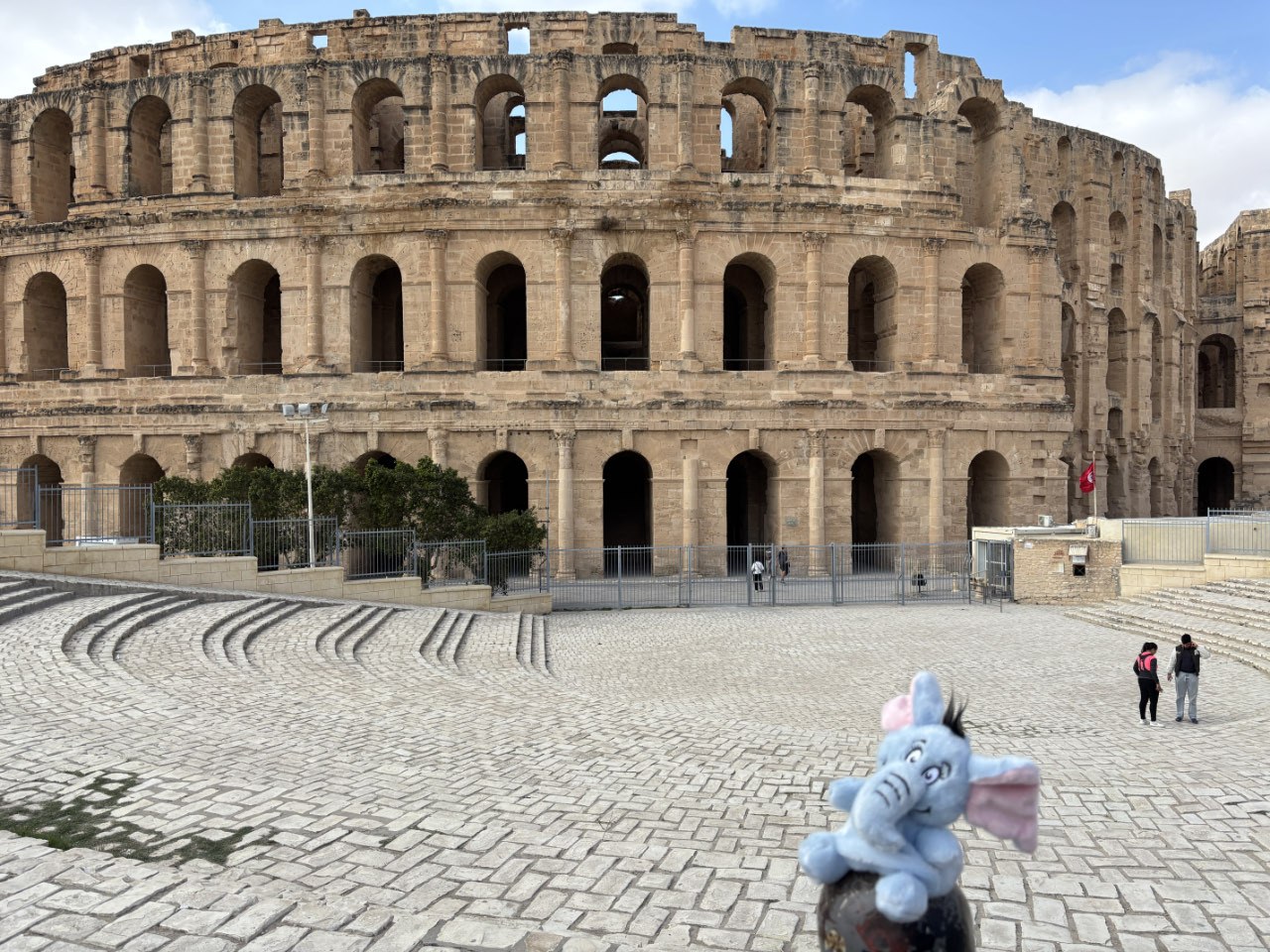 Coleseum at El Djem TN
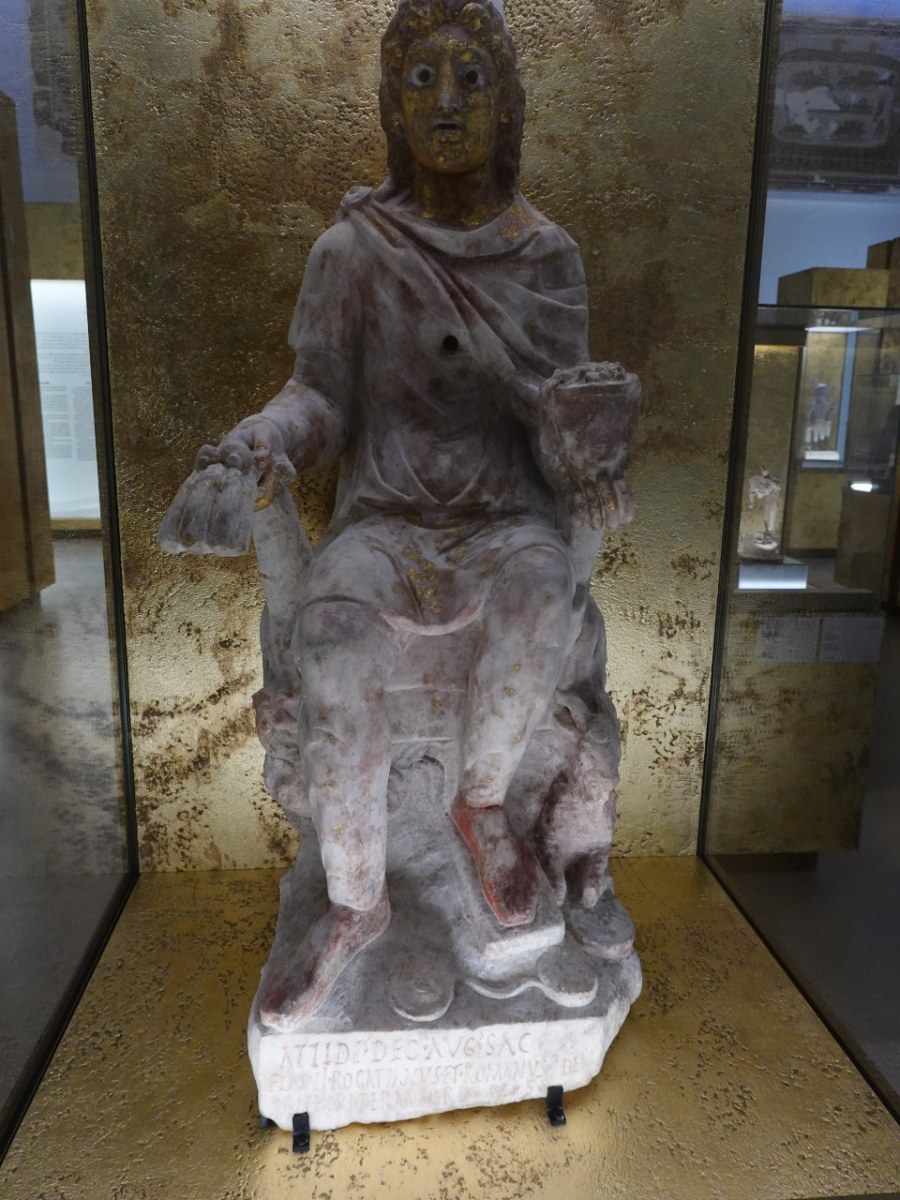
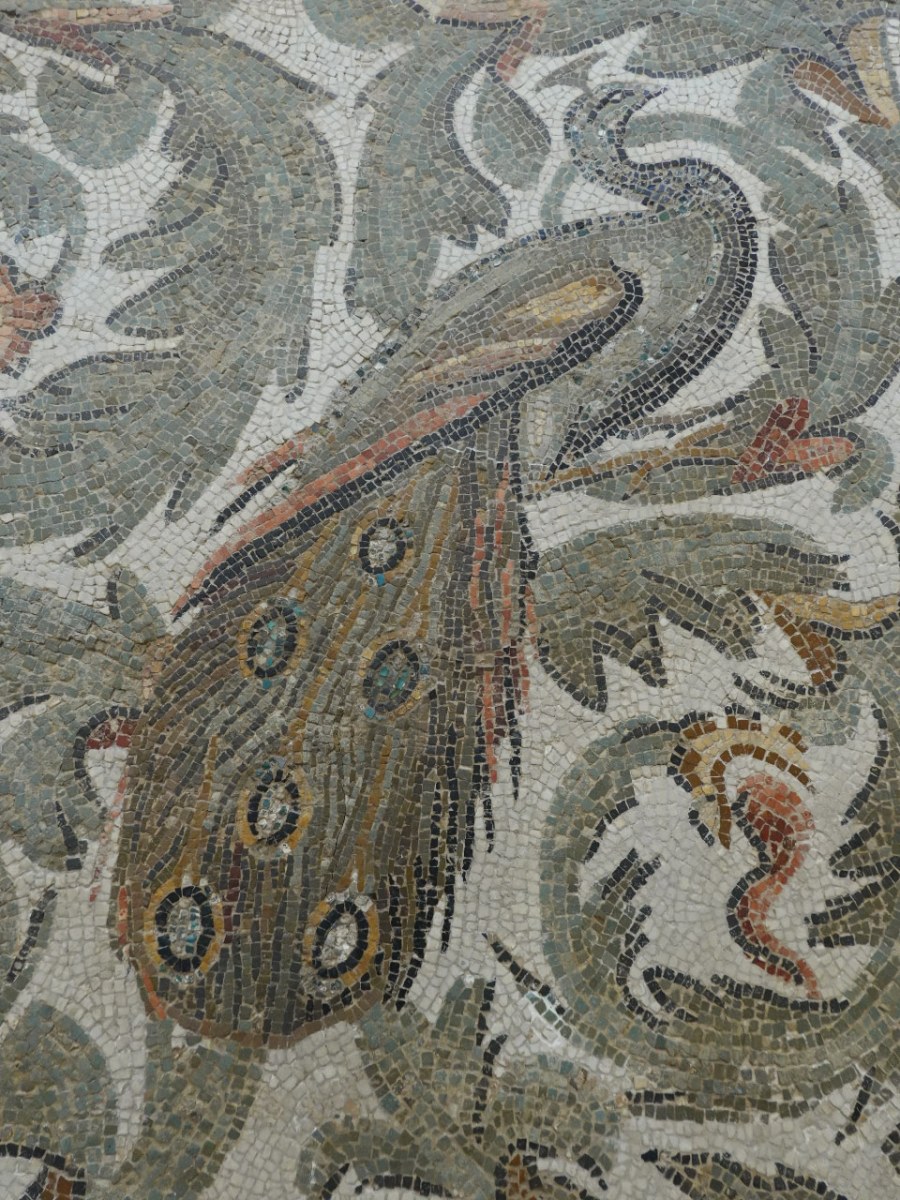
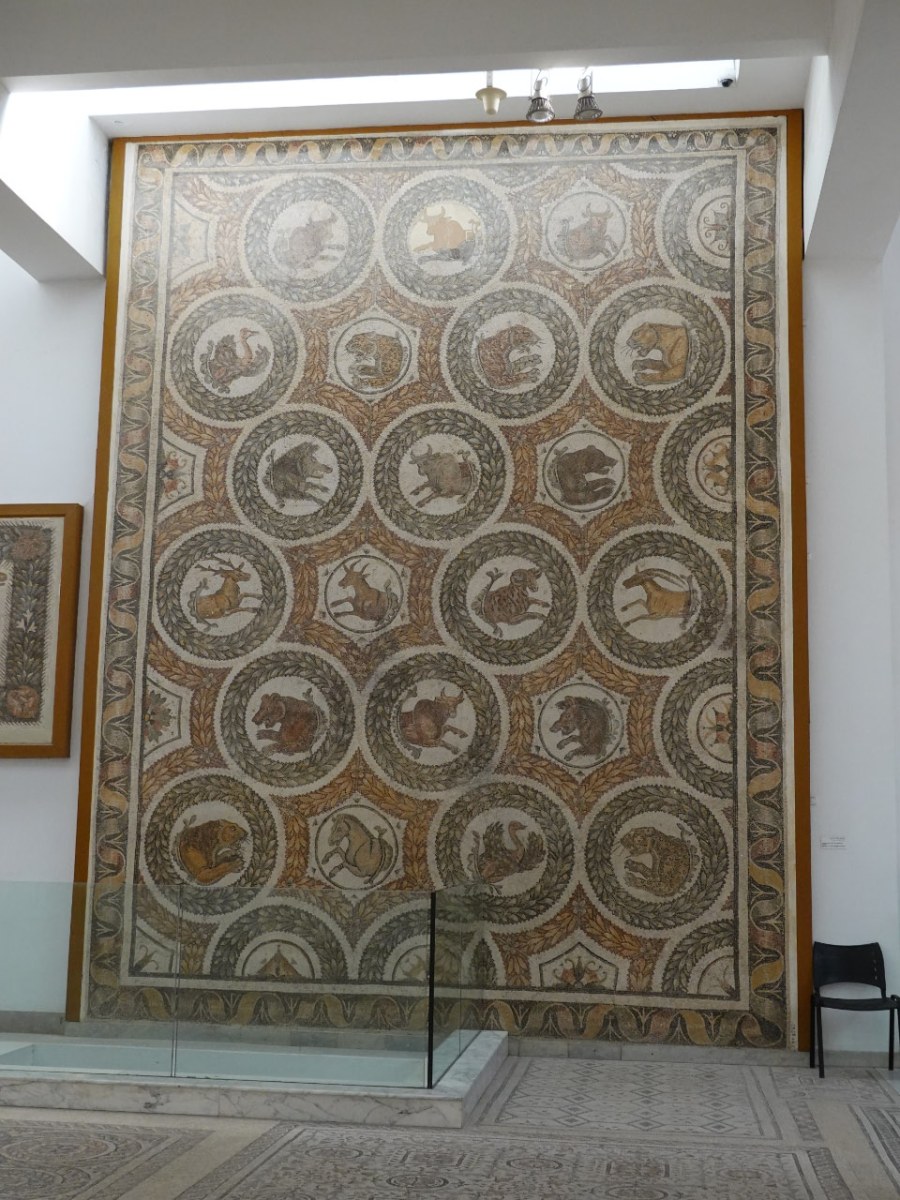
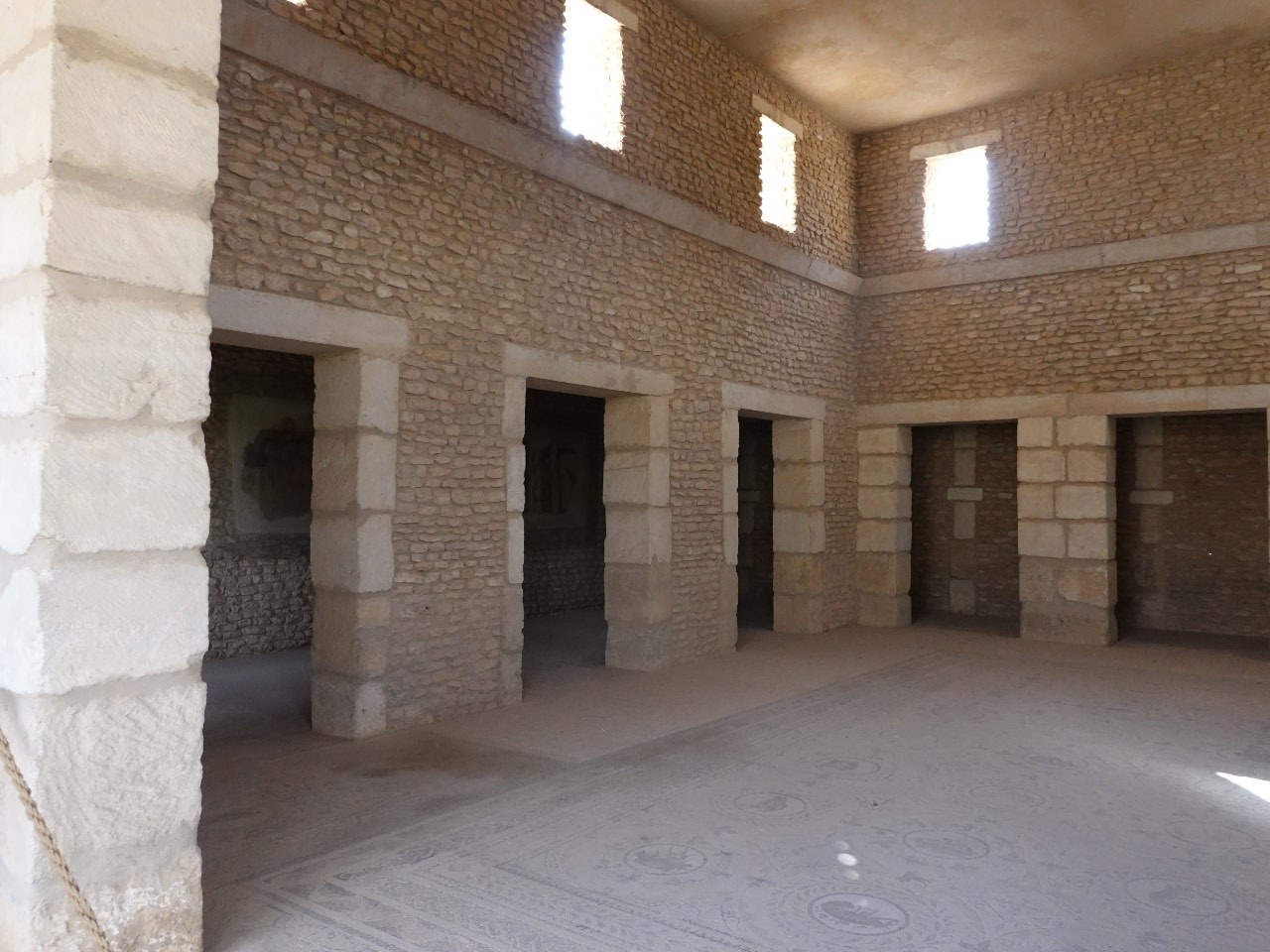 Archaeological Museum, including magnificent mosaics and a restored Roman Villa, El Djem TN
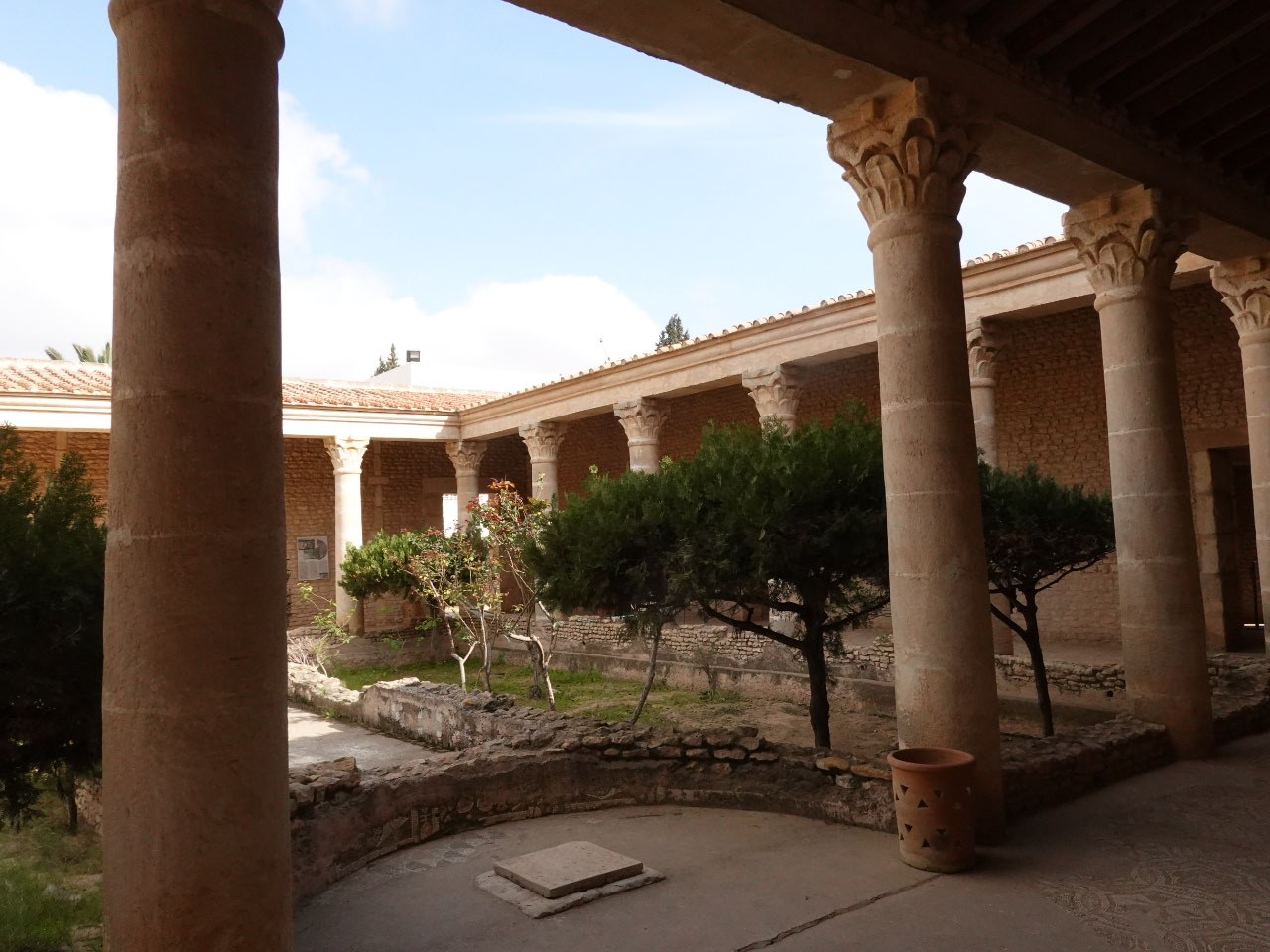 Archaeological Museum, including magnificent mosaics and a restored Roman Villa, El Djem TN
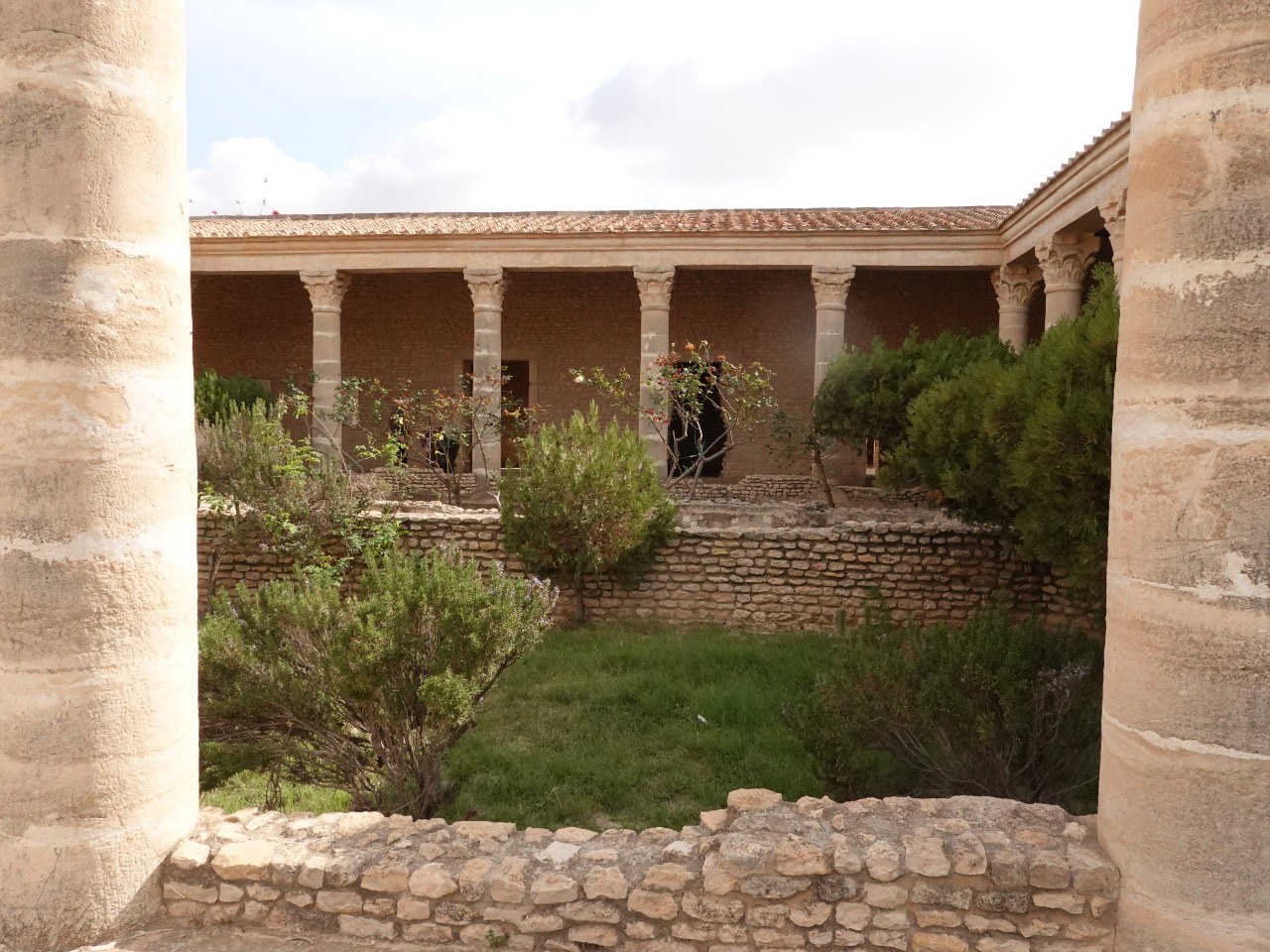 Archaeological Museum, including magnificent mosaics and a restored Roman Villa, El Djem TN
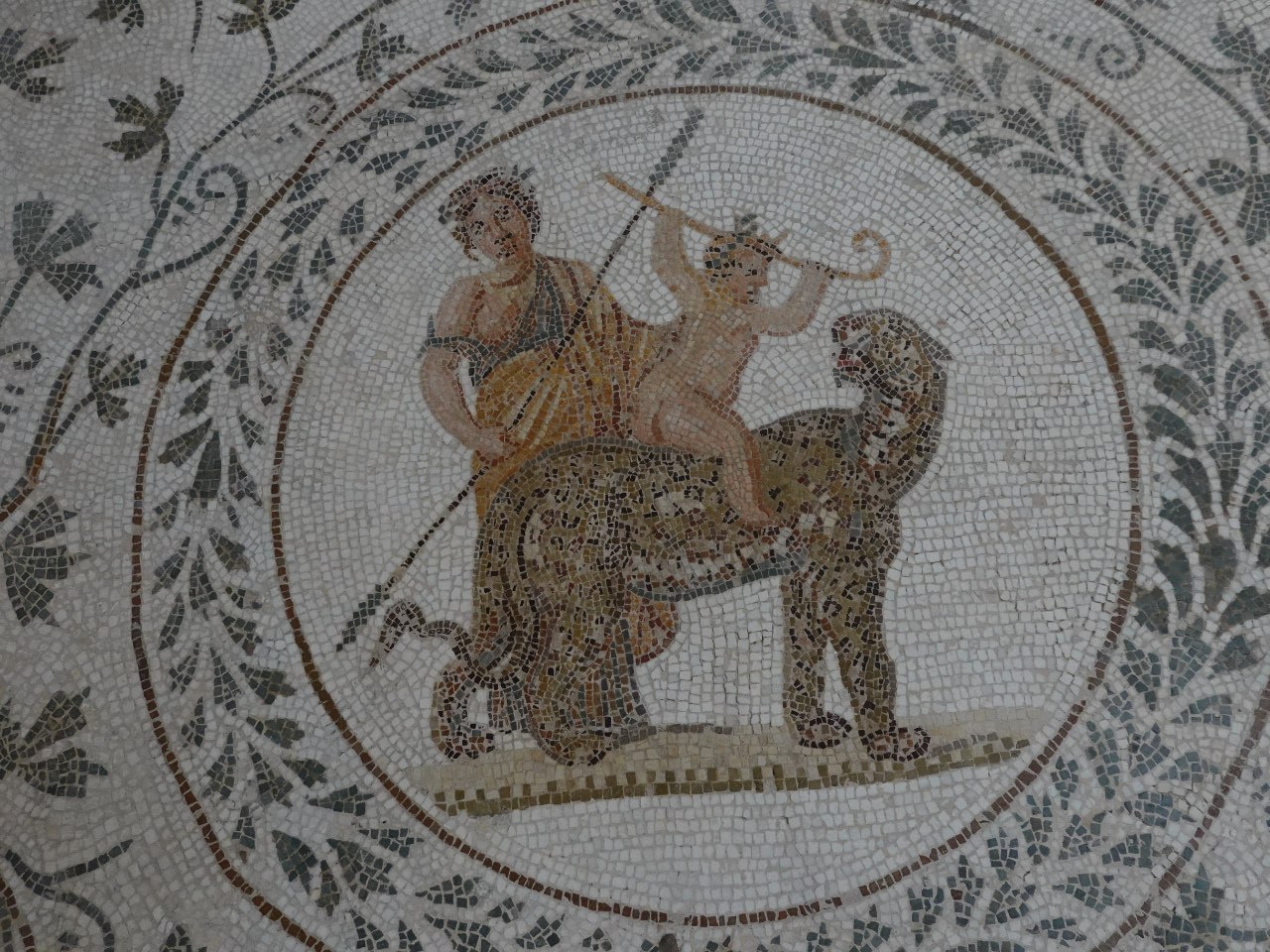 Archaeological Museum, including magnificent mosaics and a restored Roman Villa, El Djem TN
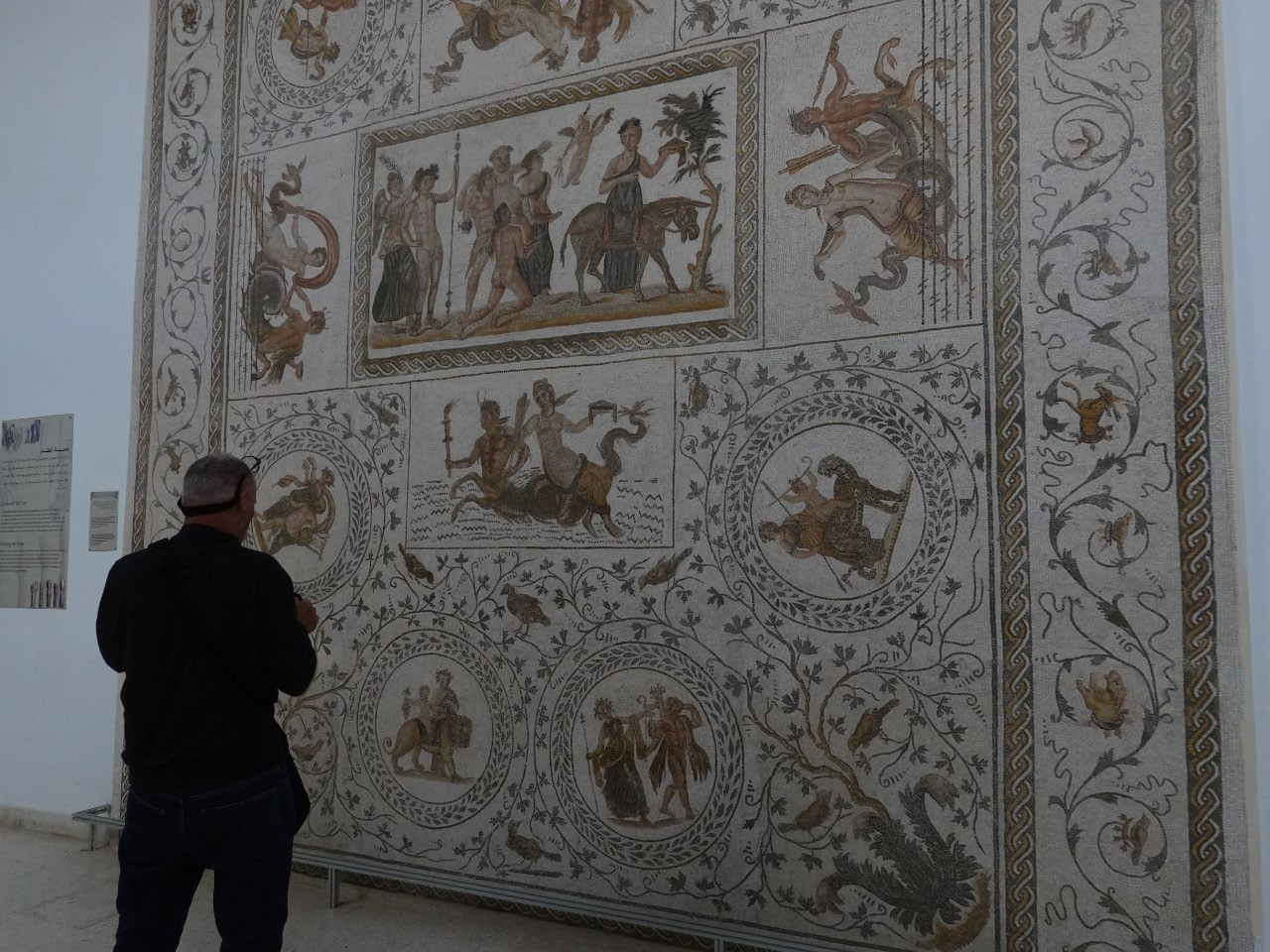 Archaeological Museum, including magnificent mosaics and a restored Roman Villa, El Djem TN
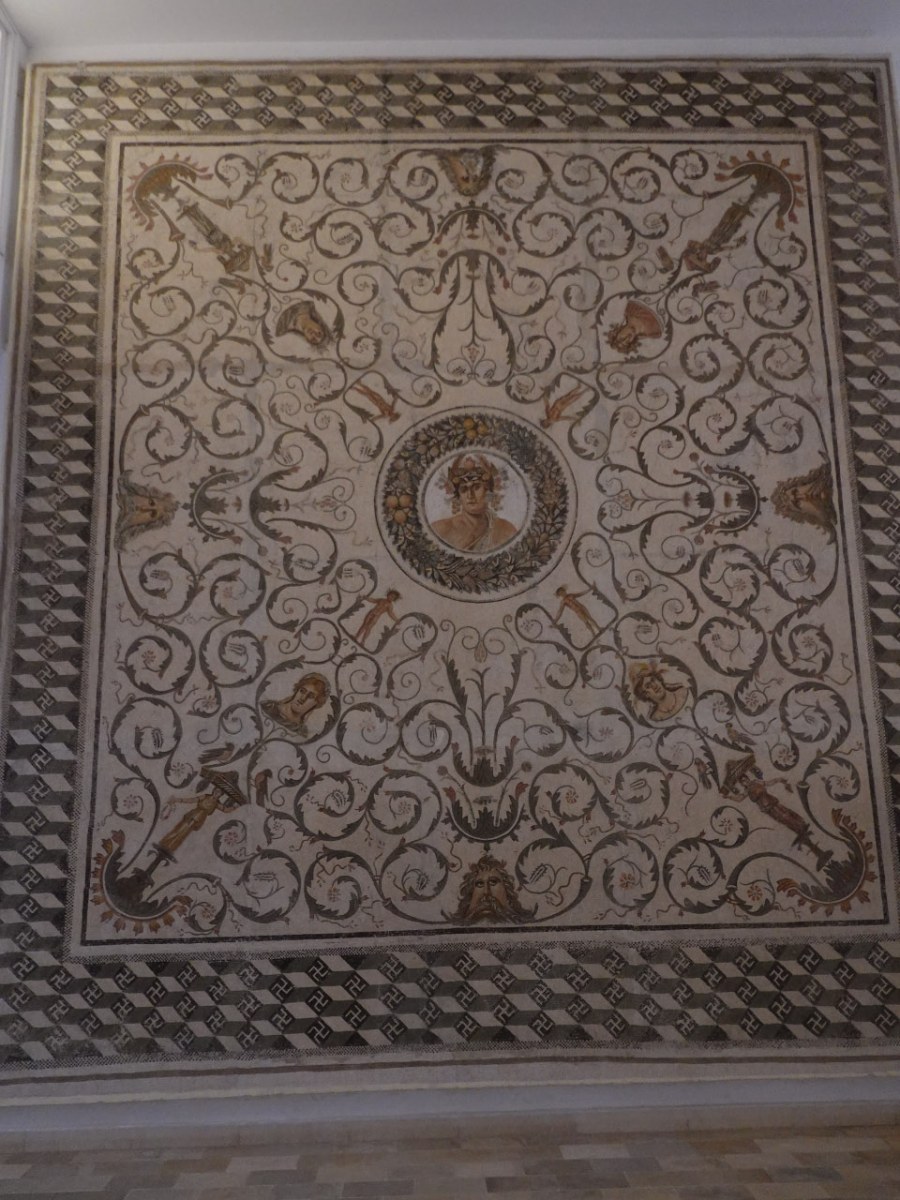 Archaeological Museum, including magnificent mosaics and a restored Roman Villa, El Djem TN
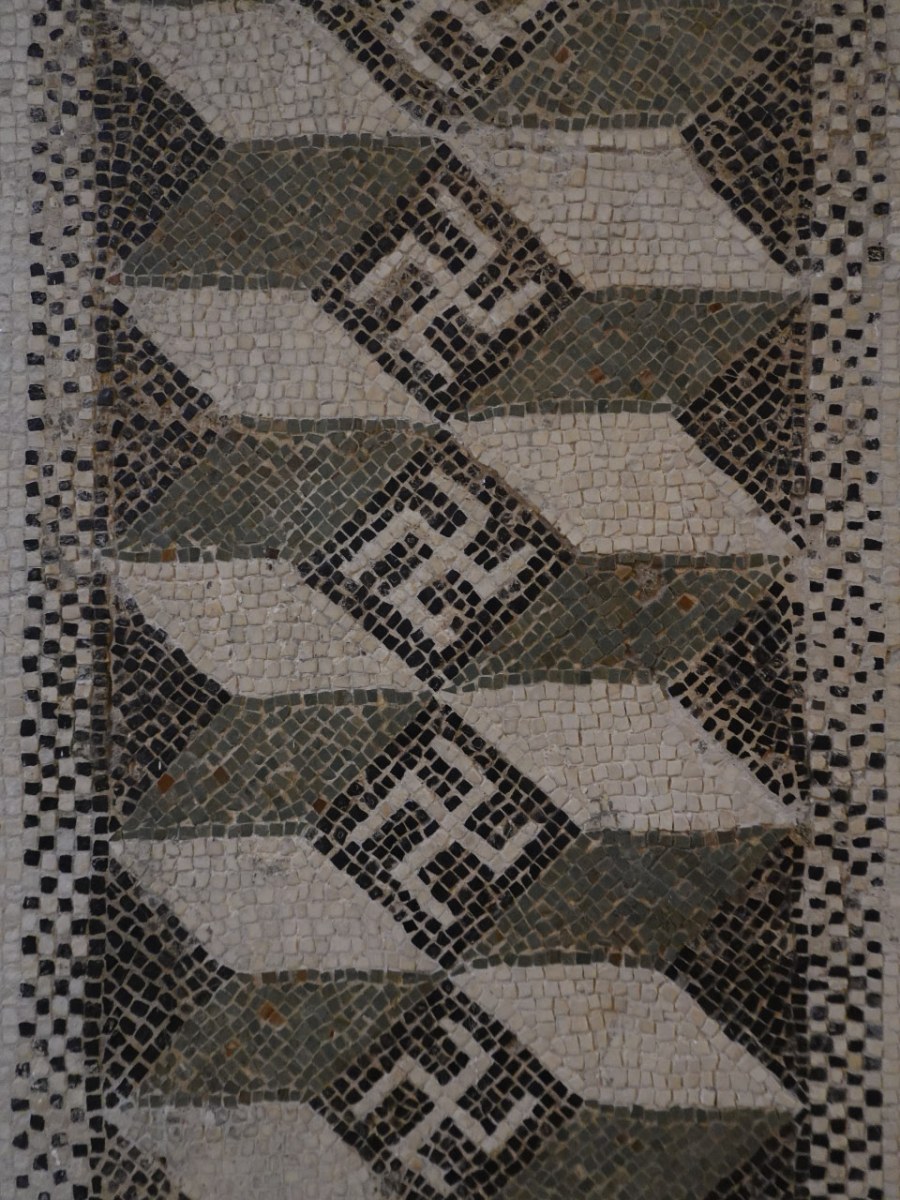 Archaeological Museum, including magnificent mosaics and a restored Roman Villa, El Djem TN
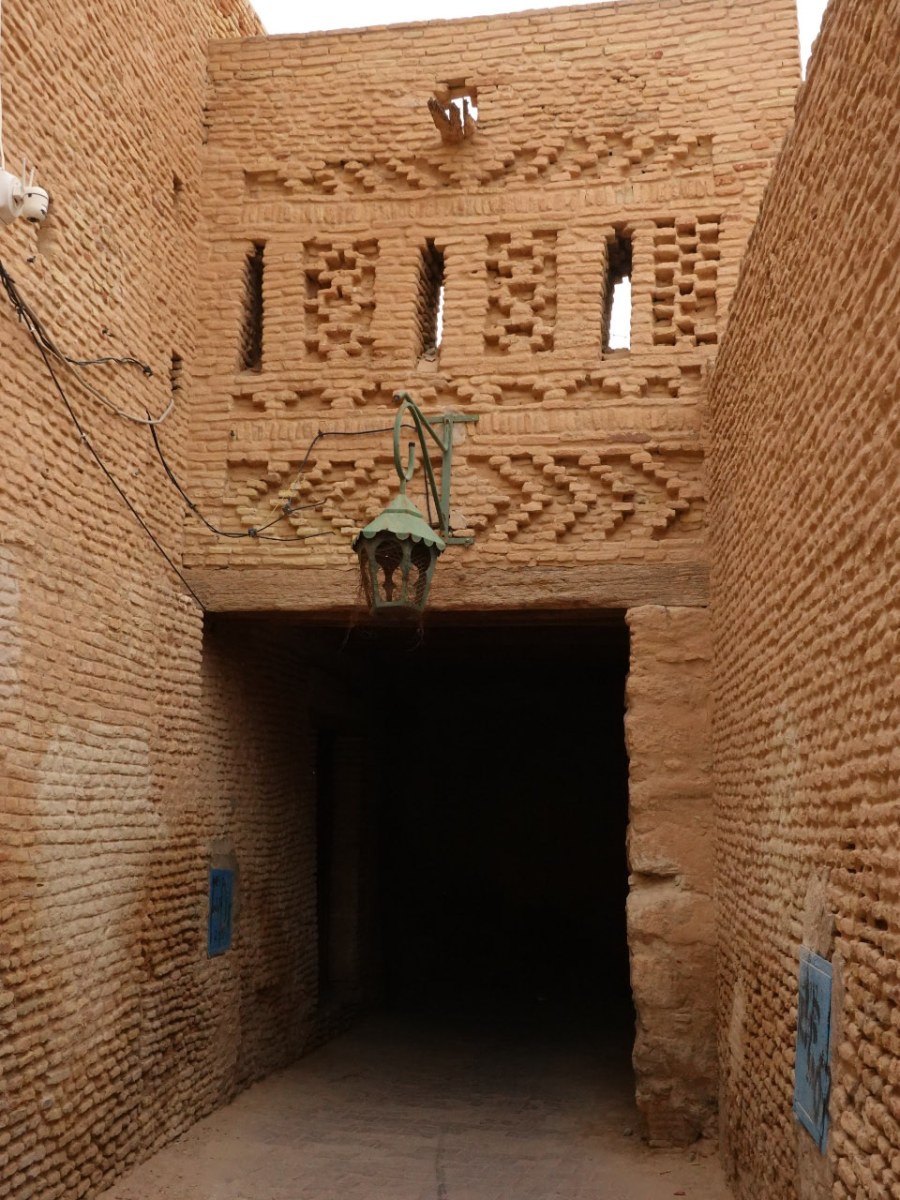
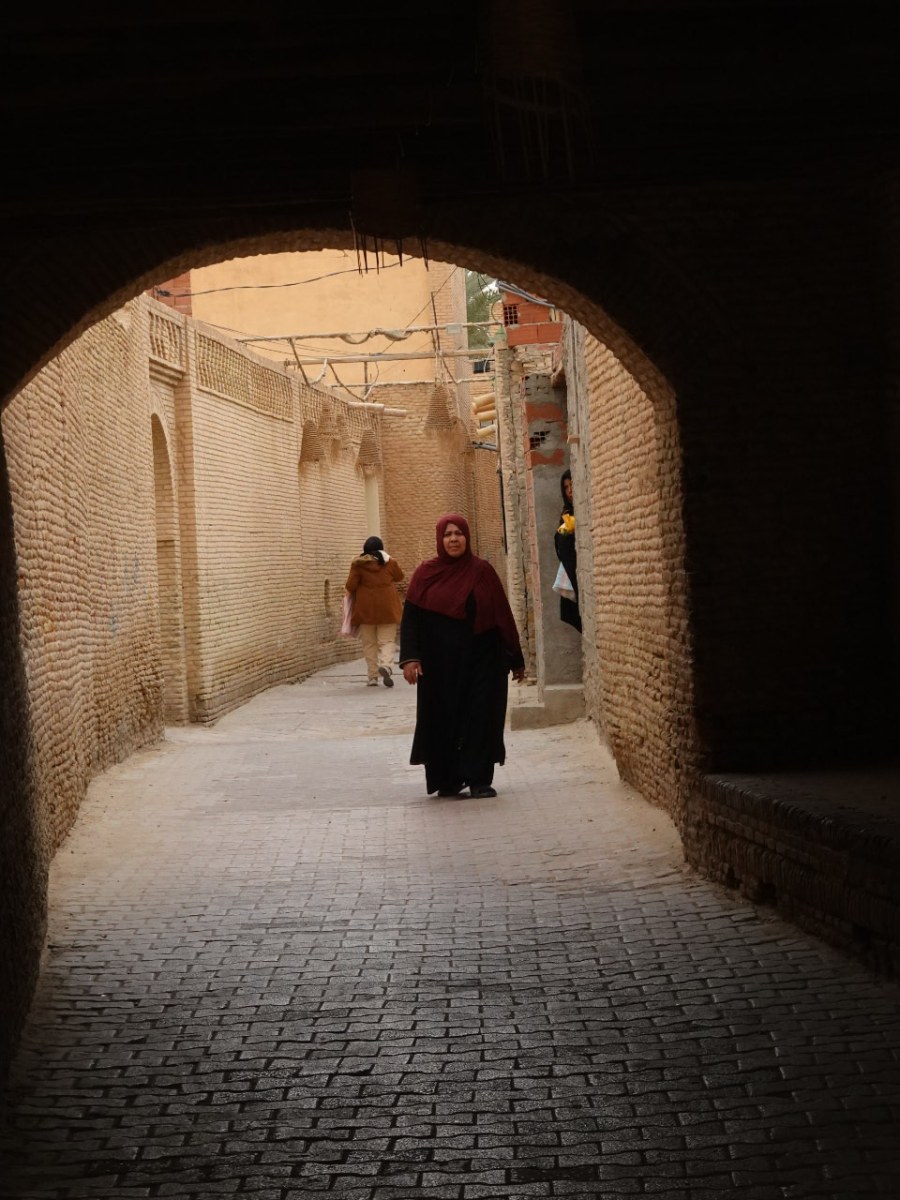
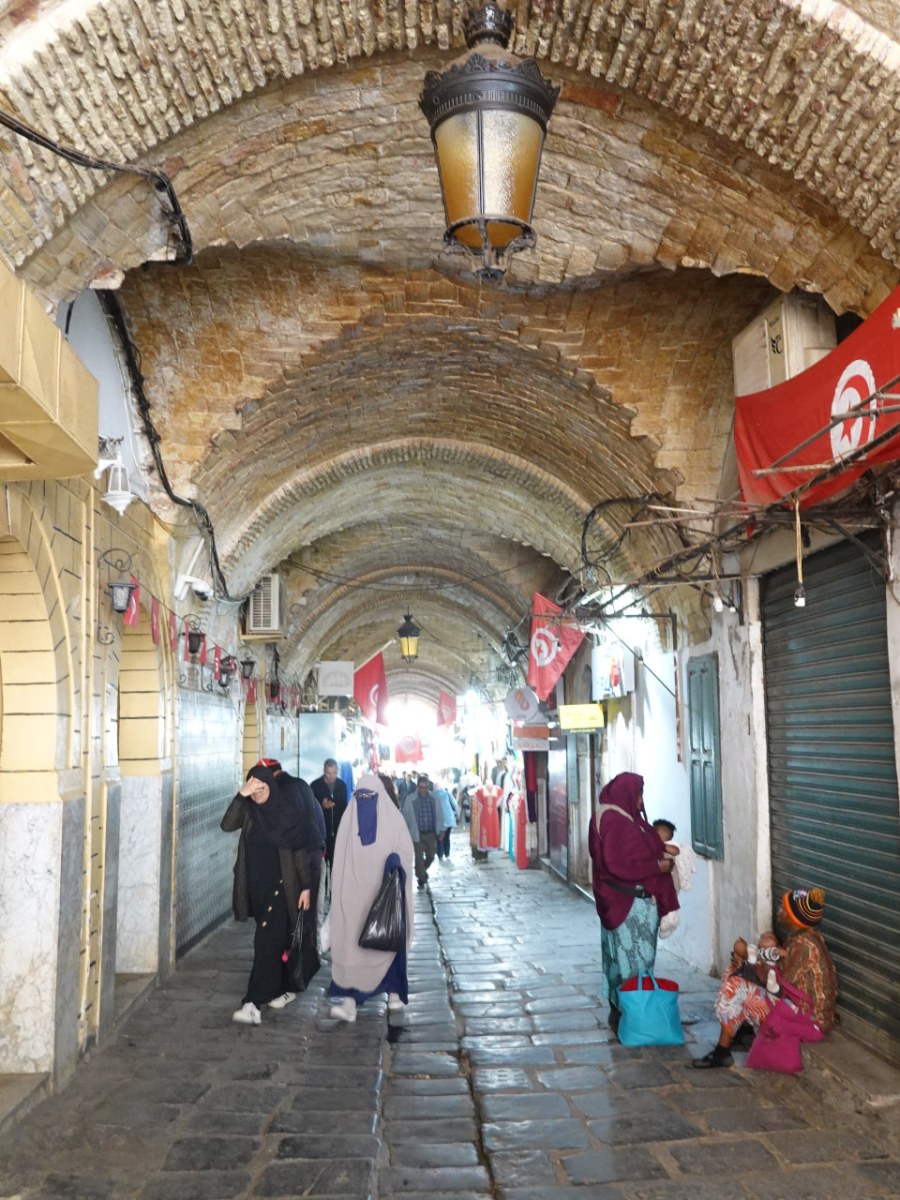
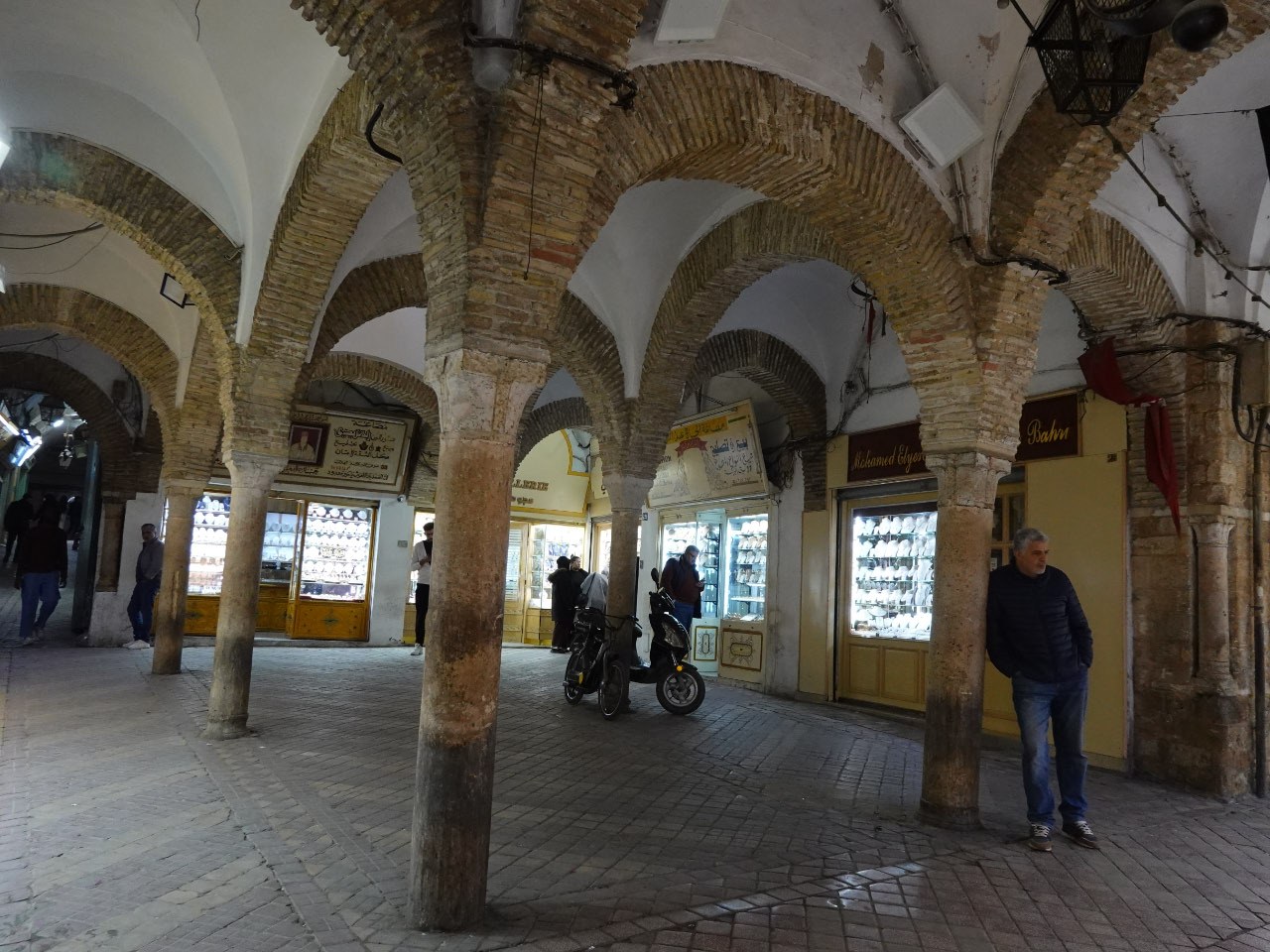
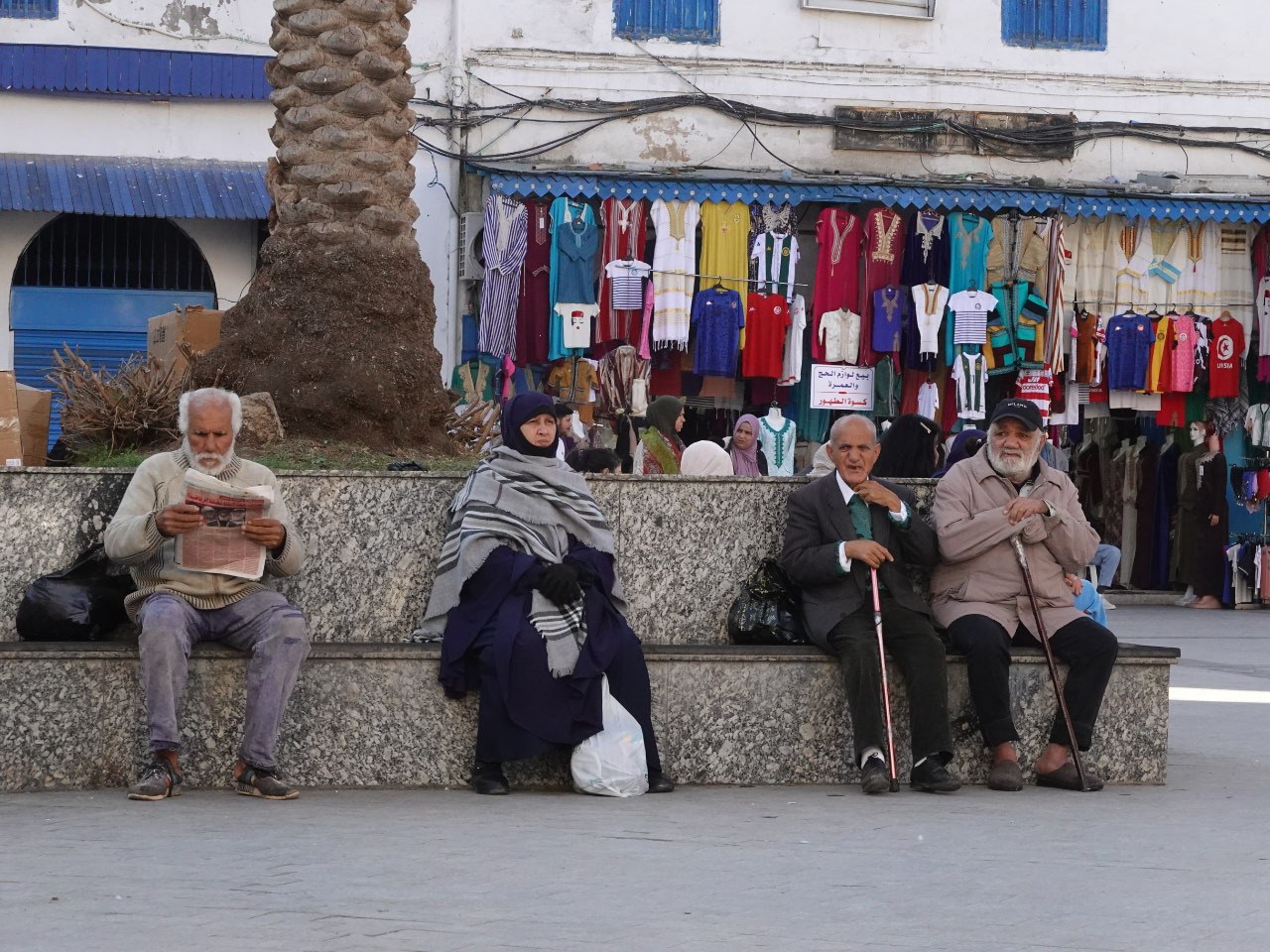
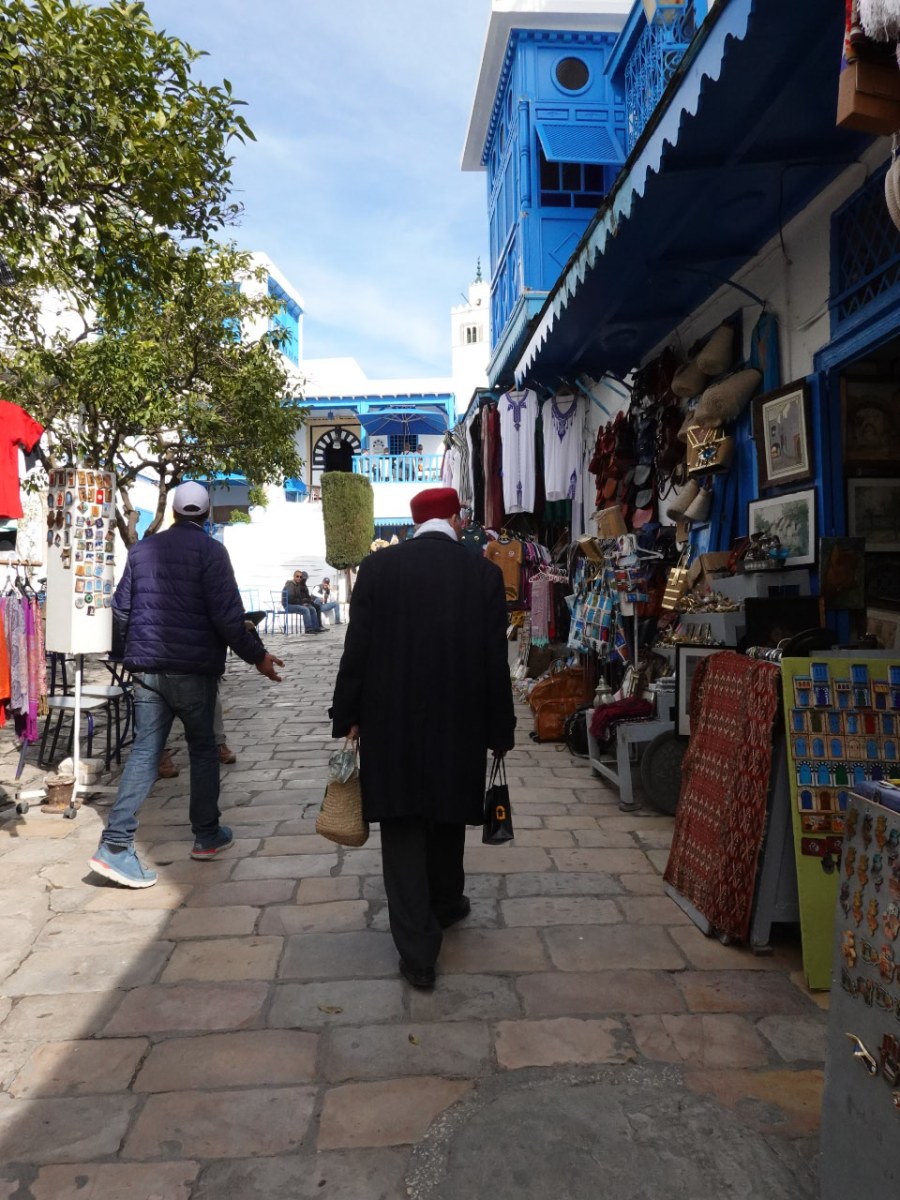
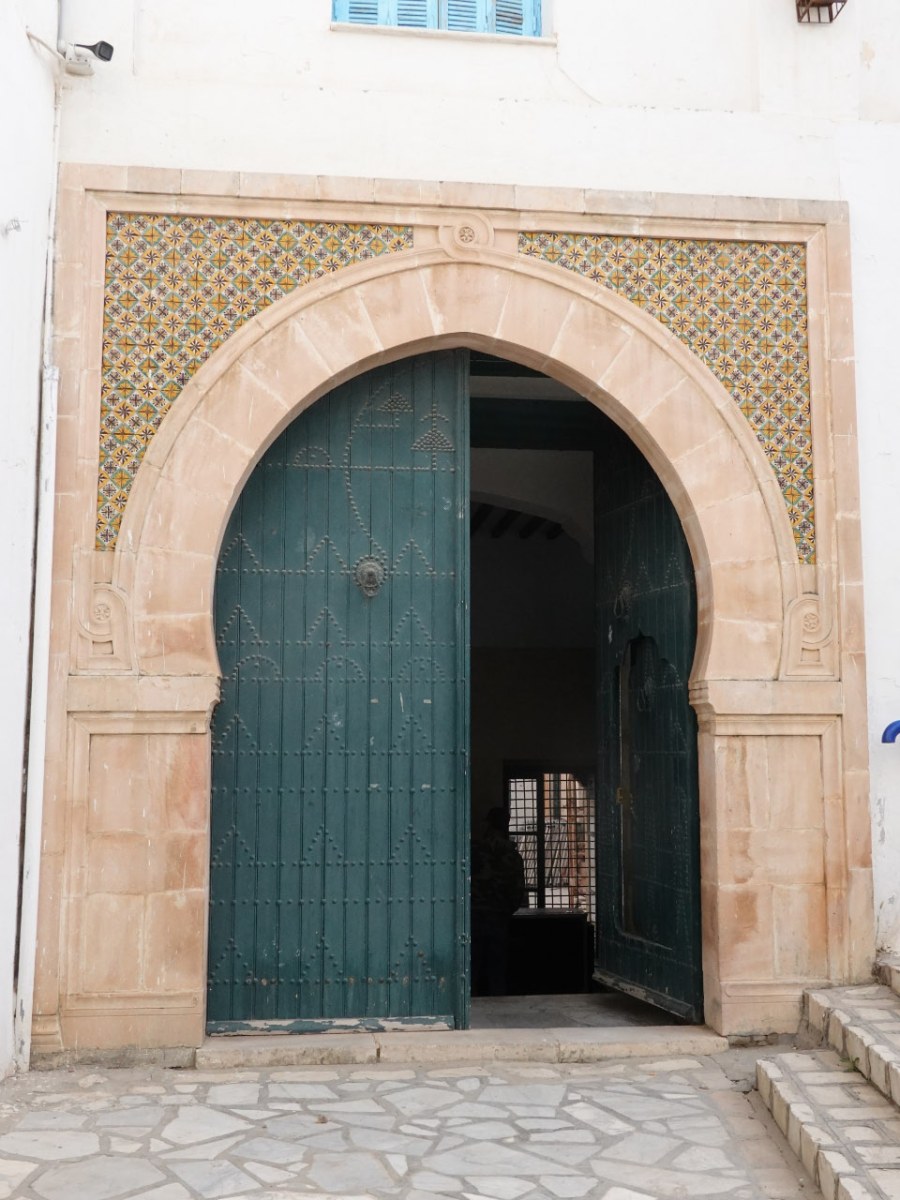 The medina, inside fortress walls, Soussse TN
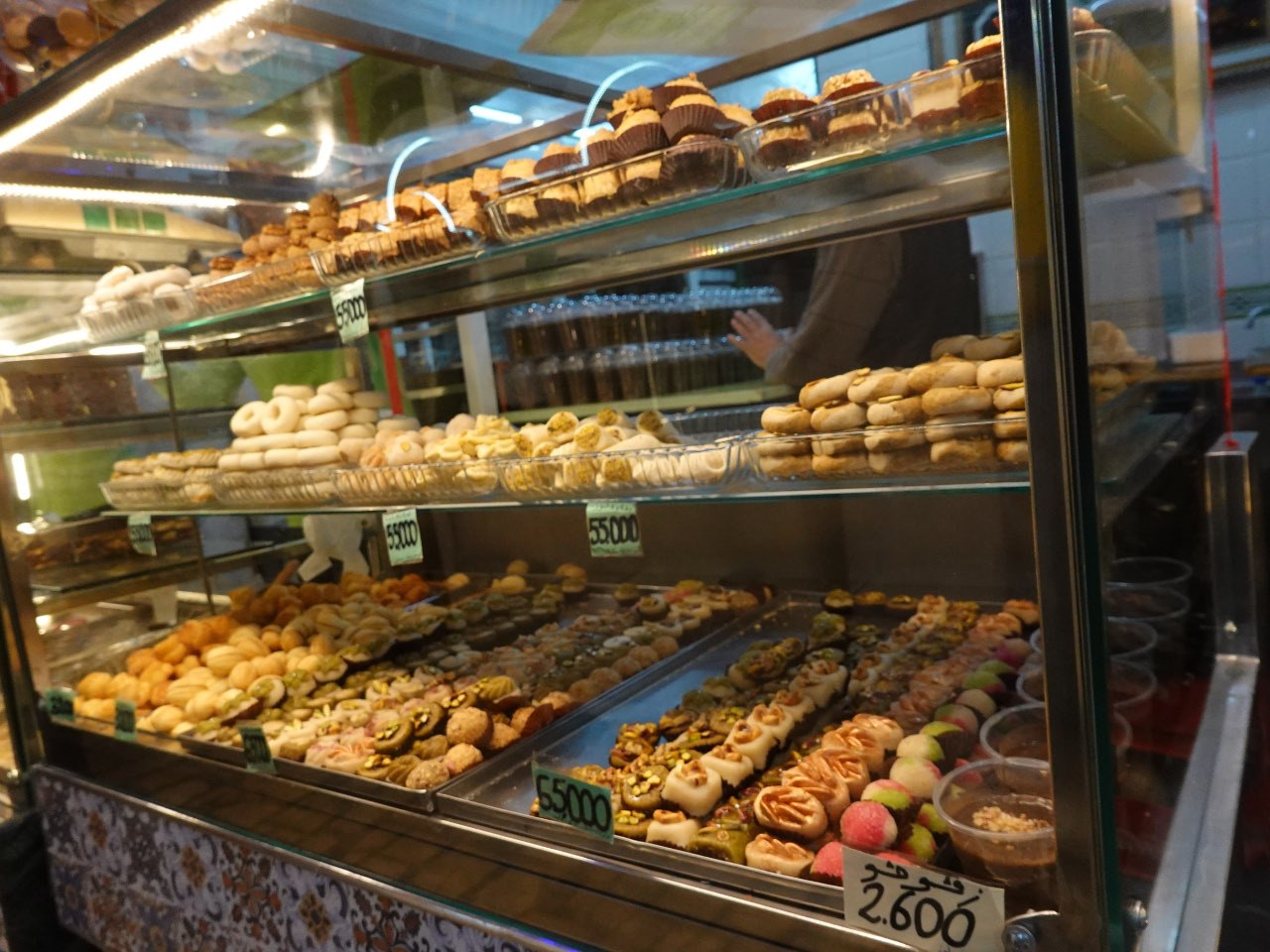 The medina, inside fortress walls, Soussse TN
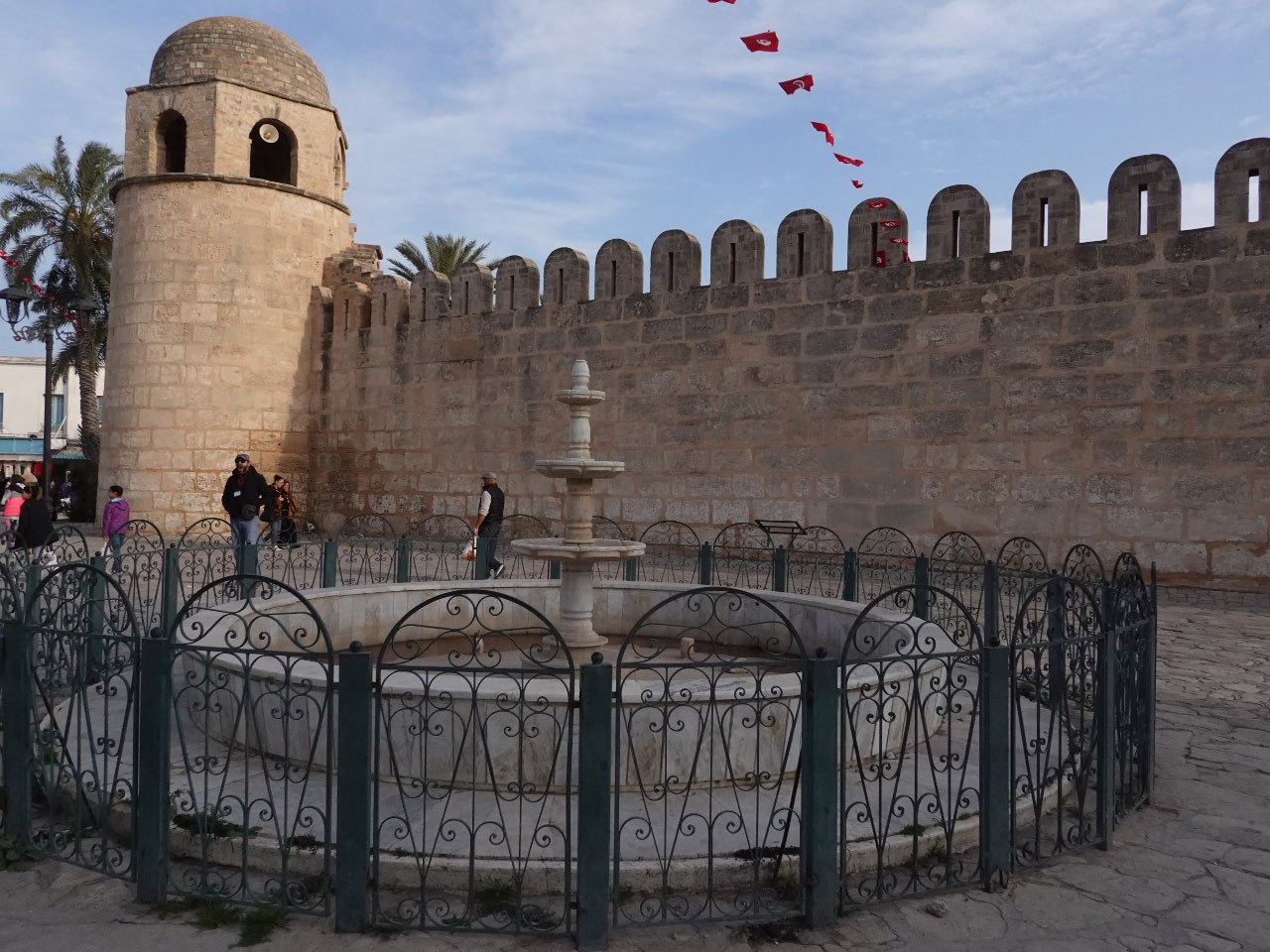 The medina, inside fortress walls, Soussse TN
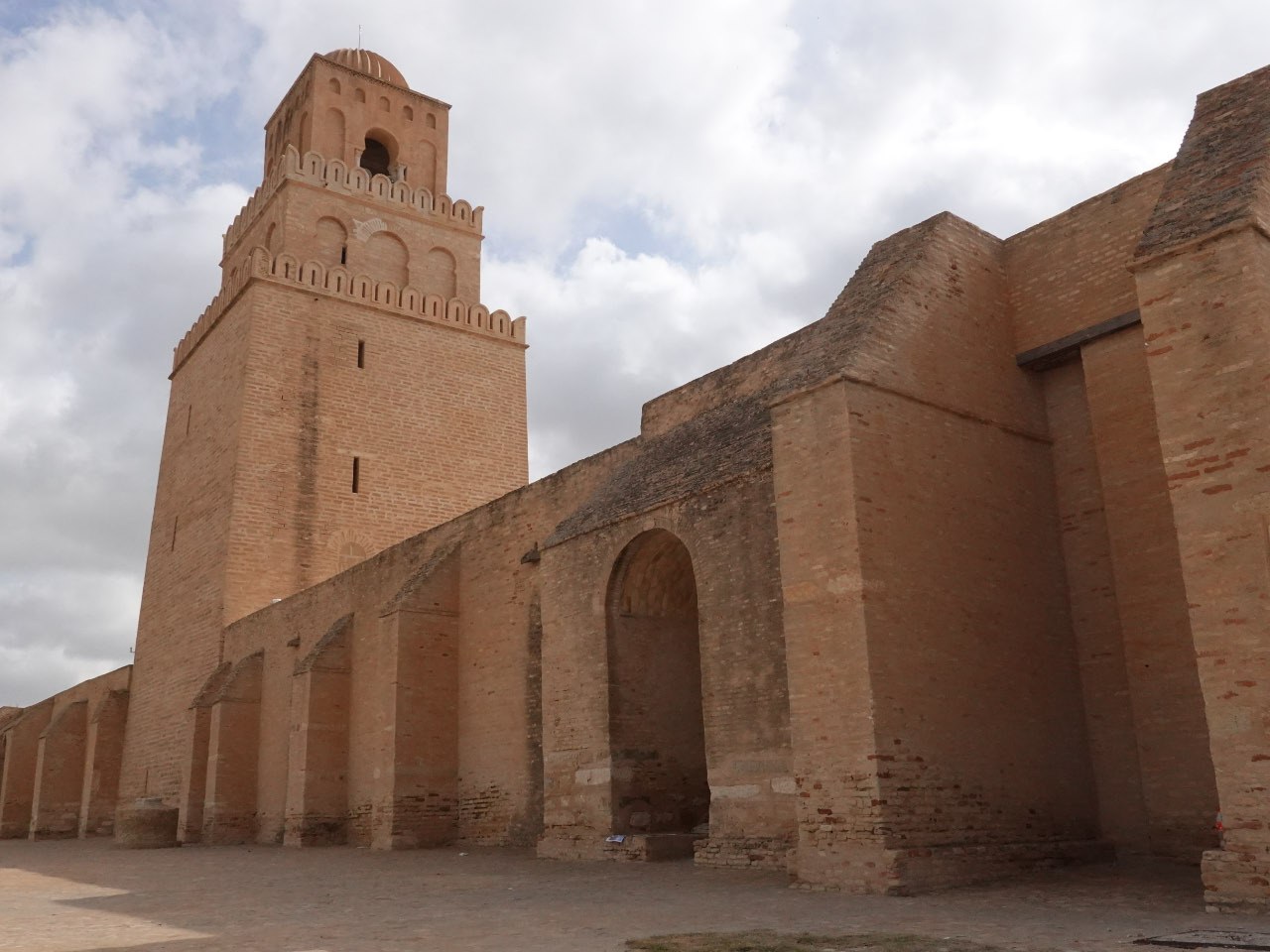
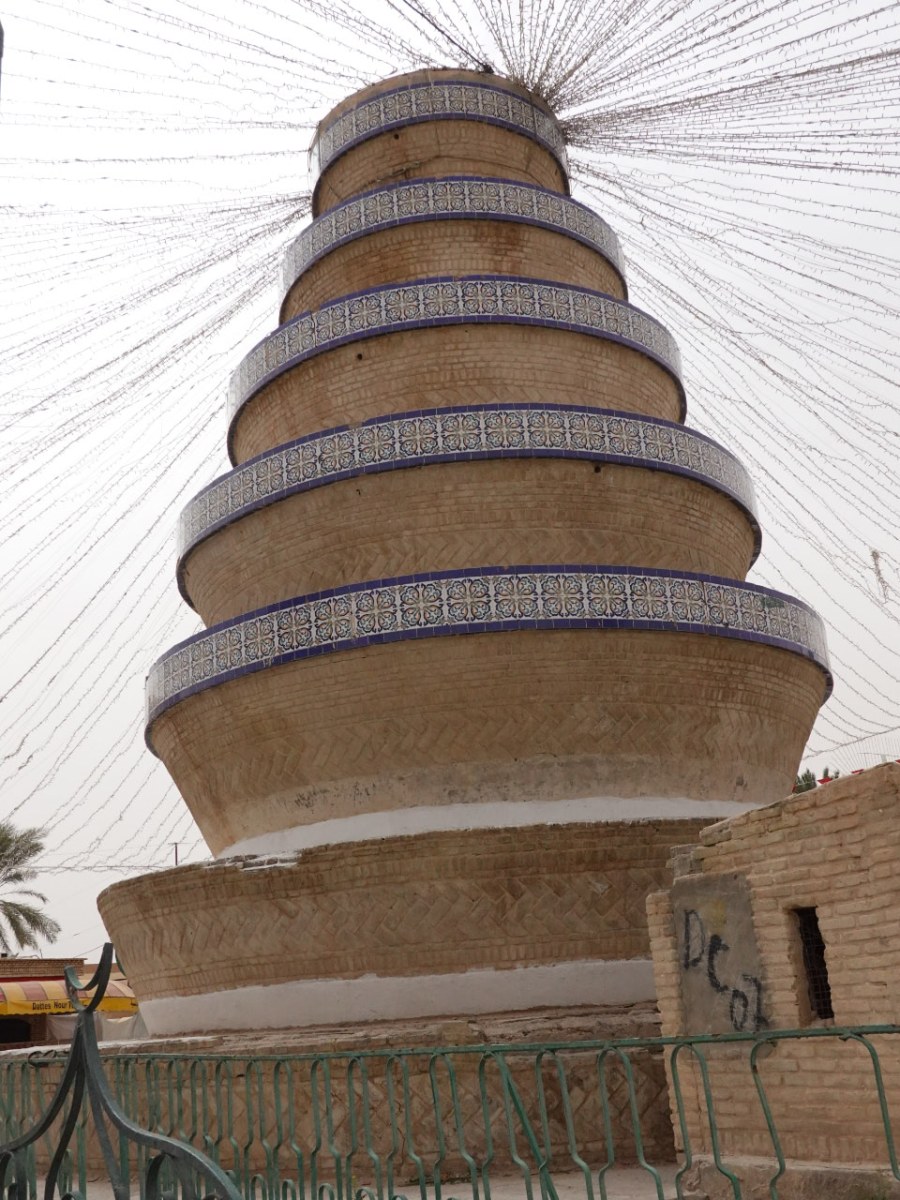
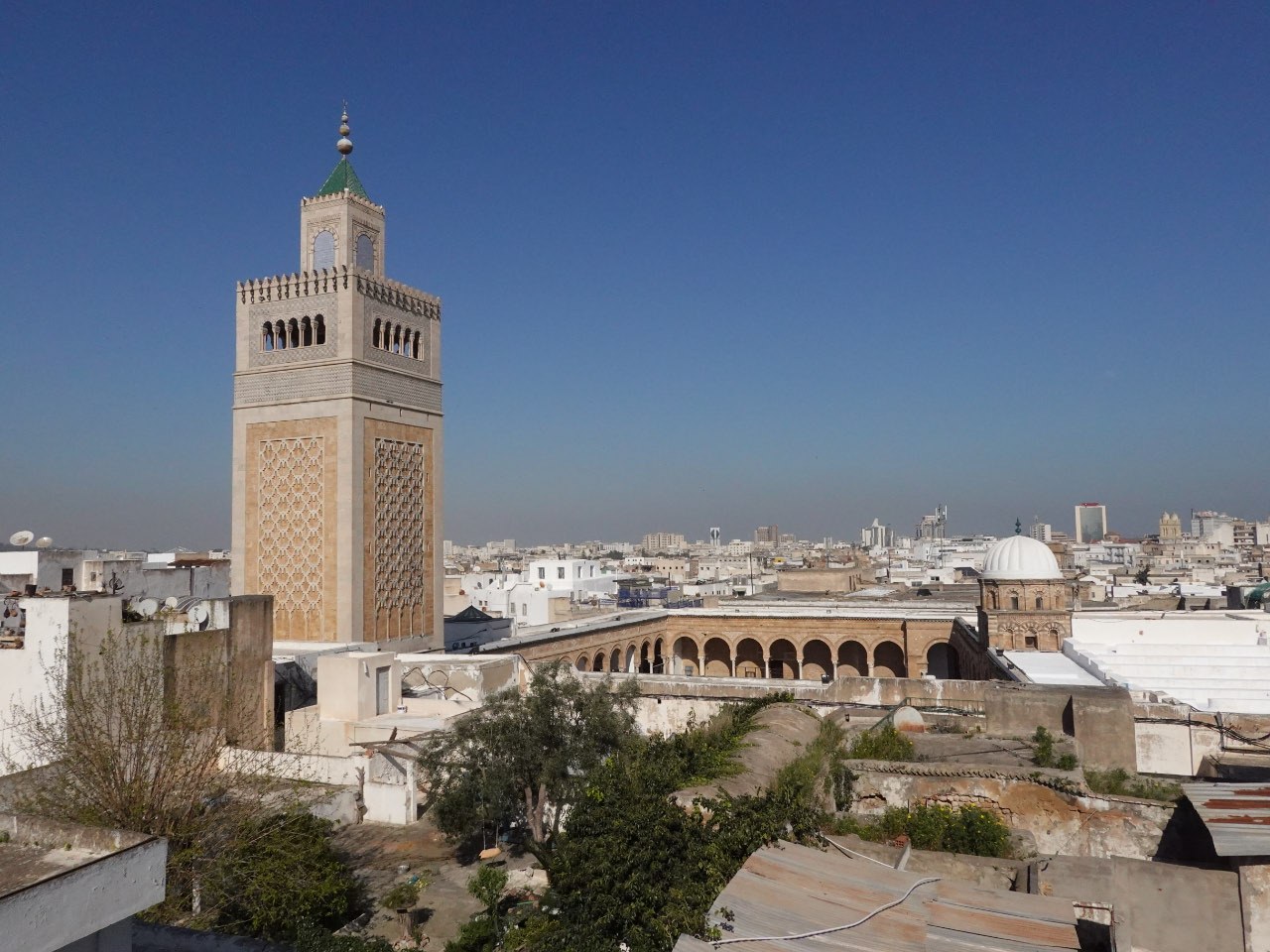
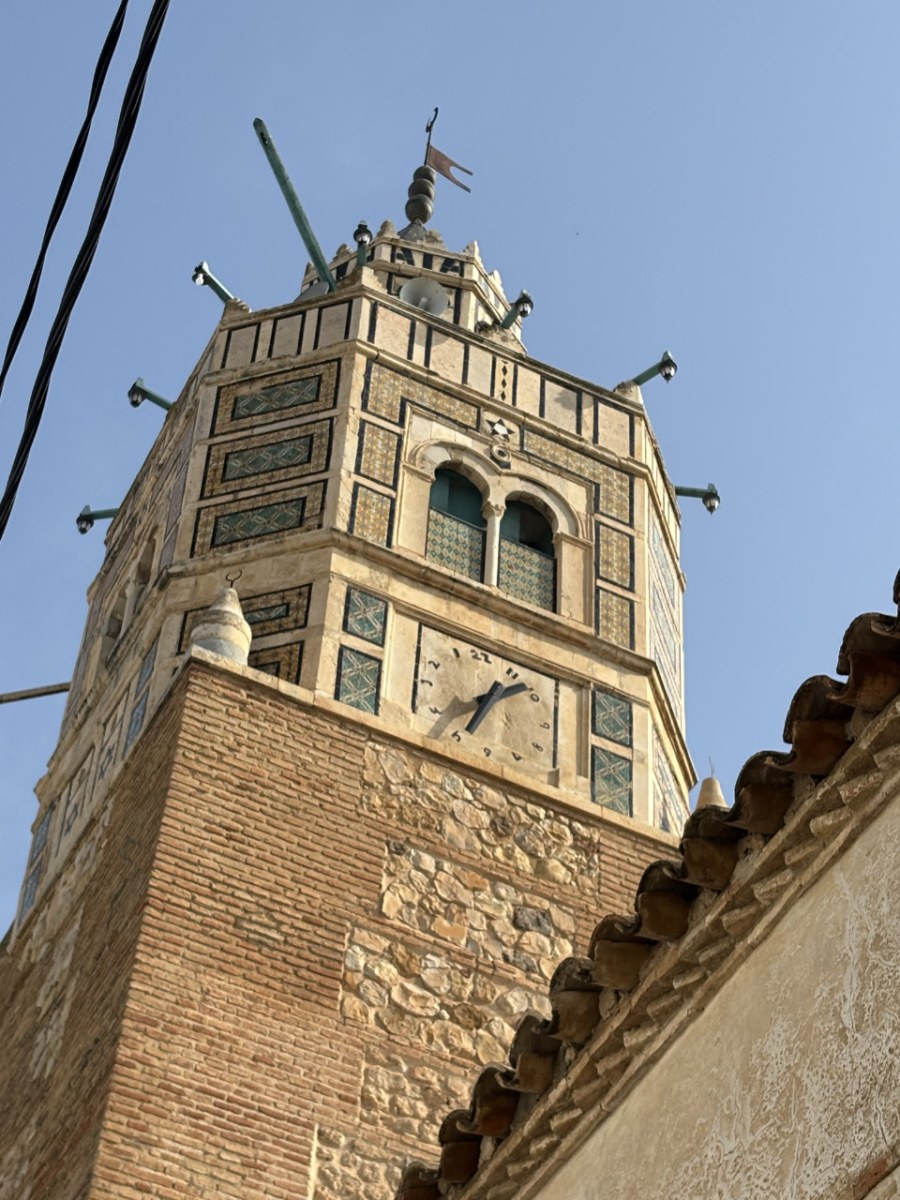
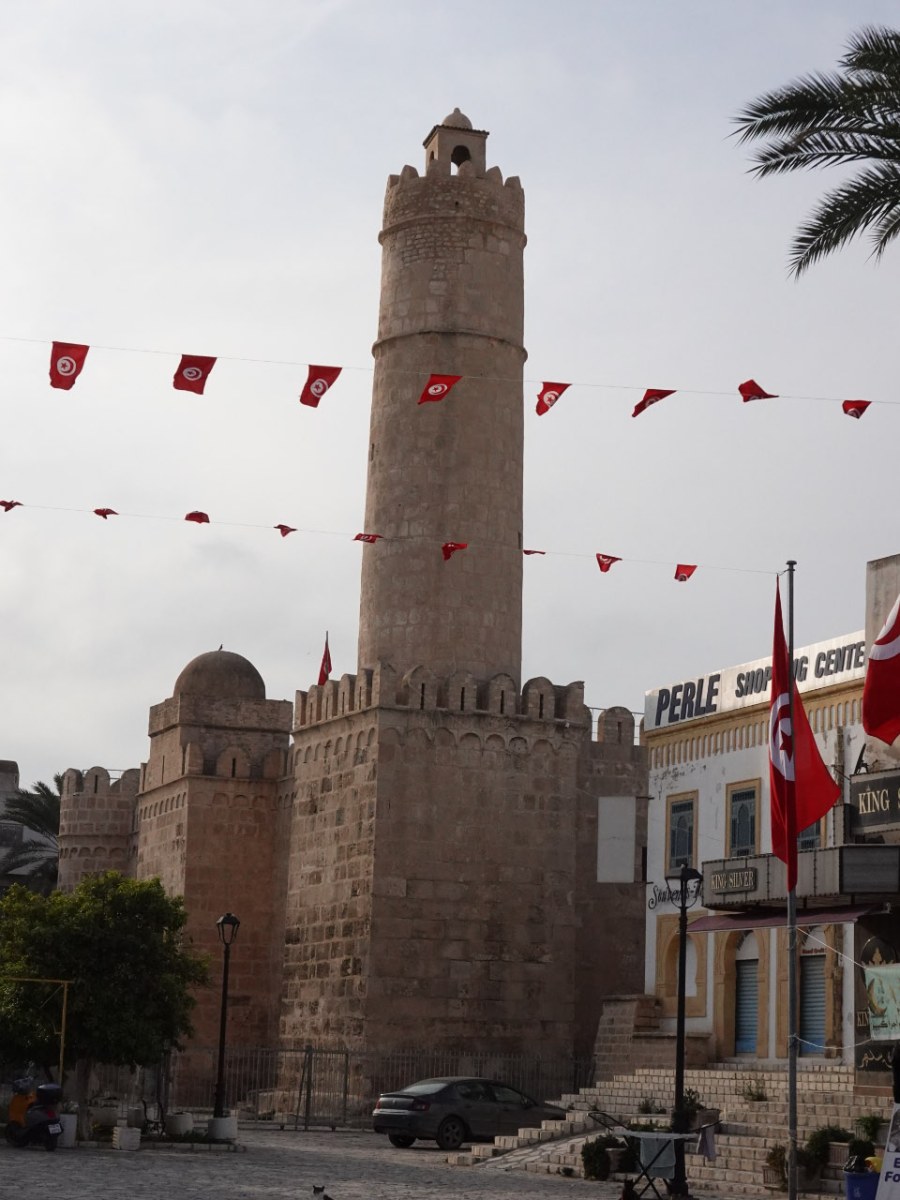 The minaret, Soussse TN
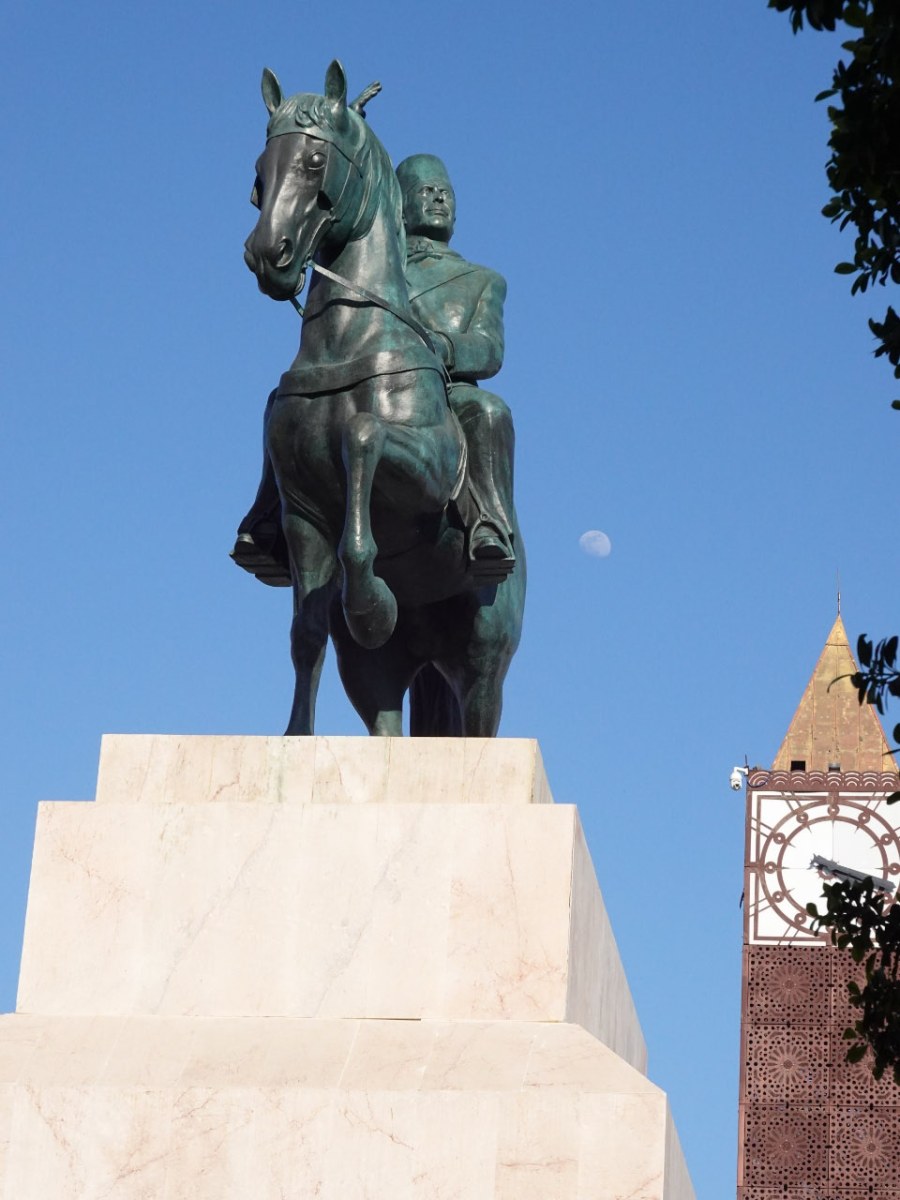
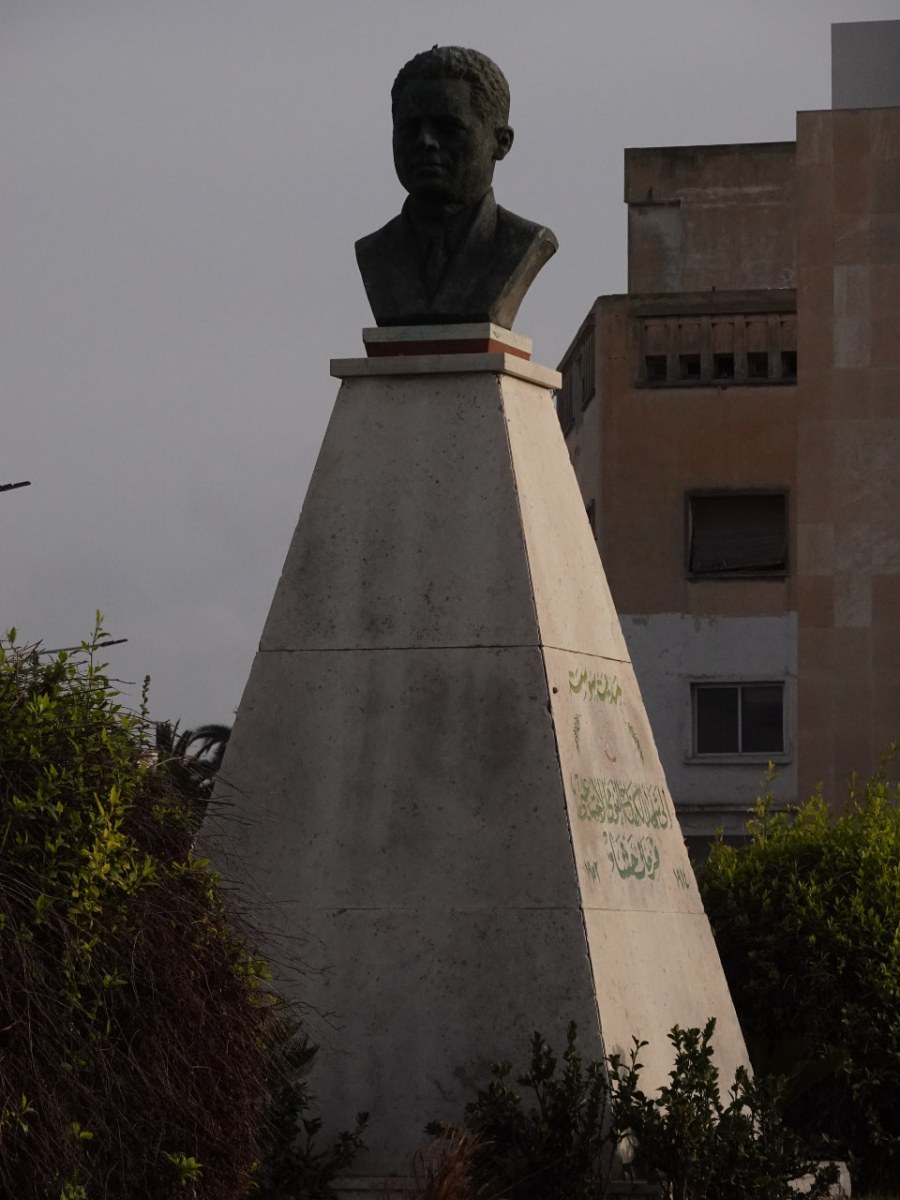 Martyr Square remembering Farhat Hached - the beginning of the Tunisian independence, Sousse TN
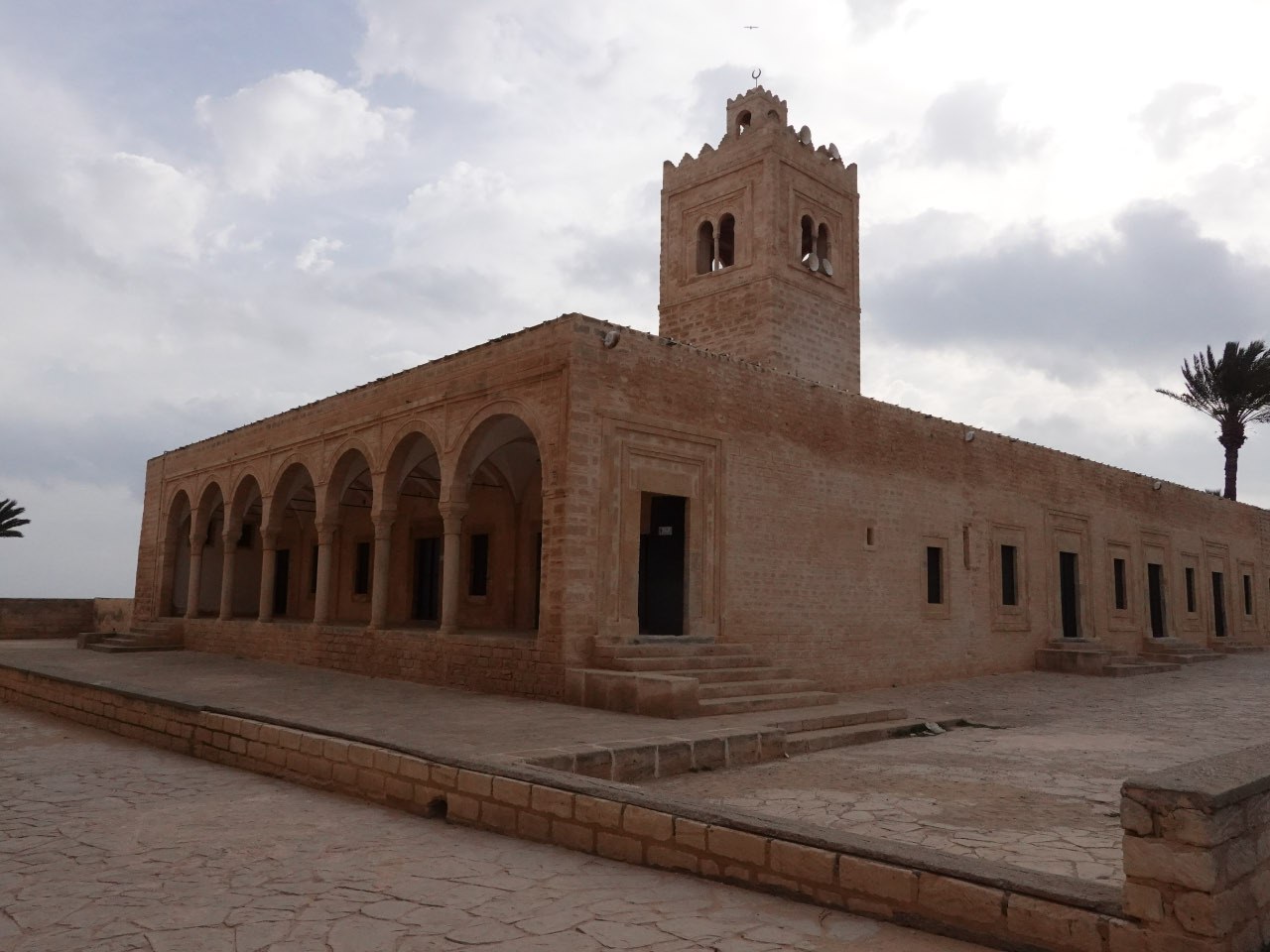 The Ribat of Monastir TN
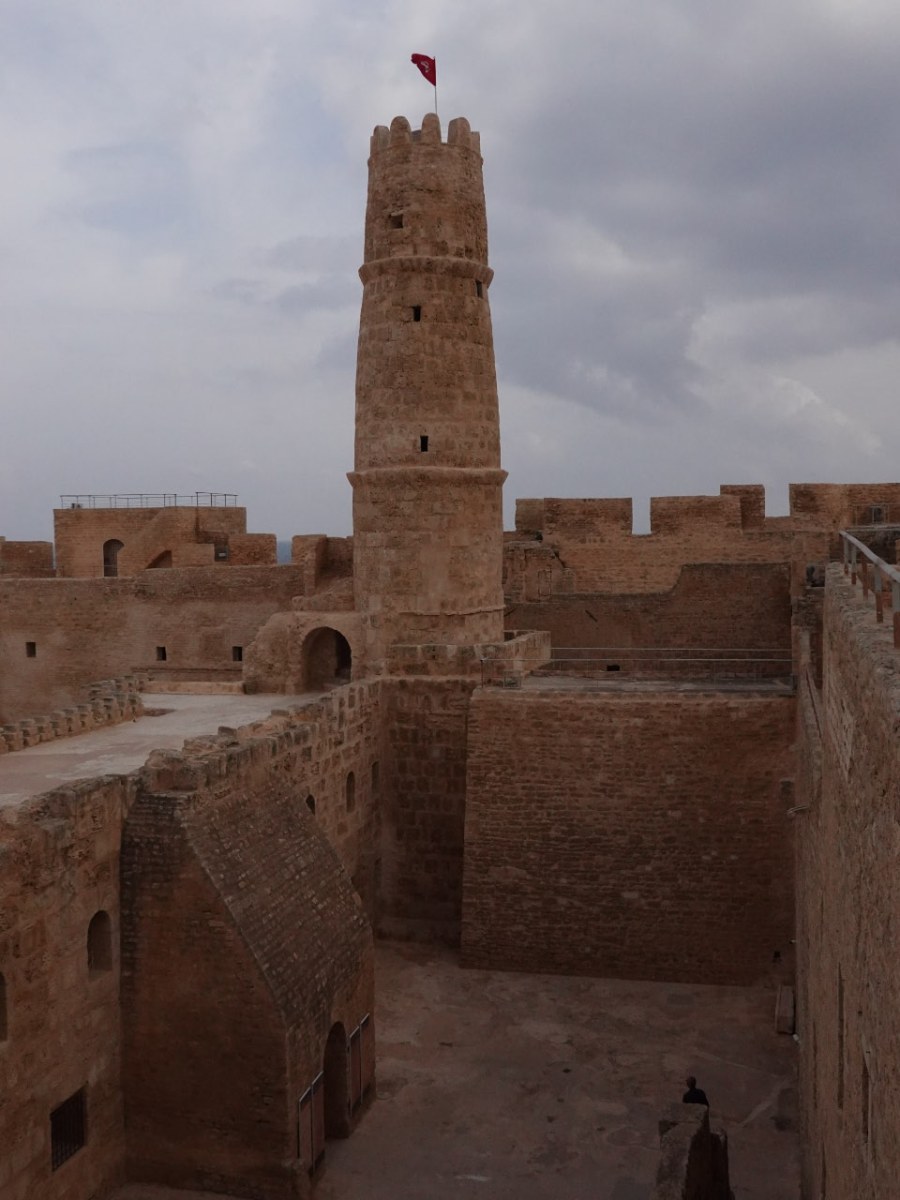 The Ribat of Monastir TN
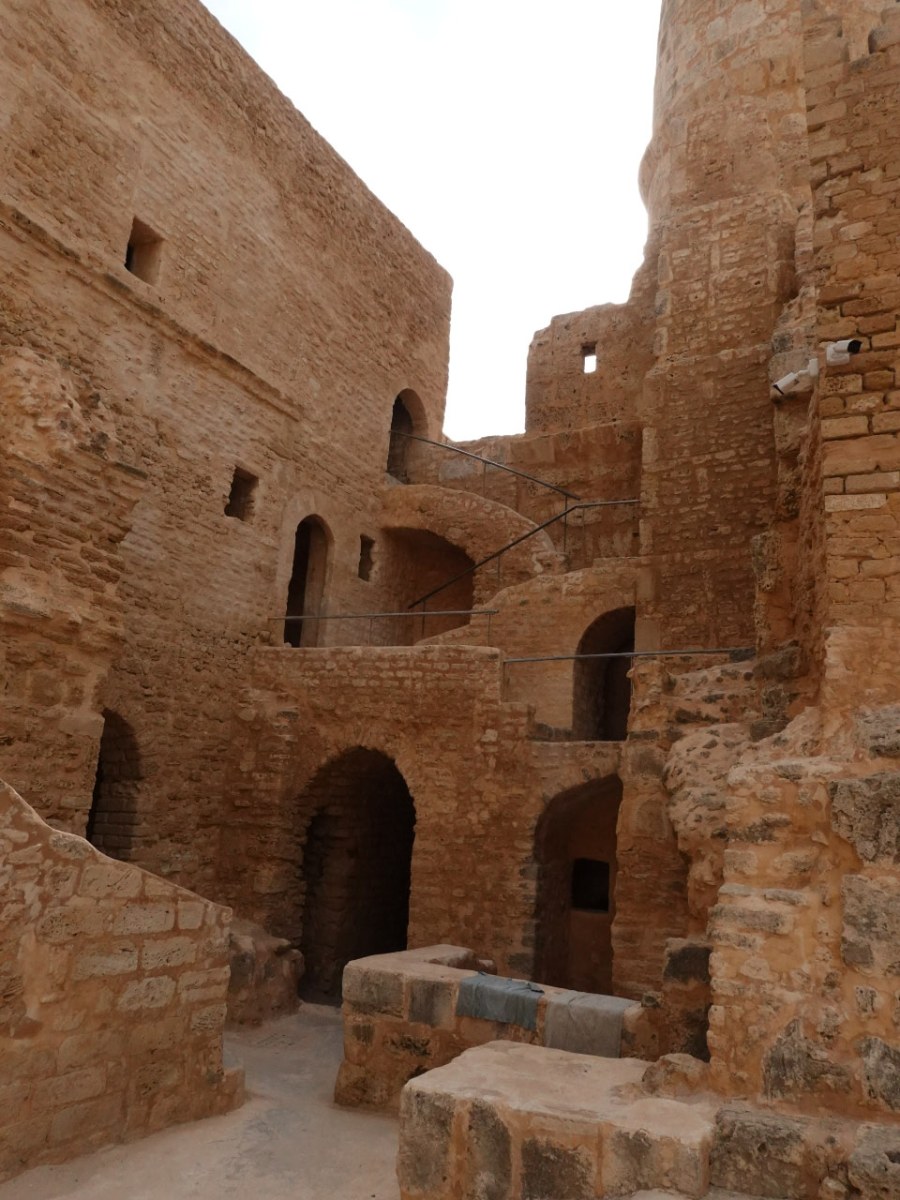 The Ribat of Monastir TN
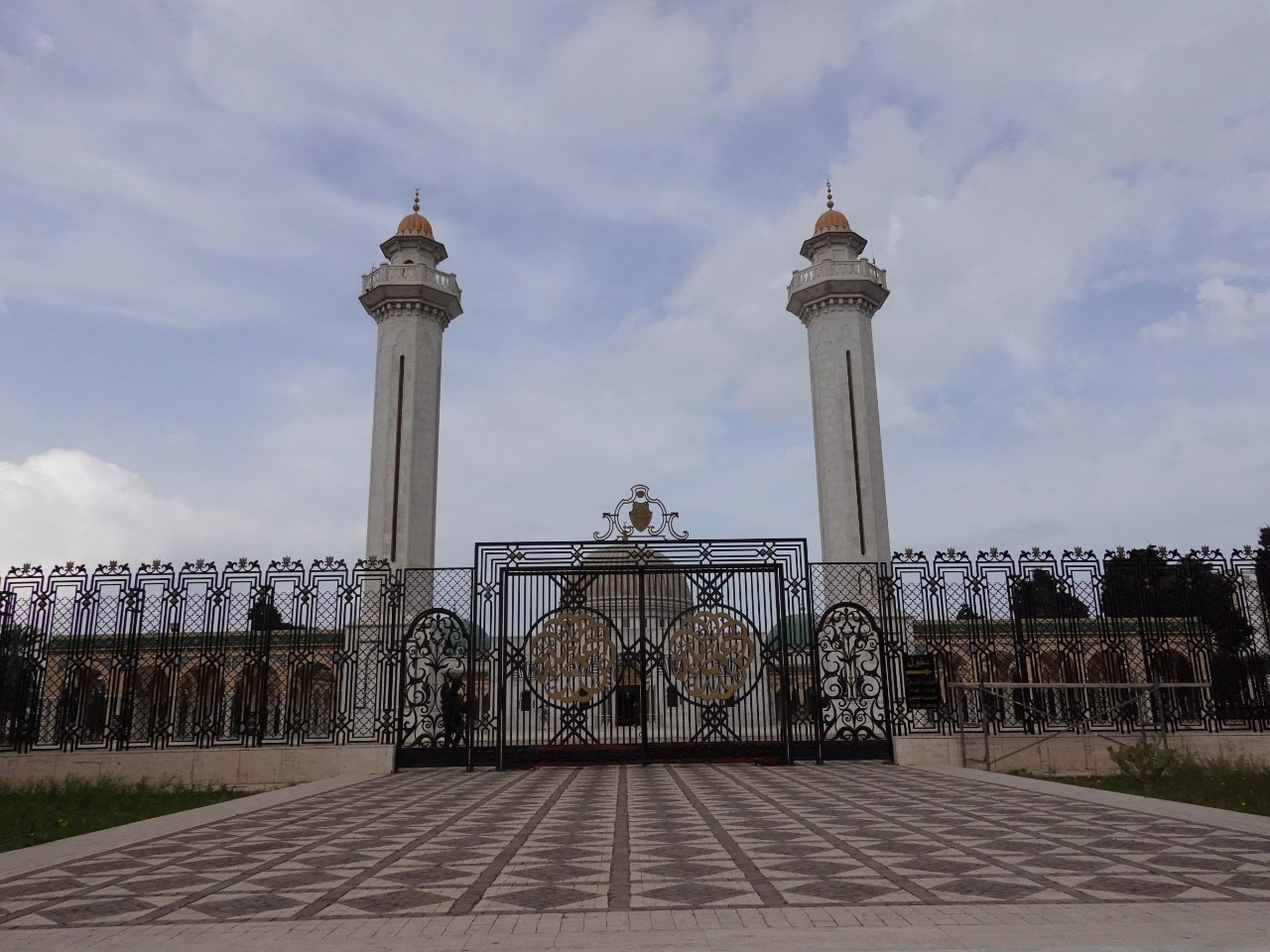 The masoleum of Habib Bourguiba, Tunisia's first president. Monastir TN
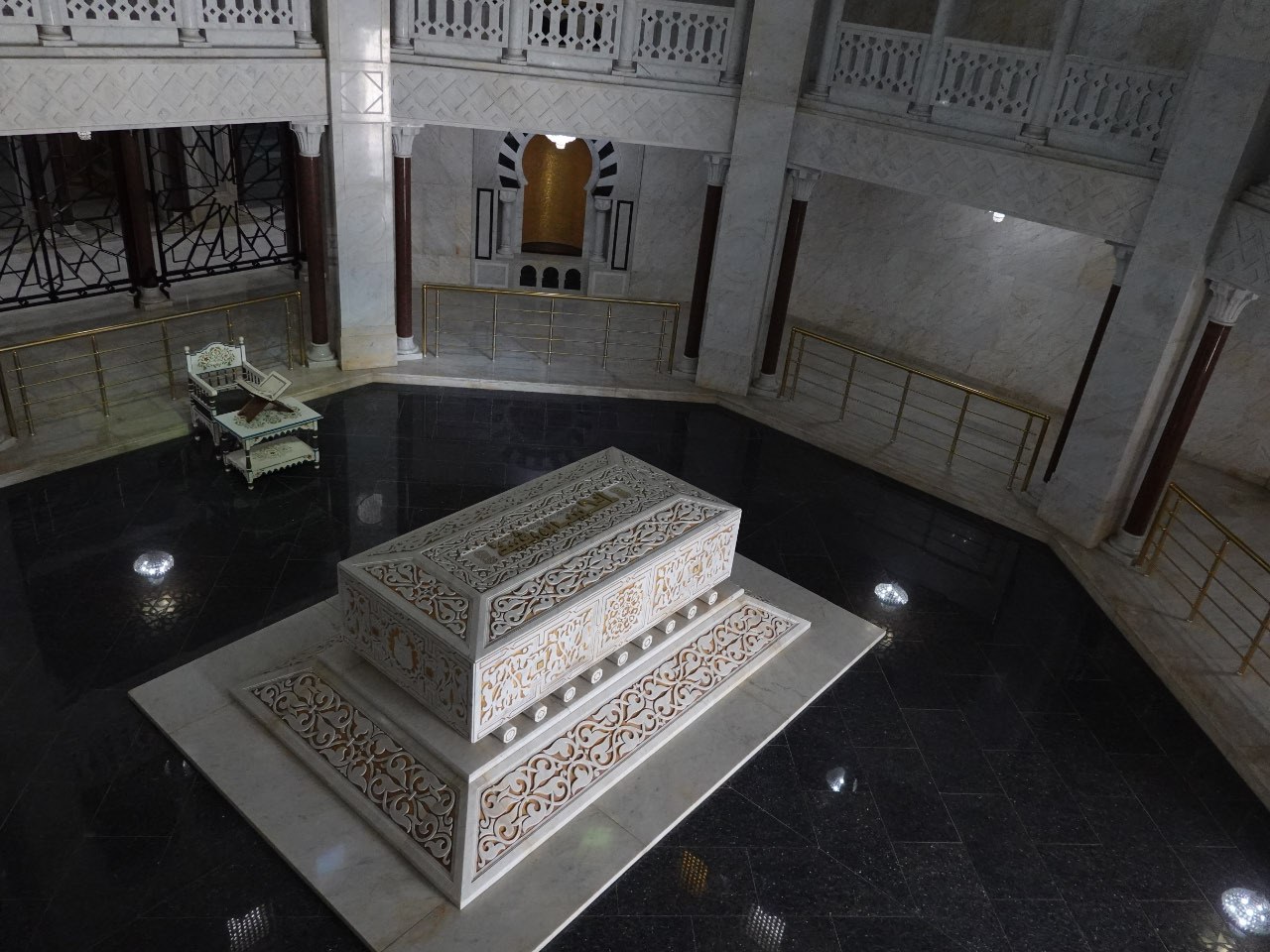 The masoleum of Habib Bourguiba, Tunisia's first president. Monastir TN
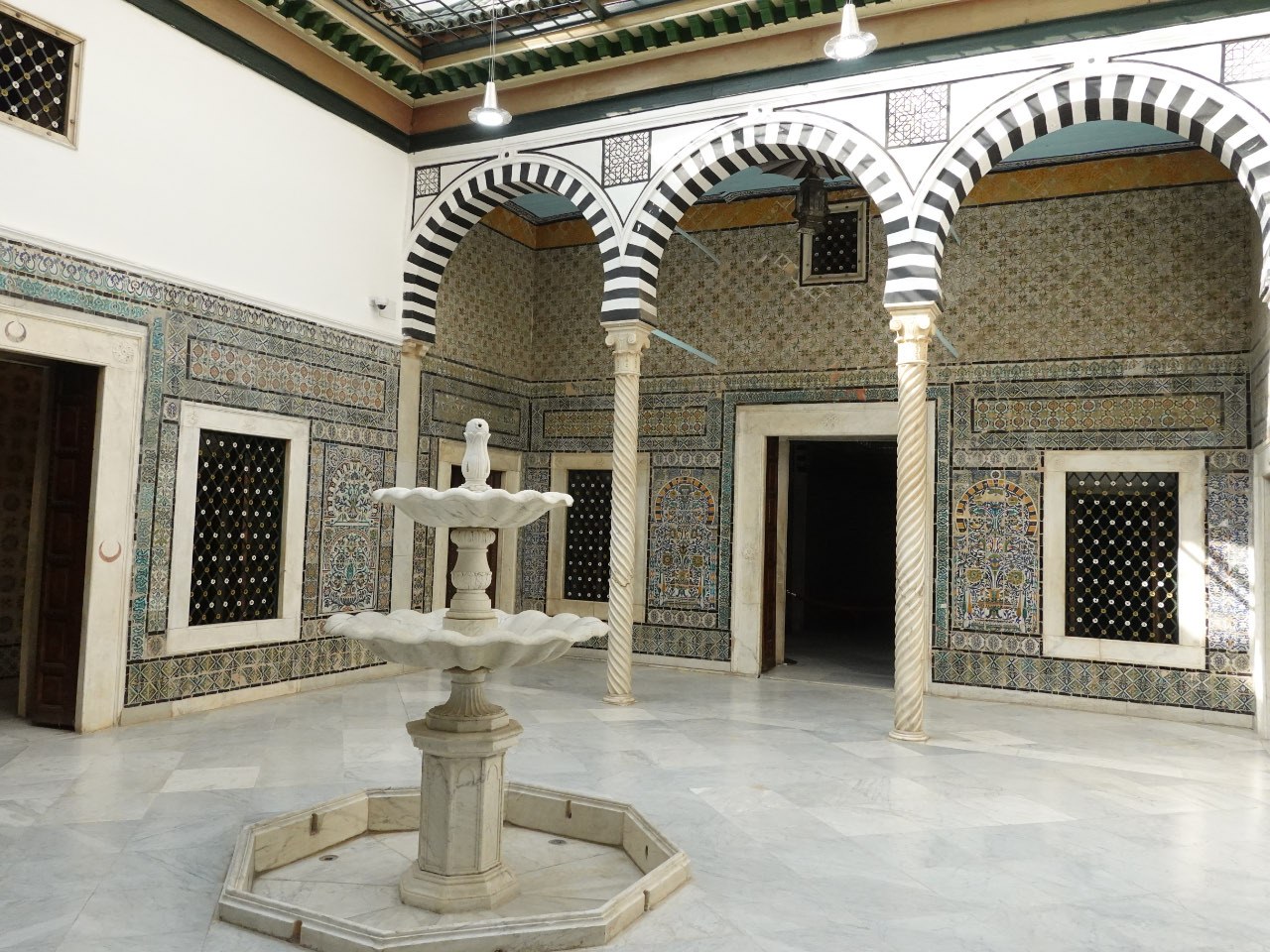
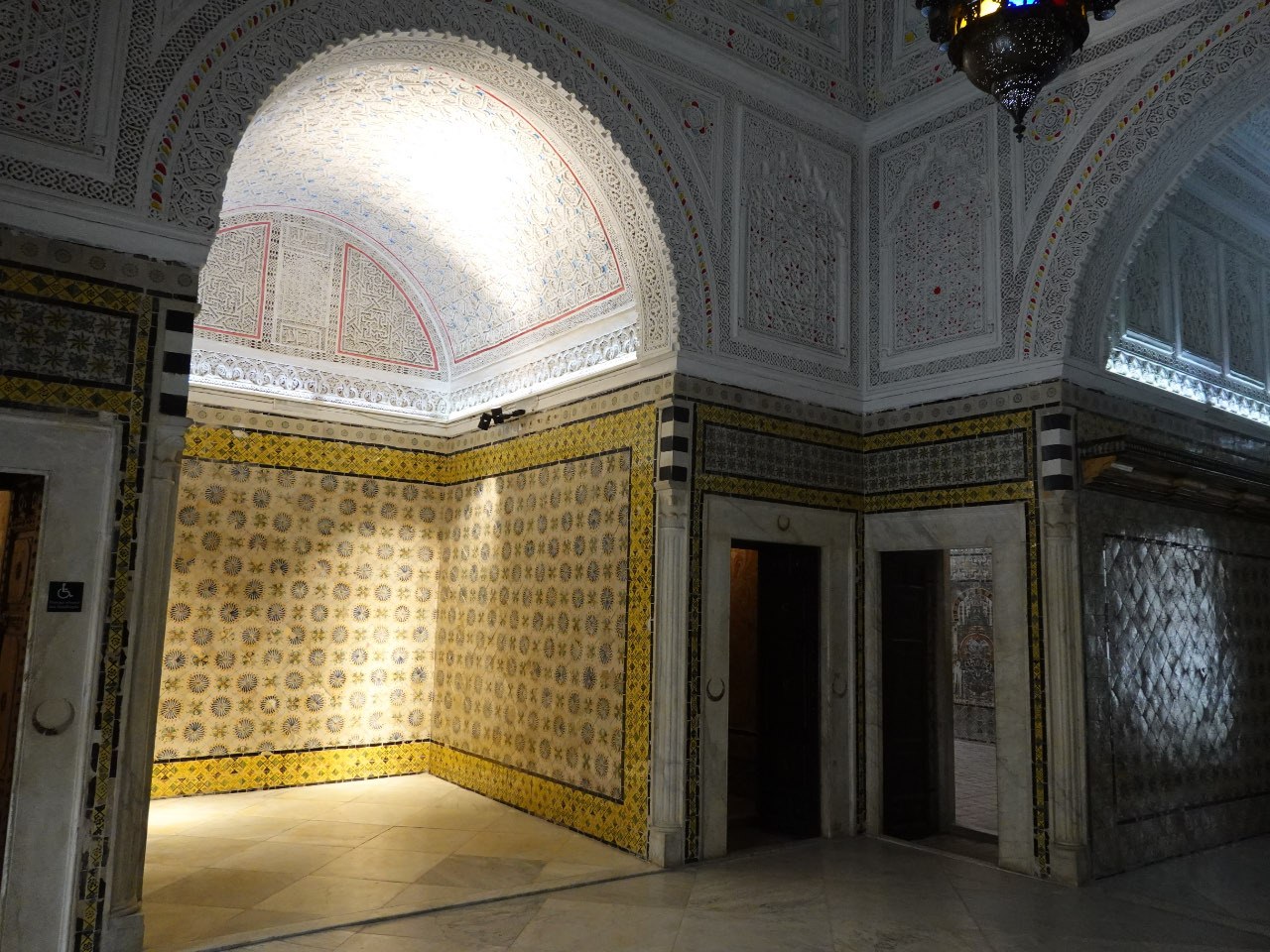
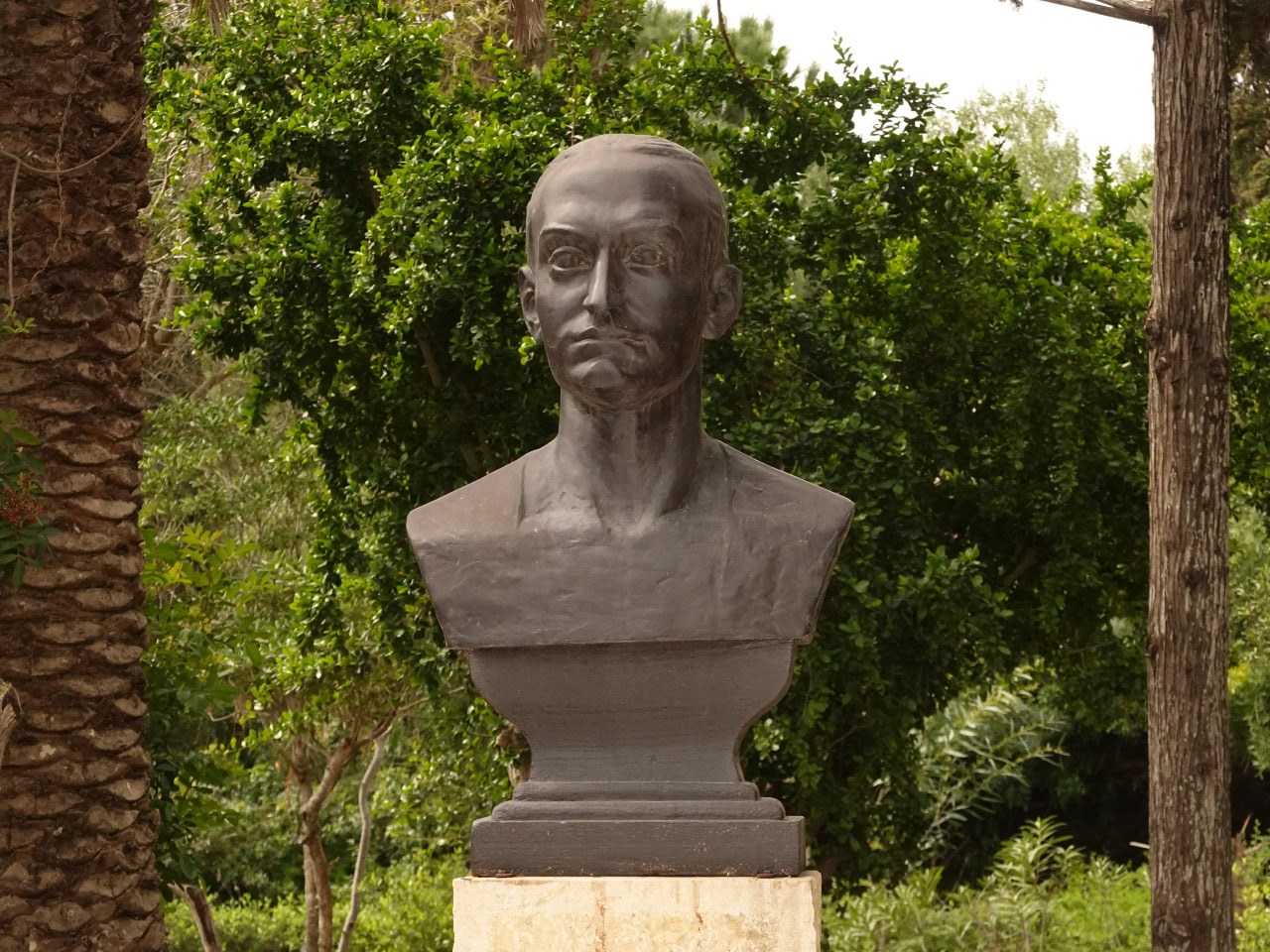 Dar Sebastian, home to George Sebastian and now the Tunisian Cultural Centre, Hammamet TN
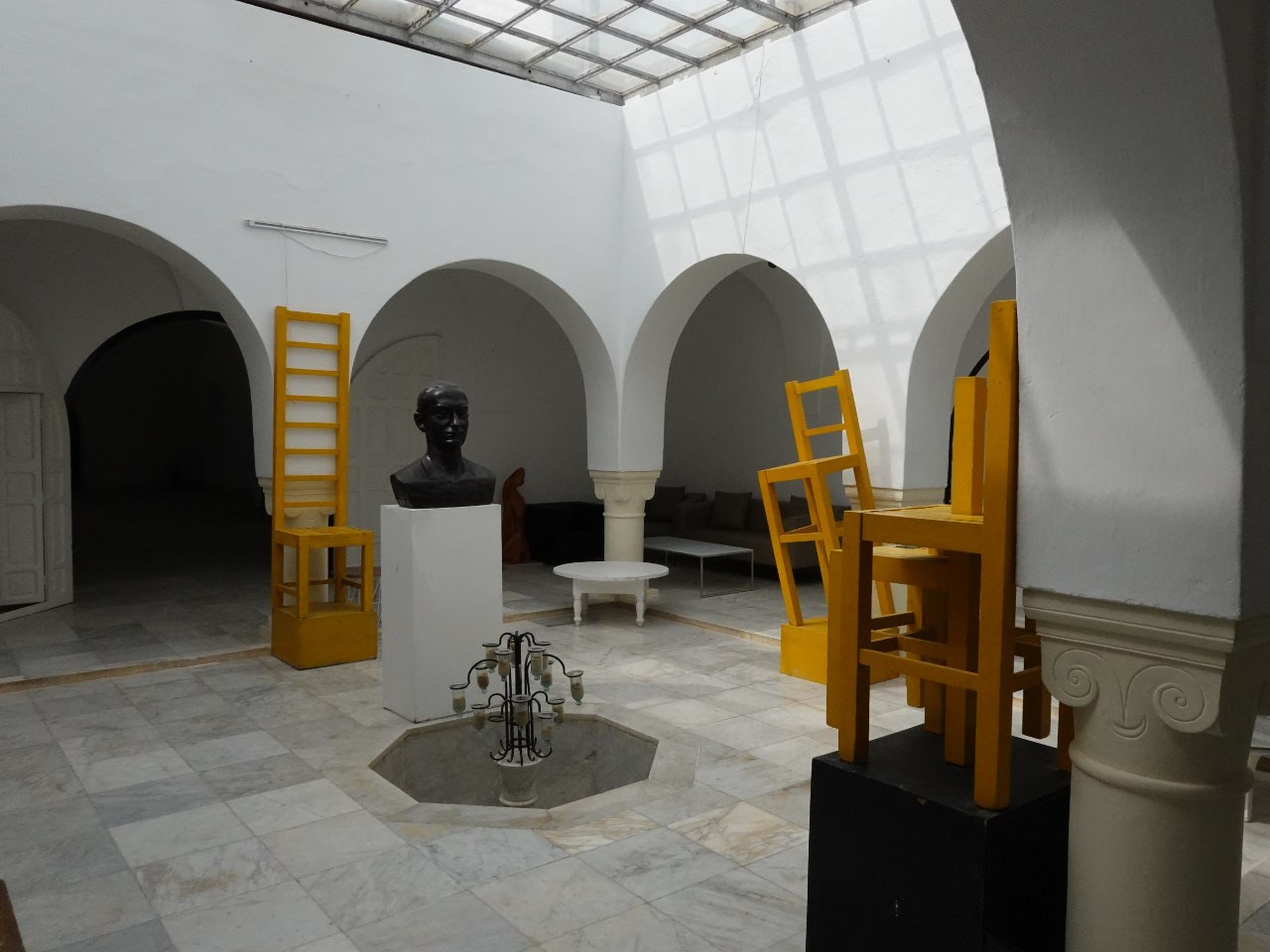 Dar Sebastian, home to George Sebastian and now the Tunisian Cultural Centre, Hammamet TN
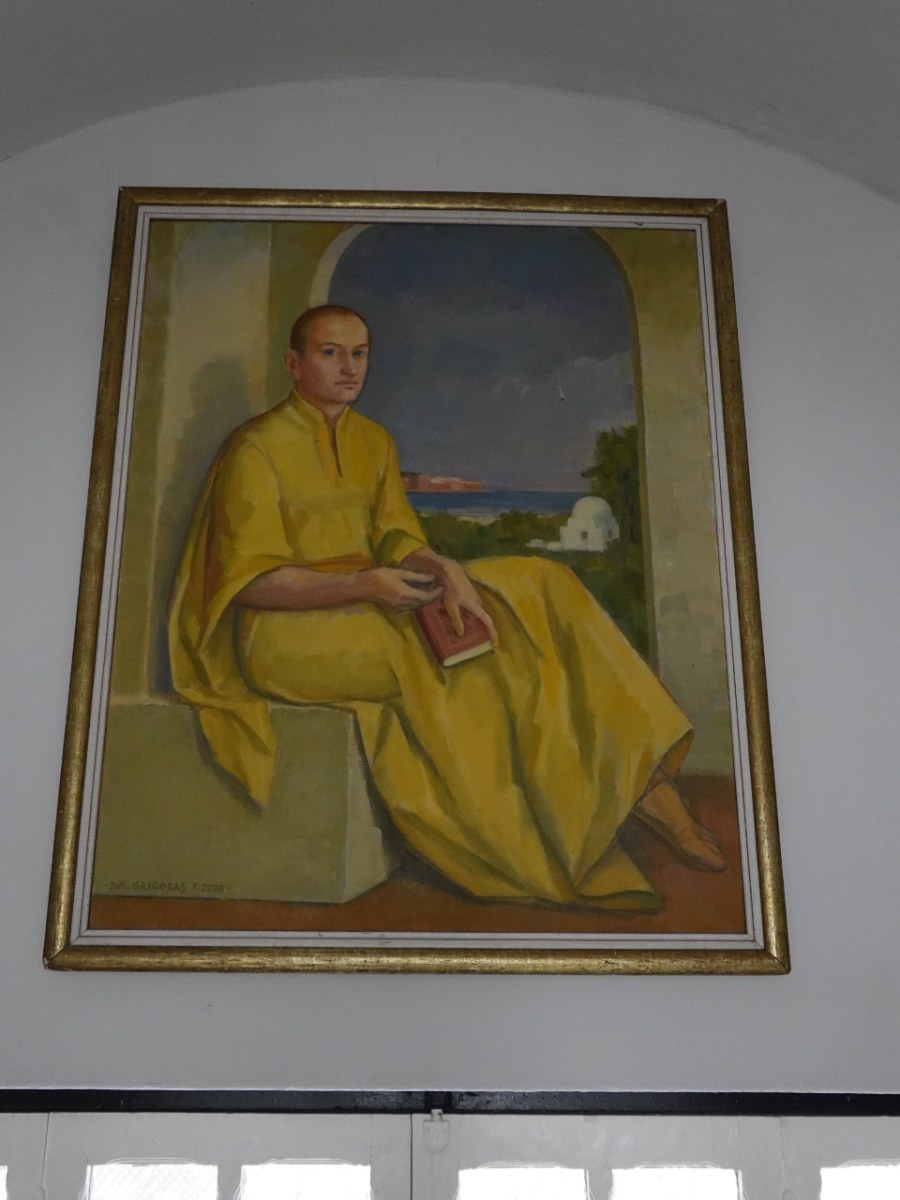 Dar Sebastian, home to George Sebastian and now the Tunisian Cultural Centre, Hammamet TN
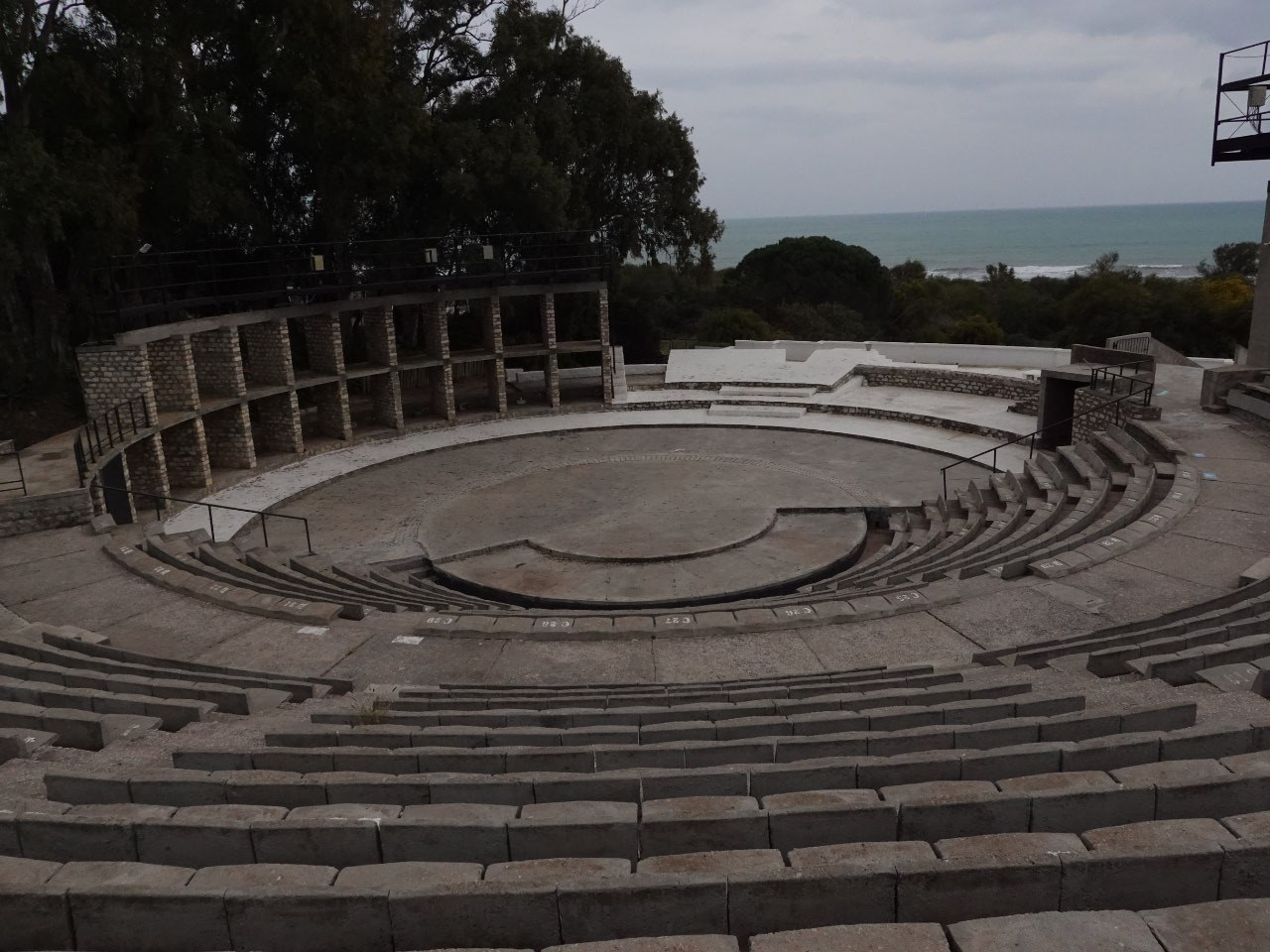 The theatre at Dar Sebastian, home to George Sebastian and now the Tunisian Cultural Centre, Hammamet TN
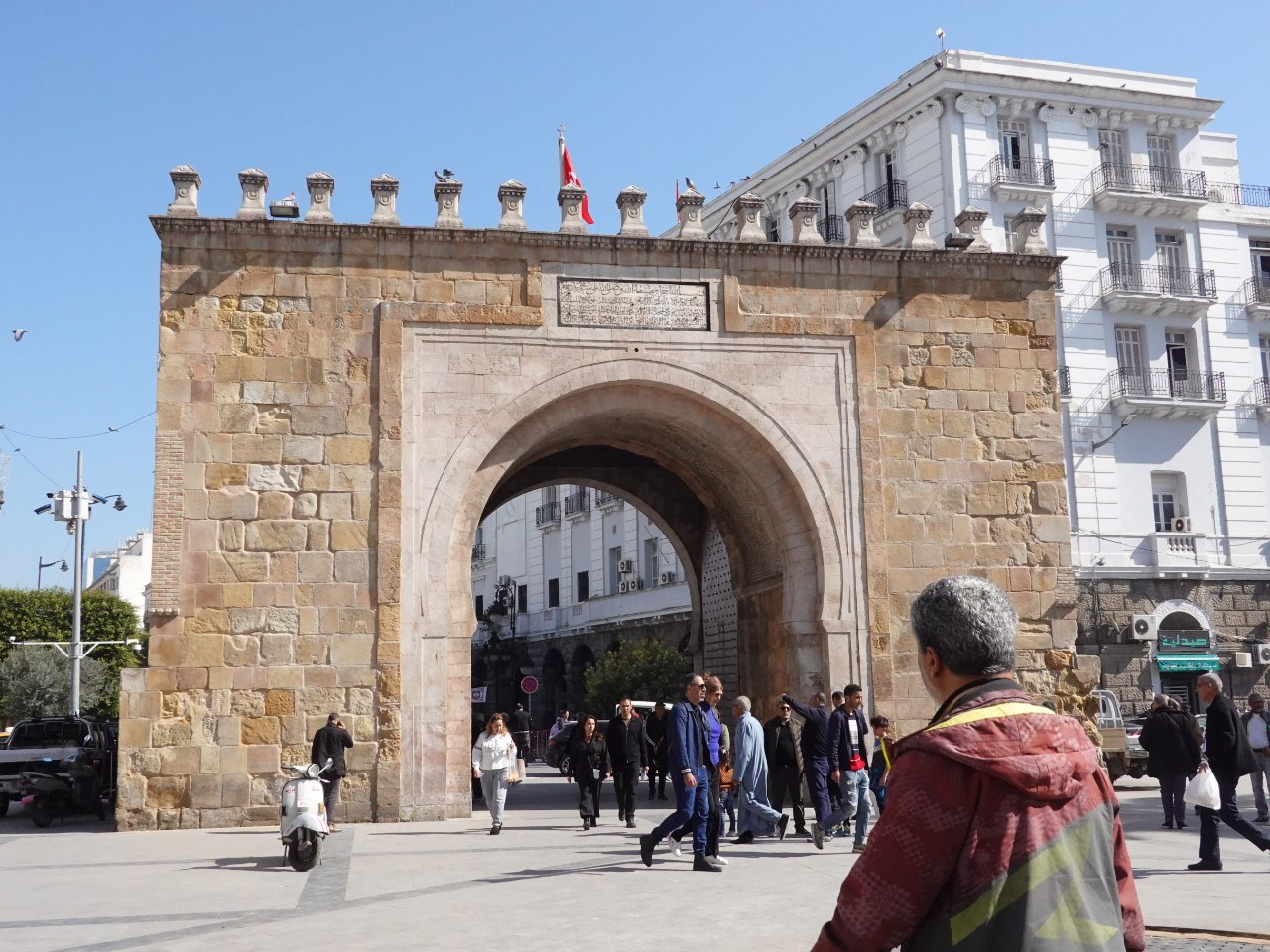
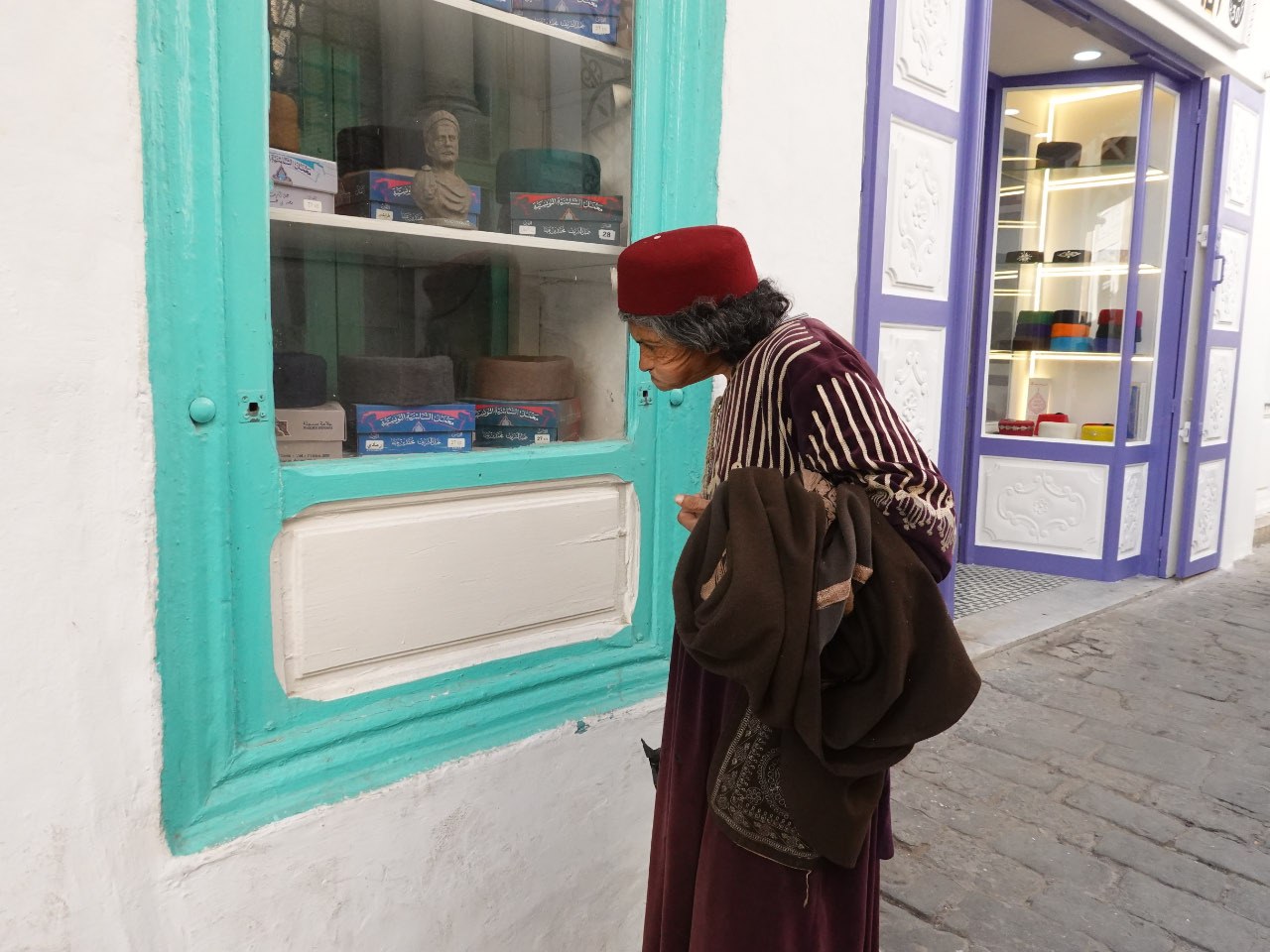
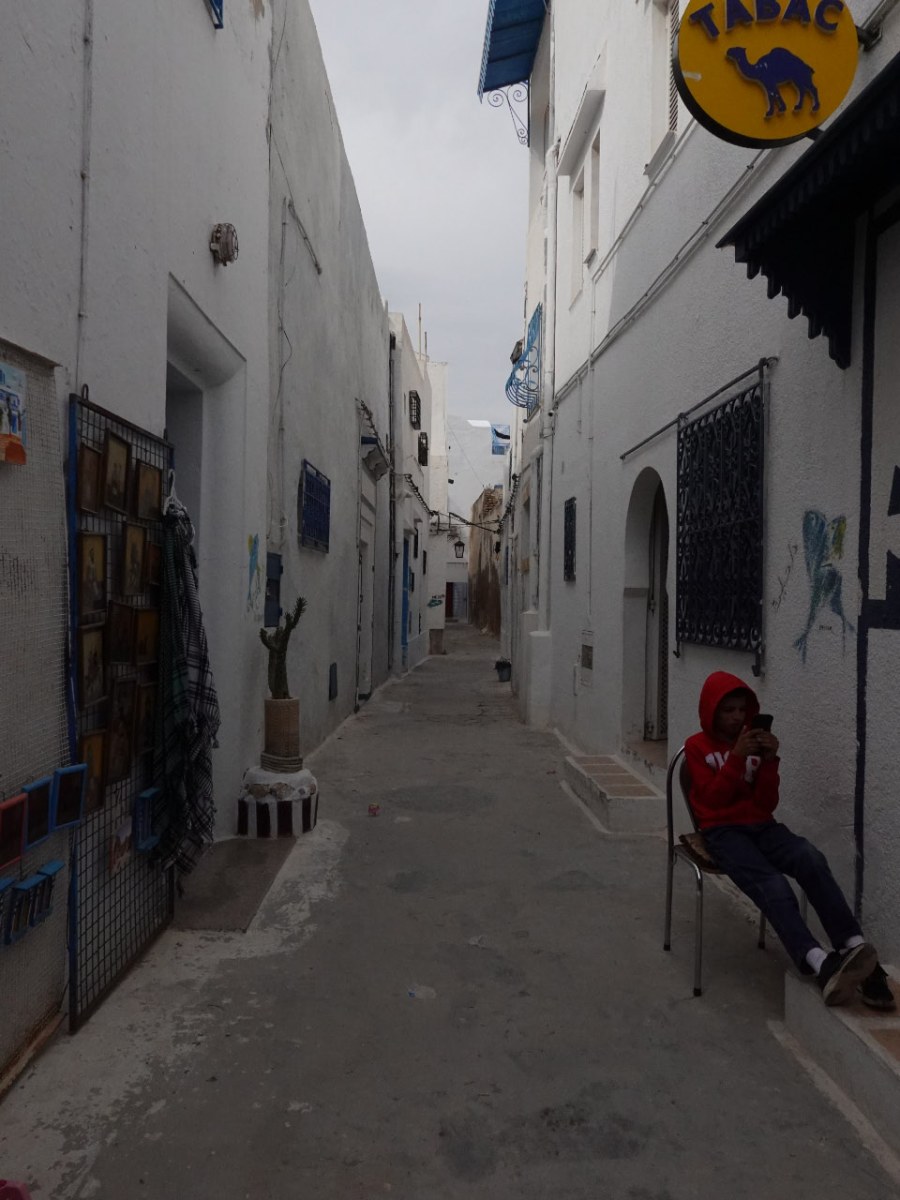 The medina of Hammermat TN
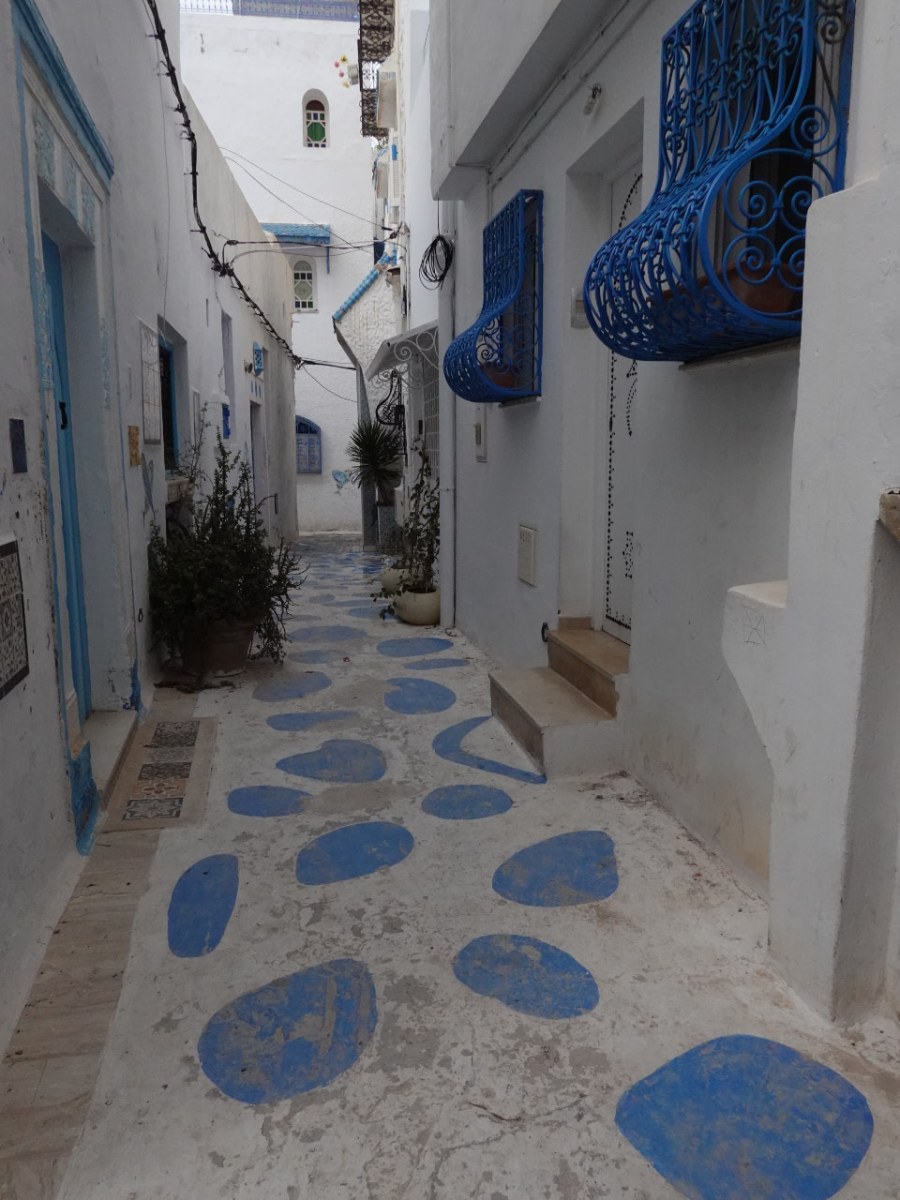 The medina of Hammermat TN
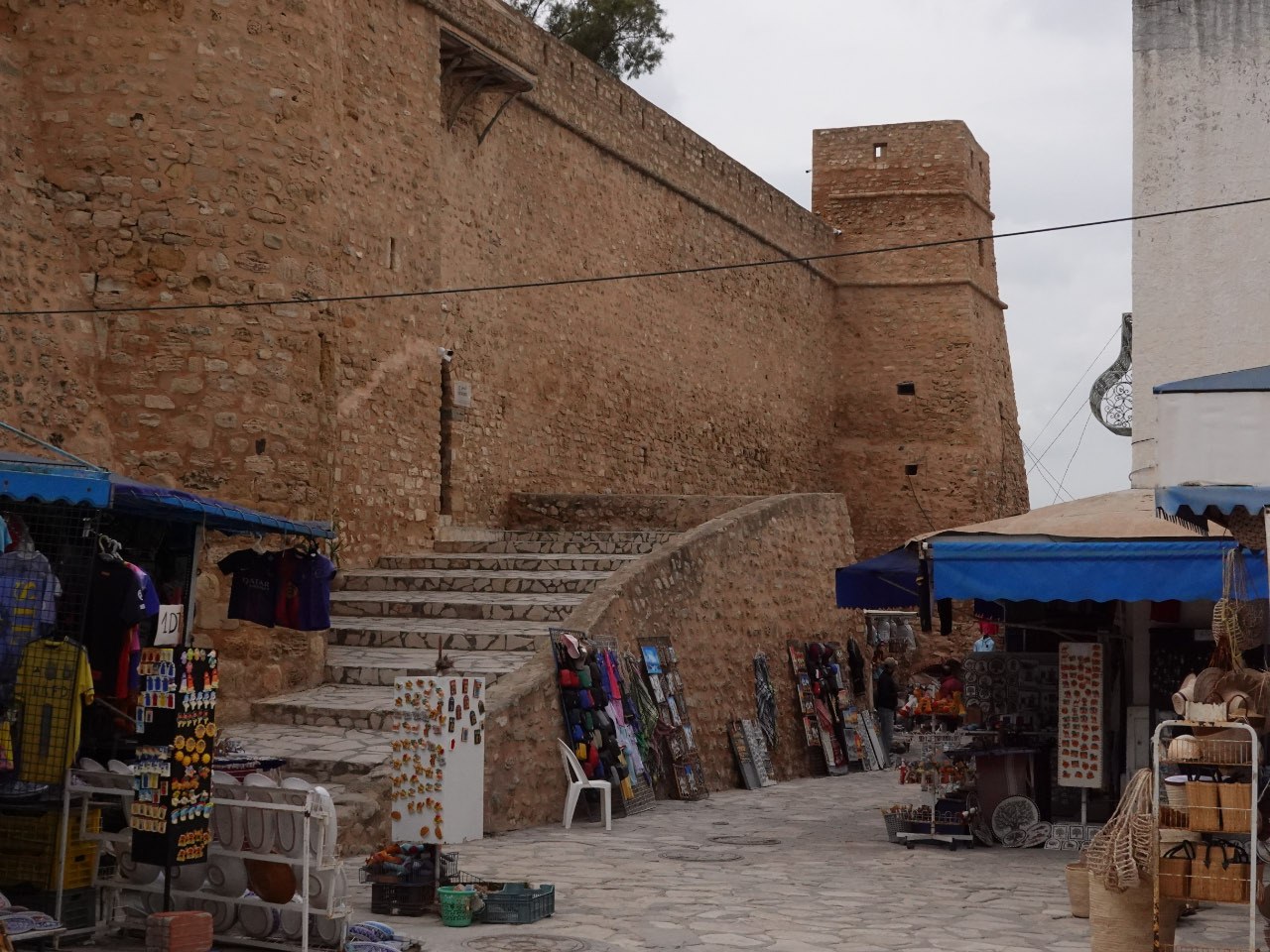 The medina of Hammermat TN
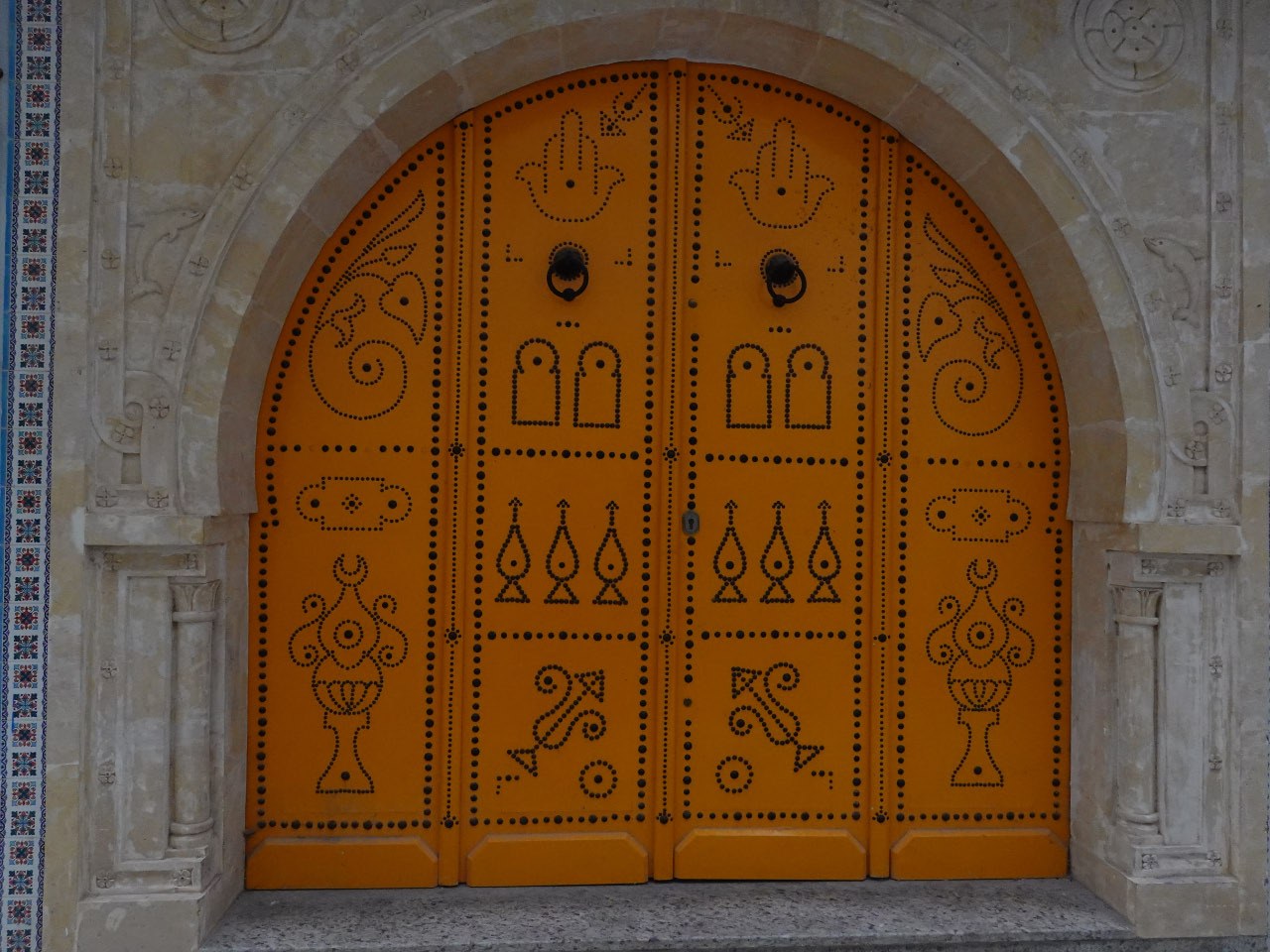 The medina of Hammermat TN
The land was flat from the desert, and we crossed many salt lakes.
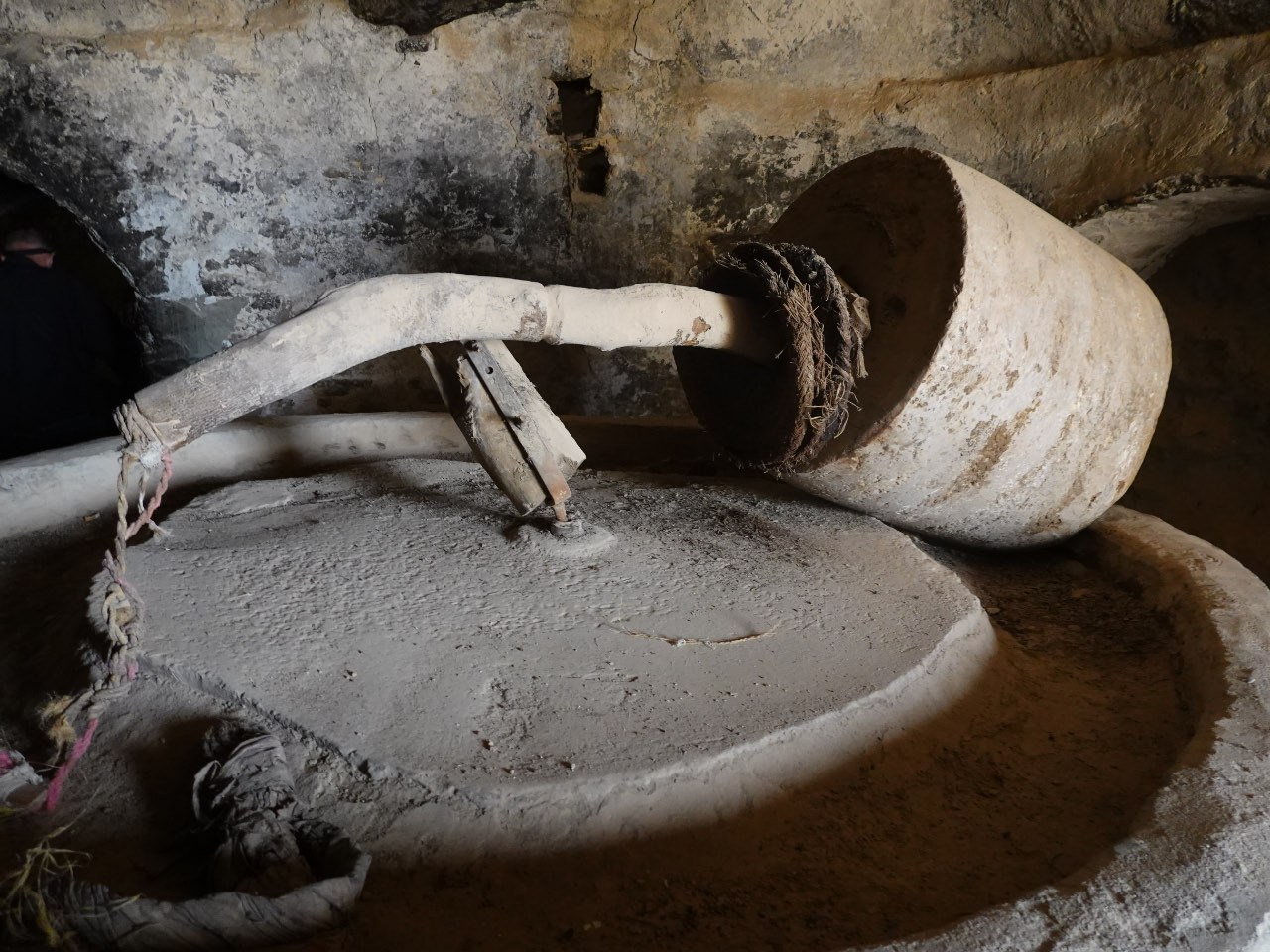
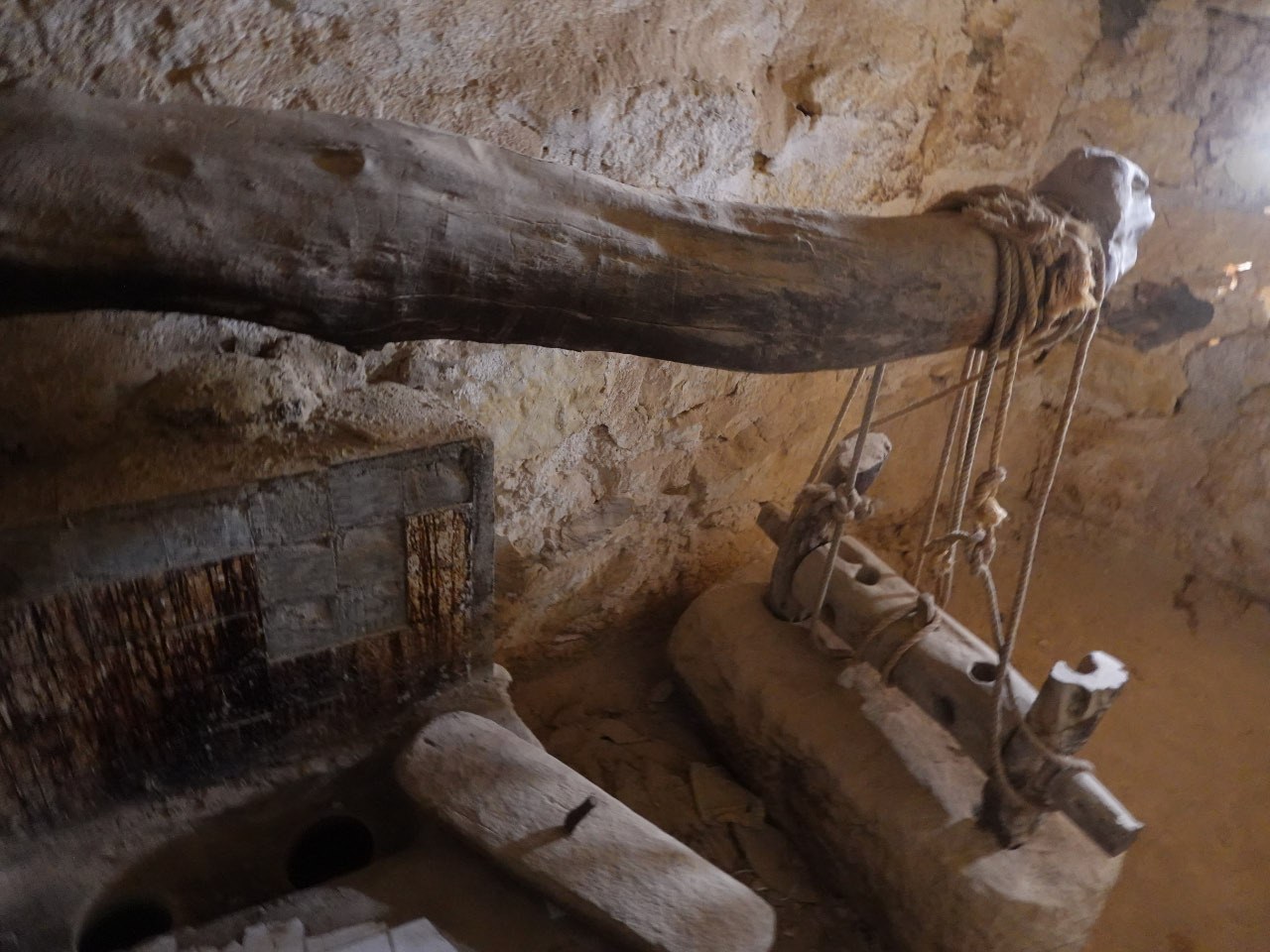
We reached Djerba, an island connected by a causeway. Djerba is known for its mixed cultures living harmoniously. We were introduced to pottery, perfumery and olive oil manufacturing. We visited the oldest known synagogue and the Jewish quarter with its wonderful mural. We visited the Turkish souq where Bruce found coffee, despite Ramadan.
Next stop was El Djem, home of the most intact roman colosseum – but it was never completed. We also visited the archaeological museum which had a reconstructed Roman villa and magnificent mosaics on display.
Our last stop for the day was a tour of the medina in Sousse.
We started our final day with a tour of the Ribat at Monastir. Next stop was the mausoleum of Habib Bourguiba the first president of Tunisia from 1957 to 1987, after they gained independence from France.
Our last stop at Hammamet was to visit George Sebastian’s eclectic home and then tour the medina.
Our time in Tunisia will finish with a couple of rest days (catch up on photos and correspondence), and then off the Morocco.